English
- Afrikaans
- Albanian
- Amharic
- Arabic
- Armenian
- Azerbaijani
- Basque
- Belarusian
- Bengali
- Bosnian
- Bulgarian
- Catalan
- Cebuano
- Corsican
- Croatian
- Czech
- Danish
- Dutch
- English
- Esperanto
- Estonian
- Finnish
- French
- Frisian
- Galician
- Georgian
- German
- Greek
- Gujarati
- Haitian Creole
- hausa
- hawaiian
- Hebrew
- Hindi
- Miao
- Hungarian
- Icelandic
- igbo
- Indonesian
- irish
- Italian
- Japanese
- Javanese
- Kannada
- kazakh
- Khmer
- Rwandese
- Korean
- Kurdish
- Kyrgyz
- Lao
- Latin
- Latvian
- Lithuanian
- Luxembourgish
- Macedonian
- Malgashi
- Malay
- Malayalam
- Maltese
- Maori
- Marathi
- Mongolian
- Myanmar
- Nepali
- Norwegian
- Norwegian
- Occitan
- Pashto
- Persian
- Polish
- Portuguese
- Punjabi
- Romanian
- Russian
- Samoan
- Scottish Gaelic
- Serbian
- Sesotho
- Shona
- Sindhi
- Sinhala
- Slovak
- Slovenian
- Somali
- Spanish
- Sundanese
- Swahili
- Swedish
- Tagalog
- Tajik
- Tamil
- Tatar
- Telugu
- Thai
- Turkish
- Turkmen
- Ukrainian
- Urdu
- Uighur
- Uzbek
- Vietnamese
- Welsh
- Bantu
- Yiddish
- Yoruba
- Zulu

Telephone: +86 13120555503
Email: frank@cypump.com


Apr . 01, 2024 17:55 Back to list
sump pump sewage Performance Analysis
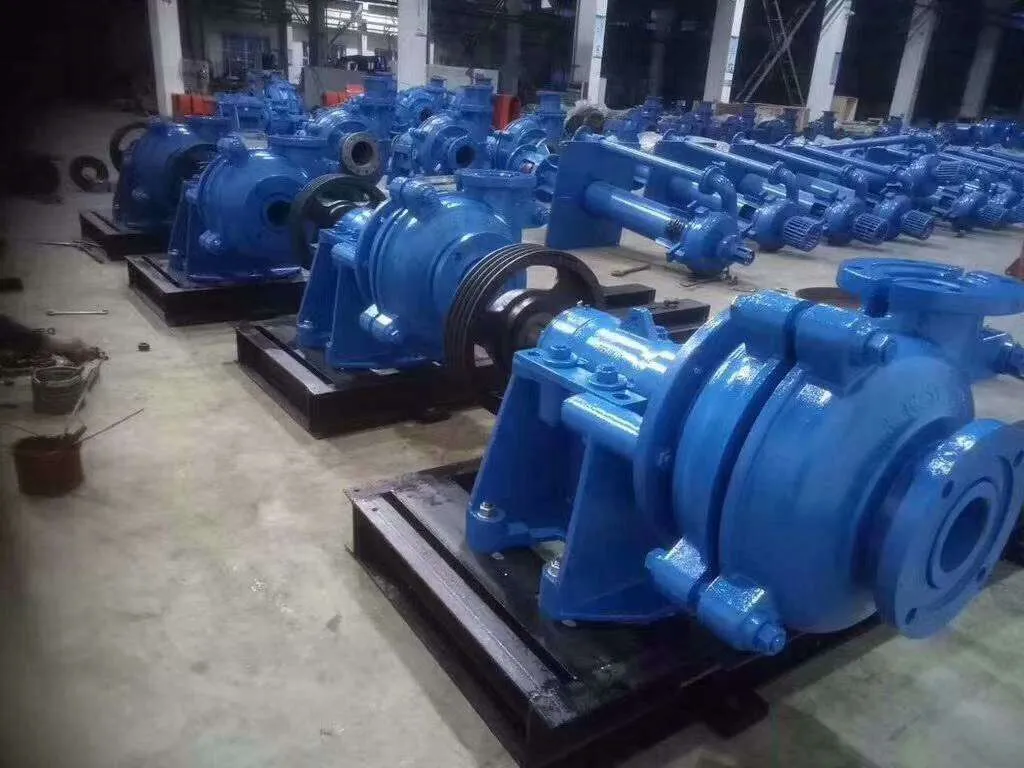
Introduction
Sump pump sewage systems are critical components of wastewater management, specifically designed for the removal of solids-laden effluent from residential, commercial, and industrial settings. Unlike conventional sump pumps handling clear water, sewage sump pumps are engineered to handle wastewater containing fecal matter, paper products, and other non-biodegradable solids. These systems typically reside in a basin below the main sewer line, receiving drainage from toilets, sinks, showers, and laundry appliances located below the gravity-fed sewer level. Their technical position within the wastewater treatment chain is as a pre-treatment stage, boosting effluent to a point where gravity flow to the municipal sewer or septic system is possible. Core performance metrics center around hydraulic capacity (gallons per minute – GPM), head pressure (the maximum height the pump can lift the effluent), solids handling capability (diameter and concentration), and pump efficiency, all heavily influencing system reliability and operational costs. A primary industry pain point involves pump clogging due to inappropriate solids introduction, impeller wear from abrasive particles, and corrosion from hydrogen sulfide (H₂S) generated during anaerobic decomposition.
Material Science & Manufacturing
The core components of a sewage sump pump dictate its longevity and performance. Pump housings are commonly constructed from cast iron (ASTM A48 Class 30) due to its high tensile strength, abrasion resistance, and cost-effectiveness. However, the susceptibility of cast iron to corrosion, particularly in the presence of sulfides, necessitates protective coatings such as epoxy powder coating or cathodic electrodeposition. Impellers, responsible for generating hydraulic force, are often manufactured from high-density polyethylene (HDPE) or stainless steel (316 stainless steel – ASTM A240), offering varying degrees of abrasion resistance and chemical compatibility. Shafts typically utilize 4140 alloy steel, heat-treated to achieve a Rockwell hardness of HRC 45-50, ensuring resistance to torsional stress. Seals, crucial for preventing leakage, are commonly made from nitrile rubber (Buna-N) or Viton (fluoroelastomer) depending on the pH and chemical composition of the wastewater. Manufacturing processes involve sand casting for housings, rotational molding or injection molding for HDPE impellers, and precision machining for shafts and stainless steel components. Key parameter control during manufacturing focuses on impeller balancing to minimize vibration, dimensional accuracy of the housing to ensure proper seal contact, and coating thickness for corrosion protection. Welding processes, when employed for certain housing configurations, require adherence to AWS D1.1 standards to maintain structural integrity.
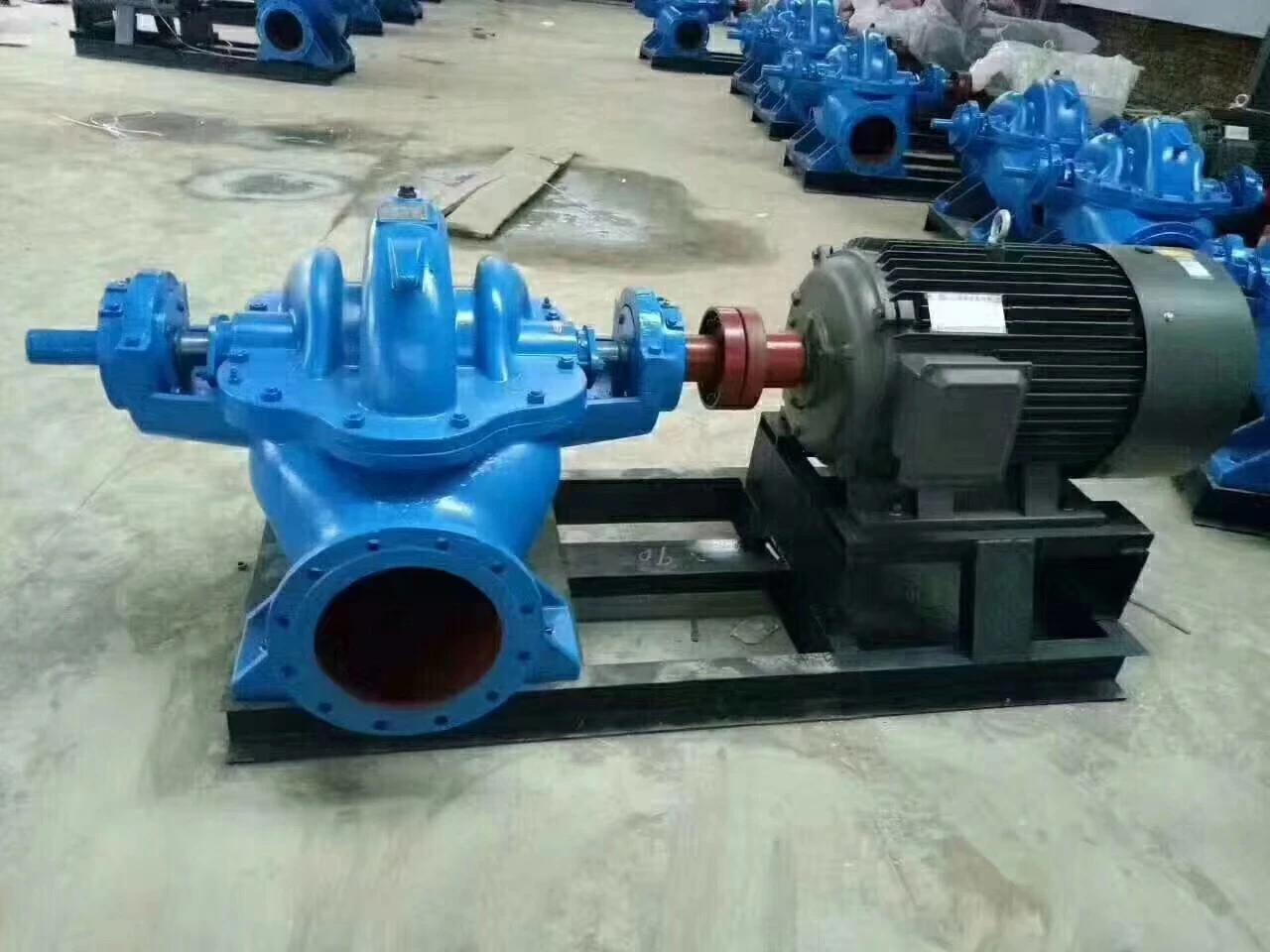
Performance & Engineering
Performance evaluation of sewage sump pumps necessitates a comprehensive understanding of hydraulic principles and failure mechanics. Force analysis involves calculating the radial and axial loads imposed on the impeller by the fluid flow, determining bearing life using ISO 281, and assessing the structural integrity of the housing under pressure. Environmental resistance is critical, with pumps required to operate reliably in submerged, potentially corrosive environments. Considerations include temperature tolerance (typically 32°F to 90°F), pH range (typically 5.5 to 9.5), and resistance to chemical attack from common wastewater constituents. Compliance requirements are dictated by regional and national regulations, including UL 778 (safety standards for submersible pumps) and potentially local plumbing codes. Functional implementation depends heavily on proper sizing of the pump to the application. This requires calculating the total dynamic head (TDH), incorporating static head (vertical distance effluent is lifted), friction losses in the piping system (Darcy-Weisbach equation), and desired flow rate. The pump’s power curve must intersect the system curve at the desired operating point. Proper float switch configuration is also essential, preventing pump dry-running and overflow. Analysis of pump curves (head vs. flow rate) is critical for optimal system design. Motor selection involves considering efficiency (NEMA Premium efficiency standards), insulation class (typically Class H), and service factor.
Technical Specifications
| Model Number | Maximum Flow Rate (GPM) | Maximum Head (ft) | Solids Handling Capability (in) |
|---|---|---|---|
| SP-100S | 75 | 25 | 2 |
| SP-200D | 120 | 40 | 3 |
| SP-300H | 150 | 50 | 3.5 |
| SP-400X | 200 | 60 | 4 |
| SP-500V | 250 | 75 | 4.5 |
| SP-600Z | 300 | 90 | 5 |
Failure Mode & Maintenance
Sewage sump pumps are susceptible to several failure modes. Fatigue cracking in the impeller, particularly at the base where it connects to the shaft, is common due to cyclical loading. Delamination of epoxy coatings on cast iron housings results in localized corrosion and eventual structural failure. Bearing failure, manifesting as noise and reduced pump performance, is often caused by inadequate lubrication or abrasive particle ingress. Clogging, a frequent issue, arises from the introduction of non-biodegradable objects (rags, wipes) or excessive solids concentration. Oxidation of electrical connections leads to intermittent operation or complete failure. Hydrogen sulfide (H₂S) corrosion, a significant concern, attacks the metal components, forming iron sulfide scales and weakening the material. Maintenance solutions include regular inspection for clogging, periodic cleaning of the pump basin, lubrication of bearings according to manufacturer recommendations, verification of proper float switch operation, and application of corrosion inhibitors. Preventive maintenance programs should incorporate routine voltage and amperage checks to detect motor issues early. For severe corrosion, complete pump replacement may be necessary. Vibration analysis (ISO 10816) can identify bearing wear or impeller imbalance before catastrophic failure occurs.
Industry FAQ
Q: What is the primary difference between a standard sump pump and a sewage sump pump?
A: Standard sump pumps are designed for clean water removal, utilizing smaller impeller passages and less robust materials. Sewage sump pumps, conversely, are engineered to handle solids-laden wastewater with larger impeller passages, hardened materials (cast iron, stainless steel), and seals compatible with corrosive substances. Using a standard sump pump for sewage can cause rapid clogging and pump failure.
Q: How do I determine the correct pump size for my application?
A: Determining the correct size requires calculating the total dynamic head (TDH) – the vertical lift plus friction losses in the piping. You also need to estimate the expected flow rate based on the number of fixtures and their usage. The pump's performance curve must be reviewed to ensure it can deliver the required flow rate at the calculated TDH.
Q: What causes hydrogen sulfide (H₂S) corrosion, and how can it be mitigated?
A: H₂S is produced during the anaerobic decomposition of organic matter in wastewater. It reacts with metal surfaces, forming iron sulfide scales. Mitigation involves ensuring adequate ventilation, using corrosion-resistant materials (stainless steel, epoxy-coated cast iron), and potentially employing chemical inhibitors to neutralize the H₂S.
Q: What are the common causes of pump clogging?
A: Common causes include the introduction of non-biodegradable objects like rags, wipes, and feminine hygiene products. Excessive solids concentration or improper system design can also contribute to clogging. Regular basin cleaning and educating users about appropriate disposal practices are essential preventative measures.
Q: How often should I perform routine maintenance on a sewage sump pump?
A: Routine maintenance should be performed at least annually. This includes inspecting and cleaning the pump basin, checking the float switch operation, lubricating bearings (if applicable), verifying electrical connections, and visually inspecting the pump housing for corrosion or damage.
Conclusion
Sewage sump pumps represent a crucial, yet often overlooked, component of modern wastewater infrastructure. Their reliable operation hinges on a sophisticated interplay of material science, hydraulic engineering, and preventative maintenance. The selection process demands careful consideration of flow rate, head pressure, solids handling capabilities, and environmental factors. A failure to properly address these aspects leads to increased operational costs, potential system failures, and environmental concerns.
Future developments in sewage sump pump technology will likely focus on enhanced impeller designs for improved solids handling, advanced corrosion-resistant coatings, and the integration of smart sensors for predictive maintenance. Monitoring systems capable of detecting impeller wear, bearing degradation, and potential clogging events will significantly reduce downtime and extend pump lifespan. Furthermore, the development of biodegradable materials to replace traditional plastics in pump components will contribute to a more sustainable wastewater management paradigm.
-
basement bathroom sewage pump Material Science Manufacturing
News2026-05-21
-
wastewater treatment plant pumps Material Science Manufacturing
News2026-05-21
-
waste water pump for basement Material Science Manufacturing
News2026-05-21
-
sump pump sewage Performance Analysis
News2026-05-21
-
sump pump for sewage Material Science and Manufacturing
News2026-05-21
-
sump pump for septic systems Material Science Manufacturing
News2026-05-20
-
sump pump and ejector pump Material Science Manufacturing
News2026-05-20
-
sewage treatment plant pumps Performance Analysis
News2026-05-20
-
sewage tank pump Material Science and Manufacturing
News2026-05-20
-
sewage pump for septic tank Performance Analysis
News2026-05-20
-
Sewage Pump and Tank Performance Analysis
News2026-05-19
-
Sewage Ejector Pump Replacement Performance Analysis
News2026-05-19
-
sewage ejector pump for basement bathroom Material Science Manufacturing
News2026-05-19
-
sewage ejection pump Material Science and Manufacturing
News2026-05-19
-
in line sewage pump Performance Analysis
News2026-05-19




