English
- Afrikaans
- Albanian
- Amharic
- Arabic
- Armenian
- Azerbaijani
- Basque
- Belarusian
- Bengali
- Bosnian
- Bulgarian
- Catalan
- Cebuano
- Corsican
- Croatian
- Czech
- Danish
- Dutch
- English
- Esperanto
- Estonian
- Finnish
- French
- Frisian
- Galician
- Georgian
- German
- Greek
- Gujarati
- Haitian Creole
- hausa
- hawaiian
- Hebrew
- Hindi
- Miao
- Hungarian
- Icelandic
- igbo
- Indonesian
- irish
- Italian
- Japanese
- Javanese
- Kannada
- kazakh
- Khmer
- Rwandese
- Korean
- Kurdish
- Kyrgyz
- Lao
- Latin
- Latvian
- Lithuanian
- Luxembourgish
- Macedonian
- Malgashi
- Malay
- Malayalam
- Maltese
- Maori
- Marathi
- Mongolian
- Myanmar
- Nepali
- Norwegian
- Norwegian
- Occitan
- Pashto
- Persian
- Polish
- Portuguese
- Punjabi
- Romanian
- Russian
- Samoan
- Scottish Gaelic
- Serbian
- Sesotho
- Shona
- Sindhi
- Sinhala
- Slovak
- Slovenian
- Somali
- Spanish
- Sundanese
- Swahili
- Swedish
- Tagalog
- Tajik
- Tamil
- Tatar
- Telugu
- Thai
- Turkish
- Turkmen
- Ukrainian
- Urdu
- Uighur
- Uzbek
- Vietnamese
- Welsh
- Bantu
- Yiddish
- Yoruba
- Zulu

Telephone: +86 13120555503
Email: frank@cypump.com


Apr . 01, 2024 17:55 Back to list
sump pump for sewer line Performance Analysis
Introduction
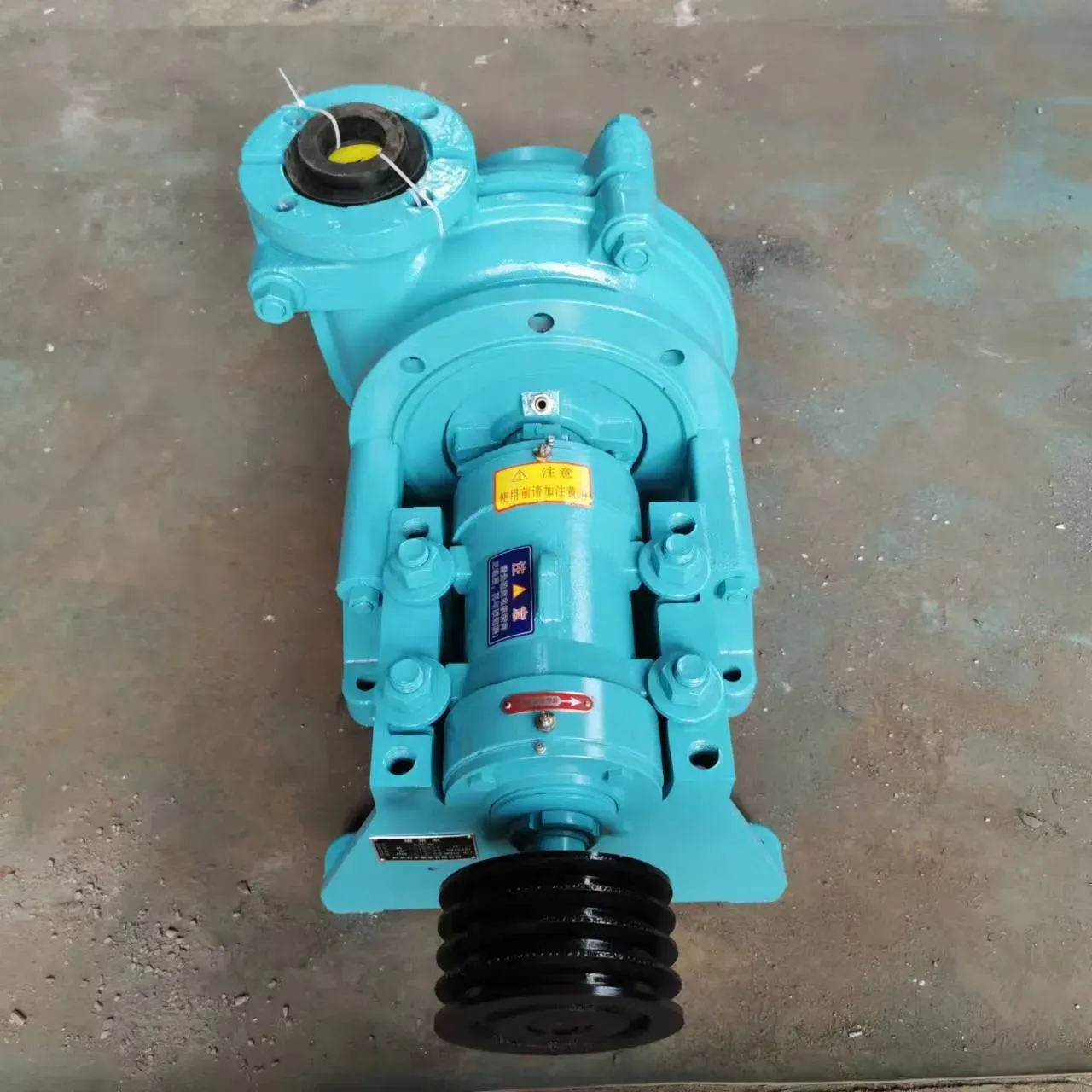
Sump pumps for sewer line applications represent a critical component in wastewater management systems, specifically designed to remove effluent and solids from residential, commercial, and industrial properties. Unlike traditional sump pumps used for dewatering basements, these units are engineered to handle the abrasive nature and higher solids content typical of sewage. Their technical position within the wastewater chain is downstream of septic tanks or municipal sewer connections, functioning as a lift station to convey waste to a higher elevation for gravity flow to treatment facilities or municipal lines. Core performance is defined by flow rate (gallons per minute – GPM), head (vertical lift capability in feet), solids handling capability (diameter of solids passed), and pump power (horsepower – HP). A significant industry pain point lies in pump failure due to solids clogging, corrosion from hydrogen sulfide (H2S) and other aggressive compounds within sewage, and motor burnout resulting from continuous operation in demanding conditions. Efficient and reliable operation is paramount to prevent backups, environmental contamination, and costly repairs.
Material Science & Manufacturing
The construction of sump pumps for sewer line applications necessitates materials capable of withstanding a highly corrosive environment and abrasive wear. Pump housings are commonly manufactured from cast iron (ASTM A48 Class 30), epoxy-coated cast iron (providing enhanced corrosion resistance), or stainless steel (304 or 316 grades for superior chemical resistance, particularly in aggressive wastewater streams). Impellers, responsible for generating flow, are frequently constructed from high-strength engineered polymers like glass-filled polypropylene or stainless steel. Mechanical seals, crucial for preventing leakage, utilize materials like silicon carbide-on-silicon carbide (SiC/SiC) due to their exceptional wear and chemical resistance.
Manufacturing processes begin with casting or molding the pump housing and impeller. Cast iron components undergo surface preparation (sandblasting) before epoxy coating application via electrostatic spraying, followed by thermal curing. Stainless steel components are formed through investment casting or machining. Impeller blades are precisely molded to optimize hydraulic performance. Assembly involves integrating the motor (typically a submersible, oil-filled induction motor), mechanical seal, impeller, and float switch (for automatic operation). Critical parameter control during manufacturing includes dimensional accuracy of impeller blades (to within +/- 0.1mm), coating thickness uniformity (ensuring consistent corrosion protection), and seal concentricity (minimizing leakage). Welding, where applicable, is performed according to AWS D1.1 standards to ensure structural integrity. Final testing includes hydrostatic pressure testing, motor insulation resistance testing, and performance verification against specified flow and head curves.
Performance & Engineering
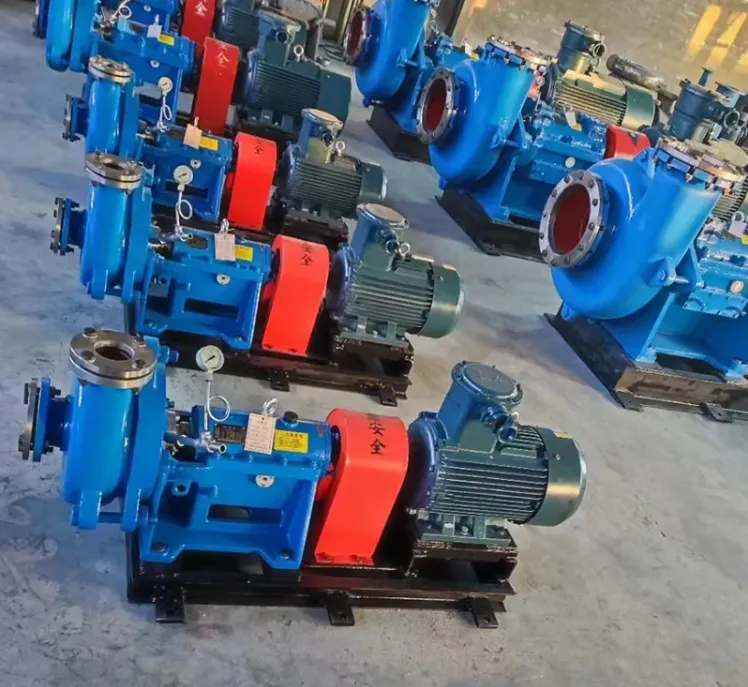
Performance of a sewer line sump pump is critically dependent on hydraulic design and motor efficiency. Force analysis focuses on impeller blade loading, housing stress under pressure, and bearing loads. The impeller geometry is optimized using computational fluid dynamics (CFD) to maximize flow rate and minimize energy consumption. Hydraulic horsepower (HHP) is calculated based on flow rate, head, and pump efficiency. Environmental resistance is a key consideration, with pumps needing to withstand continuous immersion in corrosive wastewater. The pump’s electrical components require robust sealing to prevent water ingress and electrical shorts.
Compliance requirements are stringent, encompassing electrical safety (UL 778, CSA C22.2 No. 108), environmental regulations (EPA guidelines for wastewater discharge), and potentially local plumbing codes. Functional implementation includes automatic operation via float switches, which activate the pump when a predetermined liquid level is reached and deactivate it upon reaching a lower level. Alarm systems are often integrated to alert operators of pump failure or high liquid levels. The pump’s discharge piping must be sized appropriately to minimize friction losses and ensure adequate flow capacity. Proper ventillation of the sump pit is vital to mitigate the build-up of hazardous gases like hydrogen sulfide. Solids handling capability is directly related to impeller design and the size of the pump intake screen. A key engineering challenge is preventing ragging – the accumulation of fibrous materials around the impeller, leading to clogging and reduced performance.
Technical Specifications
| Parameter | Unit | Typical Range | Performance Impact |
|---|---|---|---|
| Flow Rate | GPM (Gallons Per Minute) | 75 - 300 | Determines pumping capacity; insufficient flow leads to backups. |
| Total Head | ft (Feet) | 10 - 50 | Defines vertical lift capability; inadequate head prevents discharge to desired elevation. |
| Solids Handling | in (Inches) | 2 - 3 | Indicates maximum solid size the pump can pass; smaller capacity leads to clogging. |
| Motor Horsepower | HP | 1/2 - 2 | Affects pumping power and efficiency; insufficient HP results in reduced flow and potential burnout. |
| Voltage | V (Volts) | 120/240, 230/460, 575 | Must match the electrical supply; incorrect voltage damages the motor. |
| Material – Housing | - | Cast Iron (Epoxy Coated), Stainless Steel (304/316) | Determines corrosion resistance and lifespan; inadequate material leads to premature failure. |
Failure Mode & Maintenance
Failure modes in sewer line sump pumps are diverse. Fatigue cracking in the pump housing can occur due to cyclical pressure loading, especially in cast iron components. Delamination of epoxy coatings exposes the underlying metal to corrosion. Degradation of the mechanical seal leads to leakage and potential motor damage. Oxidation of electrical connections causes intermittent operation or complete failure. A common failure is impeller blockage by rags, plastics, or other debris (ragging), causing motor overload and eventual burnout. Hydrogen sulfide (H2S) corrosion attacks metal components, particularly in low-flow conditions.
Preventative maintenance is critical. Regular inspection (every 3-6 months) should include checking for leaks, abnormal noises, and excessive vibration. Cleaning the sump pit to remove accumulated solids prevents clogging. Monitoring motor amperage draw identifies potential overload conditions. Lubricating bearings (if applicable) ensures smooth operation. Periodically testing the float switch verifies proper automatic operation. If H2S corrosion is a concern, consider using pumps with corrosion-resistant materials (stainless steel) or implementing a chemical dosing system to neutralize the H2S. When replacing a pump, carefully match the specifications to the application requirements and consider upgrading to a more robust model with enhanced solids handling capabilities. When diagnosing a failure, always disconnect power before attempting any repairs and consult the manufacturer's service manual.
Industry FAQ
Q: What is the optimal material for a sump pump housing in a particularly corrosive sewage environment?
A: For highly corrosive environments, 316 stainless steel is the optimal choice for the pump housing. While more expensive than cast iron or epoxy-coated cast iron, 316 stainless steel offers superior resistance to chloride attack, sulfide corrosion, and general chemical degradation common in sewage. This translates to a significantly extended lifespan and reduced maintenance requirements, justifying the higher initial cost.
Q: How can we mitigate the issue of ragging and prevent impeller blockage?
A: Mitigating ragging involves a multi-faceted approach. First, ensure a properly sized intake screen to prevent large debris from entering the pump. Second, consider a pump with a recessed impeller design, which is less prone to rag accumulation. Third, implementing a pre-screen or grinder upstream of the pump can reduce the size of solids entering the system. Regular inspection and removal of accumulated debris from the sump pit are also essential.
Q: What is the significance of motor insulation resistance testing, and what values indicate a potential problem?
A: Motor insulation resistance testing (using a megohmmeter) measures the resistance of the motor windings to ground. It's a crucial indicator of insulation integrity. A reading below 2 megohms generally indicates potential insulation breakdown and a risk of electrical shorts. Values below 1 megohm require immediate attention and likely motor replacement. Regular testing (e.g., annually) can identify deterioration before it leads to catastrophic failure.
Q: What are the key differences between single-stage and two-stage sump pumps for sewer line applications?
A: Single-stage pumps are more common and generally suitable for lower head applications. They have a single impeller. Two-stage pumps, featuring two impellers in series, are designed for higher head applications – situations where the effluent needs to be lifted to a significantly greater elevation. Two-stage pumps are more efficient at higher heads but are also more complex and expensive.
Q: What is the role of a check valve in a sewer line sump pump system?
A: A check valve is installed in the discharge line to prevent backflow when the pump shuts off. This is crucial to maintain prime within the pump and prevent the wastewater from draining back into the sump pit. Without a check valve, the pump would have to work harder to re-prime on each cycle, leading to increased energy consumption and potential wear.
Conclusion
Sump pumps designed for sewer line applications are vital for reliable wastewater management, requiring robust materials, precise manufacturing processes, and diligent maintenance. Understanding the interplay between hydraulic performance, material science, and potential failure modes is paramount for selecting the optimal pump for a specific application. Addressing the industry pain points of clogging, corrosion, and motor burnout through preventative measures and careful component selection ensures long-term operational efficiency and minimizes costly downtime.
Future developments in this field are likely to focus on improved impeller designs to enhance solids handling, the integration of smart sensors for predictive maintenance (monitoring vibration, temperature, and amperage draw), and the utilization of more advanced corrosion-resistant materials. The trend towards energy efficiency will continue to drive the development of higher-efficiency motors and optimized hydraulic designs. Ultimately, a holistic approach encompassing proper pump selection, regular maintenance, and proactive monitoring will be critical for ensuring the reliable and sustainable operation of sewer line sump pump systems.
-
Precision at the Pump: How Better Machining Protects Flow and Uptime
News2026-11-20
-
Why Pump Reliability Begins Before the First Drop of Fluid
News2026-11-20
-
Beyond the Pump: Designing Safer Access Around Critical Water Infrastructure
News2026-11-20
-
Why Pumping Stations Depend on the Infrastructure Beneath the Pumps
News2026-11-20
-
Beyond the Pump Room: How Smarter Loading Protects Industrial Equipment
News2026-11-19
-
When Pumps Stop: Designing More Resilient Power for Critical Pumping Systems
News2026-11-19
-
The Hidden Role of Dust and Gas Monitoring in Reliable Pump Operations
News2026-11-19
-
The Hidden Role of Mineral Compounds in Extending Industrial Pump Lifespan
News2026-10-12
-
Why Pump System Reliability Depends on Precision Hose Assembly Methods
News2026-09-15
-
How Advanced Imaging Films Are Transforming Pump Component Quality Control
News2026-08-25
-
How Advanced Filtration Protects Pump Systems from Premature Wear and Costly Downtime
News2026-08-25
-
How Steel Material Selection Drives Pump Reliability in Heavy-Duty Systems
News2026-08-25
-
Ensuring Pump System Efficiency: The Role of High-Quality Pipe Fittings and Tubing
News2026-08-24
-
Optimizing Fluid Dynamics and Material Consistency in Industrial Processing
News2026-08-18
-
Innovations and Challenges in Hydraulic Systems for Heavy Machinery
News2026-08-13




