English
- Afrikaans
- Albanian
- Amharic
- Arabic
- Armenian
- Azerbaijani
- Basque
- Belarusian
- Bengali
- Bosnian
- Bulgarian
- Catalan
- Cebuano
- Corsican
- Croatian
- Czech
- Danish
- Dutch
- English
- Esperanto
- Estonian
- Finnish
- French
- Frisian
- Galician
- Georgian
- German
- Greek
- Gujarati
- Haitian Creole
- hausa
- hawaiian
- Hebrew
- Hindi
- Miao
- Hungarian
- Icelandic
- igbo
- Indonesian
- irish
- Italian
- Japanese
- Javanese
- Kannada
- kazakh
- Khmer
- Rwandese
- Korean
- Kurdish
- Kyrgyz
- Lao
- Latin
- Latvian
- Lithuanian
- Luxembourgish
- Macedonian
- Malgashi
- Malay
- Malayalam
- Maltese
- Maori
- Marathi
- Mongolian
- Myanmar
- Nepali
- Norwegian
- Norwegian
- Occitan
- Pashto
- Persian
- Polish
- Portuguese
- Punjabi
- Romanian
- Russian
- Samoan
- Scottish Gaelic
- Serbian
- Sesotho
- Shona
- Sindhi
- Sinhala
- Slovak
- Slovenian
- Somali
- Spanish
- Sundanese
- Swahili
- Swedish
- Tagalog
- Tajik
- Tamil
- Tatar
- Telugu
- Thai
- Turkish
- Turkmen
- Ukrainian
- Urdu
- Uighur
- Uzbek
- Vietnamese
- Welsh
- Bantu
- Yiddish
- Yoruba
- Zulu

Telephone: +86 13120555503
Email: frank@cypump.com


Apr . 01, 2024 17:55 Back to list
sump pump for septic tank Performance Engineering
Introduction
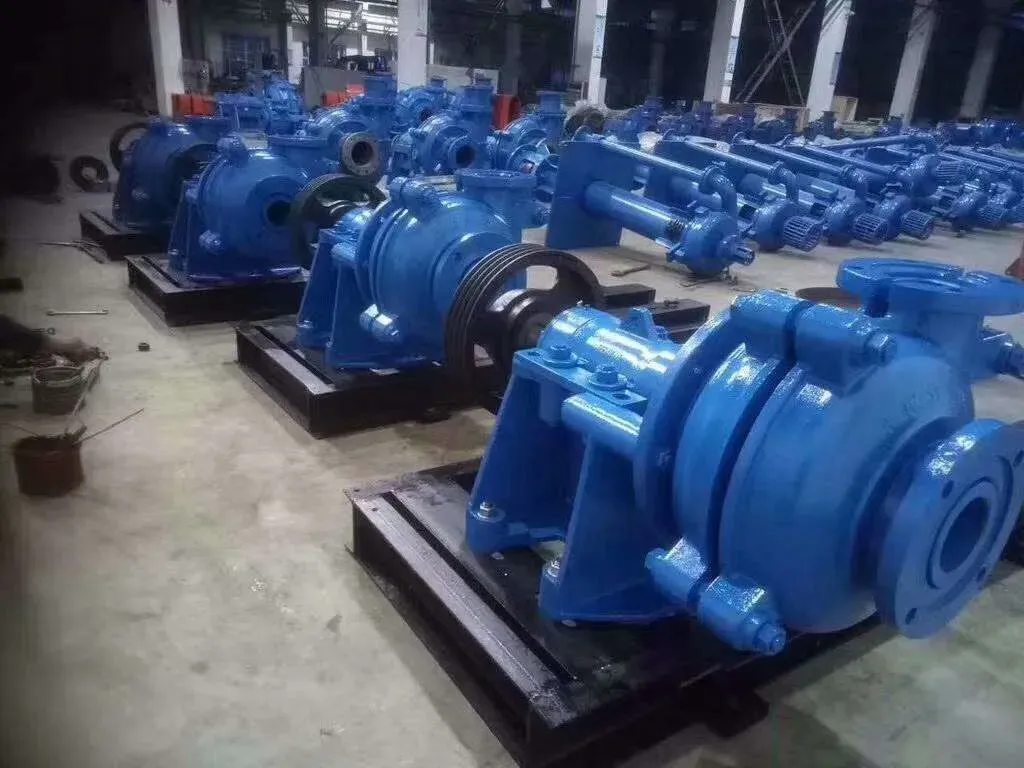
Sump pumps for septic tank systems represent a critical component in wastewater management, specifically designed to handle effluent accumulation within septic tanks and lift stations. Unlike traditional sump pumps utilized for general dewatering, these pumps are engineered to process the unique characteristics of septic waste – containing solids, greases, and potentially corrosive biological byproducts. Their technical position within the wastewater treatment chain is immediately downstream of the septic tank itself, preventing overflow, system backups, and potential environmental contamination. Core performance indicators include flow rate (gallons per minute - GPM), head (vertical lift capacity in feet), solids handling capability (diameter in inches), and pump efficiency (measured as horsepower per GPM). Addressing the prevalent industry pain point of premature pump failure due to abrasive solids and corrosive environments, these pumps incorporate specialized impeller designs, robust materials of construction, and often utilize automatic float switches for reliable operation with minimal human intervention.
Material Science & Manufacturing
The construction of sump pumps for septic tank applications necessitates careful material selection to withstand the aggressive chemical and physical demands. Pump housings are typically manufactured from high-density polyethylene (HDPE), polypropylene (PP), or cast iron with epoxy coating. HDPE and PP provide excellent resistance to hydrogen sulfide (H2S) and other corrosive gases generated in septic tanks. Cast iron, when properly coated, offers superior structural integrity for higher-horsepower applications. Impellers are commonly constructed from engineered thermoplastics, such as Vortex® polymeric material, or stainless steel (304 or 316 grade) due to their resistance to abrasion and corrosion. Shafts are generally made from 4140 alloy steel, heat treated for high tensile strength and wear resistance. Manufacturing processes involve rotational molding for HDPE/PP housings, investment casting for stainless steel impellers, and machining for precision component fabrication. Key parameter control includes ensuring proper wall thickness in molded parts to prevent cracking, achieving dimensional accuracy in machined components to minimize friction and wear, and maintaining consistent epoxy coating thickness for corrosion protection. Welding processes, particularly for cast iron housings, must adhere to AWS D1.1 standards to guarantee structural weld integrity. Additionally, the float switches utilized for automatic operation are often hermetically sealed to prevent moisture ingress and ensure reliable functionality.
Performance & Engineering
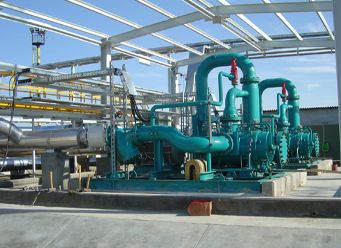
Performance engineering for septic tank sump pumps centers around hydraulic design, motor selection, and system integration. Hydraulic design focuses on maximizing flow rate while minimizing clogging. Impeller geometry – typically incorporating a non-clog design with a recessed or vortex style – is crucial. Force analysis considers both static and dynamic loads, including the weight of the pump, the fluid being pumped, and the potential for impact from solids. Environmental resistance is paramount, with pumps needing to operate reliably in submerged, potentially corrosive atmospheres. This requires careful sealing of motor components (typically utilizing a Class H insulation system) and the selection of corrosion-resistant materials for all wetted parts. Compliance requirements include adherence to UL 778 (Submersible Sump and Sewage Pumps) and NSF/ANSI 42 (Private Sewage Disposal Systems) standards. Functional implementation involves selecting a motor horsepower appropriate for the anticipated flow rate and head requirements. The pump’s power curve (flow rate vs. head) must be matched to the system’s characteristics to ensure optimal efficiency. Proper piping configuration, including the use of check valves to prevent backflow, is also critical. Furthermore, consideration must be given to thermal management to prevent motor overheating, particularly in continuous duty applications. Vibration analysis is conducted during testing to identify and mitigate potential resonance issues that could lead to premature failure.
Technical Specifications
| Parameter | Unit | Typical Range (Residential) | Typical Range (Commercial) |
|---|---|---|---|
| Flow Rate | GPM (Gallons Per Minute) | 40-70 | 100-200+ |
| Total Dynamic Head | Feet | 10-20 | 30-50+ |
| Solids Handling | Inches | Up to 2 | Up to 3 |
| Horsepower (HP) | HP | 1/3 - 1 | 1 - 5+ |
| Voltage | Volts | 120V or 240V | 240V or 480V |
| Discharge Size | Inches | 1.25” or 1.5” | 2” or 3” |
Failure Mode & Maintenance
Failure modes in septic tank sump pumps are multifaceted, stemming from the harsh operating environment. Fatigue cracking in the impeller, particularly at the vane roots, is common due to continuous impact from solids. Delamination of epoxy coatings on cast iron housings occurs when exposed to prolonged chemical attack from H2S and other corrosive gases. Degradation of rubber components (seals, gaskets) leads to leaks and loss of prime. Oxidation of metallic parts, especially in the presence of chlorides, results in corrosion and reduced component strength. Clogging from fibrous materials (feminine hygiene products, wipes) is a frequent issue, causing the pump to overheat and potentially burn out. Maintenance solutions include regular inspection of the pump and discharge line for obstructions. Periodic cleaning of the septic tank to minimize solids buildup. Lubrication of motor bearings (if applicable) per manufacturer’s recommendations. Replacement of worn or damaged components (impeller, seals, float switch) as needed. Application of a corrosion inhibitor to cast iron housings (if the epoxy coating is compromised). Consideration of a pump with a built-in alarm system to alert homeowners to potential problems. Implementing a preventative maintenance schedule, including periodic testing of the float switch and monitoring of pump amperage, can significantly extend the pump’s lifespan.
Industry FAQ
Q: What is the typical lifespan of a septic tank sump pump, and what factors influence it?
A: A typical lifespan is 5-10 years, but this varies significantly. Factors include the frequency of use, the solids content of the wastewater, the pump’s build quality, and the effectiveness of preventative maintenance. Pumps operating in systems with high solids loading or subjected to frequent start/stop cycles will likely have a shorter lifespan.
Q: How do I determine the correct horsepower for my septic tank sump pump?
A: Horsepower depends on the total dynamic head (vertical lift plus friction losses in the piping) and the desired flow rate. Consult a pump performance curve to select a pump that can deliver the required flow at the specified head. Over-sizing the pump can lead to inefficiency and increased wear, while under-sizing will result in inadequate discharge.
Q: What is the best material for a septic tank sump pump impeller, and why?
A: Stainless steel (316 grade) and Vortex® polymeric materials are considered best. Stainless steel offers superior durability and abrasion resistance, while Vortex® polymers are lightweight, non-metallic, and highly resistant to corrosion and chemical attack. The choice depends on the application and budget.
Q: How often should I inspect my septic tank sump pump?
A: At least annually, and ideally twice a year. Inspect for leaks, corrosion, unusual noises, and proper float switch operation. Also, check the discharge line for obstructions. A visual inspection can identify potential problems before they lead to complete pump failure.
Q: What are the benefits of using a pump with an automatic float switch versus a pressure switch?
A: Automatic float switches are generally preferred for septic tank applications. They are less prone to clogging and provide a more reliable on/off control based on liquid level. Pressure switches can be affected by solids buildup and may cycle the pump unnecessarily, reducing its lifespan.
Conclusion
Sump pumps specifically designed for septic tank systems represent a sophisticated engineering solution to a challenging wastewater management problem. The selection and maintenance of these pumps require a comprehensive understanding of material science, hydraulic principles, and potential failure modes. Proper material selection, coupled with robust manufacturing processes, is critical for ensuring long-term reliability in the corrosive and abrasive environment of a septic tank.
Effective preventative maintenance, including regular inspections and prompt replacement of worn components, is paramount to maximizing pump lifespan and preventing costly system failures. By adhering to industry standards and carefully considering application-specific requirements, operators can ensure efficient and environmentally responsible wastewater treatment.
-
Comprehensive Guide to Waterproof ORings for Optimal Sealing Solutions
News2026-06-09
-
septic system sump pump Performance Analysis
News2026-06-26
-
septic pump company Performance Analysis
News2026-06-26
-
pumps water treatment Performance Analysis
News2026-06-26
-
pumps for septic tanks Material Science and Manufacturing
News2026-06-26
-
pump for septic system Material Science Manufacturing
News2026-06-26
-
heavy duty submersible pump Performance Analysis
News2026-06-25
-
best submersible pump for septic tank Performance Analysis
News2026-06-25
-
basement sewer ejector pump Performance Analysis
News2026-06-25
-
basement pumps ejector pumps Performance Analysis
News2026-06-25
-
basement lift pump Performance and Engineering
News2026-06-25
-
basement bathroom pump systems Performance Analysis
News2026-06-24
-
basement bathroom ejector pump system Performance Engineering
News2026-06-24
-
2 hp sewage pump Performance Engineering
News2026-06-24
-
1 hp septic pump Performance Engineering
News2026-06-24




