English
- Afrikaans
- Albanian
- Amharic
- Arabic
- Armenian
- Azerbaijani
- Basque
- Belarusian
- Bengali
- Bosnian
- Bulgarian
- Catalan
- Cebuano
- Corsican
- Croatian
- Czech
- Danish
- Dutch
- English
- Esperanto
- Estonian
- Finnish
- French
- Frisian
- Galician
- Georgian
- German
- Greek
- Gujarati
- Haitian Creole
- hausa
- hawaiian
- Hebrew
- Hindi
- Miao
- Hungarian
- Icelandic
- igbo
- Indonesian
- irish
- Italian
- Japanese
- Javanese
- Kannada
- kazakh
- Khmer
- Rwandese
- Korean
- Kurdish
- Kyrgyz
- Lao
- Latin
- Latvian
- Lithuanian
- Luxembourgish
- Macedonian
- Malgashi
- Malay
- Malayalam
- Maltese
- Maori
- Marathi
- Mongolian
- Myanmar
- Nepali
- Norwegian
- Norwegian
- Occitan
- Pashto
- Persian
- Polish
- Portuguese
- Punjabi
- Romanian
- Russian
- Samoan
- Scottish Gaelic
- Serbian
- Sesotho
- Shona
- Sindhi
- Sinhala
- Slovak
- Slovenian
- Somali
- Spanish
- Sundanese
- Swahili
- Swedish
- Tagalog
- Tajik
- Tamil
- Tatar
- Telugu
- Thai
- Turkish
- Turkmen
- Ukrainian
- Urdu
- Uighur
- Uzbek
- Vietnamese
- Welsh
- Bantu
- Yiddish
- Yoruba
- Zulu

Telephone: +86 13120555503
Email: frank@cypump.com


Apr . 01, 2024 17:55 Back to list
sump pump for septic systems Material Science Manufacturing
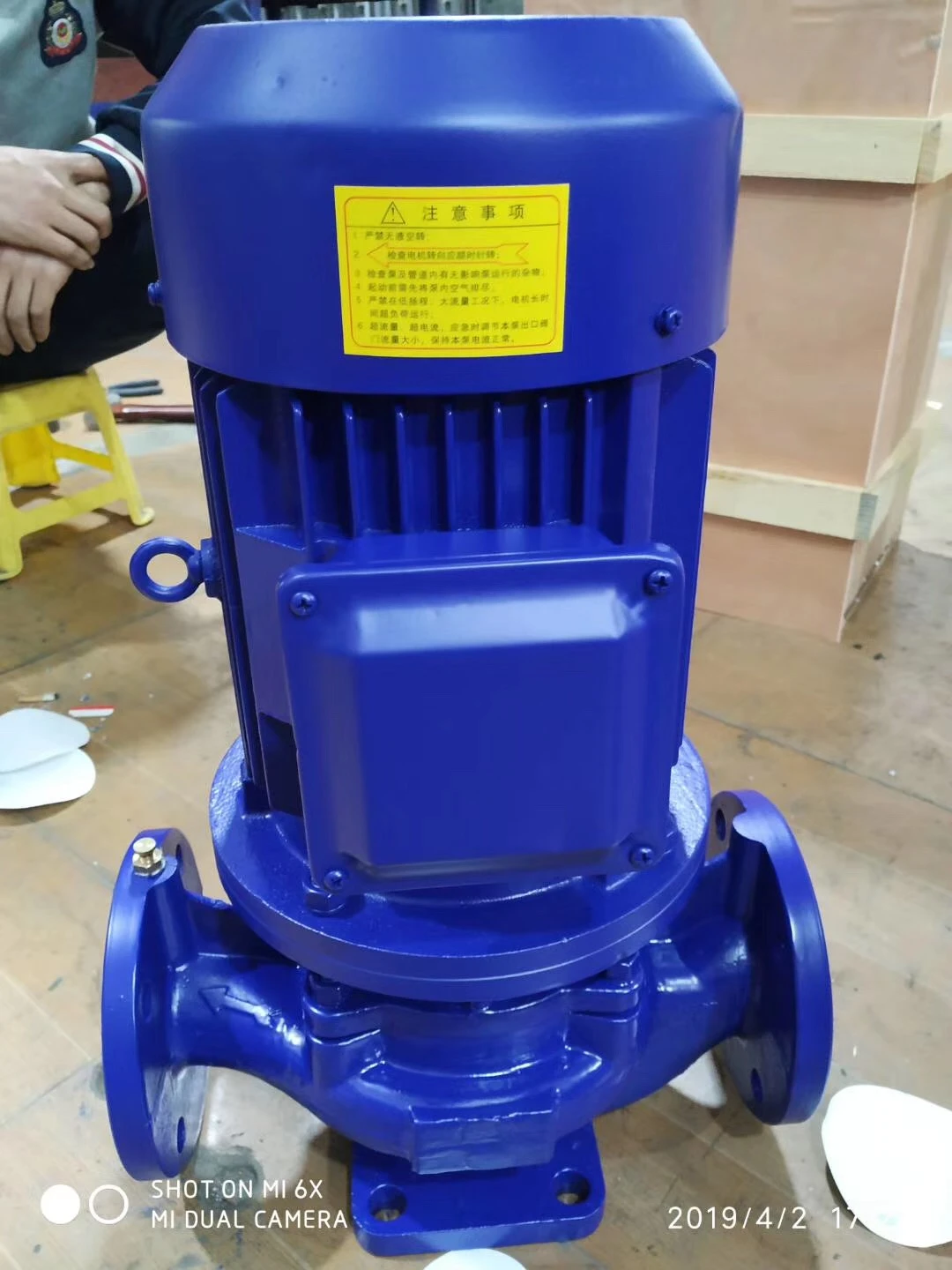
Introduction
Sump pumps for septic systems are specialized wastewater removal devices designed to handle effluent from septic tanks, preventing backups and system failures. Unlike traditional sump pumps used for dewatering basements, these units are engineered to process a higher solids content and resist corrosion from the aggressive chemical environment associated with septic waste. Their technical position within the wastewater treatment chain is critical – acting as the final stage in removing liquids when gravity-based drainage is insufficient, often due to high water tables, sloping terrain, or pump station requirements. Core performance characteristics are defined by flow rate (gallons per minute – GPM), head pressure (vertical lift in feet), solids handling capability (size and concentration), and electrical power requirements. A failure in this system component can lead to sewage backups, environmental contamination, and costly repairs, making reliability and proper selection paramount. The increasing demand for on-site wastewater treatment solutions and stringent environmental regulations drive the need for robust and efficient sump pumps tailored for septic applications.
Material Science & Manufacturing
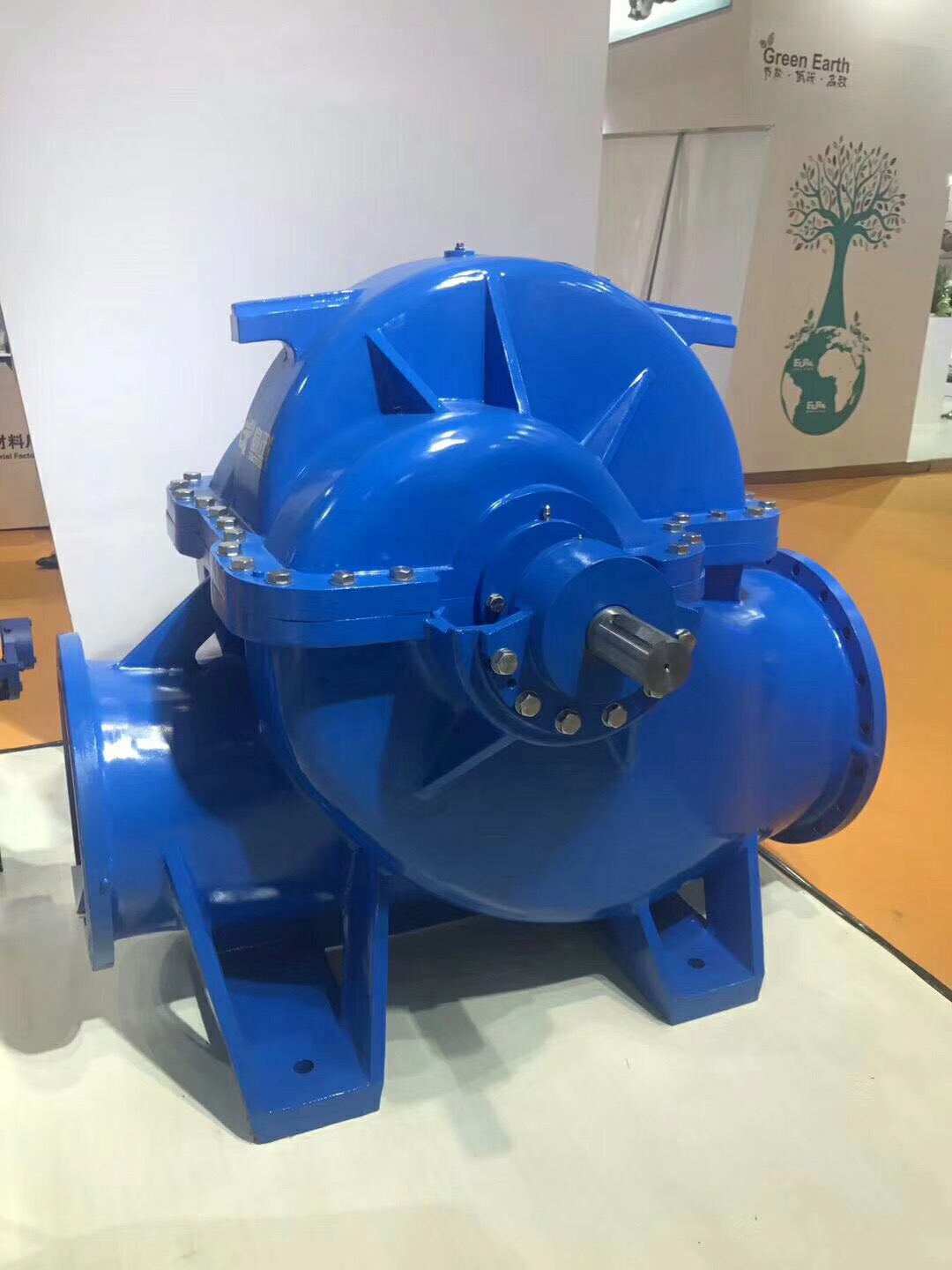
The construction of sump pumps for septic systems necessitates materials capable of withstanding constant exposure to corrosive substances and abrasive solids. Pump housings are frequently constructed from cast iron (ASTM A48 Class 30) with epoxy or polyurethane coatings to enhance chemical resistance. Impeller materials are commonly engineered polymers like polypropylene (PP) or glass-reinforced polypropylene, selected for their hydrolytic stability and resistance to degradation from hydrogen sulfide (H₂S) and other compounds prevalent in septic effluent. Shafts are typically manufactured from stainless steel (304 or 316 grade) to prevent corrosion. Seals are critical; Viton (fluoroelastomer) is often used due to its superior resistance to oils, chemicals, and temperature extremes. Manufacturing processes involve several key steps: casting for the housing, injection molding for polymer components, machining for precise tolerances, and welding for certain assemblies. Parameter control during casting, particularly cooling rates, is crucial to minimize stress concentrations and ensure structural integrity. Injection molding requires precise control of temperature, pressure, and mold design to produce impellers with the correct hydrodynamic profile. Welding parameters must be carefully calibrated to avoid porosity and ensure a strong, leak-proof bond. Quality control measures include hydrostatic testing to verify housing integrity, dimensional inspections to ensure component fit, and material certification to confirm compliance with specifications.
Performance & Engineering
Performance analysis of sump pumps for septic systems centers around hydraulic efficiency, solids handling capacity, and electrical load characteristics. Force analysis involves evaluating the radial and axial loads imposed on the impeller and shaft during operation, considering factors like fluid density, flow velocity, and solids concentration. Environmental resistance is critical; pumps must withstand immersion in corrosive wastewater, temperature fluctuations, and potential freezing conditions. Compliance requirements are stringent, often dictated by local and national environmental regulations (e.g., EPA guidelines in the United States). Functional implementation demands careful consideration of pump curve characteristics – the relationship between flow rate and head pressure. Proper pump sizing ensures adequate flow against the total dynamic head (TDH), which includes static lift, friction losses in the piping, and pressure at the discharge point. Electrical considerations include motor type (typically single-phase induction motors), horsepower rating, and overload protection. A key engineering challenge is preventing clogging; impeller design, solids handling capability, and the inclusion of features like vortex impellers or shredders are crucial. Pump control systems often incorporate float switches or pressure sensors to automatically activate the pump when effluent levels reach a predetermined threshold, preventing overflows and ensuring continuous operation.
Technical Specifications
| Parameter | Typical Range | Units | Testing Standard |
|---|---|---|---|
| Flow Rate | 40-150 | GPM (Gallons Per Minute) | ANSI/HI 1.6 |
| Head Pressure | 10-50 | Feet | ANSI/HI 1.6 |
| Solids Handling | Up to 2 | Inches | Manufacturer's Specification |
| Motor Horsepower | 1/2 - 1 | HP (Horsepower) | NEMA MG 1 |
| Voltage | 115/230 | VAC (Volts AC) | UL 508A |
| Impeller Material | Polypropylene/Glass-Filled PP | - | ASTM D638 |
Failure Mode & Maintenance
Common failure modes in sump pumps for septic systems include impeller clogging, seal failure, motor burnout, and corrosion-induced component degradation. Impeller clogging is often caused by non-biodegradable materials or excessive solids buildup, leading to reduced flow and increased motor load. Seal failure results in leakage and potential motor damage, typically stemming from abrasive wear or chemical attack. Motor burnout occurs due to overheating, often linked to overloading, low voltage, or inadequate cooling. Corrosion, particularly of metallic components, weakens structural integrity and can lead to catastrophic failure. Failure analysis should involve visual inspection for wear and corrosion, electrical testing to assess motor condition, and hydraulic testing to evaluate pump performance. Preventative maintenance is crucial. This includes regular cleaning of the pump intake and impeller, inspection of seals for wear, lubrication of motor bearings (if applicable), and voltage checks to ensure proper operation. Routine inspection of discharge piping for blockages is also essential. Scheduled replacement of wear components, such as seals and impellers, based on manufacturer recommendations, extends pump life and minimizes the risk of unexpected failures. Regular monitoring of pump run cycles and amperage draw can indicate developing problems before they escalate.
Industry FAQ
Q: What is the optimal impeller type for a septic system sump pump dealing with high solids content?
A: For high solids content, a vortex impeller is generally preferred. Unlike radial impellers, vortex impellers allow solids to pass through the pump housing without direct contact with the impeller blades, minimizing clogging and reducing wear. While radial impellers offer higher efficiency with clear liquids, their susceptibility to clogging makes them less suitable for septic applications.
Q: What level of corrosion resistance is necessary for a septic sump pump, and what materials provide it?
A: Septic effluent is highly corrosive due to the presence of hydrogen sulfide and other decomposition products. Pumps require robust corrosion resistance. Cast iron with epoxy or polyurethane coatings, stainless steel (304 or 316 grade) for shafts, and Viton seals are common choices. Material selection should be based on the specific chemical composition of the effluent in the region.
Q: How does the total dynamic head (TDH) impact pump selection and performance?
A: TDH is the total resistance the pump must overcome to move liquid. It includes static lift (vertical distance), friction losses in the piping, and discharge pressure. Incorrectly calculating TDH leads to undersized pumps that cannot deliver sufficient flow or oversized pumps that operate inefficiently. Accurate TDH calculation is critical for proper pump selection and optimal performance.
Q: What are the common electrical protection measures required for septic sump pumps?
A: Essential electrical protection includes overload protection (thermal overload relays), short-circuit protection (fuses or circuit breakers), and grounding. Pumps should be connected to a dedicated circuit to prevent interference from other appliances. Proper grounding minimizes the risk of electrical shock. Compliance with local electrical codes is paramount.
Q: What is the recommended maintenance schedule for a septic sump pump to maximize its lifespan?
A: A recommended schedule includes monthly visual inspections for leaks and unusual noises, quarterly cleaning of the pump intake screen, and annual inspection and replacement of seals and impellers as needed. Regularly monitoring pump run cycles and amperage draw can also indicate potential issues early on.
Conclusion
Sump pumps designed for septic systems represent a vital component in reliable wastewater management. Their effective operation hinges on a confluence of factors, including material science considerations that prioritize corrosion resistance and solids handling, meticulous manufacturing processes to ensure structural integrity, and a deep understanding of hydraulic and electrical engineering principles. Proper pump selection, based on accurate assessment of total dynamic head and effluent characteristics, is paramount.
Ongoing preventative maintenance, coupled with a thorough understanding of potential failure modes, is essential to maximizing pump lifespan and minimizing costly system downtime. As environmental regulations surrounding on-site wastewater treatment become increasingly stringent, the demand for high-performance, durable, and environmentally responsible septic sump pumps will continue to grow, necessitating continuous innovation in materials, design, and control systems.
-
sump pump for septic systems Material Science Manufacturing
News2026-05-20
-
sump pump and ejector pump Material Science Manufacturing
News2026-05-20
-
sewage treatment plant pumps Performance Analysis
News2026-05-20
-
sewage tank pump Material Science and Manufacturing
News2026-05-20
-
sewage pump for septic tank Performance Analysis
News2026-05-20
-
Sewage Pump and Tank Performance Analysis
News2026-05-19
-
Sewage Ejector Pump Replacement Performance Analysis
News2026-05-19
-
sewage ejector pump for basement bathroom Material Science Manufacturing
News2026-05-19
-
sewage ejection pump Material Science and Manufacturing
News2026-05-19
-
in line sewage pump Performance Analysis
News2026-05-19
-
effluent sump pump Performance Analysis
News2026-05-18
-
best grinder pump for sewage Performance Engineering
News2026-05-18
-
basement waste water pump Performance Engineering
News2026-05-18
-
sump pump sewer Performance Analysis
News2026-05-18
-
sump pump for sewer Performance Analysis
News2026-05-18




