English
- Afrikaans
- Albanian
- Amharic
- Arabic
- Armenian
- Azerbaijani
- Basque
- Belarusian
- Bengali
- Bosnian
- Bulgarian
- Catalan
- Cebuano
- Corsican
- Croatian
- Czech
- Danish
- Dutch
- English
- Esperanto
- Estonian
- Finnish
- French
- Frisian
- Galician
- Georgian
- German
- Greek
- Gujarati
- Haitian Creole
- hausa
- hawaiian
- Hebrew
- Hindi
- Miao
- Hungarian
- Icelandic
- igbo
- Indonesian
- irish
- Italian
- Japanese
- Javanese
- Kannada
- kazakh
- Khmer
- Rwandese
- Korean
- Kurdish
- Kyrgyz
- Lao
- Latin
- Latvian
- Lithuanian
- Luxembourgish
- Macedonian
- Malgashi
- Malay
- Malayalam
- Maltese
- Maori
- Marathi
- Mongolian
- Myanmar
- Nepali
- Norwegian
- Norwegian
- Occitan
- Pashto
- Persian
- Polish
- Portuguese
- Punjabi
- Romanian
- Russian
- Samoan
- Scottish Gaelic
- Serbian
- Sesotho
- Shona
- Sindhi
- Sinhala
- Slovak
- Slovenian
- Somali
- Spanish
- Sundanese
- Swahili
- Swedish
- Tagalog
- Tajik
- Tamil
- Tatar
- Telugu
- Thai
- Turkish
- Turkmen
- Ukrainian
- Urdu
- Uighur
- Uzbek
- Vietnamese
- Welsh
- Bantu
- Yiddish
- Yoruba
- Zulu

Telephone: +86 13120555503
Email: frank@cypump.com


Apr . 01, 2024 17:55 Back to list
sump pump ejector pump Performance Analysis
Introduction
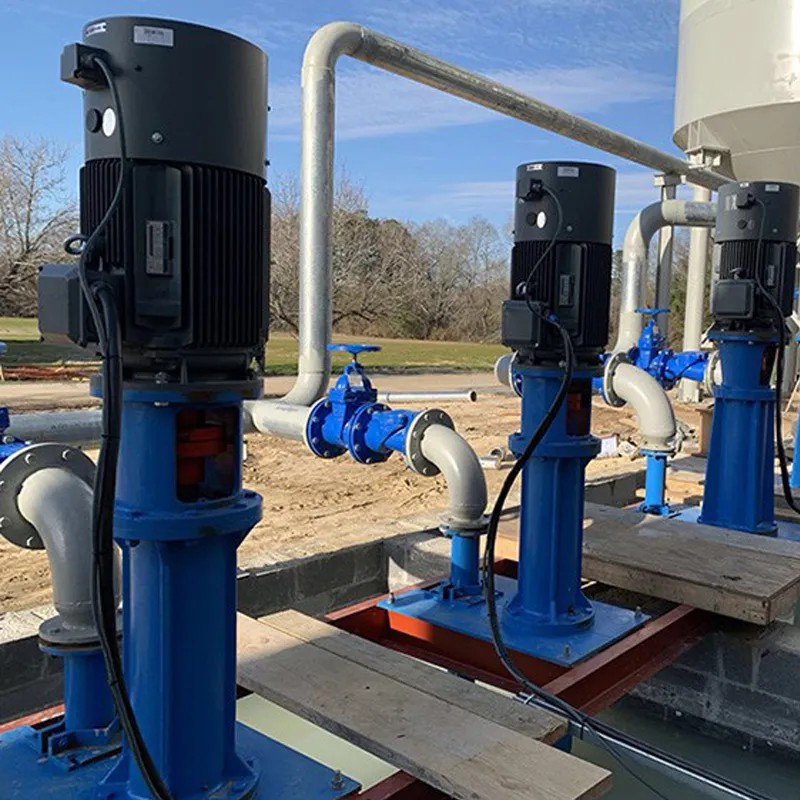
Sump pump ejector pumps are critical components in wastewater management systems, specifically designed to handle sewage and effluent from sources located below the main sewer line. These pumps utilize a combination of impeller action and an ejector system to lift and discharge wastewater, preventing backups and potential sanitary issues. Positioned within the broader industry chain as a key element in residential, commercial, and municipal wastewater infrastructure, their efficacy directly impacts public health and environmental safety. Core performance characteristics revolve around flow rate (gallons per minute - GPM), head pressure (feet), solids handling capability (diameter and concentration), motor horsepower, and electrical efficiency. The increasing demand for reliable wastewater solutions, coupled with tightening environmental regulations, underscores the continued importance of high-performance sump pump ejector pump technology. A common industry pain point revolves around pump failures due to solids buildup, impeller wear, and corrosion, necessitating robust designs and preventative maintenance strategies.
Material Science & Manufacturing
The construction of a sump pump ejector pump relies on several key materials, each selected for specific properties. Pump housings are commonly cast from gray iron (ASTM A48 Class 30) due to its high tensile strength, wear resistance, and cost-effectiveness. Impellers are frequently constructed from stainless steel (304 or 316 – ASTM A581) or high-strength engineered polymers like glass-filled polypropylene. Stainless steel provides superior corrosion resistance, crucial for handling corrosive wastewater components, while polymers offer weight reduction and resistance to certain chemical attacks. Shafts utilize 4140 alloy steel (ASTM A105) heat-treated for high torsional strength and resistance to fatigue. Seals are typically composed of materials like Viton or EPDM rubber, selected for their chemical compatibility with wastewater and ability to maintain a watertight seal. Manufacturing processes include sand casting for housings, investment casting or machining for impellers and shafts, and injection molding for polymer components. Critical parameters during manufacturing include dimensional accuracy of impeller vanes (to ensure optimal hydraulic efficiency), surface finish of internal components (to minimize friction and prevent solids buildup), and precise alignment of the shaft and impeller (to prevent premature bearing failure). Welding processes, if applicable, must adhere to AWS D1.1 standards to ensure structural integrity. Quality control includes non-destructive testing (NDT) such as radiography and ultrasonic inspection to identify internal flaws.
Performance & Engineering
Performance analysis of sump pump ejector pumps centers around hydraulic design and motor characteristics. Force analysis involves evaluating the radial and axial loads on the impeller and shaft, considering the density and velocity of the wastewater being pumped. Cavitation is a primary concern; insufficient Net Positive Suction Head Available (NPSHa) can lead to vapor bubble formation and impeller damage. The ejector system utilizes the Venturi effect to create a vacuum, drawing wastewater into the pump. Engineering considerations include optimizing the ejector nozzle geometry and the impeller blade angle for maximum flow rate and head pressure. Environmental resistance is crucial; pumps must withstand continuous immersion in corrosive wastewater, temperature fluctuations, and potential exposure to harsh chemicals. Compliance requirements include adherence to National Electrical Manufacturers Association (NEMA) standards for motor performance (NEMA MG 1) and Underwriters Laboratories (UL) listing for safety (UL 778). Proper pump sizing is essential; under-sizing leads to frequent cycling and premature wear, while over-sizing increases energy consumption. The pump curve (head vs. flow rate) is a critical engineering tool used to select the appropriate pump for a specific application. Pump selection must also account for the specific gravity of the wastewater, as this affects the pump's hydraulic performance.
Technical Specifications
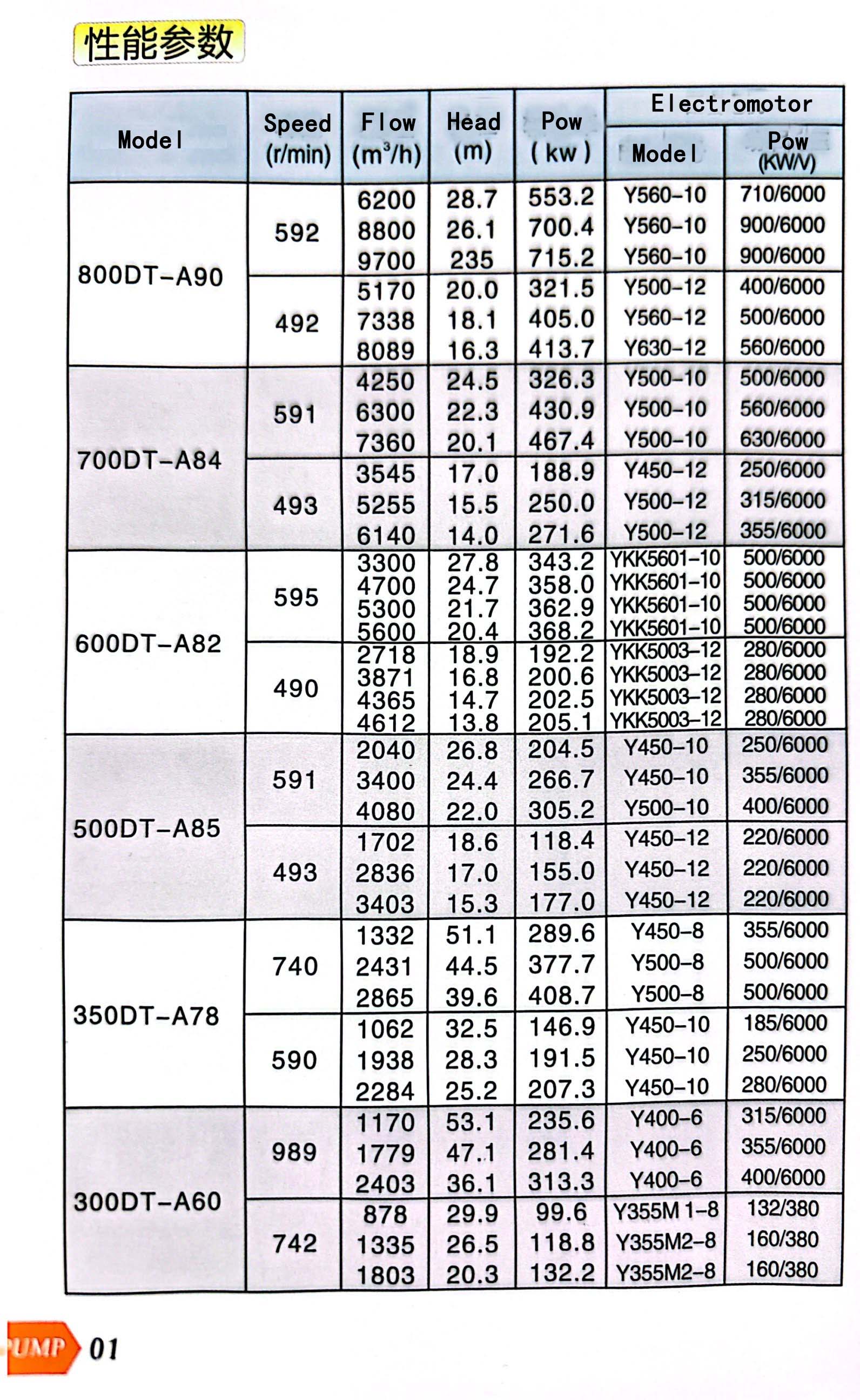
| Horsepower (HP) | Flow Rate (GPM) | Maximum Head (ft) | Solids Handling (in) |
|---|---|---|---|
| 1/2 HP | 40-60 | 20-30 | 2 |
| 3/4 HP | 60-80 | 30-40 | 2.5 |
| 1 HP | 80-100 | 40-50 | 3 |
| 1.5 HP | 100-120 | 50-60 | 3.5 |
| 2 HP | 120-150 | 60-70 | 4 |
| 3 HP | 150-200 | 70-80 | 4.5 |
Failure Mode & Maintenance
Sump pump ejector pump failures are typically attributed to several key modes. Fatigue cracking of the impeller, often initiated by cavitation erosion, is a common issue. Delamination of the pump housing, particularly in cast iron components, can occur due to internal stresses and corrosion. Bearing failure, resulting from insufficient lubrication or misalignment, leads to increased vibration and eventual pump seizure. Seal failure, caused by abrasive particles or chemical degradation, results in leakage and reduced pumping efficiency. Clogging of the impeller or ejector system by solids (rags, debris, etc.) is a frequent occurrence, especially in applications with inadequate pre-filtration. Oxidation and corrosion of metallic components, particularly in aggressive wastewater environments, reduce structural integrity. Preventative maintenance is crucial. Regular inspection of the impeller for wear and damage is recommended. Periodic lubrication of bearings, according to manufacturer specifications, extends their service life. Cleaning of the pump intake and ejector system prevents clogging. Checking for leaks and replacing worn seals minimizes energy loss. Annual electrical inspection verifies proper grounding and wiring connections. Consider implementing a scheduled pump rotation program in systems with multiple pumps to distribute wear and extend overall system lifespan. Failure analysis should include metallurgical examination of failed components to identify root causes and prevent recurrence.
Industry FAQ
Q: What is the impact of wastewater temperature on pump performance and material selection?
A: Elevated wastewater temperatures can reduce the viscosity of the fluid, potentially increasing flow rates but also accelerating corrosion rates, especially for certain metals. Material selection must consider the operating temperature range and the potential for thermal stress. Higher temperatures may necessitate the use of more corrosion-resistant alloys or engineered polymers.
Q: How does the specific gravity of the wastewater affect the pump’s head requirements?
A: Higher specific gravity wastewater (e.g., due to high solids content) increases the density of the fluid, requiring the pump to generate higher head pressure to overcome the increased weight. Pump selection must account for the anticipated specific gravity range to ensure adequate pumping performance.
Q: What are the best practices for preventing solids buildup and clogging?
A: Implementing a robust screening system upstream of the pump is critical. Regular inspection and cleaning of the pump intake and ejector system are also essential. Consider using a pump with a recessed impeller design, which is less susceptible to clogging. Avoid introducing excessive solids into the wastewater stream.
Q: What is the expected lifespan of a typical sump pump ejector pump motor?
A: The expected lifespan of a motor typically ranges from 5 to 10 years, depending on operating conditions, maintenance practices, and motor quality. Factors such as duty cycle (number of starts/stops per hour), load variations, and ambient temperature can significantly affect motor lifespan.
Q: How important is the Net Positive Suction Head Available (NPSHa) when selecting a pump?
A: NPSHa is critically important. Insufficient NPSHa can lead to cavitation, which damages the impeller and reduces pump efficiency. The NPSHa must always be greater than the Net Positive Suction Head Required (NPSHr) specified by the pump manufacturer. Accurate calculation of NPSHa is essential for ensuring reliable pump operation.
Conclusion
Sump pump ejector pumps represent a vital component in modern wastewater infrastructure, demanding careful consideration of material science, hydraulic engineering, and operational best practices. Proper selection, installation, and maintenance are paramount to ensuring long-term reliability and preventing costly failures. The continued evolution of pump technology focuses on enhancing energy efficiency, improving solids handling capabilities, and increasing resistance to corrosive environments.
Future developments are expected to center on smart pump technologies incorporating remote monitoring, predictive maintenance algorithms, and automated control systems. These advancements will enable proactive identification of potential issues, optimization of pump performance, and reduction of overall lifecycle costs. Furthermore, advancements in materials science will likely lead to the development of more durable and corrosion-resistant pump components, further extending service life and minimizing environmental impact.
-
sump pump for septic systems Material Science Manufacturing
News2026-05-20
-
sump pump and ejector pump Material Science Manufacturing
News2026-05-20
-
sewage treatment plant pumps Performance Analysis
News2026-05-20
-
sewage tank pump Material Science and Manufacturing
News2026-05-20
-
sewage pump for septic tank Performance Analysis
News2026-05-20
-
Sewage Pump and Tank Performance Analysis
News2026-05-19
-
Sewage Ejector Pump Replacement Performance Analysis
News2026-05-19
-
sewage ejector pump for basement bathroom Material Science Manufacturing
News2026-05-19
-
sewage ejection pump Material Science and Manufacturing
News2026-05-19
-
in line sewage pump Performance Analysis
News2026-05-19
-
effluent sump pump Performance Analysis
News2026-05-18
-
best grinder pump for sewage Performance Engineering
News2026-05-18
-
basement waste water pump Performance Engineering
News2026-05-18
-
sump pump sewer Performance Analysis
News2026-05-18
-
sump pump for sewer Performance Analysis
News2026-05-18




