English
- Afrikaans
- Albanian
- Amharic
- Arabic
- Armenian
- Azerbaijani
- Basque
- Belarusian
- Bengali
- Bosnian
- Bulgarian
- Catalan
- Cebuano
- Corsican
- Croatian
- Czech
- Danish
- Dutch
- English
- Esperanto
- Estonian
- Finnish
- French
- Frisian
- Galician
- Georgian
- German
- Greek
- Gujarati
- Haitian Creole
- hausa
- hawaiian
- Hebrew
- Hindi
- Miao
- Hungarian
- Icelandic
- igbo
- Indonesian
- irish
- Italian
- Japanese
- Javanese
- Kannada
- kazakh
- Khmer
- Rwandese
- Korean
- Kurdish
- Kyrgyz
- Lao
- Latin
- Latvian
- Lithuanian
- Luxembourgish
- Macedonian
- Malgashi
- Malay
- Malayalam
- Maltese
- Maori
- Marathi
- Mongolian
- Myanmar
- Nepali
- Norwegian
- Norwegian
- Occitan
- Pashto
- Persian
- Polish
- Portuguese
- Punjabi
- Romanian
- Russian
- Samoan
- Scottish Gaelic
- Serbian
- Sesotho
- Shona
- Sindhi
- Sinhala
- Slovak
- Slovenian
- Somali
- Spanish
- Sundanese
- Swahili
- Swedish
- Tagalog
- Tajik
- Tamil
- Tatar
- Telugu
- Thai
- Turkish
- Turkmen
- Ukrainian
- Urdu
- Uighur
- Uzbek
- Vietnamese
- Welsh
- Bantu
- Yiddish
- Yoruba
- Zulu

Telephone: +86 13120555503
Email: frank@cypump.com


Apr . 01, 2024 17:55 Back to list
sump pump and ejector pump Material Science Manufacturing
Introduction
Sump pumps and ejector pumps are critical components in residential, commercial, and industrial water management systems. While both serve the function of water removal, they address distinct challenges and operate under different principles. Sump pumps are designed to remove accumulating water, typically groundwater, from a sump pit – a hole dug below the basement floor. They prevent flooding by actively discharging water away from the building foundation. Ejector pumps, conversely, are designed to lift wastewater from areas below the sewer line – commonly basement bathrooms, laundry rooms, or utility sinks – and discharge it into the main sewer system. The selection of the appropriate pump type is dictated by the source of the water, its elevation relative to the sewer line, and the solids content of the fluid. Core performance characteristics include flow rate (gallons per hour – GPH), head height (maximum vertical distance the pump can lift water), horsepower (HP), and impeller design. Failure in either system can lead to significant property damage, health hazards, and operational disruptions, making robust design, material selection, and preventative maintenance paramount.
Material Science & Manufacturing
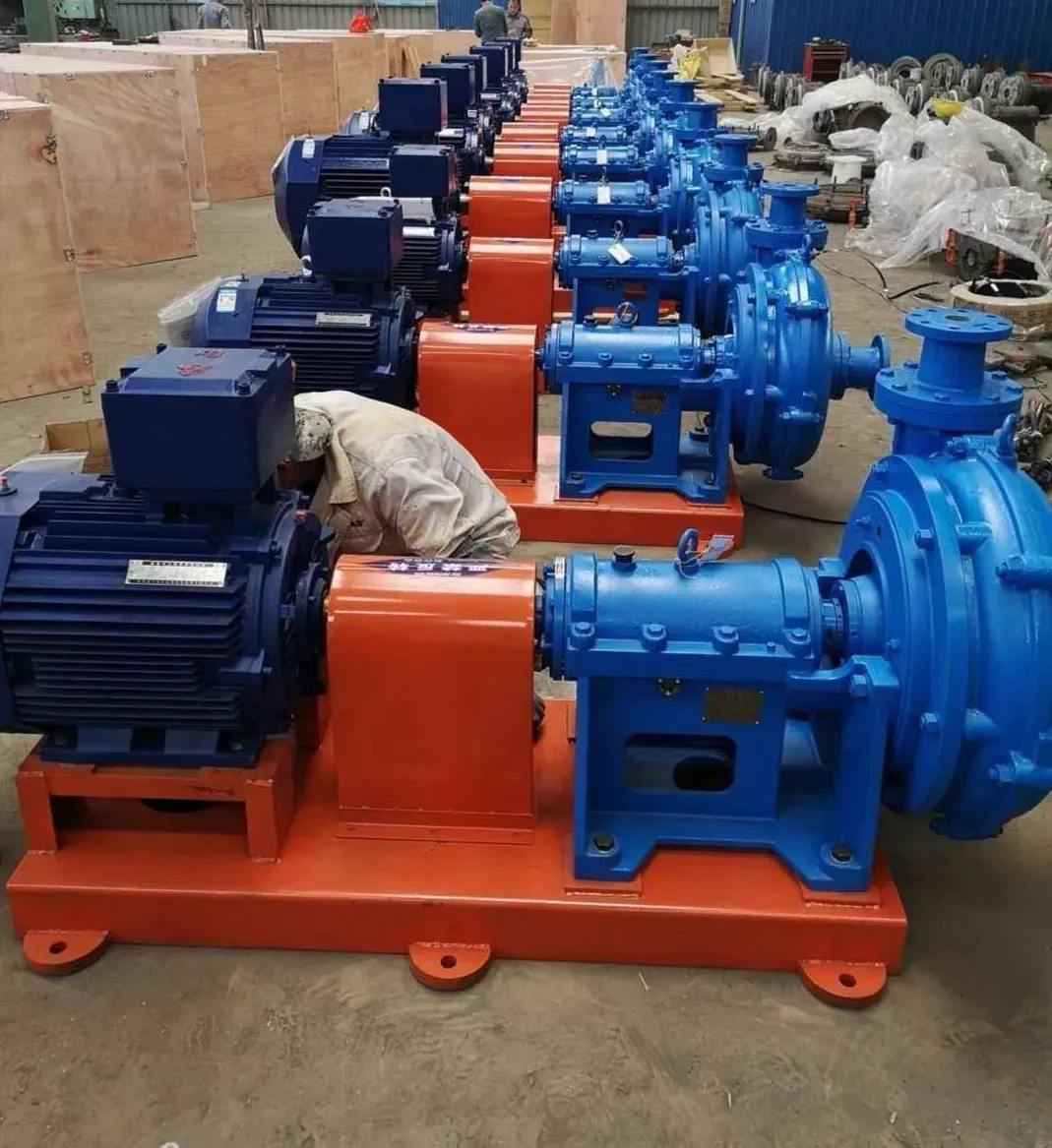
The construction of both sump and ejector pumps relies on a carefully selected suite of materials to ensure corrosion resistance, durability, and efficient operation. Pump housings are commonly constructed from cast iron (ASTM A48 Class 30), stainless steel (typically 304 or 316, adhering to ASTM A240), or engineered polymers like polypropylene or polyethylene. Cast iron provides excellent weight and rigidity, but requires a protective coating (epoxy or powder coating) to prevent corrosion. Stainless steel offers superior corrosion resistance, particularly in harsh environments, but is more expensive. Polymers are lightweight and corrosion-proof but have lower temperature and mechanical strength limitations. Impellers, the rotating components that drive water flow, are often manufactured from cast iron, stainless steel, or reinforced thermoplastic. Shafts are typically made from 4140 steel (meeting ASTM A29) due to its high tensile strength and fatigue resistance. Seals are critical components and frequently employ materials like nitrile rubber (NBR), Viton (fluoroelastomer), or silicon carbide (SiC) to ensure a watertight barrier against the motor. Manufacturing processes vary. Cast iron housings are produced using sand casting, followed by machining for precision. Stainless steel components are often investment cast or machined from bar stock. Polymer components utilize injection molding. Critical parameters during manufacturing include dimensional accuracy of the impeller and housing, concentricity of the shaft, and the quality of the seal interface. Welding processes (SMAW, GMAW) used in some construction techniques require strict adherence to AWS D1.1 standards to ensure structural integrity.
Performance & Engineering
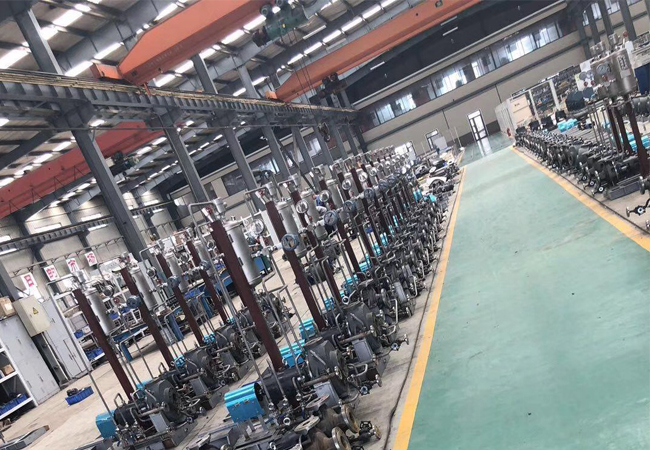
The performance of sump and ejector pumps is fundamentally governed by fluid dynamics and mechanical engineering principles. Force analysis considers hydraulic forces exerted by the fluid on the impeller and housing, centrifugal forces acting on rotating components, and static forces due to the weight of the pump and fluid. Pump curves, generated through hydraulic testing (following Hydraulic Institute standards), illustrate the relationship between flow rate, head height, and efficiency. Cavitation, a phenomenon where vapor bubbles form and collapse within the pump, is a critical concern, particularly in ejector pumps drawing from low-level sources. It is mitigated by proper pump sizing and maintaining sufficient net positive suction head available (NPSHa). Environmental resistance is crucial, particularly for sump pumps exposed to potentially corrosive groundwater. Factors include pH levels, dissolved solids content, and the presence of sulfates or chlorides. Ejector pumps must comply with local plumbing codes and regulations regarding wastewater discharge. Motor selection is vital, considering horsepower requirements, voltage compatibility, and enclosure type (e.g., totally enclosed fan cooled – TEFC, for damp environments). Furthermore, the design must accommodate thermal expansion and contraction of components to prevent stress and failure. Compliance requirements also include electrical safety standards (UL 508A for industrial control panels) and energy efficiency regulations (Energy Star certification where applicable).
Technical Specifications
| Parameter | Sump Pump (Typical Residential) | Ejector Pump (Typical Residential) | Industrial Sump Pump (High Capacity) |
|---|---|---|---|
| Flow Rate (GPH) | 5000 - 7500 | 300 - 600 | 20,000 - 100,000 |
| Head Height (ft) | 10 - 25 | 10 - 30 | 40 - 100 |
| Horsepower (HP) | 1/3 - 1/2 | 1/2 - 1 | 1 - 10 |
| Impeller Type | Vortex or Submersible | Vortex or Centrifugal | Vortex, Centrifugal, or Chopper |
| Solids Handling (in) | 1/2 | 1/2 | Up to 3 |
| Voltage (V) | 120 | 120/240 | 230/460 |
Failure Mode & Maintenance
Sump and ejector pumps are susceptible to a range of failure modes. Common failures in sump pumps include impeller clogging (due to debris), seal failure (leading to water leakage and motor damage), switch failure (preventing automatic operation), and motor burnout (from overheating or excessive cycling). Ejector pumps commonly experience impeller blockage (particularly with solids), check valve failure (allowing backflow), and motor failure (similar to sump pumps). Failure analysis reveals that fatigue cracking in the impeller or housing can occur due to cyclical loading, especially in systems with frequent on/off cycles. Corrosion, especially in cast iron components exposed to aggressive water chemistry, leads to material degradation and eventual failure. Delamination of protective coatings can accelerate corrosion. Oxidation of electrical connections can cause intermittent operation or complete failure. Preventative maintenance is critical. This includes regular inspection for debris accumulation, cleaning of the sump pit or ejector basin, testing of the float switch (sump pumps), inspection and cleaning of the check valve (ejector pumps), and lubricating motor bearings. Annual professional inspection and maintenance, including seal replacement and motor testing, is recommended. In case of failure, proper diagnostic procedures – including voltage testing, current draw measurement, and visual inspection – are essential to determine the root cause and prevent recurrence.
Industry FAQ
Q: What is the primary difference between a submersible and a pedestal sump pump, and when would I choose one over the other?
A: Submersible pumps are designed to be fully submerged in the sump pit, offering quieter operation and reduced risk of overheating. They are generally preferred for installations where space is limited and noise is a concern. Pedestal pumps have the motor mounted above the pit on a pedestal, requiring more space but offering easier access for maintenance. They are often chosen for installations with higher flow rates or where accessibility is a priority.
Q: How often should the check valve in an ejector pump be inspected and replaced?
A: The check valve should be inspected at least annually, and more frequently in systems that handle significant solids. Signs of failure include backflow when the pump is off, reduced pumping capacity, and unusual noises. Replacement is recommended if the valve is damaged, corroded, or no longer sealing properly.
Q: What are the key considerations when selecting a sump pump for a high water table environment?
A: In high water table environments, it’s crucial to select a pump with a high GPH rating and a robust float switch that can reliably activate at lower water levels. Consider a pump with a cast iron or stainless steel housing for increased durability and corrosion resistance. A battery backup system is also highly recommended to ensure operation during power outages.
Q: What type of impeller is best suited for handling wastewater containing fibrous materials?
A: A vortex impeller is generally the best choice for handling wastewater containing fibrous materials. Its recessed design minimizes clogging by allowing solids to pass through the pump without contacting the impeller blades. Chopper pumps, which contain rotating blades to shred solids, can also be used but require more maintenance.
Q: What safety precautions should be taken when working with electrical components of a sump or ejector pump?
A: Always disconnect power to the pump before performing any maintenance or inspection. Use a qualified electrician for any electrical work. Ensure the pump is properly grounded to prevent electrical shock. Wear appropriate personal protective equipment (PPE), including safety glasses and rubber gloves. Follow all applicable electrical safety codes and regulations.
Conclusion
The effective operation of sump and ejector pumps hinges upon a comprehensive understanding of their design principles, material science, and operational characteristics. Proper selection, installation, and routine maintenance are paramount to mitigating the risk of failure and ensuring long-term reliability. Ignoring these factors can lead to significant financial losses, property damage, and potential health hazards.
Future advancements in pump technology are likely to focus on improved energy efficiency, smart controls (utilizing IoT sensors for predictive maintenance), and the development of more durable and corrosion-resistant materials. Continuous monitoring of pump performance data will enable proactive maintenance strategies and minimize unplanned downtime. Ultimately, a holistic approach – combining robust engineering with diligent maintenance practices – is essential for maximizing the lifespan and effectiveness of these critical water management systems.
-
sump pump for septic systems Material Science Manufacturing
News2026-05-20
-
sump pump and ejector pump Material Science Manufacturing
News2026-05-20
-
sewage treatment plant pumps Performance Analysis
News2026-05-20
-
sewage tank pump Material Science and Manufacturing
News2026-05-20
-
sewage pump for septic tank Performance Analysis
News2026-05-20
-
Sewage Pump and Tank Performance Analysis
News2026-05-19
-
Sewage Ejector Pump Replacement Performance Analysis
News2026-05-19
-
sewage ejector pump for basement bathroom Material Science Manufacturing
News2026-05-19
-
sewage ejection pump Material Science and Manufacturing
News2026-05-19
-
in line sewage pump Performance Analysis
News2026-05-19
-
effluent sump pump Performance Analysis
News2026-05-18
-
best grinder pump for sewage Performance Engineering
News2026-05-18
-
basement waste water pump Performance Engineering
News2026-05-18
-
sump pump sewer Performance Analysis
News2026-05-18
-
sump pump for sewer Performance Analysis
News2026-05-18




