English
- Afrikaans
- Albanian
- Amharic
- Arabic
- Armenian
- Azerbaijani
- Basque
- Belarusian
- Bengali
- Bosnian
- Bulgarian
- Catalan
- Cebuano
- Corsican
- Croatian
- Czech
- Danish
- Dutch
- English
- Esperanto
- Estonian
- Finnish
- French
- Frisian
- Galician
- Georgian
- German
- Greek
- Gujarati
- Haitian Creole
- hausa
- hawaiian
- Hebrew
- Hindi
- Miao
- Hungarian
- Icelandic
- igbo
- Indonesian
- irish
- Italian
- Japanese
- Javanese
- Kannada
- kazakh
- Khmer
- Rwandese
- Korean
- Kurdish
- Kyrgyz
- Lao
- Latin
- Latvian
- Lithuanian
- Luxembourgish
- Macedonian
- Malgashi
- Malay
- Malayalam
- Maltese
- Maori
- Marathi
- Mongolian
- Myanmar
- Nepali
- Norwegian
- Norwegian
- Occitan
- Pashto
- Persian
- Polish
- Portuguese
- Punjabi
- Romanian
- Russian
- Samoan
- Scottish Gaelic
- Serbian
- Sesotho
- Shona
- Sindhi
- Sinhala
- Slovak
- Slovenian
- Somali
- Spanish
- Sundanese
- Swahili
- Swedish
- Tagalog
- Tajik
- Tamil
- Tatar
- Telugu
- Thai
- Turkish
- Turkmen
- Ukrainian
- Urdu
- Uighur
- Uzbek
- Vietnamese
- Welsh
- Bantu
- Yiddish
- Yoruba
- Zulu

Telephone: +86 13120555503
Email: frank@cypump.com


Apr . 01, 2024 17:55 Back to list
sump effluent pump Performance Engineering
Introduction
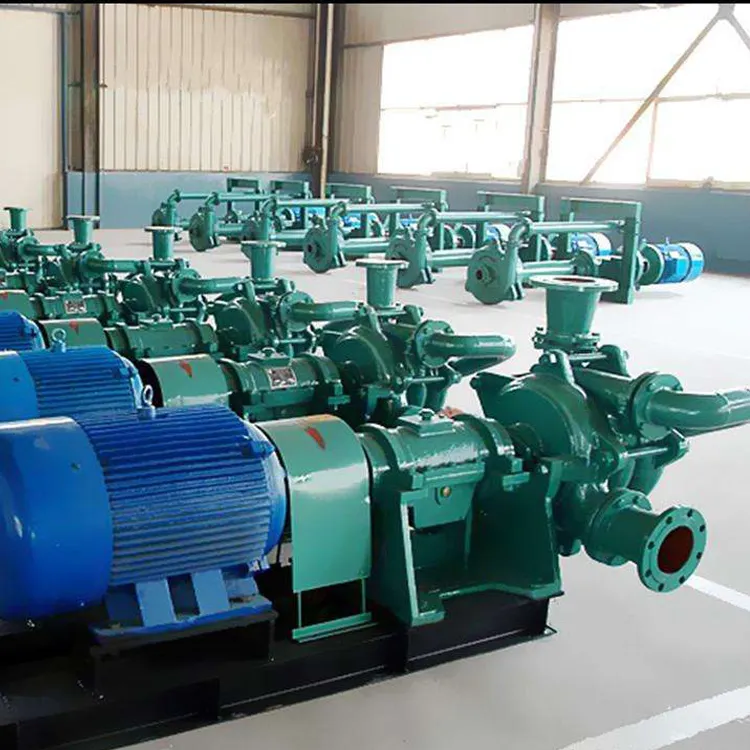
Sump effluent pumps are engineered devices critical for the removal of accumulated liquids, primarily wastewater, from sump pits. Positioned within the building services chain, these pumps function as the final stage of drainage, preventing flooding and maintaining operational capacity in various applications – residential basements, commercial buildings, industrial facilities, and construction sites. Their technical position lies between the passive collection in the sump basin and the discharge into a municipal sewer system or on-site wastewater treatment system. Core performance metrics center around flow rate (gallons per minute or liters per minute), head (vertical distance the pump can lift the liquid), solids handling capability (particle size and concentration), and power consumption. A significant industry pain point revolves around pump failure due to solids buildup, corrosion, and inadequate motor protection, leading to costly downtime and potential environmental hazards.
Material Science & Manufacturing
The construction of a typical sump effluent pump leverages several key materials. Pump housings are commonly manufactured from cast iron (ASTM A48 Class 30), known for its durability and cost-effectiveness, or stainless steel (304 or 316, meeting ASTM A240 standards) for enhanced corrosion resistance in aggressive environments. Impellers, responsible for generating flow, often employ engineered polymers like polypropylene (PP) or glass-reinforced nylon (PA66), selected for their resistance to abrasion and chemical attack. Mechanical seals, crucial for preventing leakage, typically utilize silicon carbide (SiC) faces paired with elastomers like Viton (fluoroelastomer) offering compatibility with a wide range of fluids.
Manufacturing processes vary. Cast iron housings are produced via sand casting, requiring precise mold creation and controlled cooling rates to minimize porosity. Stainless steel housings are often investment cast or machined from solid stock. Impellers are predominantly manufactured via injection molding, where resin is injected into a mold cavity under high pressure. Key parameters controlled during injection molding include melt temperature, injection pressure, and cooling time to achieve desired mechanical properties. Mechanical seal assembly involves precision machining of seal faces and careful bonding of elastomers to ensure a leak-proof interface. Quality control measures at each stage include dimensional inspection, material testing (hardness, tensile strength), and hydrostatic pressure testing to validate structural integrity and prevent failures.
Performance & Engineering
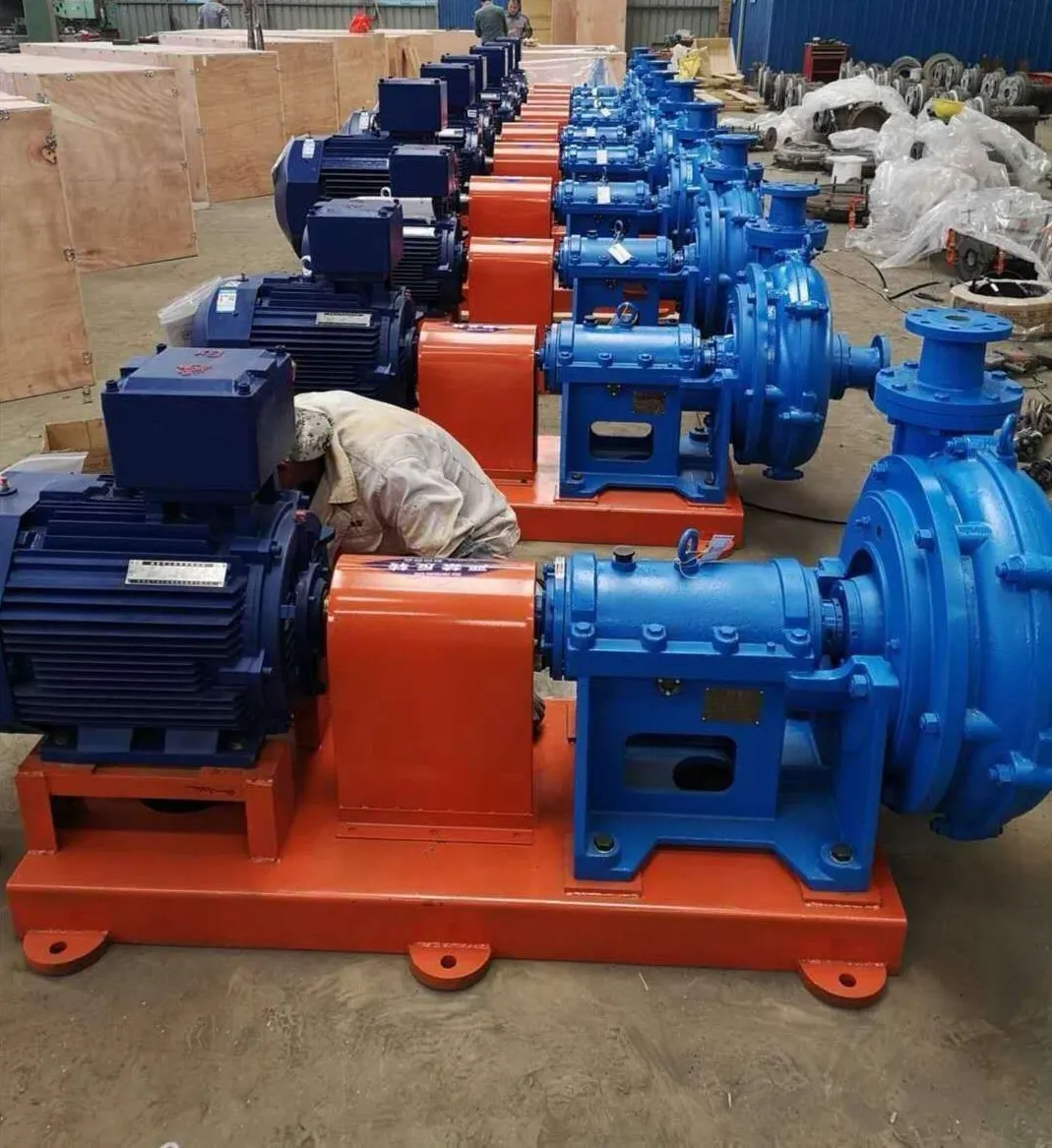
Performance engineering of sump effluent pumps hinges on hydraulic design and motor selection. The pump’s impeller geometry directly impacts flow rate and head. Volute casing design optimizes fluid velocity and minimizes energy losses. Force analysis considers static loads from pump weight and dynamic loads from fluid flow and potential solids impacts. Motor selection is critical; typically, these pumps utilize submersible electric motors, often induction motors, rated for continuous duty in wet environments (meeting NEMA standards). Motor horsepower is determined based on the required head and flow rate, with safety factors incorporated to handle variations in demand. Environmental resistance is addressed through motor encapsulation and robust sealing to prevent water ingress (IP68 rating as per IEC 60529).
Compliance requirements involve adherence to local and national plumbing codes, as well as electrical safety standards (UL/CSA certification). Furthermore, pumps handling sewage or wastewater must meet specific discharge limits regarding suspended solids and biochemical oxygen demand (BOD), as dictated by environmental regulations. Functional implementation often incorporates float switches or level sensors to automatically activate and deactivate the pump based on water level in the sump pit, preventing both overflow and dry-running conditions (which can damage the motor). Proper pump sizing is crucial; undersized pumps lead to frequent cycling and premature wear, while oversized pumps consume excess energy and can create turbulence within the sump.
Technical Specifications
| Parameter | Unit | Typical Range (Residential) | Typical Range (Industrial) |
|---|---|---|---|
| Flow Rate | GPM (Gallons Per Minute) | 25-75 | 100-500 |
| Head | Feet | 10-25 | 30-100 |
| Motor Horsepower | HP | 1/3 - 1 | 1 - 5 |
| Solids Handling | Inches | Up to 1/2 | Up to 2 |
| Discharge Pipe Size | Inches | 1.25 - 2 | 2 - 4 |
| Power Supply | Volts | 120V / 240V | 240V / 480V |
Failure Mode & Maintenance
Sump effluent pumps are susceptible to several failure modes. Fatigue cracking in the impeller, particularly in models handling abrasive solids, is common. Delamination of polymer impellers can occur due to thermal stress or chemical degradation. Corrosion, especially in cast iron housings exposed to acidic wastewater, leads to structural weakening and eventual leakage. Mechanical seal failure, often caused by abrasive particles or dry running, results in pump leakage. Motor failure can stem from overheating (due to inadequate cooling or prolonged dry running), winding insulation breakdown, or bearing failure. Oxidation of electrical connections causes intermittent operation or complete failure.
Preventative maintenance is crucial. Regular inspection of the pump housing for corrosion or cracks is vital. Impeller inspection should focus on identifying wear or damage. Mechanical seals should be replaced annually or as needed, based on usage and fluid characteristics. Motor windings should be tested for insulation resistance. Lubrication of motor bearings is essential for smooth operation. The sump pit itself should be regularly cleaned to remove accumulated sediment and debris, preventing solids from entering the pump. A float switch test ensures proper automatic operation. Implementing a scheduled maintenance program, including detailed record-keeping, significantly extends pump life and minimizes unplanned downtime.
Industry FAQ
Q: What is the typical lifespan of a sump effluent pump?
A: The lifespan varies significantly based on usage and maintenance. A residential pump, with moderate use and proper maintenance, typically lasts 7-10 years. Industrial pumps, subjected to harsher conditions and continuous operation, may require replacement every 3-5 years.
Q: How do I select the correct pump size for my application?
A: Proper sizing requires calculating the total dynamic head (TDH), which includes static lift, friction losses in the discharge pipe, and any pressure at the discharge point. You also need to determine the required flow rate based on the volume of water that needs to be removed within a specific timeframe. Consult pump performance curves to select a pump that meets these requirements.
Q: What are the risks associated with dry-running a sump pump?
A: Dry-running, operating the pump without sufficient liquid lubrication, leads to rapid overheating of the motor and mechanical seal. This can cause motor burnout, seal failure, and ultimately, pump damage. Float switches and level sensors are designed to prevent dry-running, but regular testing is crucial.
Q: What type of material is best for a pump handling corrosive wastewater?
A: Stainless steel (316 grade) provides superior corrosion resistance compared to cast iron. However, the specific chemical composition of the wastewater dictates the optimal material selection. Consulting a materials compatibility chart is recommended.
Q: How often should the mechanical seal be replaced?
A: A general guideline is to replace the mechanical seal annually, or more frequently if the pump handles abrasive fluids or experiences frequent starts and stops. Signs of seal failure include visible leakage around the pump shaft and reduced pump performance.
Conclusion
Sump effluent pumps represent a critical component in fluid management systems, demanding careful consideration of material science, hydraulic engineering, and operational parameters. Optimizing pump selection based on application-specific requirements – flow rate, head, solids handling, and fluid compatibility – is paramount for reliable performance and longevity. The industry continues to innovate, focusing on enhanced motor efficiency, improved seal designs, and integration of smart control systems for automated monitoring and preventative maintenance.
Future advancements will likely center around developing pumps with increased energy efficiency, utilizing advanced materials for greater corrosion resistance, and incorporating remote monitoring capabilities for predictive maintenance. A proactive maintenance strategy, coupled with adherence to relevant industry standards and regulations, remains the cornerstone of maximizing pump uptime and minimizing lifecycle costs.
-
sump pump for septic systems Material Science Manufacturing
News2026-05-20
-
sump pump and ejector pump Material Science Manufacturing
News2026-05-20
-
sewage treatment plant pumps Performance Analysis
News2026-05-20
-
sewage tank pump Material Science and Manufacturing
News2026-05-20
-
sewage pump for septic tank Performance Analysis
News2026-05-20
-
Sewage Pump and Tank Performance Analysis
News2026-05-19
-
Sewage Ejector Pump Replacement Performance Analysis
News2026-05-19
-
sewage ejector pump for basement bathroom Material Science Manufacturing
News2026-05-19
-
sewage ejection pump Material Science and Manufacturing
News2026-05-19
-
in line sewage pump Performance Analysis
News2026-05-19
-
effluent sump pump Performance Analysis
News2026-05-18
-
best grinder pump for sewage Performance Engineering
News2026-05-18
-
basement waste water pump Performance Engineering
News2026-05-18
-
sump pump sewer Performance Analysis
News2026-05-18
-
sump pump for sewer Performance Analysis
News2026-05-18




