English
- Afrikaans
- Albanian
- Amharic
- Arabic
- Armenian
- Azerbaijani
- Basque
- Belarusian
- Bengali
- Bosnian
- Bulgarian
- Catalan
- Cebuano
- Corsican
- Croatian
- Czech
- Danish
- Dutch
- English
- Esperanto
- Estonian
- Finnish
- French
- Frisian
- Galician
- Georgian
- German
- Greek
- Gujarati
- Haitian Creole
- hausa
- hawaiian
- Hebrew
- Hindi
- Miao
- Hungarian
- Icelandic
- igbo
- Indonesian
- irish
- Italian
- Japanese
- Javanese
- Kannada
- kazakh
- Khmer
- Rwandese
- Korean
- Kurdish
- Kyrgyz
- Lao
- Latin
- Latvian
- Lithuanian
- Luxembourgish
- Macedonian
- Malgashi
- Malay
- Malayalam
- Maltese
- Maori
- Marathi
- Mongolian
- Myanmar
- Nepali
- Norwegian
- Norwegian
- Occitan
- Pashto
- Persian
- Polish
- Portuguese
- Punjabi
- Romanian
- Russian
- Samoan
- Scottish Gaelic
- Serbian
- Sesotho
- Shona
- Sindhi
- Sinhala
- Slovak
- Slovenian
- Somali
- Spanish
- Sundanese
- Swahili
- Swedish
- Tagalog
- Tajik
- Tamil
- Tatar
- Telugu
- Thai
- Turkish
- Turkmen
- Ukrainian
- Urdu
- Uighur
- Uzbek
- Vietnamese
- Welsh
- Bantu
- Yiddish
- Yoruba
- Zulu

Telephone: +86 13120555503
Email: frank@cypump.com


Apr . 01, 2024 17:55 Back to list
submerssible pump Performance Engineering
Introduction
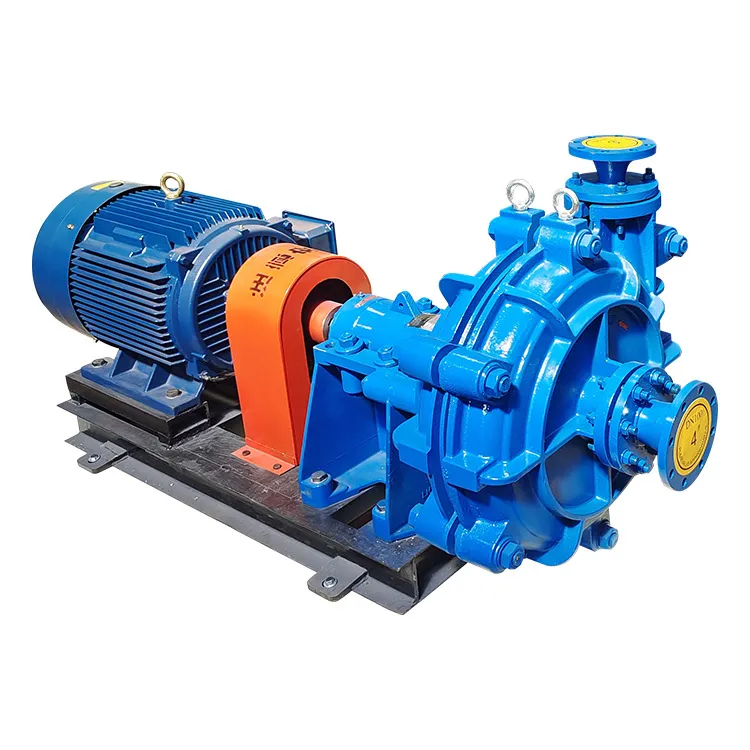
Submersible pumps are centrifugal pumps specifically designed to operate completely submerged within the fluid being pumped. Their technical positioning within the industrial chain spans numerous sectors including wastewater treatment, oil & gas, mining, agriculture, and dewatering applications. Unlike surface pumps which rely on suction, submersible pumps utilize positive displacement to push the fluid to the surface. Core performance characteristics include flow rate (typically measured in gallons per minute or cubic meters per hour), head (the maximum height the pump can lift the fluid, expressed in feet or meters), and power consumption. A critical pain point within the industry is maintaining consistent efficiency across varying fluid viscosities and solids content, necessitating robust impeller design and motor protection schemes. The increasing demand for energy efficiency and remote monitoring capabilities are driving advancements in submersible pump technology, demanding sophisticated control systems and materials.
Material Science & Manufacturing
The construction of a submersible pump necessitates careful material selection based on the intended application and fluid compatibility. Pump casings are frequently manufactured from cast iron (ASTM A48 Class 30) for freshwater applications, offering a balance of cost and durability. However, for aggressive fluids (e.g., saltwater, chemicals), stainless steel (specifically 316 stainless steel conforming to ASTM A743 Grade CF8M) is preferred due to its superior corrosion resistance. Impellers, responsible for imparting kinetic energy to the fluid, are often constructed from high-chromium cast iron or specialized polymers offering high abrasion resistance. The motor housing typically employs stainless steel or epoxy-coated carbon steel for protection against corrosion. Manufacturing processes involve several key steps: casting or machining of pump components, welding (performed using shielded metal arc welding - SMAW – following AWS D1.1 standards), impeller balancing to minimize vibration, and precise assembly. Critical parameter control during manufacturing includes dimensional accuracy of the impeller vanes, concentricity of the pump shaft, and the integrity of the seals (typically utilizing nitrile rubber or Viton seals dependent on fluid compatibility). The winding insulation in the motor must meet IEC 60034-18-41 standards to ensure reliable electrical performance in a submerged environment.
Performance & Engineering
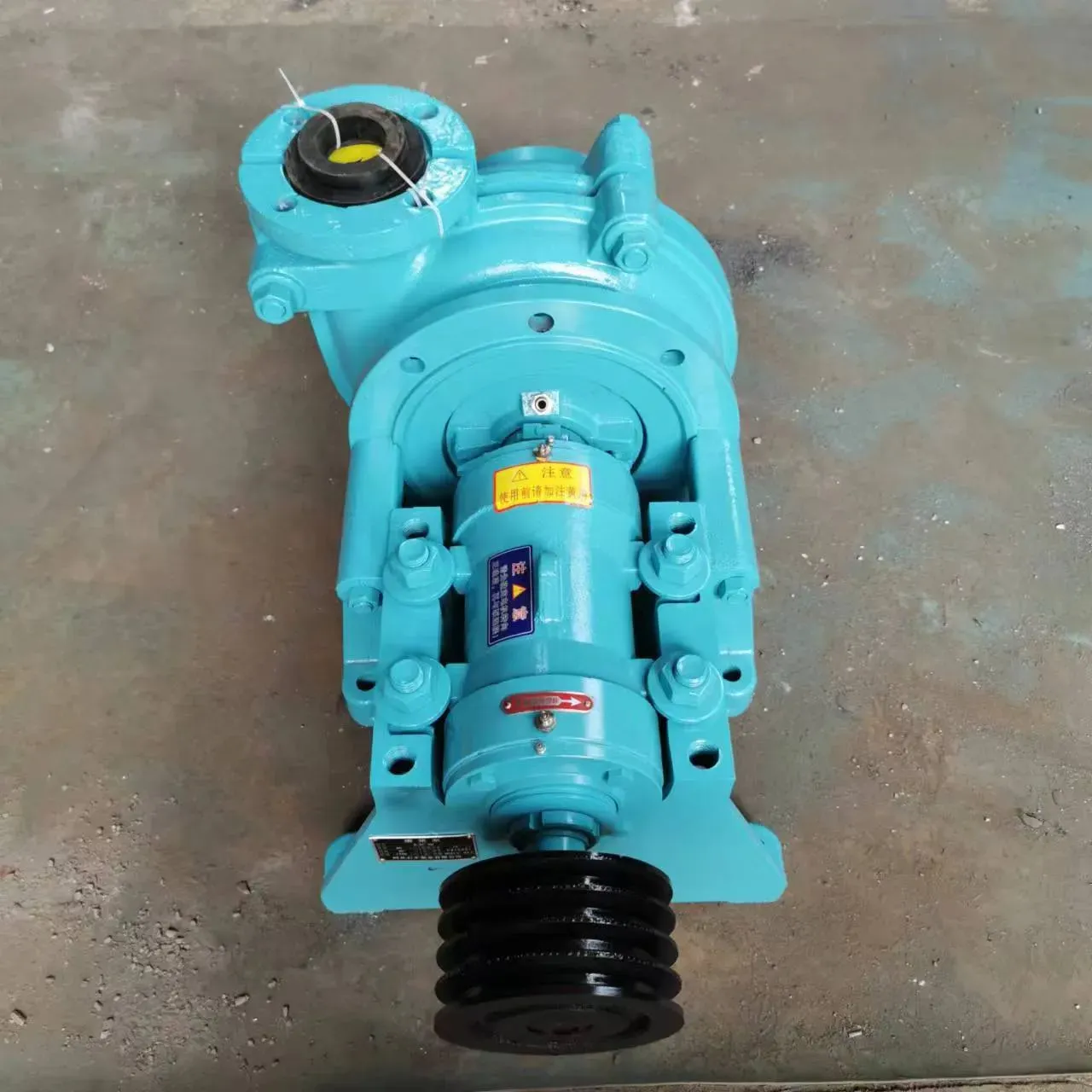
Submersible pump performance is governed by fundamental principles of fluid dynamics. Force analysis focuses on radial and axial thrust forces exerted on the impeller and pump shaft. Axial thrust is minimized through the implementation of balanced impellers or the use of wear rings. Hydraulic efficiency is paramount, and is directly related to impeller geometry, casing design, and operating speed. Environmental resistance is crucial; pumps operating in corrosive environments require specialized coatings and materials as previously mentioned. Compliance requirements vary by region, but generally adhere to standards established by organizations like the Hydraulic Institute (HI) and API (American Petroleum Institute). Specifically, API 610 defines requirements for centrifugal pumps including those designed for submersible applications. The electrical components of the pump must comply with IEC 60079 standards for explosion-proof operation in hazardous locations. Furthermore, pump selection necessitates consideration of Net Positive Suction Head Required (NPSHr) to prevent cavitation, a phenomenon that significantly reduces pump performance and lifespan. Proper sizing of the pump to the system’s flow and head requirements, detailed in ANSI/HI standards, is critical to achieve optimal efficiency and longevity.
Technical Specifications
| Parameter | Units | Typical Range (Small Pumps - <10HP) | Typical Range (Large Pumps - >100HP) |
|---|---|---|---|
| Flow Rate | GPM (Gallons Per Minute) | 10-200 | 500-5000 |
| Total Head | ft (Feet) | 20-150 | 200-1000 |
| Motor Power | HP (Horsepower) | 0.5 - 10 | 25 - 250+ |
| Maximum Submergence Depth | ft (Feet) | 30-100 | 300-1000 |
| Impeller Material | - | Cast Iron, Polymer | Stainless Steel, High Chrome Iron |
| Casing Material | - | Cast Iron, Stainless Steel | Stainless Steel, Alloy Steel |
Failure Mode & Maintenance
Submersible pumps are susceptible to several failure modes. Fatigue cracking of the impeller, particularly in abrasive environments, is common. Delamination of the motor winding insulation due to prolonged exposure to moisture can lead to short circuits. Degradation of seals and bearings results in leakage and increased friction, respectively. Oxidation and corrosion, especially in saltwater applications, compromise the structural integrity of the pump. Cavitation, as mentioned previously, erodes impeller vanes and reduces performance. Preventative maintenance is crucial. Regular inspection of seals and bearings, oil changes (if applicable), and monitoring of motor current are essential. Failure analysis should involve visual inspection for cracks or corrosion, electrical testing of the motor windings (megger testing), and analysis of the pumped fluid for abrasive content. If cavitation is suspected, system evaluation for NPSH availability is necessary. For larger pumps, vibration analysis conforming to ISO 10816 standards can identify potential bearing failures before they occur. Scheduled replacement of wear parts, based on operating hours and fluid characteristics, is vital to maximize pump lifespan and minimize downtime.
Industry FAQ
Q: What is the primary difference between a submersible pump and a centrifugal pump installed at surface level?
A: The primary difference lies in the pump’s location and operating principle. Surface centrifugal pumps rely on atmospheric pressure to lift the fluid, limited by suction lift height and prone to priming issues. Submersible pumps are positioned within the fluid, utilizing positive displacement and eliminating suction lift limitations. This makes them ideal for deep wells, sumps, and applications where self-priming is critical.
Q: How does the specific gravity of the pumped fluid affect pump selection?
A: Specific gravity directly impacts the hydraulic power required to lift the fluid. Higher specific gravity fluids require more power to achieve the same head. Pump curves are typically provided for water (specific gravity ~1.0). For fluids with significantly different specific gravity, performance adjustments must be made using appropriate correction factors, outlined in ANSI/HI standards.
Q: What are the key considerations when selecting a submersible pump for abrasive fluids?
A: For abrasive fluids, the impeller and casing materials are critical. High-chrome cast iron or specialized abrasion-resistant polymers are recommended. Impeller design should minimize sharp edges and constrictions where abrasive particles can accumulate. Regular inspection and replacement of wear parts (impeller, wear rings) are essential to maintain performance and prevent premature failure.
Q: What types of motor protection are typically employed in submersible pumps?
A: Common motor protection features include thermal overload relays, moisture sensors, and winding insulation systems meeting IEC 60034-18-41. For hazardous environments, explosion-proof motor enclosures conforming to IEC 60079 standards are mandatory. Pressure compensation systems are also used to equalize pressure within the motor housing, preventing seal failure.
Q: What are the advantages of using variable frequency drives (VFDs) with submersible pumps?
A: VFDs offer significant energy savings by allowing the pump speed to be adjusted to match the actual demand. This reduces energy consumption and extends pump life by minimizing wear and tear. VFDs also provide soft-starting capabilities, reducing stress on the motor and electrical system.
Conclusion
Submersible pumps represent a vital component in numerous industrial fluid handling applications. Their inherent design advantage of operating submerged within the fluid ensures reliable operation, particularly in situations where suction lift is limited or impractical. Effective pump selection necessitates a thorough understanding of fluid properties, system requirements, and applicable industry standards. Maintaining optimal performance and longevity relies on robust material selection, careful manufacturing practices, and a comprehensive preventative maintenance program.
Future advancements in submersible pump technology will likely focus on increased energy efficiency through optimized hydraulic designs and intelligent control systems. The integration of remote monitoring and diagnostic capabilities will become increasingly prevalent, enabling predictive maintenance and minimizing downtime. Furthermore, the development of more durable and corrosion-resistant materials will extend pump lifespan and reduce life-cycle costs.
-
Comprehensive Guide to Waterproof ORings for Optimal Sealing Solutions
News2026-06-09
-
submergable pump Material Science
News2026-06-23
-
sewer injection pump Performance Engineering
News2026-06-23
-
Sewer Ejector Pump System Performance Analysis
News2026-06-23
-
septic tank pump for sale Performance Engineering
News2026-06-23
-
septic pump for sale Performance Engineering
News2026-06-23
-
septic ejector system Performance Analysis
News2026-06-22
-
replace septic pump Performance Analysis
News2026-06-22
-
pump system septic tank Performance Analysis
News2026-06-22
-
lift pump for sewer Performance and Engineering
News2026-06-22
-
industrial submersible water pump Material Science
News2026-06-22
-
industrial submersible pumps Material Science and Manufacturing
News2026-06-21
-
best sewer ejector pump Performance Analysis
News2026-06-21
-
best septic pump Performance Analysis
News2026-06-21
-
1 2 hp septic pump Performance Engineering
News2026-06-21




