English
- Afrikaans
- Albanian
- Amharic
- Arabic
- Armenian
- Azerbaijani
- Basque
- Belarusian
- Bengali
- Bosnian
- Bulgarian
- Catalan
- Cebuano
- Corsican
- Croatian
- Czech
- Danish
- Dutch
- English
- Esperanto
- Estonian
- Finnish
- French
- Frisian
- Galician
- Georgian
- German
- Greek
- Gujarati
- Haitian Creole
- hausa
- hawaiian
- Hebrew
- Hindi
- Miao
- Hungarian
- Icelandic
- igbo
- Indonesian
- irish
- Italian
- Japanese
- Javanese
- Kannada
- kazakh
- Khmer
- Rwandese
- Korean
- Kurdish
- Kyrgyz
- Lao
- Latin
- Latvian
- Lithuanian
- Luxembourgish
- Macedonian
- Malgashi
- Malay
- Malayalam
- Maltese
- Maori
- Marathi
- Mongolian
- Myanmar
- Nepali
- Norwegian
- Norwegian
- Occitan
- Pashto
- Persian
- Polish
- Portuguese
- Punjabi
- Romanian
- Russian
- Samoan
- Scottish Gaelic
- Serbian
- Sesotho
- Shona
- Sindhi
- Sinhala
- Slovak
- Slovenian
- Somali
- Spanish
- Sundanese
- Swahili
- Swedish
- Tagalog
- Tajik
- Tamil
- Tatar
- Telugu
- Thai
- Turkish
- Turkmen
- Ukrainian
- Urdu
- Uighur
- Uzbek
- Vietnamese
- Welsh
- Bantu
- Yiddish
- Yoruba
- Zulu

Telephone: +86 13120555503
Email: frank@cypump.com


Apr . 01, 2024 17:55 Back to list
submersible water pump industrial Performance Analysis
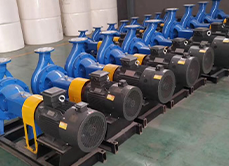
Introduction
Submersible water pumps are centrifugal pumps specifically designed to operate while fully submerged in the fluid being pumped. They constitute a critical component across numerous industries, including municipal water supply, wastewater treatment, agriculture, construction, and mining. Distinguished by their hermetically sealed motor and pump casing, these pumps eliminate the need for surface priming and offer significant advantages in applications involving fluctuating water levels or the handling of abrasive or contaminated liquids. Their technical position within the industrial chain lies between the motor manufacturing sector, specialized pump component suppliers (impellers, diffusers, seals), and end-user applications requiring efficient fluid transfer. Core performance characteristics revolve around volumetric flow rate (measured in gallons per minute or liters per second), total dynamic head (TDH, expressed in feet or meters), power consumption, and overall efficiency. A key industry pain point centers on reliability in abrasive environments, corrosion resistance, and the prevention of solids-induced clogging, all impacting operational costs and downtime.
Material Science & Manufacturing
The construction of a submersible pump necessitates careful material selection to withstand harsh operating conditions. Pump casings are frequently manufactured from cast iron (ASTM A48 Class 30), stainless steel (304 or 316 for enhanced corrosion resistance – ASTM A240), or high-density polyethylene (HDPE) for lighter-duty applications. Impellers, which generate the centrifugal force driving fluid flow, are typically made from cast iron, bronze (ASTM B584), or engineered plastics (polypropylene or PPS) depending on the application’s abrasion levels. Shaft materials generally employ alloy steel (4140 or 4340) heat-treated for strength and durability (ASTM A276). Seals, critical for preventing water ingress into the motor, commonly utilize materials like nitrile rubber (NBR), Viton (fluoroelastomer), or silicon carbide (SiC) facing configurations, selected based on fluid compatibility and temperature resistance. Manufacturing processes vary depending on component complexity. Casings are produced via sand casting or investment casting. Impellers employ centrifugal casting or resin-bonded tooling. Shafts undergo machining, heat treatment, and grinding. The motor housing requires specialized winding techniques and epoxy encapsulation for moisture protection. Critical parameters during manufacturing include dimensional accuracy of impeller vanes to maximize hydraulic efficiency, surface finish of pump casing to reduce friction losses, and the integrity of the sealing system to prevent leakage and motor failure. Quality control emphasizes non-destructive testing (NDT) methods like ultrasonic testing (UT) and magnetic particle inspection (MPI) to detect internal flaws in critical components.
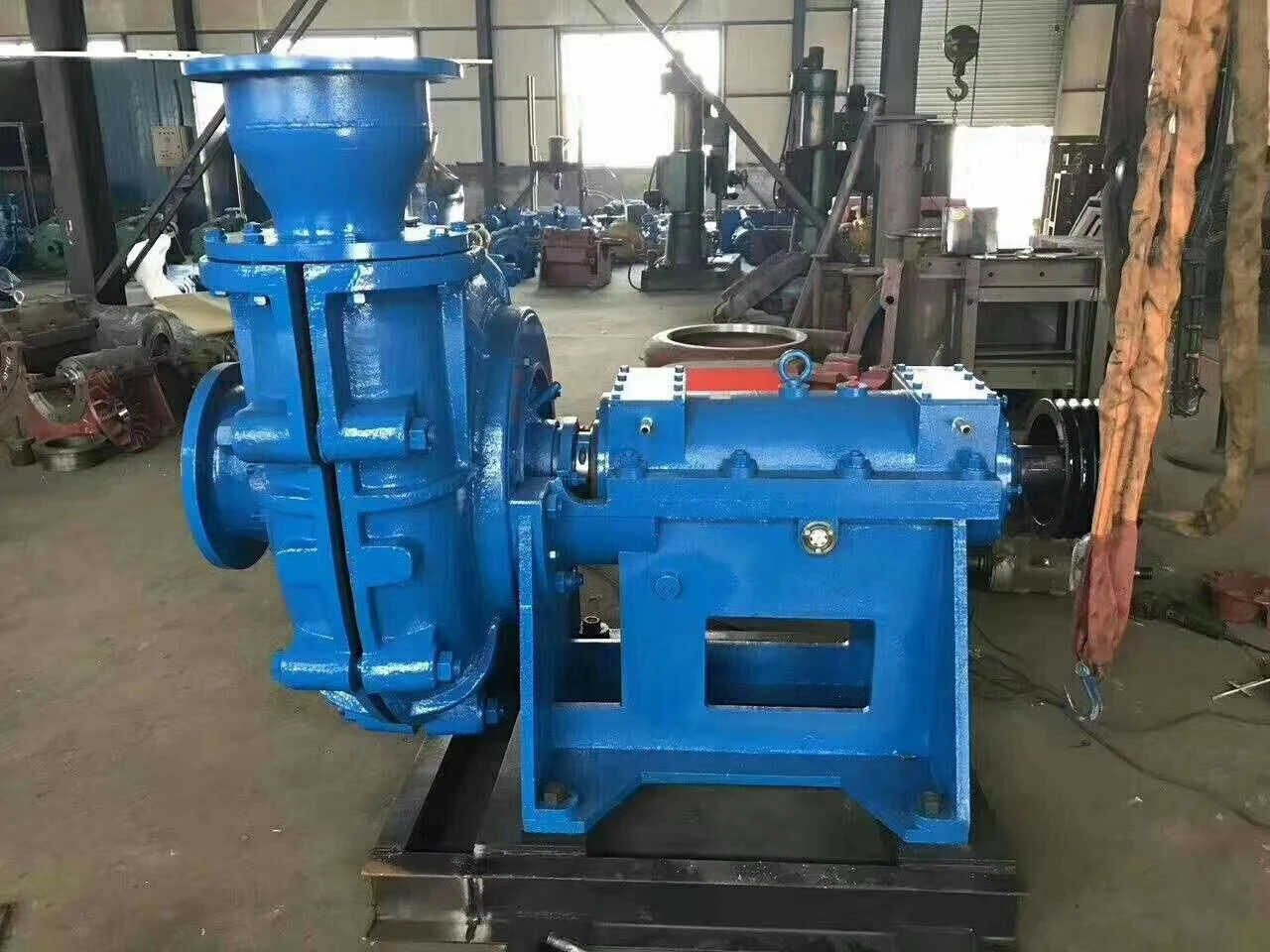
Performance & Engineering
The performance of a submersible pump is fundamentally governed by principles of fluid dynamics and hydraulic engineering. Force analysis considers impeller centrifugal force, pressure differentials across the pump stages, and the hydrostatic pressure exerted by the fluid column. The Total Dynamic Head (TDH) represents the total height a pump can lift fluid, accounting for static head, friction losses in piping, and velocity head. Pump curves, generated through rigorous testing (following standards like Hydraulic Institute standards), depict the relationship between flow rate, head, and efficiency. Environmental resistance is crucial; pumps operating in corrosive environments require materials resistant to chemical attack. Temperature impacts viscosity and material strength, necessitating careful selection of elastomers and metals. Compliance requirements include adherence to electrical safety standards (IEC 60335-1), potable water safety regulations (NSF/ANSI 61), and energy efficiency standards (DOE guidelines in the US). Functional implementation often involves multi-stage impeller designs to achieve higher heads, integrated check valves to prevent backflow, and level sensors to automatically start/stop the pump based on water levels. A common engineering challenge lies in optimizing impeller geometry to minimize cavitation – the formation of vapor bubbles which can erode impeller surfaces and reduce pump efficiency. Pump selection hinges on accurate system head calculations, factoring in pipe diameter, length, and fittings to achieve the desired flow rate.
Technical Specifications
| Parameter | Unit | Typical Range (Small Submersible Pump) | Typical Range (Large Industrial Pump) |
|---|---|---|---|
| Flow Rate | GPM (Gallons Per Minute) | 10-100 | 500-5000 |
| Total Dynamic Head (TDH) | ft (Feet) | 20-80 | 100-500 |
| Motor Power | HP (Horsepower) | 0.5-5 | 20-200 |
| Maximum Submergence Depth | ft (Feet) | 10-30 | 100-500 |
| Solids Handling Capability | in (Inches) | 0.125-0.5 | 1-3 |
| Discharge Size | in (Inches) | 1.25-2 | 4-12 |
Failure Mode & Maintenance
Submersible pumps are susceptible to several failure modes. Fatigue cracking can occur in the pump casing or impeller due to cyclical stress from pressure fluctuations. Delamination of the pump casing coating (if applicable) can expose the underlying metal to corrosion. Degradation of the elastomers in seals leads to leakage and motor failure. Oxidation of metallic components, particularly in aggressive environments, reduces material strength. Solids-induced clogging obstructs impeller flow paths, increasing stress and potentially damaging the impeller. Cavitation, as previously mentioned, erodes impeller vanes. Sand abrasion leads to wear of internal components. Preventive maintenance is critical. Regular monitoring of motor current and voltage can detect winding issues. Periodic inspection of seals and bearings identifies wear and potential leakage. Backflushing the pump system removes accumulated solids. Oil analysis (for oil-filled pumps) monitors lubricant condition and detects wear debris. Scheduled replacement of wear parts (impellers, diffusers, seals) extends pump lifespan. When repairing, thorough cleaning of all components is essential to remove abrasive particles. Proper alignment of the motor and pump shaft is crucial to minimize vibration and bearing wear. Failure analysis should include visual inspection, dimensional measurements, and material testing to determine the root cause of failure and prevent recurrence.
Industry FAQ
Q: What are the key considerations when selecting a submersible pump for handling abrasive slurries?
A: For abrasive slurries, material selection is paramount. High-chrome cast iron impellers and hardened stainless steel casings offer superior wear resistance. Consider pumps with agitators to keep solids in suspension and prevent settling. Increasing impeller clearance can reduce wear rates but may decrease efficiency. Regular inspection and replacement of wear parts are essential.
Q: How do you mitigate the risk of cavitation in a submersible pump?
A: Ensure sufficient net positive suction head available (NPSHa) exceeds the net positive suction head required (NPSHr) by the pump. Optimize inlet piping design to minimize friction losses. Avoid operating the pump at excessively high speeds. Consider using impellers designed with anti-cavitation features.
Q: What are the advantages of using a stainless steel pump casing compared to cast iron?
A: Stainless steel offers significantly higher corrosion resistance, particularly in seawater or chemically aggressive environments. While more expensive than cast iron, it extends pump lifespan and reduces maintenance costs in corrosive applications. Stainless steel also exhibits better mechanical properties, allowing for thinner casing walls and reduced weight.
Q: What is the role of the motor cable and how should it be maintained?
A: The motor cable provides electrical power to the submersible motor. It must be designed for continuous submersion and resistance to the pumped fluid. Regular visual inspection for cracks, abrasions, and damage to the cable jacket is critical. Avoid sharp bends or kinks in the cable. Proper cable support and strain relief are essential to prevent damage.
Q: What are the implications of using a variable frequency drive (VFD) with a submersible pump?
A: A VFD allows for precise control of pump speed and flow rate, optimizing energy consumption and extending pump lifespan. However, it can introduce harmonic distortion into the power supply, requiring appropriate filtering. Ensure the motor is VFD-compatible and consider using a sinusoidal filter to minimize harmonic effects.
Conclusion
Submersible water pumps represent a versatile and essential technology for a wide range of industrial applications. Successful implementation relies on a comprehensive understanding of material science, hydraulic principles, and the potential failure modes inherent in these systems. The selection process must prioritize compatibility with the pumped fluid, operating conditions, and specific application requirements, paying particular attention to corrosion resistance, abrasion resistance, and solids handling capabilities.
Ongoing monitoring and preventive maintenance are critical for maximizing pump lifespan and minimizing downtime. Future trends point towards increased adoption of smart pump technologies, incorporating sensors and data analytics for predictive maintenance and optimized performance. Adherence to relevant international standards and best practices ensures reliable and efficient operation.
-
Precision at the Pump: How Better Machining Protects Flow and Uptime
News2026-11-20
-
Why Pump Reliability Begins Before the First Drop of Fluid
News2026-11-20
-
Beyond the Pump: Designing Safer Access Around Critical Water Infrastructure
News2026-11-20
-
Why Pumping Stations Depend on the Infrastructure Beneath the Pumps
News2026-11-20
-
Beyond the Pump Room: How Smarter Loading Protects Industrial Equipment
News2026-11-19
-
When Pumps Stop: Designing More Resilient Power for Critical Pumping Systems
News2026-11-19
-
The Hidden Role of Dust and Gas Monitoring in Reliable Pump Operations
News2026-11-19
-
The Hidden Role of Mineral Compounds in Extending Industrial Pump Lifespan
News2026-10-12
-
Why Pump System Reliability Depends on Precision Hose Assembly Methods
News2026-09-15
-
How Advanced Imaging Films Are Transforming Pump Component Quality Control
News2026-08-25
-
How Advanced Filtration Protects Pump Systems from Premature Wear and Costly Downtime
News2026-08-25
-
How Steel Material Selection Drives Pump Reliability in Heavy-Duty Systems
News2026-08-25
-
Ensuring Pump System Efficiency: The Role of High-Quality Pipe Fittings and Tubing
News2026-08-24
-
Optimizing Fluid Dynamics and Material Consistency in Industrial Processing
News2026-08-18
-
Innovations and Challenges in Hydraulic Systems for Heavy Machinery
News2026-08-13




