English
- Afrikaans
- Albanian
- Amharic
- Arabic
- Armenian
- Azerbaijani
- Basque
- Belarusian
- Bengali
- Bosnian
- Bulgarian
- Catalan
- Cebuano
- Corsican
- Croatian
- Czech
- Danish
- Dutch
- English
- Esperanto
- Estonian
- Finnish
- French
- Frisian
- Galician
- Georgian
- German
- Greek
- Gujarati
- Haitian Creole
- hausa
- hawaiian
- Hebrew
- Hindi
- Miao
- Hungarian
- Icelandic
- igbo
- Indonesian
- irish
- Italian
- Japanese
- Javanese
- Kannada
- kazakh
- Khmer
- Rwandese
- Korean
- Kurdish
- Kyrgyz
- Lao
- Latin
- Latvian
- Lithuanian
- Luxembourgish
- Macedonian
- Malgashi
- Malay
- Malayalam
- Maltese
- Maori
- Marathi
- Mongolian
- Myanmar
- Nepali
- Norwegian
- Norwegian
- Occitan
- Pashto
- Persian
- Polish
- Portuguese
- Punjabi
- Romanian
- Russian
- Samoan
- Scottish Gaelic
- Serbian
- Sesotho
- Shona
- Sindhi
- Sinhala
- Slovak
- Slovenian
- Somali
- Spanish
- Sundanese
- Swahili
- Swedish
- Tagalog
- Tajik
- Tamil
- Tatar
- Telugu
- Thai
- Turkish
- Turkmen
- Ukrainian
- Urdu
- Uighur
- Uzbek
- Vietnamese
- Welsh
- Bantu
- Yiddish
- Yoruba
- Zulu

Telephone: +86 13120555503
Email: frank@cypump.com


Apr . 01, 2024 17:55 Back to list
submersible water pump for sewage Performance Analysis
Introduction
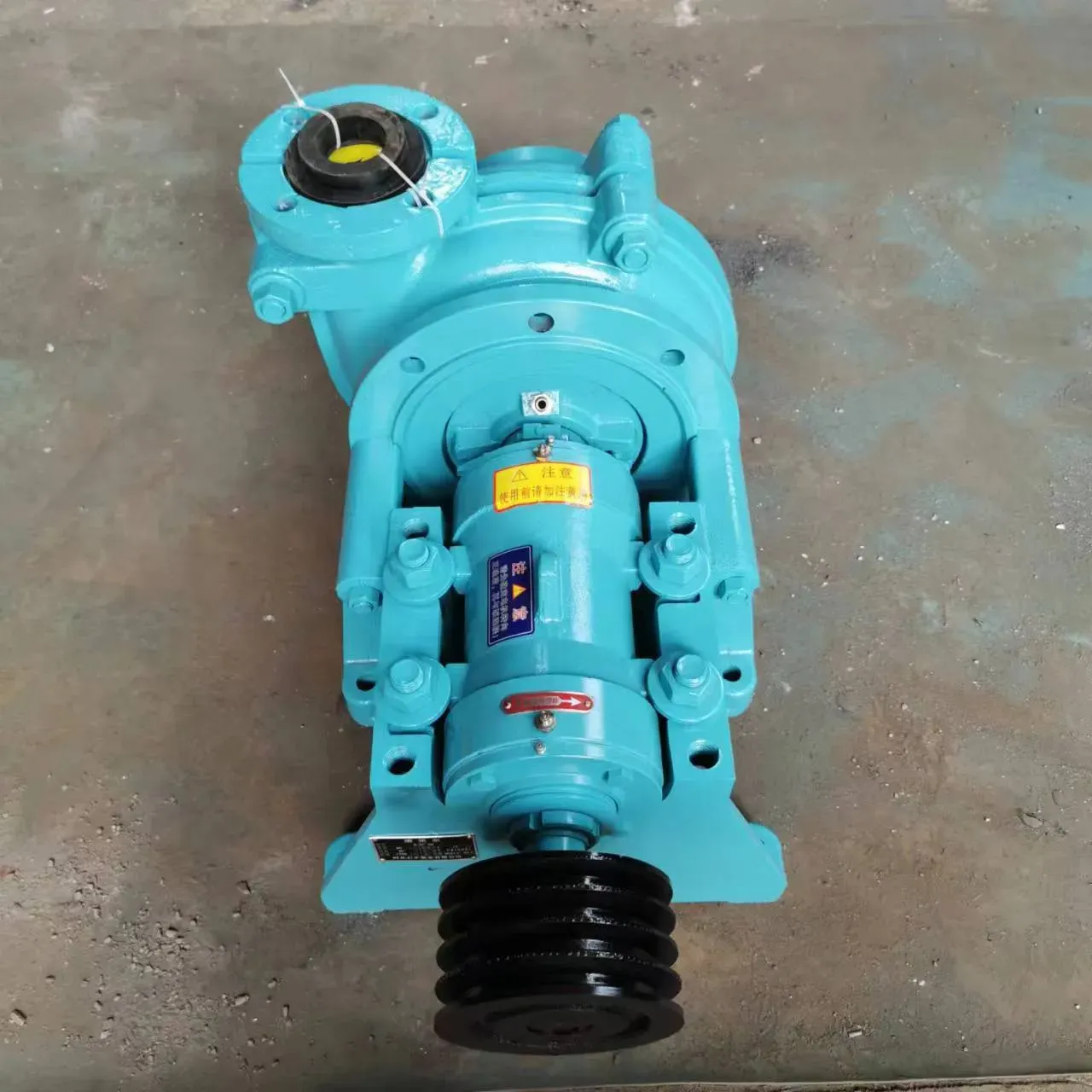
Submersible water pumps for sewage represent a critical component in wastewater management systems, designed for the efficient and reliable removal of solids-laden fluids. These pumps operate fully submerged within the sewage medium, eliminating the need for priming and minimizing noise. Their technical position in the industry chain lies between the collection and conveyance of wastewater and the subsequent treatment phases. Core performance characteristics revolve around hydraulic efficiency, solids handling capability, abrasion resistance, and long-term reliability in corrosive environments. Unlike surface-mounted pumps, submersible designs directly contribute to reduced infrastructure costs and enhanced operational safety due to the absence of exposed suction lines. The increasing urbanization and stricter environmental regulations have driven demand for robust and energy-efficient sewage pumps capable of handling increasingly complex waste streams, including fibrous materials, grit, and chemical contaminants. A primary pain point in the industry is pump failure due to impeller clogging, motor burnout from overheating, or seal degradation caused by abrasive particles. This guide provides an in-depth technical analysis of these pumps, covering material science, manufacturing processes, performance parameters, failure modes, and relevant industry standards.
Material Science & Manufacturing
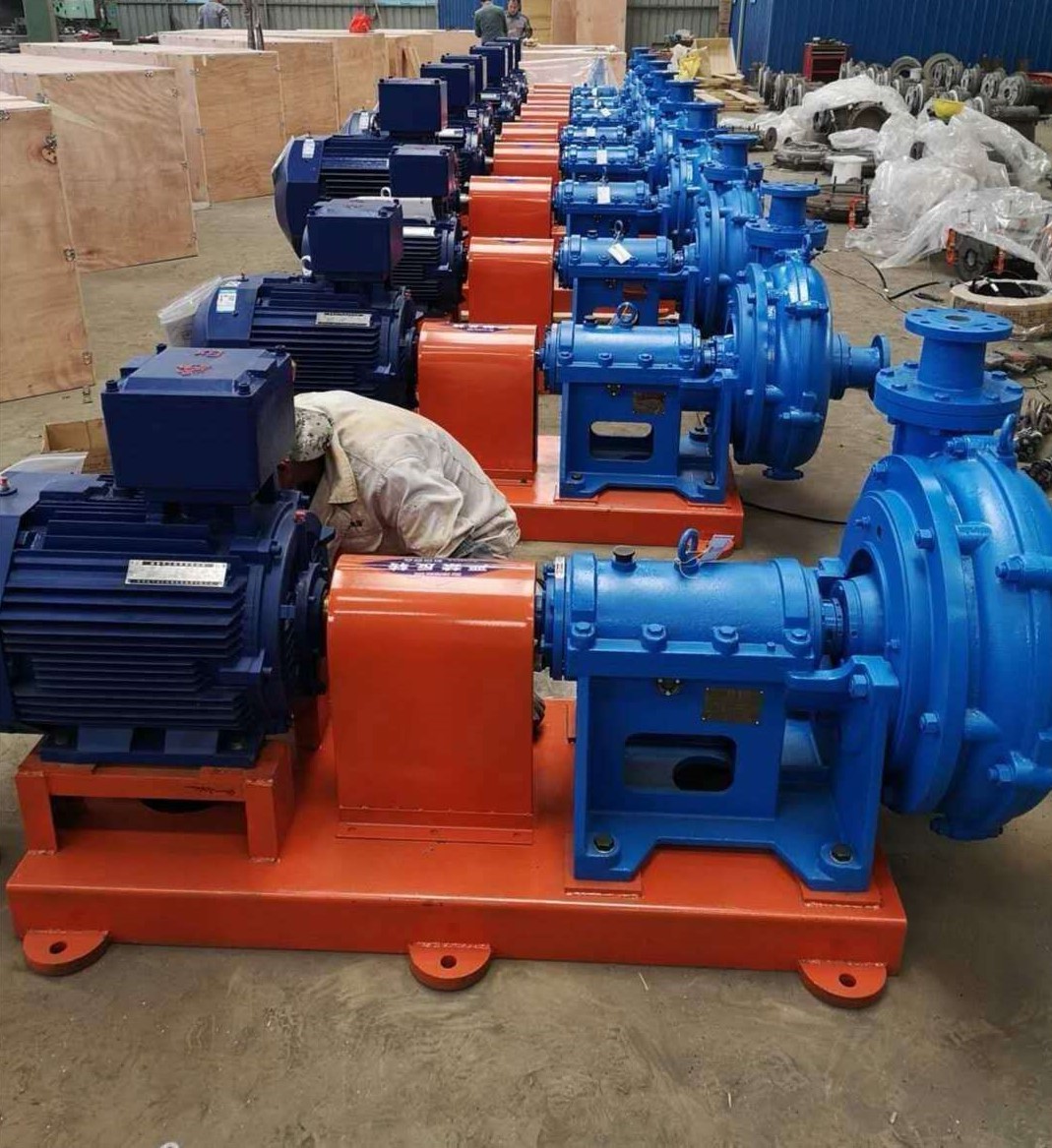
The construction of submersible sewage pumps necessitates careful material selection to withstand the harsh operating environment. Pump casings are typically manufactured from cast iron (ASTM A48 Class 30) due to its cost-effectiveness and good wear resistance. However, for more corrosive applications, stainless steel (316L or duplex stainless steel) or high-density polyethylene (HDPE) are employed. Impellers, critical for hydraulic performance, often utilize high-chrome cast iron or hardened stainless steel to resist abrasion from solid particles. Shafts are commonly made from 4140 alloy steel, heat-treated to achieve high tensile strength and torsional rigidity. The pump motor housing is generally aluminum alloy, providing lightweight construction and effective heat dissipation. Manufacturing processes involve several key steps. Casting is used for the housing and impeller, followed by machining for precision dimensional control. Impeller blades are often manufactured using investment casting for complex geometries. Shaft machining requires precise tolerances to ensure concentricity and prevent vibration. The stator windings are vacuum-impregnated with epoxy resin for insulation and protection against moisture ingress. Pump seals are a crucial component; mechanical seals, typically utilizing silicon carbide faces and nitrile rubber elastomers, are assembled with meticulous care to prevent leakage. Parameter control during manufacturing includes dimensional inspection using coordinate measuring machines (CMM), non-destructive testing (NDT) such as radiographic inspection for casting flaws, and hydrostatic testing to verify casing integrity. The quality of the welding process (SMAW or GTAW) used for joining components is rigorously controlled to ensure structural strength and prevent corrosion.
Performance & Engineering
The performance of a submersible sewage pump is fundamentally governed by its hydraulic design and motor characteristics. Force analysis is critical in ensuring structural integrity; the pump casing must withstand the hydrostatic pressure of the sewage column, as well as the dynamic forces generated by fluid flow and impeller rotation. Environmental resistance is paramount, considering the corrosive nature of sewage and the potential for exposure to hydrogen sulfide (H2S) and other aggressive chemicals. Pump selection must align with compliance requirements stipulated by regulatory bodies, such as NSF/ANSI 61 for materials in contact with potable water (relevant if effluent is reused) and local environmental discharge permits. Functional implementation requires careful consideration of system head loss, flow rate requirements, and solids content of the sewage. Impeller design, incorporating features like recessed impellers or vortex impellers, is tailored to handle specific types of solids without clogging. Motor selection is based on the required horsepower, voltage, and enclosure type (fully submersible, hermetically sealed). Cable selection is crucial, utilizing water-resistant, oil-resistant, and abrasion-resistant cables conforming to IEC 60335 standards. The pump’s power curve (head vs. flow rate) dictates its operational efficiency and must be matched to the system requirements. Consideration must be given to pump starting torque, particularly for high-solids applications, to prevent stalling. A key engineering challenge is minimizing pump wear due to abrasive particles; this is addressed through material selection, impeller design, and the implementation of wear-resistant coatings.
Technical Specifications
| Parameter | Unit | Typical Value (Range) | Testing Standard |
|---|---|---|---|
| Flow Rate | m³/h | 10 – 500 | ISO 9906:2012 |
| Total Head | m | 5 – 80 | ISO 9906:2012 |
| Motor Power | kW | 0.75 – 110 | IEC 60034-1 |
| Maximum Solids Handling | mm | 25 – 75 | Manufacturer Specification |
| Pump Casing Material | - | Cast Iron (A48 Class 30) / Stainless Steel (316L) / HDPE | ASTM A48 / ASTM A966 / ISO 1183 |
| Impeller Material | - | High Chrome Cast Iron / Stainless Steel (410) | ASTM A532 / ASTM A276 |
Failure Mode & Maintenance
Submersible sewage pumps are susceptible to various failure modes. Fatigue cracking in the pump casing can occur due to cyclical stress from fluid pressure and vibration. Impeller clogging, a common issue, leads to reduced flow and increased motor load, potentially causing overheating and burnout. Seal failure allows sewage ingress into the motor, leading to insulation breakdown and short circuits. Abrasion wear of the impeller and casing reduces hydraulic efficiency and increases noise levels. Corrosion, particularly in sulfide-rich environments, degrades pump components over time. Oxidation of electrical connections causes increased resistance and intermittent operation. Failure analysis typically involves visual inspection, dimensional measurements, material analysis (e.g., spectroscopic analysis of corroded components), and electrical testing of the motor windings. Preventative maintenance is crucial. Regular inspection of the pump for signs of wear or corrosion is essential. Periodic cleaning of the impeller area to remove accumulated solids prevents clogging. Lubrication of bearings (if applicable) reduces friction and extends bearing life. Monitoring motor current and temperature provides early warning of potential overheating. Seal replacement should be performed proactively based on operating hours and sewage characteristics. Proper cable management prevents stress on electrical connections. For major repairs, it's recommended to utilize qualified technicians with experience in submersible pump servicing. Routine performance monitoring (flow rate, head, power consumption) helps identify deviations from baseline values and indicates potential problems.
Industry FAQ
Q: What is the optimal impeller type for a sewage pump handling predominantly fibrous materials?
A: For applications with high concentrations of fibrous materials, a vortex impeller is generally preferred. Vortex impellers create a swirling motion that draws the fluid into the pump without significant shearing or cutting action, minimizing clogging and reducing the risk of impeller damage. While less hydraulically efficient than other impeller designs, their superior solids handling capability makes them ideal for fibrous waste.
Q: How does the specific gravity of the sewage affect pump selection?
A: Higher specific gravity sewage requires pumps with greater motor horsepower to achieve the desired flow rate and head. The pump’s head-capacity curve needs to be adjusted to accommodate the increased fluid density. This often necessitates a larger pump size or a more powerful motor.
Q: What are the key considerations for selecting the appropriate pump cable?
A: The cable must be rated for continuous submersion, oil resistance (to withstand potential oil leaks from the motor), abrasion resistance (to prevent damage from solids), and sufficient current carrying capacity. Compliance with IEC 60335 standards is essential, and the cable’s length should be minimized to reduce voltage drop.
Q: What methods can be used to mitigate corrosion in highly corrosive sewage environments?
A: Utilizing corrosion-resistant materials such as duplex stainless steel, epoxy coatings on pump casings, and sacrificial anodes can significantly reduce corrosion rates. Proper ventilation of pump stations to minimize H2S concentration and regular monitoring of pH levels are also crucial.
Q: What are the advantages of using a guide rail coupling system for submersible pumps?
A: Guide rail coupling systems facilitate easy pump removal and installation for maintenance without disturbing the piping. They provide alignment during operation, reducing stress on the pump and discharge pipe. They also allow for visual inspection of the pump without requiring complete system shutdown.
Conclusion
Submersible sewage pumps are indispensable for modern wastewater management, demanding careful consideration of material science, manufacturing precision, and robust engineering principles. Optimizing performance requires a thorough understanding of hydraulic principles, force analysis, and environmental factors. The selection process must be aligned with specific application requirements, including flow rate, head, solids content, and the corrosive nature of the sewage.
Continuous monitoring, preventative maintenance, and proactive failure analysis are critical for ensuring long-term reliability and minimizing operational downtime. Future advancements will likely focus on developing more energy-efficient pumps, utilizing advanced materials for enhanced corrosion resistance, and incorporating smart sensors for predictive maintenance and remote monitoring. The integration of these technologies will further optimize the performance and sustainability of submersible sewage pump systems.
-
Precision at the Pump: How Better Machining Protects Flow and Uptime
News2026-11-20
-
Why Pump Reliability Begins Before the First Drop of Fluid
News2026-11-20
-
Beyond the Pump: Designing Safer Access Around Critical Water Infrastructure
News2026-11-20
-
Why Pumping Stations Depend on the Infrastructure Beneath the Pumps
News2026-11-20
-
Beyond the Pump Room: How Smarter Loading Protects Industrial Equipment
News2026-11-19
-
When Pumps Stop: Designing More Resilient Power for Critical Pumping Systems
News2026-11-19
-
The Hidden Role of Dust and Gas Monitoring in Reliable Pump Operations
News2026-11-19
-
The Hidden Role of Mineral Compounds in Extending Industrial Pump Lifespan
News2026-10-12
-
Why Pump System Reliability Depends on Precision Hose Assembly Methods
News2026-09-15
-
How Advanced Imaging Films Are Transforming Pump Component Quality Control
News2026-08-25
-
How Advanced Filtration Protects Pump Systems from Premature Wear and Costly Downtime
News2026-08-25
-
How Steel Material Selection Drives Pump Reliability in Heavy-Duty Systems
News2026-08-25
-
Ensuring Pump System Efficiency: The Role of High-Quality Pipe Fittings and Tubing
News2026-08-24
-
Optimizing Fluid Dynamics and Material Consistency in Industrial Processing
News2026-08-18
-
Innovations and Challenges in Hydraulic Systems for Heavy Machinery
News2026-08-13




