English
- Afrikaans
- Albanian
- Amharic
- Arabic
- Armenian
- Azerbaijani
- Basque
- Belarusian
- Bengali
- Bosnian
- Bulgarian
- Catalan
- Cebuano
- Corsican
- Croatian
- Czech
- Danish
- Dutch
- English
- Esperanto
- Estonian
- Finnish
- French
- Frisian
- Galician
- Georgian
- German
- Greek
- Gujarati
- Haitian Creole
- hausa
- hawaiian
- Hebrew
- Hindi
- Miao
- Hungarian
- Icelandic
- igbo
- Indonesian
- irish
- Italian
- Japanese
- Javanese
- Kannada
- kazakh
- Khmer
- Rwandese
- Korean
- Kurdish
- Kyrgyz
- Lao
- Latin
- Latvian
- Lithuanian
- Luxembourgish
- Macedonian
- Malgashi
- Malay
- Malayalam
- Maltese
- Maori
- Marathi
- Mongolian
- Myanmar
- Nepali
- Norwegian
- Norwegian
- Occitan
- Pashto
- Persian
- Polish
- Portuguese
- Punjabi
- Romanian
- Russian
- Samoan
- Scottish Gaelic
- Serbian
- Sesotho
- Shona
- Sindhi
- Sinhala
- Slovak
- Slovenian
- Somali
- Spanish
- Sundanese
- Swahili
- Swedish
- Tagalog
- Tajik
- Tamil
- Tatar
- Telugu
- Thai
- Turkish
- Turkmen
- Ukrainian
- Urdu
- Uighur
- Uzbek
- Vietnamese
- Welsh
- Bantu
- Yiddish
- Yoruba
- Zulu

Telephone: +86 13120555503
Email: frank@cypump.com


Apr . 01, 2024 17:55 Back to list
submersible vortex sewage pump Material Science Manufacturing
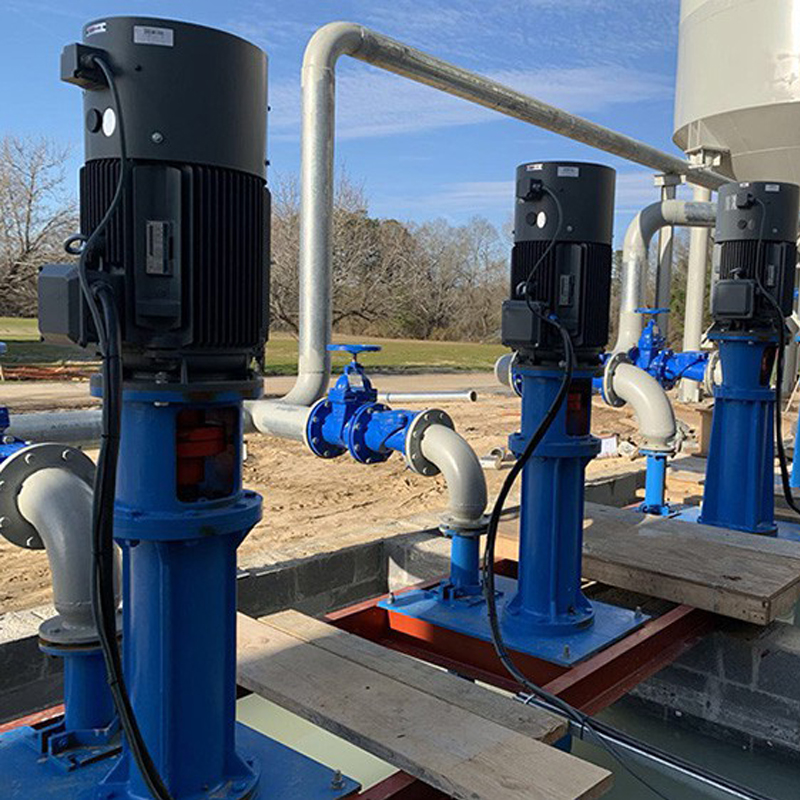
Introduction
Submersible vortex sewage pumps are centrifugal pumps specifically designed for the efficient and reliable transfer of wastewater and sewage containing solids. Unlike conventional pumps which are susceptible to clogging, these pumps utilize a unique impeller design – the vortex impeller – to induce a swirling motion in the fluid. This vortex action draws solids into the pump center, allowing them to pass through the impeller without significant abrasion or impedance, reducing the risk of blockage and pump failure. Positioned within the municipal and industrial wastewater treatment chain, these pumps are crucial for primary solids handling, lift stations, and pre-treatment processes. Core performance characteristics are defined by flow rate (typically measured in m³/h or GPM), head (meters or feet), solids handling capability (diameter and concentration), power requirements (kW or HP), and pump efficiency. A key industry pain point is balancing efficient solids handling with maintaining high hydraulic efficiency and minimizing wear, especially in abrasive environments.
Material Science & Manufacturing
The primary materials utilized in submersible vortex sewage pump construction are cast iron (typically grey iron ASTM A48 Class 30), stainless steel (304 or 316 for increased corrosion resistance, especially in marine or chemically aggressive environments), and high-strength polymers (for impellers and sometimes housings, offering weight reduction and corrosion immunity). Cast iron provides excellent wear resistance and damping properties, minimizing noise and vibration. Stainless steel, while more costly, is essential where chlorides or other corrosive agents are present. Polymer impellers are often formulated with glass-filled polypropylene or similar materials to enhance structural integrity and abrasion resistance. Manufacturing processes include sand casting for housings and impellers, investment casting for complex impeller geometries, and machining for precision tolerances on shaft seals and impeller fitting surfaces. Critical parameter control during manufacturing focuses on impeller vane angle and profile (affecting vortex formation and solids handling), concentricity of rotating components (minimizing vibration and bearing wear), and coating application (e.g., epoxy coatings for corrosion protection). Welding procedures, where employed, must adhere to AWS D1.1 standards to ensure structural integrity and leak prevention. Shaft seals (typically mechanical seals) require stringent quality control to prevent ingress of abrasive particles and maintain long-term performance. Material hardness testing (Brinell, Rockwell) and non-destructive testing (NDT) such as ultrasonic testing are routinely employed to verify material quality.
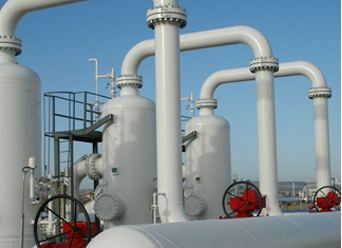
Performance & Engineering
Performance of a submersible vortex sewage pump is heavily reliant on hydraulic design and motor selection. The vortex impeller imparts a tangential velocity to the fluid, creating a low-pressure zone at the impeller eye that effectively draws in solids. Force analysis includes consideration of radial loads imposed by the impeller on the bearings, axial thrust due to fluid pressure, and torsional stress on the shaft. Environmental resistance is paramount; pumps are often deployed in harsh conditions including exposure to corrosive chemicals, abrasive solids, and fluctuating temperatures. Compliance requirements vary by region, but typically involve adherence to electrical safety standards (IEC 60034), pump performance standards (ISO 9906), and environmental regulations regarding noise emissions and energy efficiency. Functional implementation necessitates careful consideration of pump curve matching to the system head-flow characteristics. Proper selection of motor size and type (typically asynchronous induction motors, often with variable frequency drives (VFDs) for flow control) is crucial for efficient operation and long-term reliability. Furthermore, effective cooling mechanisms are required to dissipate heat generated by the motor, especially in submerged applications. The pump’s hydraulic efficiency is significantly impacted by impeller design and the clearance between the impeller and the pump casing.
Technical Specifications
| Parameter | Unit | Typical Value (Small Pump) | Typical Value (Large Pump) |
|---|---|---|---|
| Flow Rate | m³/h | 10-50 | 200-800 |
| Head | m | 5-20 | 40-100 |
| Solids Handling | mm | 25-50 | 75-150 |
| Motor Power | kW | 0.75-2.2 | 7.5-30 |
| Impeller Material | - | Polypropylene | Stainless Steel (316) |
| Housing Material | - | Cast Iron (A48 Cl. 30) | Cast Iron (A48 Cl. 30) / Stainless Steel (304) |
Failure Mode & Maintenance
Common failure modes in submersible vortex sewage pumps include impeller wear (due to abrasive solids), bearing failure (caused by radial loads and contamination), seal failure (leading to motor ingress and failure), and winding insulation breakdown (from moisture and thermal stress). Fatigue cracking can occur in the pump housing and impeller due to cyclic loading. Delamination of polymer coatings can accelerate corrosion. Oxidation of metallic components, especially in high-temperature environments, can reduce material strength. Failure analysis typically involves visual inspection, dimensional measurements, metallurgical analysis (for identifying wear mechanisms and material defects), and electrical testing (for assessing winding insulation resistance). Preventive maintenance is crucial. This includes regular inspection of seals, bearings, and impellers, lubrication of bearings, and monitoring of motor current and voltage. Scheduled replacement of wear parts (e.g., impeller) is recommended based on operating hours and the severity of the application. Periodic cleaning of the pump housing and impeller can remove accumulated debris. For seal failures, a thorough inspection of the shaft and seal housing is necessary to identify and correct any damage or misalignment. Regular monitoring of vibration levels can provide early warning of bearing or impeller issues.
Industry FAQ
Q: What is the primary difference between a vortex impeller pump and a conventional centrifugal pump for sewage?
A: A conventional centrifugal pump relies on direct impact and lifting of solids, making it prone to clogging. A vortex impeller creates a swirling motion, drawing solids into the center and allowing them to pass through without significant impact. This drastically reduces clogging and improves the pump's ability to handle solids-laden fluids.
Q: How does the material selection impact the lifespan of a submersible sewage pump in a corrosive environment?
A: Material selection is critical. Using cast iron in environments with high chloride concentrations will lead to rapid corrosion and pump failure. Stainless steel (316) offers superior corrosion resistance, significantly extending pump lifespan, although at a higher upfront cost. Polymer impellers can also mitigate corrosion concerns.
Q: What is the importance of mechanical seal selection and maintenance?
A: Mechanical seals are crucial for preventing water ingress into the motor compartment. Improper seal selection or inadequate maintenance (e.g., lack of lubrication or allowing abrasive particles to penetrate) will lead to motor failure. Regular inspection and replacement of seals are vital.
Q: How can I determine the appropriate pump size for a specific sewage application?
A: Pump sizing requires a detailed analysis of the system’s head-flow characteristics. You need to determine the total dynamic head (TDH) – which includes static lift, friction losses in the piping, and pressure requirements – and the required flow rate. The pump curve should be matched to these operating conditions to ensure efficient and reliable performance.
Q: What preventative maintenance procedures are most critical for extending the life of a submersible vortex sewage pump?
A: Regular inspection of the impeller for wear, lubrication of bearings, monitoring of motor current, and checking seal integrity are the most critical preventative maintenance procedures. Scheduled replacement of wear parts and periodic cleaning of the pump housing are also essential.
Conclusion
Submersible vortex sewage pumps represent a robust and reliable solution for handling challenging wastewater applications. Their unique impeller design minimizes clogging and maximizes solids handling capability, addressing a critical pain point in the wastewater treatment industry. Successful implementation hinges on careful material selection, precise manufacturing control, and adherence to rigorous maintenance protocols.
Future advancements will likely focus on optimizing impeller geometries for even greater hydraulic efficiency and solids handling capacity, utilizing advanced materials for enhanced corrosion resistance and wear life, and integrating smart sensor technologies for predictive maintenance and remote monitoring. Ultimately, a thorough understanding of the pump's engineering principles and operational characteristics is essential for maximizing its performance and longevity.
-
Precision at the Pump: How Better Machining Protects Flow and Uptime
News2026-11-20
-
Why Pump Reliability Begins Before the First Drop of Fluid
News2026-11-20
-
Beyond the Pump: Designing Safer Access Around Critical Water Infrastructure
News2026-11-20
-
Why Pumping Stations Depend on the Infrastructure Beneath the Pumps
News2026-11-20
-
Beyond the Pump Room: How Smarter Loading Protects Industrial Equipment
News2026-11-19
-
When Pumps Stop: Designing More Resilient Power for Critical Pumping Systems
News2026-11-19
-
The Hidden Role of Dust and Gas Monitoring in Reliable Pump Operations
News2026-11-19
-
The Hidden Role of Mineral Compounds in Extending Industrial Pump Lifespan
News2026-10-12
-
Why Pump System Reliability Depends on Precision Hose Assembly Methods
News2026-09-15
-
How Advanced Imaging Films Are Transforming Pump Component Quality Control
News2026-08-25
-
How Advanced Filtration Protects Pump Systems from Premature Wear and Costly Downtime
News2026-08-25
-
How Steel Material Selection Drives Pump Reliability in Heavy-Duty Systems
News2026-08-25
-
Ensuring Pump System Efficiency: The Role of High-Quality Pipe Fittings and Tubing
News2026-08-24
-
Optimizing Fluid Dynamics and Material Consistency in Industrial Processing
News2026-08-18
-
Innovations and Challenges in Hydraulic Systems for Heavy Machinery
News2026-08-13




