English
- Afrikaans
- Albanian
- Amharic
- Arabic
- Armenian
- Azerbaijani
- Basque
- Belarusian
- Bengali
- Bosnian
- Bulgarian
- Catalan
- Cebuano
- Corsican
- Croatian
- Czech
- Danish
- Dutch
- English
- Esperanto
- Estonian
- Finnish
- French
- Frisian
- Galician
- Georgian
- German
- Greek
- Gujarati
- Haitian Creole
- hausa
- hawaiian
- Hebrew
- Hindi
- Miao
- Hungarian
- Icelandic
- igbo
- Indonesian
- irish
- Italian
- Japanese
- Javanese
- Kannada
- kazakh
- Khmer
- Rwandese
- Korean
- Kurdish
- Kyrgyz
- Lao
- Latin
- Latvian
- Lithuanian
- Luxembourgish
- Macedonian
- Malgashi
- Malay
- Malayalam
- Maltese
- Maori
- Marathi
- Mongolian
- Myanmar
- Nepali
- Norwegian
- Norwegian
- Occitan
- Pashto
- Persian
- Polish
- Portuguese
- Punjabi
- Romanian
- Russian
- Samoan
- Scottish Gaelic
- Serbian
- Sesotho
- Shona
- Sindhi
- Sinhala
- Slovak
- Slovenian
- Somali
- Spanish
- Sundanese
- Swahili
- Swedish
- Tagalog
- Tajik
- Tamil
- Tatar
- Telugu
- Thai
- Turkish
- Turkmen
- Ukrainian
- Urdu
- Uighur
- Uzbek
- Vietnamese
- Welsh
- Bantu
- Yiddish
- Yoruba
- Zulu

Telephone: +86 13120555503
Email: frank@cypump.com


Apr . 01, 2024 17:55 Back to list
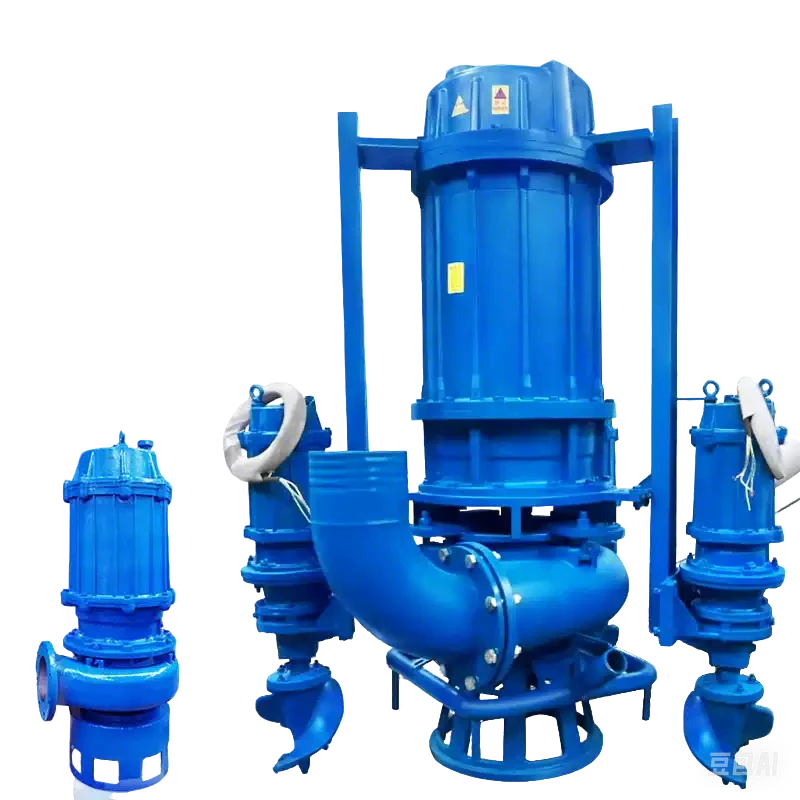
submersible shredder sewage pump Performance Engineering
Introduction
Submersible shredder sewage pumps are engineered electromechanical devices designed for the efficient removal of wastewater containing solids. Positioned within the industrial water and wastewater treatment chain, these pumps represent a critical link between preliminary solids handling and subsequent biological or chemical treatment processes. Unlike standard centrifugal pumps, submersible shredder pumps incorporate an integrated cutting mechanism to reduce the size of solids, preventing clogging and ensuring continuous, reliable operation. Core performance characteristics center around hydraulic efficiency, solids handling capability, abrasion resistance, and longevity within aggressive wastewater environments. They are crucial for municipal wastewater treatment plants, industrial facilities generating process wastewater, and commercial buildings requiring reliable sewage ejection systems. The selection criteria are heavily influenced by flow rate requirements, total dynamic head, solids content, and the chemical composition of the wastewater stream.
Material Science & Manufacturing
The construction of submersible shredder sewage pumps necessitates robust material selection to withstand the corrosive and abrasive nature of wastewater. Pump casings are frequently manufactured from ductile iron (ASTM A536 Grade 65-45-12), chosen for its high tensile strength, impact resistance, and inherent corrosion resistance. Impeller materials commonly include high-chrome cast iron (typically containing 13-18% chromium) which provides exceptional abrasion resistance, crucial for handling sand, grit, and other particulate matter. Shafts are typically manufactured from stainless steel (316 or 410 series) due to its superior corrosion resistance and mechanical properties. Seals are a critical component, often employing silicon carbide faces (SiC) paired with elastomers like Viton or EPDM to ensure chemical compatibility and prevent leakage. Manufacturing processes involve sand casting for the housing and impellers, followed by machining to precise tolerances. Shaft machining and assembly are performed under stringent quality control. The shredding mechanism itself is typically fabricated from hardened steel alloys, often through investment casting, to provide durability and effective solids reduction. Welding processes used in the assembly of certain components require adherence to AWS D1.1 standards for structural welding. Critical parameters during manufacturing include impeller balancing (ISO 1940-1) to minimize vibration and extend bearing life, and non-destructive testing (NDT), such as liquid penetrant inspection (ASTM E165), to identify surface flaws.
Performance & Engineering
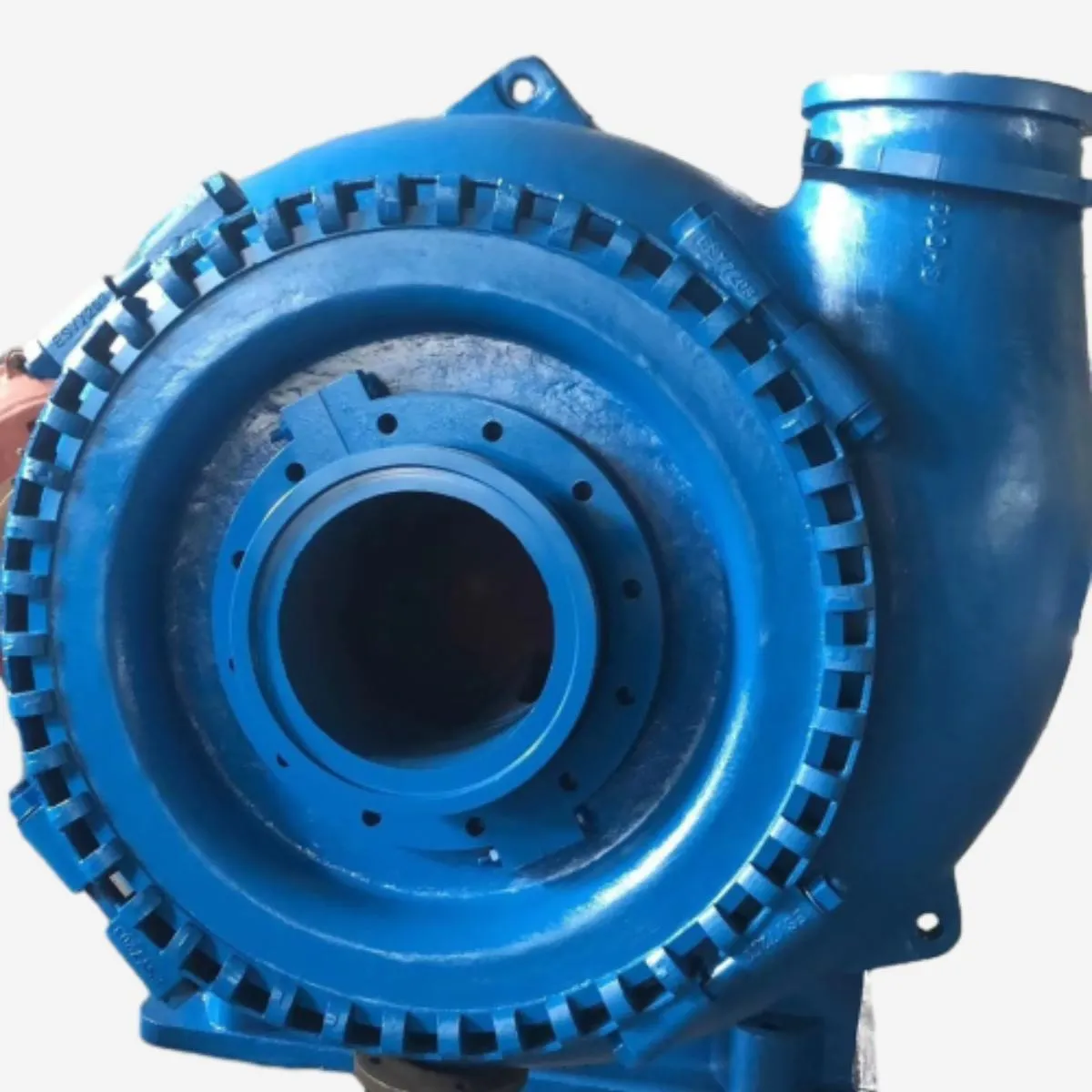
Performance engineering of submersible shredder sewage pumps focuses on optimizing hydraulic efficiency, solids handling capacity, and reliability. Force analysis is crucial, considering both static and dynamic loads imposed by the fluid and the shredding process. Finite Element Analysis (FEA) is utilized to model stress distribution within the pump housing and impeller, ensuring structural integrity under maximum operating conditions. The impeller design is a key factor, influencing flow rate, head, and solids reduction effectiveness. Vane geometry, impeller diameter, and rotational speed are all meticulously calculated to achieve optimal performance. Environmental resistance is paramount; pumps must withstand continuous immersion in wastewater with varying pH levels and temperatures. Compliance with environmental regulations, such as those set by the EPA regarding effluent discharge, necessitates minimizing pump leakage and ensuring robust sealing systems. The shredding mechanism requires careful engineering to prevent jamming and ensure effective solids reduction without excessive power consumption. This involves optimizing cutter geometry, spacing, and rotational speed. Motor selection is also critical, requiring submersible motors specifically designed for continuous operation in wastewater environments, typically rated to IP68 standards for ingress protection. The pump's power cable and cable gland assembly must also be robust and sealed to prevent water ingress and electrical hazards, adhering to IEC 60309 standards for electrical connections.
Technical Specifications
| Parameter | Unit | Typical Value (Range) | Testing Standard |
|---|---|---|---|
| Flow Rate | m³/h | 50 – 500 | ISO 9906:2016 |
| Total Dynamic Head | m | 10 – 80 | ISO 9906:2016 |
| Motor Power | kW | 1.5 – 30 | IEC 60034 |
| Solids Handling Capability | mm | Up to 75 | Internal Testing (Manufacturer Specific) |
| Maximum Immersion Depth | m | Up to 20 | Design Calculation & Testing |
| Operating Temperature | °C | 0 – 40 | Design Specification |
Failure Mode & Maintenance
Submersible shredder sewage pumps are susceptible to several failure modes. Fatigue cracking of the impeller, particularly around the vanes, can occur due to cyclical loading and abrasive wear. Delamination of the pump housing coating (if applicable) can lead to corrosion and material loss. Degradation of the elastomer seals due to chemical attack or temperature extremes results in leakage. Oxidation and corrosion of metallic components are common, particularly in aggressive wastewater environments. Bearing failure, often manifested as excessive noise and vibration, is frequently caused by contamination or inadequate lubrication. A common failure point is the shredding mechanism itself, which can jam due to oversized or non-biodegradable objects. Preventative maintenance is crucial. Regular inspection of seals, bearings, and the shredding mechanism is recommended. Lubrication of bearings should be performed according to manufacturer’s specifications. Periodic cleaning to remove accumulated debris is essential. Monitoring of motor current and voltage can identify potential electrical issues. For major repairs, components should be replaced with OEM-approved parts. Non-destructive testing (NDT) such as ultrasonic testing (ASTM E797) can be used to assess the integrity of critical components. Regular visual inspections for signs of corrosion or wear are paramount. Proper pump selection for the specific application, considering wastewater composition and solids content, is a fundamental step in preventing premature failure.
Industry FAQ
Q: What is the impact of abrasive solids on impeller life?
A: Abrasive solids significantly reduce impeller life. The rate of wear depends on the concentration, size, and hardness of the solids, as well as the impeller material. High-chrome cast iron impellers offer superior abrasion resistance, but still require periodic inspection and eventual replacement. Minimizing the presence of large, hard solids through preliminary screening can extend impeller life substantially.
Q: How does wastewater temperature affect pump performance and seal longevity?
A: Elevated wastewater temperatures can reduce the viscosity of the fluid, potentially increasing flow rate but also accelerating the degradation of elastomer seals. High temperatures can cause seals to swell, shrink, or become brittle, leading to leakage. Pump materials must be selected to withstand the maximum expected operating temperature.
Q: What are the key considerations for selecting a submersible pump motor?
A: Motor selection should prioritize submersible design, appropriate horsepower for the application’s head and flow requirements, and compliance with relevant electrical safety standards (IEC 60034). Insulation class (typically H or F) and ingress protection (IP68) are critical. The motor must also be compatible with the wastewater composition to prevent corrosion.
Q: What are the common causes of pump jamming and how can they be prevented?
A: Pump jamming is typically caused by oversized solids, stringy materials (rags, plastics), or debris accumulation. Prevention strategies include installing inlet screens, employing pumps with effective shredding mechanisms, and regularly inspecting and clearing the pump intake.
Q: What is the role of the pump's power cable and how should it be maintained?
A: The power cable provides electrical power to the submersible motor. It must be robustly constructed and sealed to prevent water ingress and electrical shock hazards. Regular inspection for damage (cuts, abrasions) is crucial. The cable should be properly supported to prevent strain and stress. Adherence to IEC 60309 standards for electrical connections is essential.
Conclusion
Submersible shredder sewage pumps represent a vital component in modern wastewater management systems, offering a robust and reliable solution for handling solids-laden wastewater. Their performance is fundamentally linked to careful material selection, meticulous manufacturing processes, and sound engineering principles. Understanding the potential failure modes and implementing proactive maintenance strategies are crucial for maximizing pump longevity and minimizing operational downtime.
Future advancements in this technology are likely to focus on improving hydraulic efficiency through optimized impeller designs, enhancing abrasion resistance with novel materials, and integrating smart monitoring systems for predictive maintenance. Continued adherence to industry standards and a commitment to quality assurance will ensure the continued reliability and effectiveness of these critical pumps.
-
Precision at the Pump: How Better Machining Protects Flow and Uptime
News2026-11-20
-
Why Pump Reliability Begins Before the First Drop of Fluid
News2026-11-20
-
Beyond the Pump: Designing Safer Access Around Critical Water Infrastructure
News2026-11-20
-
Why Pumping Stations Depend on the Infrastructure Beneath the Pumps
News2026-11-20
-
Beyond the Pump Room: How Smarter Loading Protects Industrial Equipment
News2026-11-19
-
When Pumps Stop: Designing More Resilient Power for Critical Pumping Systems
News2026-11-19
-
The Hidden Role of Dust and Gas Monitoring in Reliable Pump Operations
News2026-11-19
-
The Hidden Role of Mineral Compounds in Extending Industrial Pump Lifespan
News2026-10-12
-
Why Pump System Reliability Depends on Precision Hose Assembly Methods
News2026-09-15
-
How Advanced Imaging Films Are Transforming Pump Component Quality Control
News2026-08-25
-
How Advanced Filtration Protects Pump Systems from Premature Wear and Costly Downtime
News2026-08-25
-
How Steel Material Selection Drives Pump Reliability in Heavy-Duty Systems
News2026-08-25
-
Ensuring Pump System Efficiency: The Role of High-Quality Pipe Fittings and Tubing
News2026-08-24
-
Optimizing Fluid Dynamics and Material Consistency in Industrial Processing
News2026-08-18
-
Innovations and Challenges in Hydraulic Systems for Heavy Machinery
News2026-08-13




