English
- Afrikaans
- Albanian
- Amharic
- Arabic
- Armenian
- Azerbaijani
- Basque
- Belarusian
- Bengali
- Bosnian
- Bulgarian
- Catalan
- Cebuano
- Corsican
- Croatian
- Czech
- Danish
- Dutch
- English
- Esperanto
- Estonian
- Finnish
- French
- Frisian
- Galician
- Georgian
- German
- Greek
- Gujarati
- Haitian Creole
- hausa
- hawaiian
- Hebrew
- Hindi
- Miao
- Hungarian
- Icelandic
- igbo
- Indonesian
- irish
- Italian
- Japanese
- Javanese
- Kannada
- kazakh
- Khmer
- Rwandese
- Korean
- Kurdish
- Kyrgyz
- Lao
- Latin
- Latvian
- Lithuanian
- Luxembourgish
- Macedonian
- Malgashi
- Malay
- Malayalam
- Maltese
- Maori
- Marathi
- Mongolian
- Myanmar
- Nepali
- Norwegian
- Norwegian
- Occitan
- Pashto
- Persian
- Polish
- Portuguese
- Punjabi
- Romanian
- Russian
- Samoan
- Scottish Gaelic
- Serbian
- Sesotho
- Shona
- Sindhi
- Sinhala
- Slovak
- Slovenian
- Somali
- Spanish
- Sundanese
- Swahili
- Swedish
- Tagalog
- Tajik
- Tamil
- Tatar
- Telugu
- Thai
- Turkish
- Turkmen
- Ukrainian
- Urdu
- Uighur
- Uzbek
- Vietnamese
- Welsh
- Bantu
- Yiddish
- Yoruba
- Zulu

Telephone: +86 13120555503
Email: frank@cypump.com


Apr . 01, 2024 17:55 Back to list
submersible sewer pump Material Science and Manufacturing
Introduction
Submersible sewer pumps are centrifugal pumps specifically designed for removal of wastewater, solids, and debris from municipal and industrial sewage systems. Positioned within the wastewater stream, they operate submerged in the liquid being pumped, eliminating the need for priming and minimizing noise. Their technical position lies within the broader wastewater treatment infrastructure, representing a critical component for efficient conveyance and processing. Core performance characteristics center on hydraulic efficiency, solids handling capability, motor durability in corrosive environments, and reliable operation during periods of peak flow. These pumps address key industry pain points related to clogging, pump station downtime, and the escalating costs associated with maintaining aging infrastructure. The selection of an appropriate submersible sewer pump requires a comprehensive understanding of flow rates, head pressures, solids content, and the chemical composition of the wastewater.
Material Science & Manufacturing
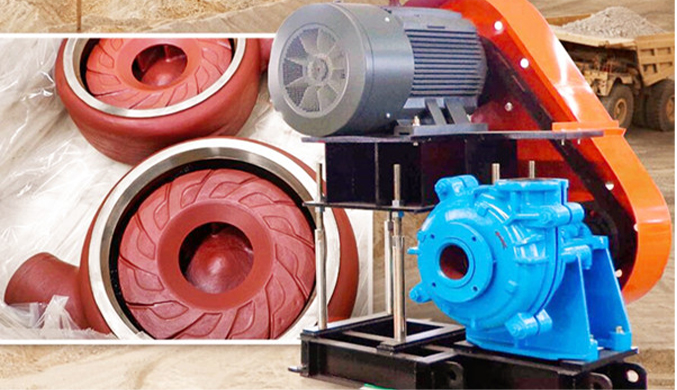
The construction of submersible sewer pumps relies on a complex interplay of material science and precision manufacturing techniques. Pump casings are frequently manufactured from ductile iron (ASTM A536-83), chosen for its high tensile strength, ductility, and corrosion resistance. Impellers, the rotating component responsible for generating flow, often utilize high-chrome cast iron (e.g., 65-45-12) to withstand abrasive wear from entrained solids. Shafts are generally made from stainless steel (e.g., 410, 431) selected for its strength and resistance to corrosion. Seals critical to maintaining pump integrity commonly employ silicon carbide (SiC) faces, providing exceptional hardness and chemical inertness. The motor housing is typically constructed from cast iron or stainless steel. Manufacturing processes involve precision sand casting for the casing and impeller, followed by machining to tight tolerances. Welding processes, such as shielded metal arc welding (SMAW) or submerged arc welding (SAW), are employed to join components, with stringent quality control measures applied to ensure weld integrity. Motor winding insulation utilizes Class H materials (180°C) for thermal stability. Cable entry points require epoxy encapsulation to prevent water ingress. Key parameter control during manufacturing focuses on impeller balance, casing dimensional accuracy, and seal surface finish to maximize hydraulic efficiency and operational longevity.
Performance & Engineering
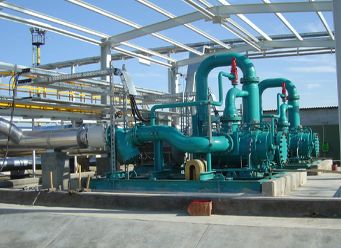
Performance analysis of submersible sewer pumps necessitates a detailed consideration of hydraulic and mechanical engineering principles. Pump curves, generated through rigorous testing according to Hydraulic Institute standards (HI 1.6), define the relationship between flow rate, head, and efficiency. Force analysis focuses on radial and axial thrust loads imposed on the impeller and shaft, requiring robust bearing designs (typically deep-groove ball bearings or tapered roller bearings) and shaft support systems. Environmental resistance is paramount, given the corrosive nature of sewage. Materials selection must account for the pH levels, sulfide concentrations, and the presence of abrasive solids. Compliance requirements include adherence to National Electrical Manufacturers Association (NEMA) standards for motor enclosure protection (e.g., NEMA MG 1) and safety certifications (e.g., UL 508A). The design of the pump’s impeller and volute is critical for efficient solids handling; open impeller designs are preferred for handling large solids without clogging. Motor cooling is achieved through oil-filled motor housings, allowing for efficient heat dissipation. Pump station design must consider dynamic and static head losses within the piping system to ensure optimal pump performance and prevent cavitation. The pump’s electrical connection and cable must be suitable for continuous submersion and resist degradation from wastewater chemicals.
Technical Specifications
| Pump Capacity (GPM) | Total Dynamic Head (ft) | Motor Horsepower (HP) | Maximum Solids Handling (in) |
|---|---|---|---|
| 50-100 | 20-50 | 1-2 | 2 |
| 100-250 | 50-100 | 3-5 | 3 |
| 250-500 | 100-200 | 7.5-10 | 4 |
| 500-1000 | 200-300 | 15-20 | 6 |
| 1000-2000 | 300-400 | 25-40 | 8 |
| 2000+ | 400+ | 50+ | 12 |
Failure Mode & Maintenance
Submersible sewer pump failures typically fall into several categories. Fatigue cracking of the impeller, often initiated at stress concentration points, is a common issue exacerbated by abrasive solids. Delamination of the pump casing, particularly in ductile iron components, can occur due to corrosion and cyclic loading. Degradation of the motor windings due to overheating and moisture ingress results in electrical failure. Seal failure leads to water ingress into the motor housing, causing short circuits and corrosion. Bearing failure, often indicated by excessive noise and vibration, can result from inadequate lubrication or contamination. Oxidation of electrical connections contributes to increased resistance and potential failure. Preventive maintenance is crucial. Regular inspection of seals, bearings, and electrical connections is essential. Oil analysis can detect early signs of motor winding degradation. Impeller balancing should be performed periodically. Proper pump station cleaning and debris removal minimize abrasive wear. Scheduled replacement of wear components, such as seals and bearings, extends pump life. Monitoring pump performance parameters (e.g., current draw, vibration levels) provides early warning of potential failures. Use of corrosion inhibitors in the wastewater stream can mitigate corrosion rates.
Industry FAQ
Q: What is the optimal impeller material for handling highly abrasive wastewater containing grit and sand?
A: For highly abrasive wastewater, a high-chrome cast iron impeller is the most suitable choice. The high chrome content significantly increases the impeller's resistance to wear and erosion, extending its service life compared to standard cast iron or stainless steel impellers.
Q: How does the pump's motor cooling system impact its reliability in continuous operation?
A: The motor cooling system is critical. Oil-filled motor housings provide superior heat dissipation compared to air-cooled designs, preventing overheating and extending the motor's lifespan. Regular oil monitoring is crucial to ensure its dielectric properties and cooling efficiency remain within acceptable limits.
Q: What are the key considerations for selecting the appropriate seal material for a specific wastewater composition?
A: Seal material selection depends on the wastewater's chemical composition and pH. Silicon carbide (SiC) faces are generally preferred for their broad chemical resistance and hardness. However, specific chemicals may require alternative materials like tungsten carbide or specialized elastomers. Compatibility charts should be consulted to ensure the seal material is resistant to degradation.
Q: How can I minimize the risk of pump clogging due to rags and debris?
A: Utilizing a pump with an open impeller design, incorporating a grinder upstream of the pump, and implementing regular pump station cleaning and debris removal programs are effective strategies. Proper screening of influent wastewater can also significantly reduce the amount of clogging material.
Q: What are the implications of exceeding the pump's maximum solids handling capacity?
A: Exceeding the maximum solids handling capacity can lead to impeller clogging, increased wear, and potential pump failure. It can also cause increased energy consumption and reduced pump efficiency. Proper sizing of the pump based on anticipated solids content is crucial.
Conclusion
Submersible sewer pumps represent a vital element in modern wastewater management systems, offering a reliable and efficient means of conveying wastewater. Their design and performance are heavily influenced by material science, hydraulic engineering, and a thorough understanding of the operating environment. Careful consideration of pump capacity, head requirements, solids handling capabilities, and corrosion resistance is paramount for selecting the optimal pump for a given application.
Ongoing preventative maintenance, including regular inspections, oil analysis, and component replacement, is critical to maximizing pump lifespan and minimizing downtime. Adherence to industry standards and best practices ensures long-term operational reliability and cost-effectiveness. Future advancements in pump design and materials will likely focus on increased energy efficiency, improved solids handling, and enhanced corrosion resistance, further solidifying the role of these pumps in sustainable wastewater management.
-
Sewer Line Pump Material Science and Manufacturing
News2026-05-15
-
best sewage pump Performance Analysis
News2026-05-15
-
sewage pump for basement bathroom Performance and Engineering
News2026-05-15
-
submersible sewer pump Material Science and Manufacturing
News2026-05-15
-
septic tank sump pump Performance Analysis
News2026-05-15
-
effluent pump Performance and Engineering
News2026-05-14
-
basement waste pump Performance Analysis
News2026-05-14
-
sewage water pump Material Science and Manufacturing
News2026-05-14
-
Sewage Transfer Pump Performance Analysis
News2026-05-14
-
sewage submersible pump Performance Analysis
News2026-05-14
-
sewage pumps for basements Material Science Manufacturing
News2026-05-13
-
sewage pump systems Performance and Engineering
News2026-05-13
-
sewage grinding pump Material Science and Manufacturing
News2026-05-13
-
ejector pumps for sewage Performance Analysis
News2026-05-13
-
effluent pump vs sump pump Performance Analysis
News2026-05-13




