English
- Afrikaans
- Albanian
- Amharic
- Arabic
- Armenian
- Azerbaijani
- Basque
- Belarusian
- Bengali
- Bosnian
- Bulgarian
- Catalan
- Cebuano
- Corsican
- Croatian
- Czech
- Danish
- Dutch
- English
- Esperanto
- Estonian
- Finnish
- French
- Frisian
- Galician
- Georgian
- German
- Greek
- Gujarati
- Haitian Creole
- hausa
- hawaiian
- Hebrew
- Hindi
- Miao
- Hungarian
- Icelandic
- igbo
- Indonesian
- irish
- Italian
- Japanese
- Javanese
- Kannada
- kazakh
- Khmer
- Rwandese
- Korean
- Kurdish
- Kyrgyz
- Lao
- Latin
- Latvian
- Lithuanian
- Luxembourgish
- Macedonian
- Malgashi
- Malay
- Malayalam
- Maltese
- Maori
- Marathi
- Mongolian
- Myanmar
- Nepali
- Norwegian
- Norwegian
- Occitan
- Pashto
- Persian
- Polish
- Portuguese
- Punjabi
- Romanian
- Russian
- Samoan
- Scottish Gaelic
- Serbian
- Sesotho
- Shona
- Sindhi
- Sinhala
- Slovak
- Slovenian
- Somali
- Spanish
- Sundanese
- Swahili
- Swedish
- Tagalog
- Tajik
- Tamil
- Tatar
- Telugu
- Thai
- Turkish
- Turkmen
- Ukrainian
- Urdu
- Uighur
- Uzbek
- Vietnamese
- Welsh
- Bantu
- Yiddish
- Yoruba
- Zulu

Telephone: +86 13120555503
Email: frank@cypump.com


Apr . 01, 2024 17:55 Back to list
submersible sewage water pump Material Science and Manufacturing
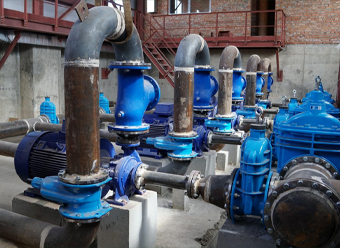
Introduction
Submersible sewage water pumps are centrifugal pumps specifically designed for the efficient and reliable removal of wastewater, sewage, and solids-laden fluids. Positioned as a critical component within municipal wastewater treatment plants, industrial facilities, and commercial buildings, these pumps operate while fully submerged in the fluid being pumped, eliminating the need for priming and providing enhanced operational efficiency compared to surface-mounted pumps. Core performance characteristics center on hydraulic efficiency, solids handling capability, abrasion resistance, and long-term durability in corrosive environments. The increasing stringency of environmental regulations and the demand for optimized wastewater management solutions are driving continued innovation in submersible pump technology, focusing on energy efficiency, reduced maintenance, and improved overall system reliability. Their function extends beyond simple liquid transfer; they are integral to preventing flooding, maintaining sanitary conditions, and supporting sustainable water management practices.
Material Science & Manufacturing
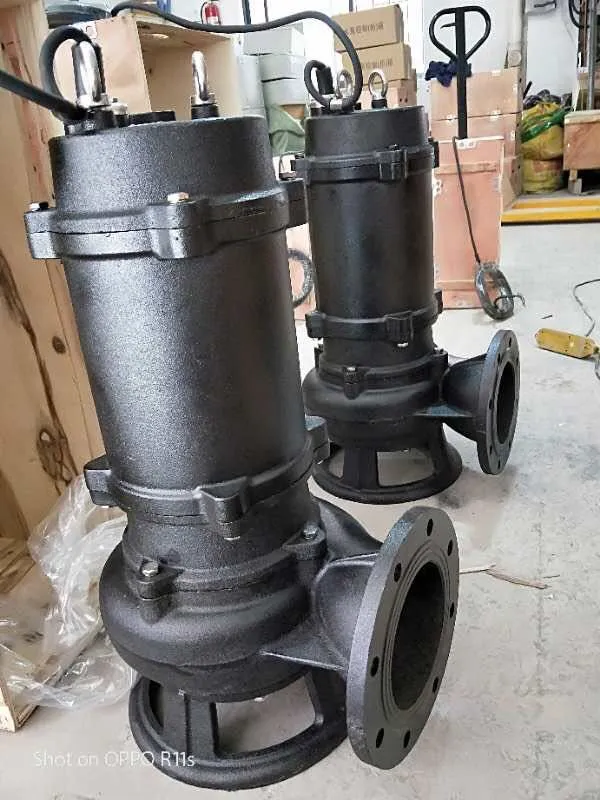
The construction of submersible sewage water pumps necessitates careful material selection to withstand the aggressive nature of sewage and wastewater. Pump housings are typically manufactured from cast iron (ASTM A48 Class 30 or equivalent), offering robustness and cost-effectiveness, often coated with epoxy or other corrosion-resistant polymers for enhanced longevity. Impellers, responsible for imparting kinetic energy to the fluid, are commonly produced from high-chrome cast iron or stainless steel (304, 316, or duplex stainless steels) to maximize abrasion resistance against solid particles. Shafts are manufactured from high-strength alloy steel (e.g., 4140) and heat-treated to achieve optimal tensile strength and resistance to torsional stress. Seals are critical, typically employing silicon carbide mechanical seals facing each other due to their exceptional hardness and chemical inertness, preventing leakage and ingress of abrasive materials. Manufacturing processes include sand casting for housings and impellers, precision machining for shafts and rotating components, and robotic welding for structural integrity. Parameter control during casting (cooling rates, sand composition) is essential for minimizing porosity and ensuring structural soundness. Heat treatment processes (hardening, tempering) are precisely controlled to achieve desired material properties. The winding insulation commonly uses Class H insulation (180°C) to withstand the operating temperatures and maintain electrical integrity.
Performance & Engineering
Performance analysis of submersible sewage pumps focuses on hydraulic efficiency, head-capacity curves, and motor power requirements. Force analysis considers radial loads imposed by the impeller on the bearings and axial thrust generated by fluid pressure imbalances. Environmental resistance is crucial; pumps must withstand continuous immersion in corrosive fluids, potential for galvanic corrosion due to dissimilar metal contact, and temperature fluctuations. Engineering design incorporates a sealed motor housing to prevent water ingress and protect electrical components. The pump’s volute casing is designed to optimize fluid flow and minimize energy losses. Motor selection considers the required horsepower, voltage, and frequency, adhering to NEMA standards or IEC standards depending on the target market. Compliance requirements include adherence to CE marking for European markets, UL listing for North American markets, and relevant local regulations pertaining to wastewater discharge. Proper impeller design is vital to prevent clogging with solids. Wear rings are often incorporated to maintain close clearances between the impeller and casing, minimizing internal recirculation and maximizing efficiency. The pump's cable must be specifically designed for submersible applications, with water-tight seals and robust outer jackets.
Technical Specifications
| Parameter | Unit | Typical Value (Small Pump) | Typical Value (Large Pump) |
|---|---|---|---|
| Flow Rate | m³/h | 5 | 500 |
| Total Head | m | 10 | 80 |
| Motor Power | kW | 0.75 | 30 |
| Solids Handling Capacity | mm | 25 | 75 |
| Impeller Material | - | High Chrome Cast Iron | Stainless Steel (316) |
| Housing Material | - | Cast Iron (Epoxy Coated) | Cast Iron (Epoxy Coated) |
Failure Mode & Maintenance
Common failure modes in submersible sewage pumps include impeller wear due to abrasive particles, seal failure leading to water ingress and motor damage, bearing failure caused by excessive loads or lubrication issues, and winding insulation breakdown resulting from overheating or moisture penetration. Failure analysis often reveals that impeller wear is accelerated by high solids content and aggressive fluid chemistry. Seal failures can be traced to improper installation, wear of seal faces, or the presence of abrasive particles. Bearing failure is often preceded by excessive noise and vibration. Winding failures are typically identified by insulation resistance testing. Preventive maintenance is crucial. Regular inspection of seals and bearings is recommended, along with periodic oil changes for oil-lubricated bearings. Monitoring vibration levels can provide early warning of bearing wear. Cleaning the pump casing to remove debris and sediment is essential to prevent clogging and maintain hydraulic efficiency. Insulation resistance testing should be performed annually to assess the condition of the motor windings. In the event of a failure, thorough root cause analysis is essential to prevent recurrence. Replacing worn components with OEM-approved parts is critical to ensure compatibility and maintain pump performance.
Industry FAQ
Q: What is the significance of impeller material selection for handling specific types of sewage?
A: Impeller material is critical. Standard cast iron is sufficient for typical municipal sewage, but industrial wastewater often contains more aggressive abrasives. High-chrome cast iron offers superior abrasion resistance. For highly corrosive environments, stainless steel (316 or duplex) is recommended to prevent chemical attack and extend impeller life. The cost increases with more exotic materials, so a careful cost-benefit analysis is necessary based on the anticipated fluid composition.
Q: How does the motor’s insulation class affect the pump’s overall lifespan in a submerged application?
A: The motor’s insulation class directly impacts its ability to withstand the humid and potentially corrosive environment. Class H insulation (180°C) is the industry standard for submersible pumps, providing excellent resistance to moisture, chemicals, and thermal stress. Lower insulation classes will degrade more rapidly, leading to winding failures and premature pump replacement.
Q: What are the key considerations when selecting a pump with regard to solids handling capability?
A: Solids handling capability is determined by the impeller design (open or closed), impeller diameter, and the pump’s internal clearances. Pumps designed for solids handling typically have larger impeller passages and increased wear resistance. The type of solids being pumped is also important; stringy materials (rags, wipes) can cause clogging, while abrasive solids (sand, grit) accelerate wear. Consider pumps specifically designed for rag reception.
Q: How can galvanic corrosion be mitigated in submersible pumps utilizing dissimilar metals?
A: Galvanic corrosion occurs when dissimilar metals are in contact in the presence of an electrolyte (wastewater). Mitigation strategies include using sacrificial anodes (e.g., zinc or magnesium) to protect the more active metal, applying protective coatings to isolate the metals, and carefully selecting compatible materials. Proper grounding and bonding can also help minimize corrosion.
Q: What maintenance procedures are essential to prevent premature failure of the pump’s mechanical seal?
A: Regular inspection of the seal for wear or damage is essential. Flushing the seal with clean water can help remove abrasive particles and maintain lubrication. Ensuring proper alignment between the pump shaft and motor shaft is crucial to prevent seal misalignment. Avoid running the pump dry, as this can quickly damage the seal. Consider using a seal failure detection system to provide early warning of potential issues.
Conclusion
Submersible sewage water pumps represent a mature yet evolving technology critical for modern wastewater management. Material selection, precise manufacturing processes, and careful engineering design are paramount to ensuring reliable performance, long operational life, and compliance with stringent environmental regulations. Understanding the potential failure modes and implementing a robust preventive maintenance program are essential for maximizing return on investment and minimizing downtime.
Future developments are likely to focus on enhancing hydraulic efficiency through advanced impeller designs, incorporating smart sensors for real-time monitoring and predictive maintenance, and developing more sustainable materials with improved corrosion resistance and reduced environmental impact. The integration of variable frequency drives (VFDs) will also play a key role in optimizing energy consumption and adapting pump performance to fluctuating flow demands.
-
Precision at the Pump: How Better Machining Protects Flow and Uptime
News2026-11-20
-
Why Pump Reliability Begins Before the First Drop of Fluid
News2026-11-20
-
Beyond the Pump: Designing Safer Access Around Critical Water Infrastructure
News2026-11-20
-
Why Pumping Stations Depend on the Infrastructure Beneath the Pumps
News2026-11-20
-
Beyond the Pump Room: How Smarter Loading Protects Industrial Equipment
News2026-11-19
-
When Pumps Stop: Designing More Resilient Power for Critical Pumping Systems
News2026-11-19
-
The Hidden Role of Dust and Gas Monitoring in Reliable Pump Operations
News2026-11-19
-
The Hidden Role of Mineral Compounds in Extending Industrial Pump Lifespan
News2026-10-12
-
Why Pump System Reliability Depends on Precision Hose Assembly Methods
News2026-09-15
-
How Advanced Imaging Films Are Transforming Pump Component Quality Control
News2026-08-25
-
How Advanced Filtration Protects Pump Systems from Premature Wear and Costly Downtime
News2026-08-25
-
How Steel Material Selection Drives Pump Reliability in Heavy-Duty Systems
News2026-08-25
-
Ensuring Pump System Efficiency: The Role of High-Quality Pipe Fittings and Tubing
News2026-08-24
-
Optimizing Fluid Dynamics and Material Consistency in Industrial Processing
News2026-08-18
-
Innovations and Challenges in Hydraulic Systems for Heavy Machinery
News2026-08-13




