English
- Afrikaans
- Albanian
- Amharic
- Arabic
- Armenian
- Azerbaijani
- Basque
- Belarusian
- Bengali
- Bosnian
- Bulgarian
- Catalan
- Cebuano
- Corsican
- Croatian
- Czech
- Danish
- Dutch
- English
- Esperanto
- Estonian
- Finnish
- French
- Frisian
- Galician
- Georgian
- German
- Greek
- Gujarati
- Haitian Creole
- hausa
- hawaiian
- Hebrew
- Hindi
- Miao
- Hungarian
- Icelandic
- igbo
- Indonesian
- irish
- Italian
- Japanese
- Javanese
- Kannada
- kazakh
- Khmer
- Rwandese
- Korean
- Kurdish
- Kyrgyz
- Lao
- Latin
- Latvian
- Lithuanian
- Luxembourgish
- Macedonian
- Malgashi
- Malay
- Malayalam
- Maltese
- Maori
- Marathi
- Mongolian
- Myanmar
- Nepali
- Norwegian
- Norwegian
- Occitan
- Pashto
- Persian
- Polish
- Portuguese
- Punjabi
- Romanian
- Russian
- Samoan
- Scottish Gaelic
- Serbian
- Sesotho
- Shona
- Sindhi
- Sinhala
- Slovak
- Slovenian
- Somali
- Spanish
- Sundanese
- Swahili
- Swedish
- Tagalog
- Tajik
- Tamil
- Tatar
- Telugu
- Thai
- Turkish
- Turkmen
- Ukrainian
- Urdu
- Uighur
- Uzbek
- Vietnamese
- Welsh
- Bantu
- Yiddish
- Yoruba
- Zulu

Telephone: +86 13120555503
Email: frank@cypump.com


Apr . 01, 2024 17:55 Back to list
submersible sewage sump pump Performance Analysis
Introduction
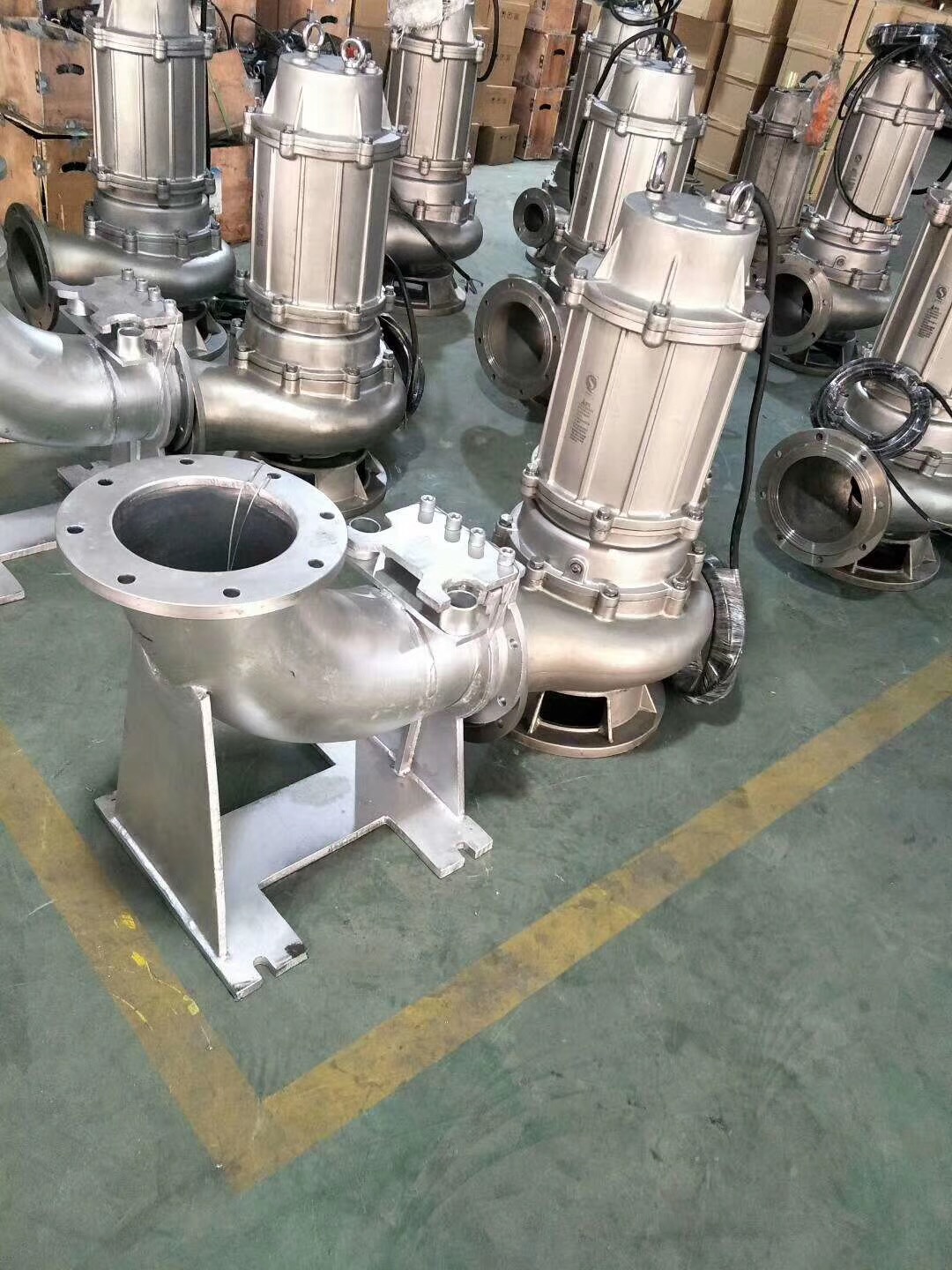
Submersible sewage sump pumps are critical components in wastewater management systems, designed for the efficient removal of solids-laden fluids. Positioned within the sump, these pumps offer a self-priming solution, eliminating the need for surface priming and reducing noise levels. Their core function is to prevent clogging and maintain continuous flow in municipal wastewater treatment plants, industrial facilities, and commercial applications. This guide provides an in-depth exploration of the material science, manufacturing processes, performance characteristics, failure modes, and maintenance procedures associated with submersible sewage sump pumps, adhering to relevant international standards. The increasing demand for efficient and reliable wastewater handling necessitates a thorough understanding of these pumps’ capabilities and limitations. A primary industry pain point revolves around pump longevity in abrasive environments and the minimization of total cost of ownership (TCO), encompassing energy consumption, maintenance frequency, and replacement intervals.
Material Science & Manufacturing
The construction of a submersible sewage sump pump relies on a carefully selected suite of materials to withstand the corrosive and abrasive nature of wastewater. Pump housings are commonly fabricated from cast iron (ASTM A48 Class 30), offering a balance of strength, wear resistance, and cost-effectiveness. However, for more aggressive environments, duplex stainless steels (ASTM A965 Grade 6A) or high-chromium cast irons are employed to enhance corrosion resistance. Impellers, responsible for fluid conveyance, are often constructed from high-chrome cast iron or stainless steel (316SS - ASTM A743 Grade CF8M) to resist abrasive wear from solids. Shafts typically utilize alloy steel (4140 - ASTM A576 Grade 4140), heat-treated for high tensile strength and torsional rigidity. Seals are crucial, frequently incorporating silicon carbide (SiC) faces against SiC or tungsten carbide (WC) for exceptional wear and chemical inertness. Manufacturing processes include sand casting for housings and impellers, precision machining for shafts and impellers, and investment casting for complex impeller geometries. Welding processes, such as shielded metal arc welding (SMAW) or gas tungsten arc welding (GTAW) are used for joining components, requiring stringent quality control to ensure weld integrity and prevent corrosion initiation. Key parameter control during manufacturing includes dimensional accuracy of impeller vanes to optimize hydraulic performance, surface finish of wear components to minimize friction, and proper heat treatment of steel components to achieve desired mechanical properties. Material compatibility is paramount; for example, direct contact between cast iron and certain chemical constituents in wastewater can accelerate corrosion.
Performance & Engineering
The performance of a submersible sewage sump pump is dictated by several engineering principles. Hydraulic design focuses on maximizing pump efficiency while minimizing the risk of clogging. Impeller design, including vane geometry, number of vanes, and impeller diameter, significantly influences flow rate and head (discharge pressure). Force analysis considers the static and dynamic loads imposed on the pump components, including the weight of the pump, hydraulic forces, and potential impact from solids. Environmental resistance is crucial; pumps must operate reliably in submerged conditions, often with varying temperatures and exposure to corrosive substances. The pump's motor requires robust sealing (typically double mechanical seals) to prevent water ingress. Compliance requirements, such as those outlined by the Hydraulic Institute (HI) standards, ensure pump performance meets industry benchmarks. Specific attention is given to net positive suction head required (NPSHr) to avoid cavitation, and motor overload protection to prevent damage. The selection of the appropriate pump curve is essential for matching pump performance to system requirements. Engineers also analyze pump vibration characteristics to mitigate fatigue failure. The pump's overall efficiency impacts energy consumption; therefore, optimizing hydraulic design and motor efficiency is a primary focus. Furthermore, proper pump sizing prevents premature wear and ensures optimal performance.
Technical Specifications
| Parameter | Unit | Typical Value (Small Pump) | Typical Value (Large Pump) |
|---|---|---|---|
| Flow Rate | m³/hr | 5 - 20 | 100 - 500 |
| Total Head | m | 5 - 15 | 30 - 80 |
| Motor Power | kW | 0.75 - 2.2 | 7.5 - 30 |
| Solids Handling | mm | Up to 50 | Up to 100 |
| Impeller Material | - | High Chrome Cast Iron | Stainless Steel 316SS |
| Housing Material | - | Cast Iron (A48 Class 30) | Duplex Stainless Steel (A965 6A) |
Failure Mode & Maintenance
Submersible sewage sump pumps are susceptible to several failure modes. Fatigue cracking in the impeller or housing can occur due to cyclic loading and vibration. Delamination of coatings on impeller surfaces reduces wear resistance and increases corrosion susceptibility. Degradation of rubber components, such as seals and hoses, leads to leakage and reduced pump efficiency. Oxidation of metal components accelerates corrosion. Abrasive wear from solids in the wastewater erodes impeller vanes and housing surfaces, decreasing pump performance. Common causes include improper pump selection for the application, inadequate maintenance, and exposure to corrosive chemicals. Preventative maintenance is critical. Regular inspection of seals, bearings, and impeller condition is essential. Lubrication of bearings should be performed according to manufacturer specifications. Monitoring pump vibration and temperature can identify potential problems early. Periodic cleaning of the pump and sump removes accumulated debris. In case of failure, root cause analysis is vital to prevent recurrence. Replacement of worn components should be done using materials compatible with the wastewater composition. Proper electrical connection inspection is critical to avoid motor failure. Scheduled seal replacement is imperative to prevent catastrophic pump failure and maintain system integrity.
Industry FAQ
Q: What is the impact of wastewater temperature on pump performance and longevity?
A: Elevated wastewater temperatures can reduce the viscosity of the fluid, potentially increasing flow rate, but simultaneously accelerate the degradation of elastomers (seals, hoses). Prolonged exposure to high temperatures can also diminish the mechanical strength of certain materials and exacerbate corrosion rates. Continuous operation above specified temperature limits necessitates the use of temperature-resistant materials and careful monitoring of pump condition.
Q: How do you select the appropriate impeller material for a specific wastewater composition?
A: Impeller material selection is dictated by the abrasive and corrosive constituents of the wastewater. High-chrome cast iron is suitable for moderately abrasive fluids with minimal corrosive components. Stainless steel (316SS or duplex stainless steel) is preferred for highly corrosive environments or when handling fluids containing aggressive chemicals. Detailed wastewater analysis, including pH, chloride concentration, and solids content, is essential for making an informed decision.
Q: What are the primary causes of pump cavitation, and how can it be prevented?
A: Cavitation occurs when the absolute pressure within the pump drops below the vapor pressure of the fluid, forming vapor bubbles that collapse violently, causing erosion. Primary causes include insufficient NPSH (Net Positive Suction Head), excessive pump speed, and restricted suction lines. Prevention involves ensuring adequate NPSH available, optimizing pump speed, and maintaining unobstructed suction piping.
Q: How does the efficiency of a submersible pump motor impact the total cost of ownership?
A: Pump motor efficiency directly affects energy consumption. A higher efficiency motor reduces electricity costs over the pump’s lifespan. While a more efficient motor may have a higher initial cost, the long-term energy savings often outweigh this investment, leading to a lower total cost of ownership. Variable Frequency Drives (VFDs) can further optimize energy consumption by adjusting motor speed to match flow demands.
Q: What are the best practices for preventative maintenance to extend pump life?
A: Best practices include regular inspection of seals and bearings, lubrication according to manufacturer’s specifications, monitoring pump vibration and temperature, periodic cleaning of the pump and sump, and routine electrical connection checks. Maintaining detailed maintenance records enables proactive identification of potential issues and optimization of maintenance schedules.
Conclusion
Submersible sewage sump pumps are vital infrastructure components for effective wastewater management, demanding a nuanced understanding of their material composition, manufacturing intricacies, and operational parameters. The longevity and efficiency of these pumps are directly tied to proper material selection – balancing corrosion resistance, abrasion resistance, and cost – alongside meticulous manufacturing processes ensuring dimensional accuracy and weld integrity. The industry’s ongoing pursuit of reduced TCO necessitates a focus on high-efficiency motor designs, preventative maintenance protocols, and precise pump sizing to meet specific application requirements.
Looking ahead, advancements in materials science, such as the development of novel coatings with enhanced wear and corrosion resistance, will play a crucial role in extending pump life. The integration of smart sensors and data analytics will enable predictive maintenance, minimizing downtime and optimizing performance. Moreover, adherence to evolving environmental regulations will drive the development of more energy-efficient pump designs and wastewater treatment technologies. A comprehensive approach encompassing these advancements will ensure the continued reliability and sustainability of submersible sewage sump pump systems.
-
Precision at the Pump: How Better Machining Protects Flow and Uptime
News2026-11-20
-
Why Pump Reliability Begins Before the First Drop of Fluid
News2026-11-20
-
Beyond the Pump: Designing Safer Access Around Critical Water Infrastructure
News2026-11-20
-
Why Pumping Stations Depend on the Infrastructure Beneath the Pumps
News2026-11-20
-
Beyond the Pump Room: How Smarter Loading Protects Industrial Equipment
News2026-11-19
-
When Pumps Stop: Designing More Resilient Power for Critical Pumping Systems
News2026-11-19
-
The Hidden Role of Dust and Gas Monitoring in Reliable Pump Operations
News2026-11-19
-
The Hidden Role of Mineral Compounds in Extending Industrial Pump Lifespan
News2026-10-12
-
Why Pump System Reliability Depends on Precision Hose Assembly Methods
News2026-09-15
-
How Advanced Imaging Films Are Transforming Pump Component Quality Control
News2026-08-25
-
How Advanced Filtration Protects Pump Systems from Premature Wear and Costly Downtime
News2026-08-25
-
How Steel Material Selection Drives Pump Reliability in Heavy-Duty Systems
News2026-08-25
-
Ensuring Pump System Efficiency: The Role of High-Quality Pipe Fittings and Tubing
News2026-08-24
-
Optimizing Fluid Dynamics and Material Consistency in Industrial Processing
News2026-08-18
-
Innovations and Challenges in Hydraulic Systems for Heavy Machinery
News2026-08-13




