English
- Afrikaans
- Albanian
- Amharic
- Arabic
- Armenian
- Azerbaijani
- Basque
- Belarusian
- Bengali
- Bosnian
- Bulgarian
- Catalan
- Cebuano
- Corsican
- Croatian
- Czech
- Danish
- Dutch
- English
- Esperanto
- Estonian
- Finnish
- French
- Frisian
- Galician
- Georgian
- German
- Greek
- Gujarati
- Haitian Creole
- hausa
- hawaiian
- Hebrew
- Hindi
- Miao
- Hungarian
- Icelandic
- igbo
- Indonesian
- irish
- Italian
- Japanese
- Javanese
- Kannada
- kazakh
- Khmer
- Rwandese
- Korean
- Kurdish
- Kyrgyz
- Lao
- Latin
- Latvian
- Lithuanian
- Luxembourgish
- Macedonian
- Malgashi
- Malay
- Malayalam
- Maltese
- Maori
- Marathi
- Mongolian
- Myanmar
- Nepali
- Norwegian
- Norwegian
- Occitan
- Pashto
- Persian
- Polish
- Portuguese
- Punjabi
- Romanian
- Russian
- Samoan
- Scottish Gaelic
- Serbian
- Sesotho
- Shona
- Sindhi
- Sinhala
- Slovak
- Slovenian
- Somali
- Spanish
- Sundanese
- Swahili
- Swedish
- Tagalog
- Tajik
- Tamil
- Tatar
- Telugu
- Thai
- Turkish
- Turkmen
- Ukrainian
- Urdu
- Uighur
- Uzbek
- Vietnamese
- Welsh
- Bantu
- Yiddish
- Yoruba
- Zulu

Telephone: +86 13120555503
Email: frank@cypump.com


Apr . 01, 2024 17:55 Back to list
submersible sewage pumps Material Science Manufacturing
Introduction
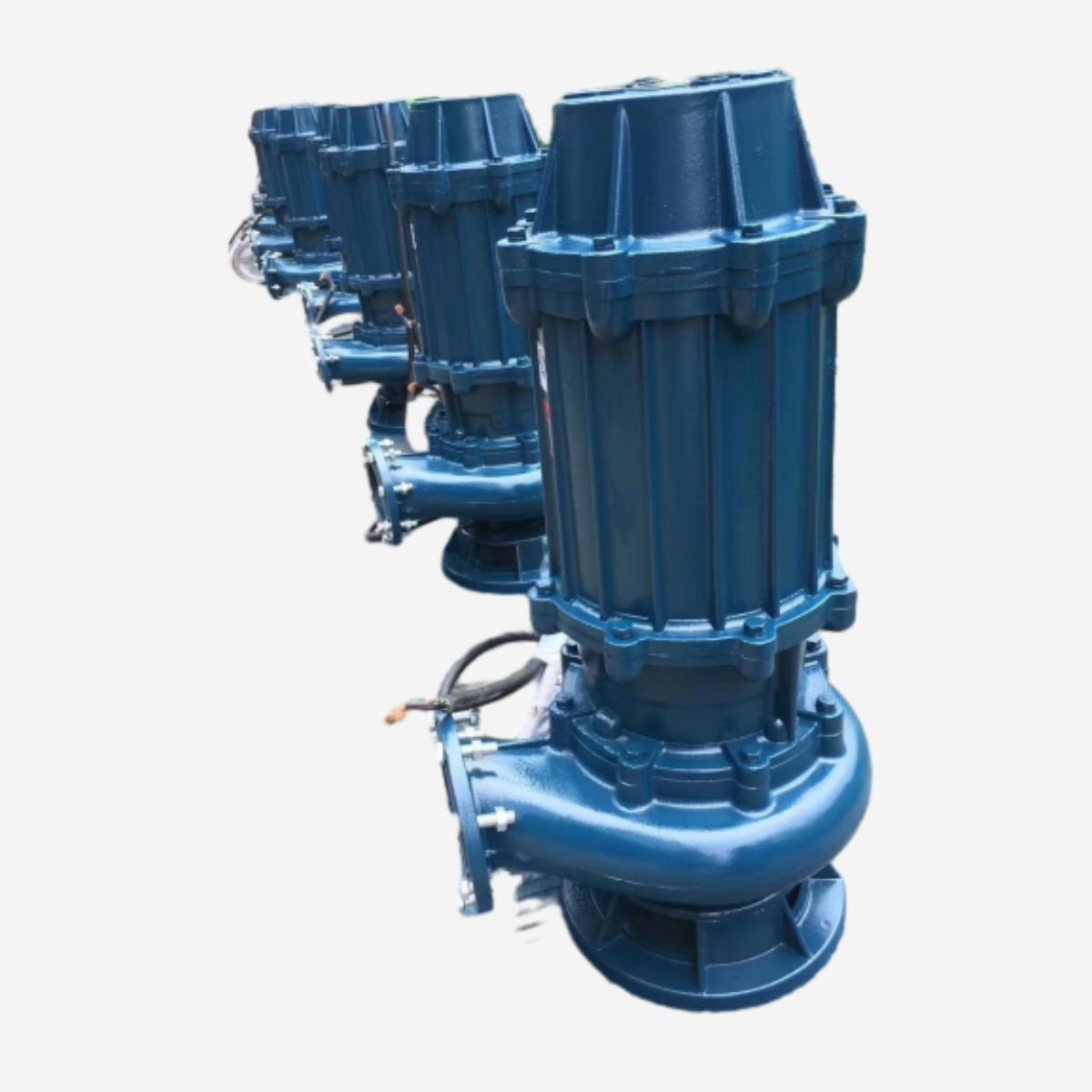
Submersible sewage pumps are centrifugal pumps specifically designed for the efficient and reliable transfer of wastewater, sewage, and slurries. Positioned critically within municipal and industrial wastewater treatment infrastructure, these pumps offer a robust solution for solids handling, exceeding the capabilities of conventional pumps. Their fully submersible design eliminates the need for surface priming and reduces noise pollution, making them ideal for installations within wet wells, lift stations, and treatment plants. Core performance characteristics are defined by flow rate (typically measured in gallons per minute or liters per second), total dynamic head (TDH, expressed in feet or meters), and solids handling capacity (indicated by maximum sphere size in inches or millimeters). A significant industry pain point centers on pump longevity and resistance to abrasive wear and corrosive elements inherent in sewage streams, driving demand for advanced materials and robust impeller designs. Furthermore, efficient motor cooling within the submerged environment and reliable sealing mechanisms are paramount to ensuring consistent operation and preventing catastrophic failures.
Material Science & Manufacturing
The construction of submersible sewage pumps relies heavily on materials engineered for harsh environments. Pump housings are frequently constructed from cast iron (ASTM A48 Class 30 or higher), specifically gray iron due to its vibration dampening characteristics and ease of casting. Impellers, subjected to significant abrasion, employ high-chrome cast iron (ASTM A532 Grade 1A) or hardened stainless steel (304, 316, or duplex stainless steels) to enhance wear resistance. Shafts utilize AISI 4140 alloy steel, heat-treated for high tensile strength and torsional rigidity. Sealing systems, vital for preventing motor ingress, commonly feature silicon carbide mechanical seals paired with Viton or Buna-N elastomers for compatibility with sewage components. Manufacturing processes include sand casting for the housing and impeller, precision machining for the shaft and impeller balancing, and rubber molding for seals and gaskets. Welding processes, such as shielded metal arc welding (SMAW) and gas tungsten arc welding (GTAW), are employed for joining components, requiring strict quality control to ensure weld integrity and prevent corrosion. Parameter control during casting is critical – specifically maintaining consistent metal temperature, mold cavity pressure, and cooling rates to minimize porosity and ensure dimensional accuracy. Motor stators are typically wound with Class H insulation materials for high-temperature resistance, while rotor bars often utilize high-conductivity copper or aluminum alloys. Cable jackets employ chlorosulfonated polyethylene (CSPE) or ethylene propylene rubber (EPR) for resistance to oil, chemicals, and abrasion.
Performance & Engineering
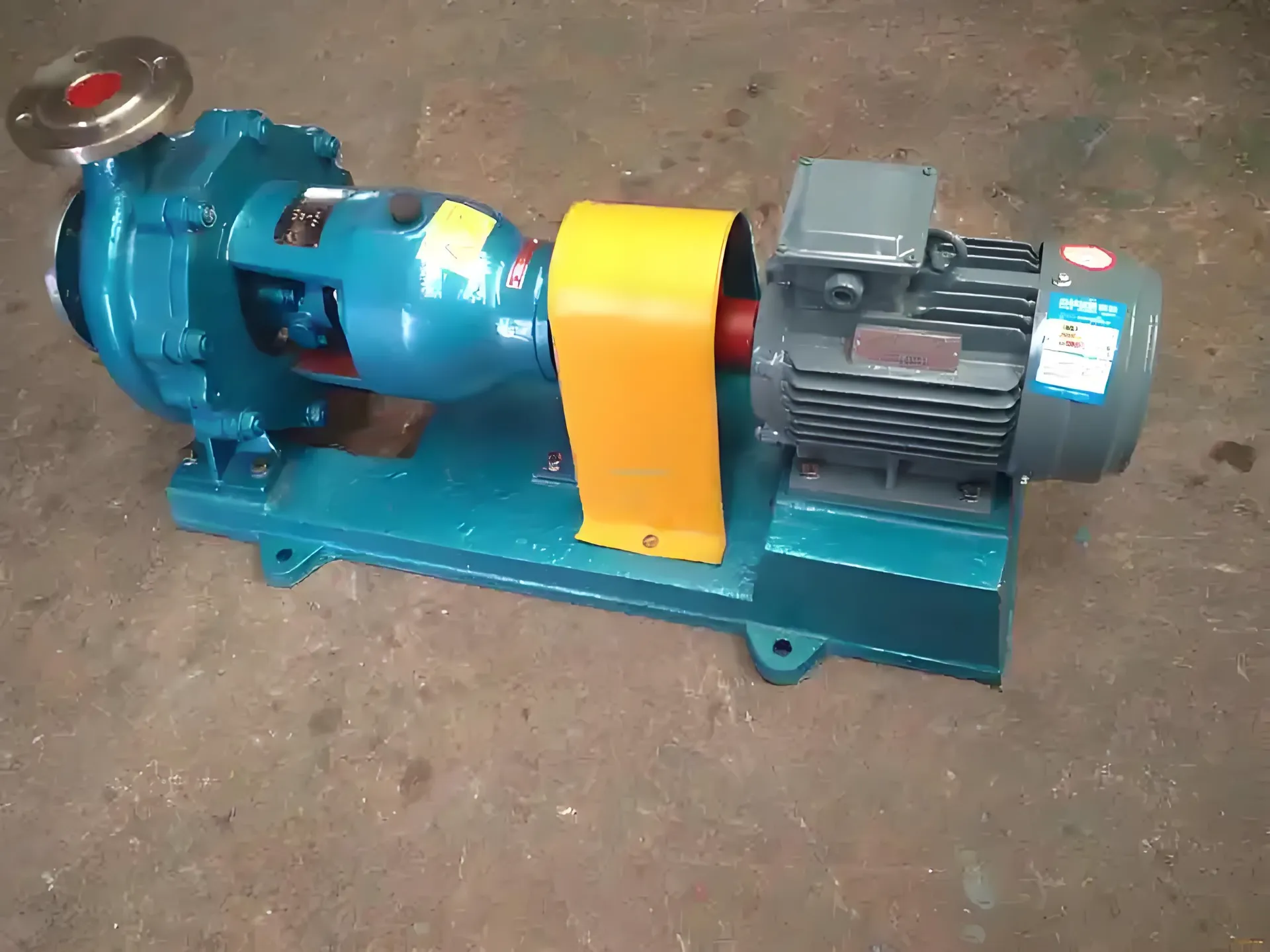
Performance assessment of submersible sewage pumps centers on hydraulic efficiency, cavitation resistance, and structural integrity. Force analysis dictates impeller design, ensuring optimal fluid flow and minimizing energy losses. Computational Fluid Dynamics (CFD) simulations are routinely employed to optimize impeller geometry and volute shape for maximum efficiency and solids handling capabilities. Environmental resistance is paramount; pumps must withstand continuous immersion in corrosive wastewater, often containing hydrogen sulfide (H2S), chlorides, and sulfates. Cathodic protection (sacrificial anodes or impressed current systems) is frequently implemented to mitigate corrosion. Compliance requirements vary by region but commonly include EPA standards for wastewater discharge and UL/CSA certifications for electrical safety. Functional implementation involves careful consideration of pump curves, system headloss calculations, and appropriate motor sizing. Variable Frequency Drives (VFDs) are increasingly used to optimize pump performance, reduce energy consumption, and control flow rates based on demand. Furthermore, the pump’s power cable must be adequately sized and protected against abrasion and chemical attack. Proper installation, including correct pump alignment and adequate clearance around the intake, is crucial for reliable operation. A critical engineering challenge involves managing the dynamic forces generated by the impeller and ensuring the structural stability of the pump housing and supporting components.
Technical Specifications
| Parameter | Unit | Typical Range (Small Pump) | Typical Range (Large Pump) |
|---|---|---|---|
| Flow Rate | GPM (Gallons per Minute) | 20-100 | 200-1000 |
| Total Dynamic Head (TDH) | ft (Feet) | 10-50 | 80-200 |
| Motor Power | HP (Horsepower) | 0.5-5 | 10-50 |
| Solids Handling Capacity | in (Inches) | Up to 2 | Up to 4 |
| Impeller Material | - | High-Chrome Cast Iron | Stainless Steel (316) |
| Housing Material | - | Cast Iron (Class 30) | Ductile Iron |
Failure Mode & Maintenance
Submersible sewage pumps are susceptible to several failure modes. Fatigue cracking in the impeller, particularly at the base of the vanes, occurs due to cyclical loading and stress concentration. Delamination of the impeller or housing can arise from casting defects or corrosion. Degradation of elastomers (seals and gaskets) leads to leakage and motor failure. Oxidation and corrosion of metallic components, especially in sulfide-rich environments, reduce component strength and increase the risk of failure. Bearing failure is a common issue, often caused by inadequate lubrication or abrasive contaminants. Winding failure in the motor can result from overheating, moisture ingress, or insulation breakdown. Preventative maintenance is crucial and includes regular inspection of seals, bearings, and power cables. Periodic monitoring of motor current and voltage can detect early signs of winding degradation. Backflushing the pump to remove accumulated solids is essential. Lubrication of bearings with appropriate grease, following manufacturer’s recommendations, extends their lifespan. Cathodic protection systems should be routinely inspected and maintained. Failure analysis should be conducted on failed components to identify root causes and implement corrective actions. Proper storage and handling of pumps during installation and removal also contribute to longevity.
Industry FAQ
Q: What is the impact of solids content on pump selection?
A: Higher solids content necessitates pumps with larger impeller passages and hardened wear components. Impeller design (e.g., vortex or recessed impeller) plays a significant role in handling solids without clogging. Pump capacity must be de-rated to account for increased wear and reduced hydraulic efficiency.
Q: How does the wastewater chemical composition affect material selection?
A: High levels of H2S necessitate materials resistant to sulfide stress cracking, such as duplex stainless steel or specialized coatings. Chlorides accelerate corrosion, requiring materials with higher pitting resistance equivalent number (PREN). The presence of abrasive particles dictates the need for high-chrome cast iron or hardened alloys.
Q: What are the key considerations for motor cooling in a submersible environment?
A: Motor cooling relies on the surrounding wastewater. Maintaining adequate fluid flow around the motor is essential. Motor design must account for heat transfer limitations. Frequent starts and stops can reduce cooling efficiency and require derating of the motor.
Q: How do you prevent pump clogging in a system with rags and debris?
A: Implementing a preliminary screening system to remove large debris is critical. Utilizing a pump with a vortex impeller is effective in passing rags. Regular pump cleaning and inspection are essential preventative measures.
Q: What are the benefits of using a VFD with a submersible sewage pump?
A: VFDs allow for precise flow control, reducing energy consumption by matching pump speed to demand. They minimize hydraulic shock during start-up and shut-down, extending pump lifespan. VFDs can also prevent pump clogging by reducing flow velocity during periods of low demand.
Conclusion
Submersible sewage pumps represent a critical component in modern wastewater management systems. Their selection and implementation demand a thorough understanding of material science, hydraulic engineering, and failure mode analysis. The increasing focus on sustainability and energy efficiency drives the adoption of advanced technologies such as VFDs and optimized impeller designs. Maintaining reliable operation hinges on preventative maintenance programs and proactive component replacement to mitigate the impact of corrosive and abrasive environments.
Future developments are likely to center on enhanced corrosion resistance through advanced materials coatings, improved sensor technology for predictive maintenance, and the integration of smart control systems for optimized performance and reduced operational costs. Continued research into impeller designs capable of handling increasingly complex and challenging wastewater streams will remain a priority for pump manufacturers.
-
Comprehensive Guide to Waterproof ORings for Optimal Sealing Solutions
News2026-06-09
-
septic effluent pump Performance and Engineering
News2026-06-13
-
ejector sump pump Performance Engineering
News2026-06-13
-
Wastewater Pump Performance Analysis
News2026-06-13
-
waste water pumps Material Science Manufacturing
News2026-06-13
-
submersible sewage pumps Material Science Manufacturing
News2026-06-13
-
submersable pumps Performance Analysis
News2026-06-12
-
submerge pump Performance Analysis
News2026-06-12
-
Septic Tank Lift Pump Performance Analysis
News2026-06-12
-
Septic System Pump Replacement Performance Analysis
News2026-06-12
-
Septic Pumps Cost Performance Analysis
News2026-06-12
-
best sewage ejector pump Performance Engineering
News2026-06-11
-
aerobic septic system pump Performance Analysis
News2026-06-11
-
Sumergible Pump Performance Analysis
News2026-06-11
-
ejector pump for basement Performance Engineering
News2026-06-11




