English
- Afrikaans
- Albanian
- Amharic
- Arabic
- Armenian
- Azerbaijani
- Basque
- Belarusian
- Bengali
- Bosnian
- Bulgarian
- Catalan
- Cebuano
- Corsican
- Croatian
- Czech
- Danish
- Dutch
- English
- Esperanto
- Estonian
- Finnish
- French
- Frisian
- Galician
- Georgian
- German
- Greek
- Gujarati
- Haitian Creole
- hausa
- hawaiian
- Hebrew
- Hindi
- Miao
- Hungarian
- Icelandic
- igbo
- Indonesian
- irish
- Italian
- Japanese
- Javanese
- Kannada
- kazakh
- Khmer
- Rwandese
- Korean
- Kurdish
- Kyrgyz
- Lao
- Latin
- Latvian
- Lithuanian
- Luxembourgish
- Macedonian
- Malgashi
- Malay
- Malayalam
- Maltese
- Maori
- Marathi
- Mongolian
- Myanmar
- Nepali
- Norwegian
- Norwegian
- Occitan
- Pashto
- Persian
- Polish
- Portuguese
- Punjabi
- Romanian
- Russian
- Samoan
- Scottish Gaelic
- Serbian
- Sesotho
- Shona
- Sindhi
- Sinhala
- Slovak
- Slovenian
- Somali
- Spanish
- Sundanese
- Swahili
- Swedish
- Tagalog
- Tajik
- Tamil
- Tatar
- Telugu
- Thai
- Turkish
- Turkmen
- Ukrainian
- Urdu
- Uighur
- Uzbek
- Vietnamese
- Welsh
- Bantu
- Yiddish
- Yoruba
- Zulu

Telephone: +86 13120555503
Email: frank@cypump.com


Apr . 01, 2024 17:55 Back to list
submersible sewage pumps for sale Performance Engineering
Introduction
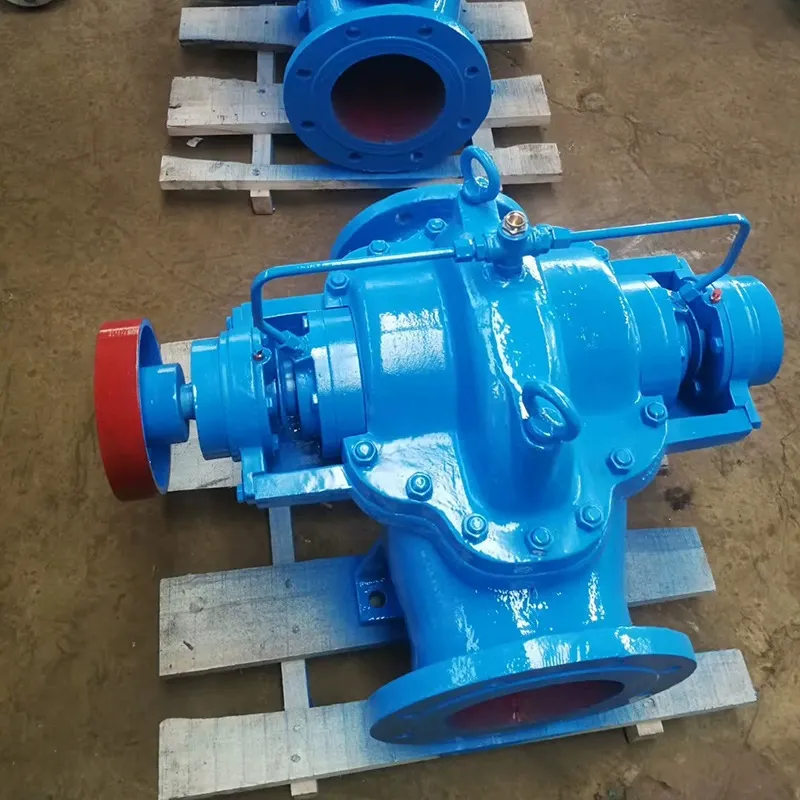
Submersible sewage pumps are centrifugal pumps specifically designed for the efficient and reliable removal of wastewater, sewage, and slurries. They operate while fully submerged in the fluid being pumped, eliminating the need for priming and significantly reducing noise. Positioned within the broader wastewater treatment infrastructure, these pumps are crucial components of municipal sewage systems, industrial wastewater processing, and commercial drainage solutions. Their robust construction and ability to handle solids make them distinct from clear-water pumps. Core performance characteristics include flow rate (typically measured in gallons per minute or cubic meters per hour), head (the maximum height the pump can lift the fluid), power consumption, and solids handling capability – dictated by impeller design and pump casing geometry. The market for submersible sewage pumps is driven by increasing urbanization, stricter environmental regulations regarding wastewater discharge, and the need for reliable and efficient infrastructure.
Material Science & Manufacturing
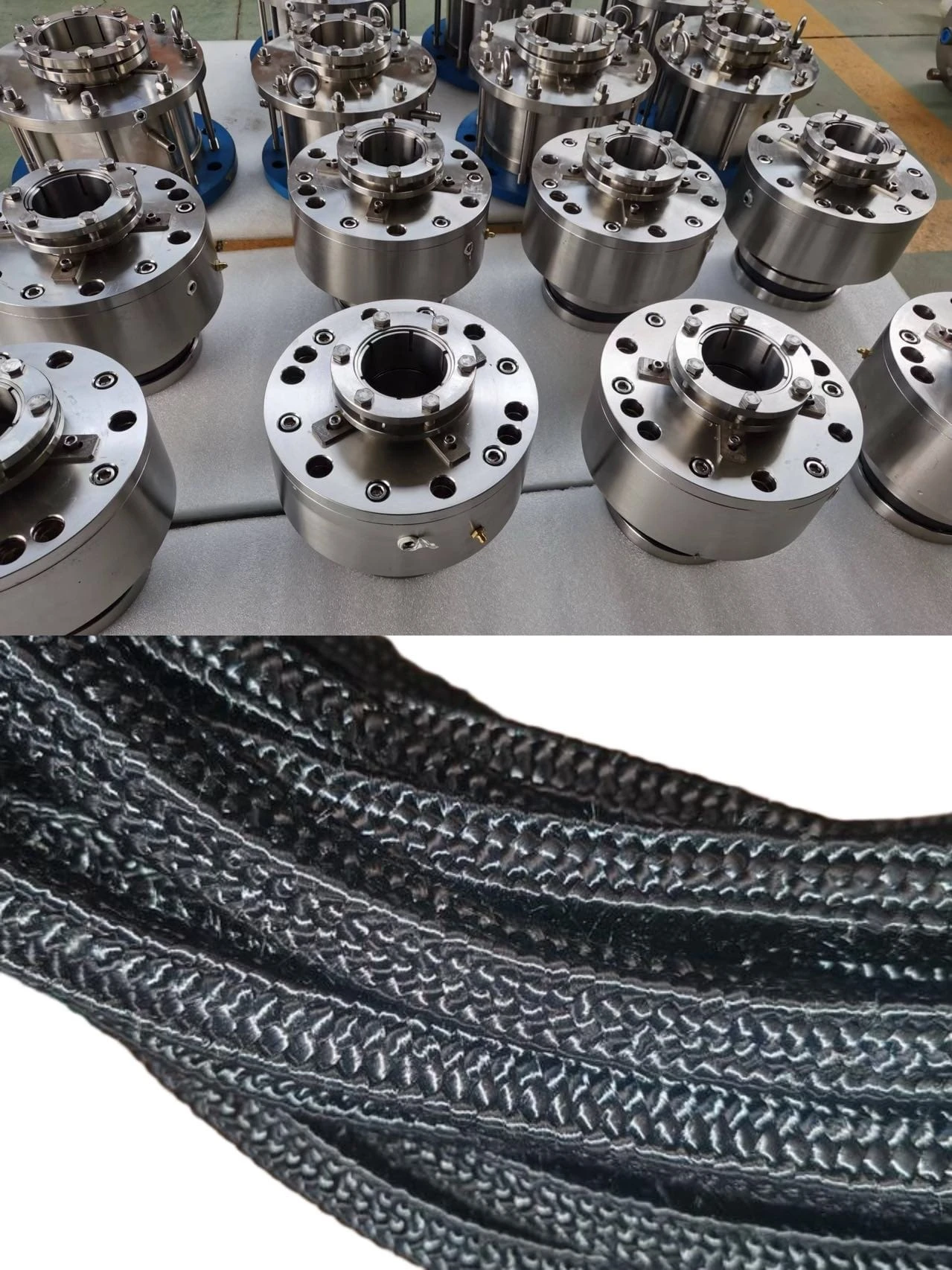
The construction of submersible sewage pumps necessitates materials resistant to corrosion, abrasion, and the biological activity inherent in wastewater. Pump casings are typically manufactured from cast iron (ASTM A48 Class 30 or equivalent), ductile iron (ASTM A536 Grade 65-45-12), or stainless steel (304, 316, or duplex stainless steel for more aggressive environments). Impellers, responsible for imparting kinetic energy to the fluid, commonly utilize high-chrome cast iron for enhanced wear resistance, or stainless steel alloys when handling particularly abrasive slurries. Shafts are generally constructed from 4140 or 4340 alloy steel, heat treated for high tensile strength and fatigue resistance. Seals represent a critical component; silicon carbide mechanical seals are standard due to their superior hardness and chemical inertness, providing a reliable barrier against leakage. Manufacturing processes involve precision casting of the pump casing and impeller, followed by machining to tight tolerances. Welding is frequently employed for joining components, requiring stringent quality control to ensure structural integrity and prevent corrosion. The winding insulation utilizes epoxy resins (IEEE 524 compliant) to prevent electrical breakdown when submerged. Parameter control during manufacturing includes dimensional accuracy of impeller vanes, concentricity of the shaft, and adherence to specified material compositions. The quality of the seals heavily depends on lapping processes for flatness and material hardness.
Performance & Engineering
The performance of a submersible sewage pump is governed by hydraulic principles and mechanical engineering considerations. Force analysis involves evaluating the radial and axial thrust loads acting on the impeller and shaft, requiring robust bearing design to prevent premature failure. Environmental resistance is critical; pumps must withstand continuous immersion in corrosive fluids and fluctuating temperatures. Pump curves, generated through hydraulic testing (following ISO 9906 standards), define the relationship between flow rate, head, and power consumption. Pump selection requires careful consideration of the system’s static head, friction losses in the piping network, and the specific gravity of the fluid being pumped. Compliance with industry standards such as those set by the Hydraulic Institute (HI) ensures performance verification and operational safety. Impeller design, particularly the vane angle and impeller diameter, significantly impacts pump efficiency and solids handling capability. Motor cooling relies on the surrounding fluid; therefore, maintaining adequate fluid level and preventing clogging is essential. The pump's power cable and cable gland must be rated for continuous submersion and provide a watertight seal. Consideration must also be given to the potential for vortex formation at the pump inlet, which can lead to reduced efficiency and increased wear.
Technical Specifications
| Parameter | Unit | Typical Value (Small Pump) | Typical Value (Large Pump) |
|---|---|---|---|
| Flow Rate | GPM (Gallons per Minute) | 50 | 500 |
| Total Dynamic Head | ft | 30 | 150 |
| Motor Power | HP (Horsepower) | 1 | 20 |
| Solids Handling Capability | in | 2 | 4 |
| Impeller Material | - | High Chrome Cast Iron | Stainless Steel (304/316) |
| Casing Material | - | Cast Iron | Ductile Iron/Stainless Steel |
Failure Mode & Maintenance
Submersible sewage pumps are susceptible to several failure modes. Fatigue cracking can occur in the impeller or casing due to repeated stress cycles and the presence of corrosive agents. Delamination of the pump casing, particularly in cast iron constructions, can be caused by internal pressure and the formation of corrosion products. Seal failure is a common issue, leading to leakage and potential motor damage. Bearing failure results from inadequate lubrication, excessive load, or contamination. Winding insulation breakdown due to overheating or moisture ingress can lead to short circuits and motor failure. Oxidation and corrosion of metallic components compromise structural integrity. Maintenance protocols include regular inspection of seals and bearings, monitoring motor temperature and current draw, and periodic cleaning to remove accumulated solids. Preventive maintenance should involve scheduled replacement of wear parts (seals, bearings) and thorough visual inspection for signs of corrosion or damage. Vibration analysis can detect early signs of bearing wear or impeller imbalance. In the event of failure, a root cause analysis should be conducted to identify the underlying issue and prevent recurrence. Proper storage conditions are crucial to prevent corrosion during periods of inactivity.
Industry FAQ
Q: What is the impact of solids size and type on pump selection?
A: The size and nature of solids significantly impact pump selection. Pumps are rated for maximum solids handling capability (typically expressed in inches). Abrasive solids like sand or grit accelerate impeller wear, necessitating more durable impeller materials (e.g., high-chrome cast iron or hardened stainless steel). Stringy or fibrous materials can wrap around the impeller shaft, causing clogging and reduced efficiency. Specialized impeller designs, such as recessed or vortex impellers, are available for handling particularly challenging solids.
Q: How does the fluid's chemical composition affect pump material selection?
A: The chemical composition of the wastewater dictates the required corrosion resistance of pump materials. Exposure to sulfuric acid, hydrogen sulfide, or other corrosive chemicals necessitates the use of stainless steel (316 or duplex) or specialized alloys. The pH level of the fluid also influences corrosion rates; highly acidic or alkaline conditions require more resistant materials.
Q: What are the key considerations for submersible pump motor cooling?
A: Submersible pump motors are cooled by the surrounding fluid. Maintaining adequate fluid level is critical to prevent overheating. Clogging of the pump casing can reduce flow and impair cooling. The fluid's temperature and specific heat capacity also affect cooling efficiency. Monitoring motor temperature and current draw is essential to detect potential cooling issues.
Q: How do I determine the appropriate pump size for my application?
A: Determining the appropriate pump size requires a thorough understanding of the system's requirements. This includes calculating the total dynamic head (static head + friction losses), estimating the flow rate, and considering the specific gravity of the fluid. Pump curves should be consulted to select a pump that operates within its optimal efficiency range.
Q: What are the implications of improper cable installation or sealing?
A: Improper cable installation or sealing can lead to water ingress, causing electrical short circuits and pump failure. The cable gland must provide a watertight seal, and the cable should be properly supported to prevent stress and damage. Regularly inspect the cable for signs of wear or deterioration.
Conclusion
Submersible sewage pumps are vital components in modern wastewater management systems, offering reliable and efficient fluid handling capabilities. Their design and material selection are dictated by the demanding environments in which they operate, requiring a comprehensive understanding of material science, hydraulic principles, and industry standards. Proper application, installation, and maintenance are paramount to ensure long-term performance and minimize the risk of failure.
The ongoing evolution of pump technology focuses on improving efficiency, enhancing solids handling capabilities, and developing more corrosion-resistant materials. Future advancements will likely include smart pump systems with remote monitoring and control capabilities, as well as the integration of predictive maintenance algorithms to optimize performance and reduce downtime.
-
Precision at the Pump: How Better Machining Protects Flow and Uptime
News2026-11-20
-
Why Pump Reliability Begins Before the First Drop of Fluid
News2026-11-20
-
Beyond the Pump: Designing Safer Access Around Critical Water Infrastructure
News2026-11-20
-
Why Pumping Stations Depend on the Infrastructure Beneath the Pumps
News2026-11-20
-
Beyond the Pump Room: How Smarter Loading Protects Industrial Equipment
News2026-11-19
-
When Pumps Stop: Designing More Resilient Power for Critical Pumping Systems
News2026-11-19
-
The Hidden Role of Dust and Gas Monitoring in Reliable Pump Operations
News2026-11-19
-
The Hidden Role of Mineral Compounds in Extending Industrial Pump Lifespan
News2026-10-12
-
Why Pump System Reliability Depends on Precision Hose Assembly Methods
News2026-09-15
-
How Advanced Imaging Films Are Transforming Pump Component Quality Control
News2026-08-25
-
How Advanced Filtration Protects Pump Systems from Premature Wear and Costly Downtime
News2026-08-25
-
How Steel Material Selection Drives Pump Reliability in Heavy-Duty Systems
News2026-08-25
-
Ensuring Pump System Efficiency: The Role of High-Quality Pipe Fittings and Tubing
News2026-08-24
-
Optimizing Fluid Dynamics and Material Consistency in Industrial Processing
News2026-08-18
-
Innovations and Challenges in Hydraulic Systems for Heavy Machinery
News2026-08-13




