English
- Afrikaans
- Albanian
- Amharic
- Arabic
- Armenian
- Azerbaijani
- Basque
- Belarusian
- Bengali
- Bosnian
- Bulgarian
- Catalan
- Cebuano
- Corsican
- Croatian
- Czech
- Danish
- Dutch
- English
- Esperanto
- Estonian
- Finnish
- French
- Frisian
- Galician
- Georgian
- German
- Greek
- Gujarati
- Haitian Creole
- hausa
- hawaiian
- Hebrew
- Hindi
- Miao
- Hungarian
- Icelandic
- igbo
- Indonesian
- irish
- Italian
- Japanese
- Javanese
- Kannada
- kazakh
- Khmer
- Rwandese
- Korean
- Kurdish
- Kyrgyz
- Lao
- Latin
- Latvian
- Lithuanian
- Luxembourgish
- Macedonian
- Malgashi
- Malay
- Malayalam
- Maltese
- Maori
- Marathi
- Mongolian
- Myanmar
- Nepali
- Norwegian
- Norwegian
- Occitan
- Pashto
- Persian
- Polish
- Portuguese
- Punjabi
- Romanian
- Russian
- Samoan
- Scottish Gaelic
- Serbian
- Sesotho
- Shona
- Sindhi
- Sinhala
- Slovak
- Slovenian
- Somali
- Spanish
- Sundanese
- Swahili
- Swedish
- Tagalog
- Tajik
- Tamil
- Tatar
- Telugu
- Thai
- Turkish
- Turkmen
- Ukrainian
- Urdu
- Uighur
- Uzbek
- Vietnamese
- Welsh
- Bantu
- Yiddish
- Yoruba
- Zulu

Telephone: +86 13120555503
Email: frank@cypump.com


Apr . 01, 2024 17:55 Back to list
submersible sewage pumping systems handbook Performance Engineering
Introduction
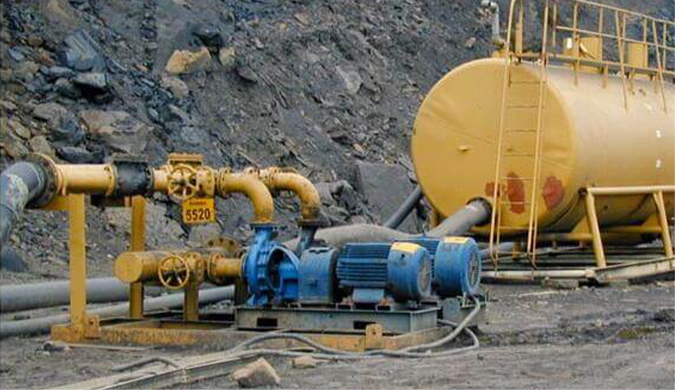
Submersible sewage pumping systems represent a critical component of modern wastewater management infrastructure. These pumps are specifically engineered for the efficient and reliable removal of sewage, solids-laden wastewater, and other debris from municipal, commercial, and industrial settings. Unlike surface-mounted pumps, submersible designs are fully immersed in the fluid being pumped, offering significant advantages in terms of priming, noise reduction, and space optimization. This guide provides a comprehensive technical overview of submersible sewage pumping systems, covering material science, manufacturing processes, performance characteristics, failure modes, and relevant industry standards. The selection, installation, and maintenance of these systems are crucial for preventing environmental contamination, ensuring regulatory compliance, and minimizing operational downtime – core pain points for municipalities and wastewater treatment facilities. Understanding the intricate interplay of hydraulic design, motor characteristics, and material compatibility is paramount for ensuring long-term system reliability and efficiency.
Material Science & Manufacturing
The construction of a submersible sewage pump demands a careful selection of materials resistant to corrosive elements and abrasive solids. Pump housings are commonly fabricated from cast iron (ASTM A48 Class 30), specifically gray cast iron due to its damping characteristics and machinability. However, for particularly aggressive environments or applications requiring reduced weight, stainless steel alloys – such as 316 stainless steel (ASTM A743 Grade CF-8M) – are employed. Impeller materials are also critical, frequently utilizing high-chrome cast iron or hardened stainless steel to withstand the impact and abrasion from solid waste. Motor housings are typically constructed of cast iron or stainless steel, providing both mechanical protection and corrosion resistance. Shafts are manufactured from high-strength alloy steel, heat-treated to achieve the necessary tensile strength and wear resistance. Seals are critical for preventing water ingress into the motor; common materials include silicon carbide (SiC) mechanical seals, known for their superior abrasion resistance and chemical inertness. Manufacturing processes involve precision casting, machining, and welding. Welding procedures (AWS D1.1) must adhere to stringent quality control measures to ensure structural integrity. Impeller design is often achieved through centrifugal casting, optimizing flow characteristics and minimizing cavitation. Furthermore, the rubber components (e.g., stator seals, diaphragms) used in these systems are frequently composed of nitrile rubber (NBR) or ethylene propylene diene monomer (EPDM) rubber, selected for their resistance to oils, sewage, and degradation. The manufacturing process must include rigorous non-destructive testing (NDT), such as ultrasonic testing and radiographic inspection, to identify any defects in the castings or welds.
Performance & Engineering
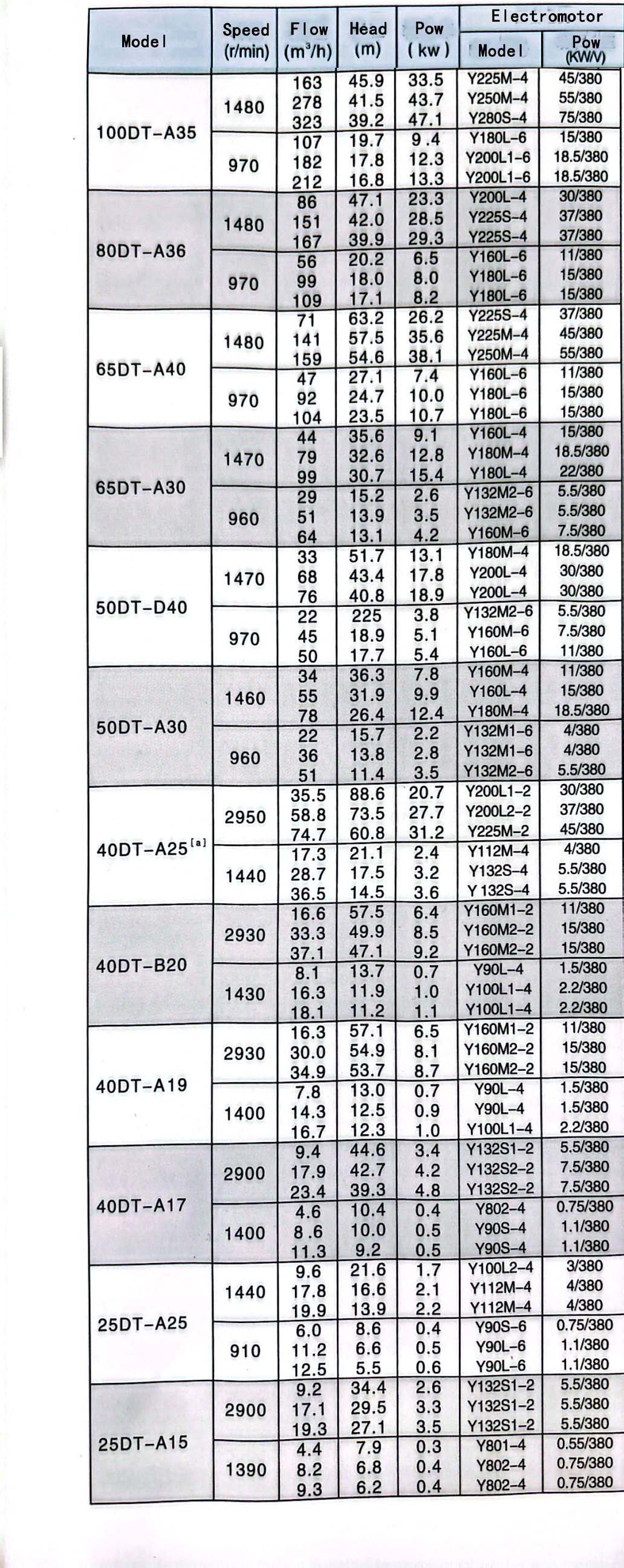
The performance of a submersible sewage pump is dictated by a complex interplay of hydraulic design, motor power, and impeller characteristics. Pump performance curves, generated through hydraulic testing (ISO 9906), define the relationship between flow rate, head (pressure), and power consumption. Key engineering considerations include Net Positive Suction Head Required (NPSHr), which must be less than the Net Positive Suction Head Available (NPSHa) to prevent cavitation. Cavitation, the formation and collapse of vapor bubbles, can lead to significant impeller damage and reduced pump efficiency. The impeller’s vane geometry – including vane angle, number of vanes, and width – significantly impacts pump performance. Computational Fluid Dynamics (CFD) modeling is routinely used to optimize impeller designs and predict pump performance under various operating conditions. The motor’s torque-speed curve must be matched to the pump’s load characteristics to ensure efficient operation. Submersible pumps are typically designed for continuous duty (S1) operation, requiring robust motor insulation (IEC 60034-18-41) and effective cooling systems to prevent overheating. Environmental resistance is a critical engineering factor. The pump must be capable of withstanding prolonged immersion in corrosive sewage, requiring proper material selection and protective coatings. Furthermore, the pump’s electrical cable and seals must be watertight and capable of resisting chemical attack. The pump's mechanical design must account for the dynamic forces generated by the impeller and fluid flow, preventing excessive vibration and stress on critical components. Vibration analysis (ISO 10816) is used to assess the pump’s mechanical condition and identify potential bearing failures or imbalances.
Technical Specifications
| Parameter | Unit | Typical Range | Testing Standard |
|---|---|---|---|
| Flow Rate | m³/h | 10 - 500 | ISO 9906 |
| Total Head | m | 5 - 80 | ISO 9906 |
| Motor Power | kW | 0.75 - 75 | IEC 60034 |
| Solids Handling Capacity | mm | Up to 75 | Manufacturer Specification |
| Maximum Immersion Depth | m | Up to 20 | Manufacturer Specification |
| Cable Length | m | 10 - 100 | IEC 60335-1 |
Failure Mode & Maintenance
Submersible sewage pumps are susceptible to several failure modes. A common failure is impeller wear, caused by abrasion from solids in the sewage. This leads to reduced pump efficiency and flow rate. Mechanical seal failure is another frequent issue, resulting in water ingress into the motor and subsequent motor failure. Seal failure can be caused by abrasive particles, chemical attack, or improper installation. Motor winding insulation breakdown is a significant concern, often caused by overheating, moisture ingress, or voltage surges. Bearing failure, characterized by excessive noise and vibration, can occur due to inadequate lubrication, contamination, or fatigue. Corrosion of pump components, particularly in aggressive sewage environments, can lead to structural weakening and eventual failure. Failure analysis techniques, such as visual inspection, microscopic examination of fractured surfaces, and oil analysis, are used to diagnose the root cause of failures. Preventive maintenance is crucial for extending pump life. Regular inspection of seals, bearings, and motor windings is essential. Lubrication of bearings should be performed according to manufacturer recommendations. Periodic cleaning of the pump and wet well can prevent the accumulation of solids and reduce the risk of impeller wear. Voltage monitoring and surge protection can prevent motor winding damage. Implement a routine vibration analysis program to detect early signs of bearing failures or imbalances. When replacing components, always use OEM-approved parts to ensure compatibility and maintain performance. Proper storage and handling of spare parts are also crucial to prevent corrosion or damage.
Industry FAQ
Q: What is the significance of the impeller material in a sewage pump, and how does it affect its lifespan?
A: The impeller material is critical. High-chrome cast iron impellers offer excellent abrasion resistance, vital for handling solids in sewage. However, for extremely abrasive applications, hardened stainless steel may be preferred despite the higher cost. Impeller lifespan is directly correlated to the material's hardness, corrosion resistance, and the characteristics of the sewage being pumped. Regular inspection for wear and timely replacement are crucial for maintaining pump performance.
Q: How do I determine the correct pump size for a specific application?
A: Proper pump sizing requires a detailed assessment of the system's requirements. Key factors include the flow rate, total dynamic head (including static lift and friction losses), solids content, and the frequency of pump starts/stops. Using pump performance curves and system head curves to find the operating point is essential. Oversizing leads to inefficiencies, while undersizing results in inadequate performance.
Q: What are the best practices for preventing motor failure in a submersible pump?
A: Preventing motor failure involves several strategies. Ensure proper voltage supply and surge protection. Regular inspection of motor windings for insulation breakdown is crucial. Maintaining adequate cooling (ensure proper fluid circulation around the motor) and preventing water ingress via reliable seal maintenance are vital. Periodic motor resistance measurements can detect early signs of winding degradation.
Q: What role does NPSH play in submersible pump operation and how can I ensure adequate NPSHa?
A: NPSH (Net Positive Suction Head) is crucial to prevent cavitation. NPSHr is a pump characteristic, while NPSHa (available) is system-dependent. NPSHa must always exceed NPSHr. To ensure adequate NPSHa, minimize suction lift, maximize submergence depth, and reduce friction losses in the suction piping. Proper wet well design and operation are also critical.
Q: What is the importance of mechanical seal selection, and what are the common failure mechanisms?
A: Mechanical seals prevent water ingress into the motor and are critical for pump reliability. Silicon carbide seals are generally preferred for sewage applications due to their abrasion resistance. Common failure mechanisms include abrasive wear, corrosion, and improper installation. Regular inspection and replacement are crucial. Ensuring proper lubrication and preventing dry running are also essential for seal longevity.
Conclusion
Submersible sewage pumping systems represent a sophisticated engineering solution for wastewater management. Their reliable operation hinges on a comprehensive understanding of material science, manufacturing processes, hydraulic principles, and potential failure modes. Selecting the correct pump for a specific application, coupled with a proactive maintenance program, is paramount for minimizing downtime, ensuring environmental compliance, and maximizing the system’s lifespan. The integration of advanced monitoring technologies and predictive maintenance strategies is becoming increasingly important for optimizing pump performance and preventing catastrophic failures.
Future advancements in submersible pump technology will likely focus on enhancing energy efficiency, reducing noise levels, and improving solids handling capabilities. The development of more durable and corrosion-resistant materials, coupled with smarter control systems, will contribute to lower lifecycle costs and more sustainable wastewater management practices. Ongoing research into advanced sealing technologies and predictive maintenance algorithms will further enhance the reliability and longevity of these critical systems.
-
Precision at the Pump: How Better Machining Protects Flow and Uptime
News2026-11-20
-
Why Pump Reliability Begins Before the First Drop of Fluid
News2026-11-20
-
Beyond the Pump: Designing Safer Access Around Critical Water Infrastructure
News2026-11-20
-
Why Pumping Stations Depend on the Infrastructure Beneath the Pumps
News2026-11-20
-
Beyond the Pump Room: How Smarter Loading Protects Industrial Equipment
News2026-11-19
-
When Pumps Stop: Designing More Resilient Power for Critical Pumping Systems
News2026-11-19
-
The Hidden Role of Dust and Gas Monitoring in Reliable Pump Operations
News2026-11-19
-
The Hidden Role of Mineral Compounds in Extending Industrial Pump Lifespan
News2026-10-12
-
Why Pump System Reliability Depends on Precision Hose Assembly Methods
News2026-09-15
-
How Advanced Imaging Films Are Transforming Pump Component Quality Control
News2026-08-25
-
How Advanced Filtration Protects Pump Systems from Premature Wear and Costly Downtime
News2026-08-25
-
How Steel Material Selection Drives Pump Reliability in Heavy-Duty Systems
News2026-08-25
-
Ensuring Pump System Efficiency: The Role of High-Quality Pipe Fittings and Tubing
News2026-08-24
-
Optimizing Fluid Dynamics and Material Consistency in Industrial Processing
News2026-08-18
-
Innovations and Challenges in Hydraulic Systems for Heavy Machinery
News2026-08-13




