English
- Afrikaans
- Albanian
- Amharic
- Arabic
- Armenian
- Azerbaijani
- Basque
- Belarusian
- Bengali
- Bosnian
- Bulgarian
- Catalan
- Cebuano
- Corsican
- Croatian
- Czech
- Danish
- Dutch
- English
- Esperanto
- Estonian
- Finnish
- French
- Frisian
- Galician
- Georgian
- German
- Greek
- Gujarati
- Haitian Creole
- hausa
- hawaiian
- Hebrew
- Hindi
- Miao
- Hungarian
- Icelandic
- igbo
- Indonesian
- irish
- Italian
- Japanese
- Javanese
- Kannada
- kazakh
- Khmer
- Rwandese
- Korean
- Kurdish
- Kyrgyz
- Lao
- Latin
- Latvian
- Lithuanian
- Luxembourgish
- Macedonian
- Malgashi
- Malay
- Malayalam
- Maltese
- Maori
- Marathi
- Mongolian
- Myanmar
- Nepali
- Norwegian
- Norwegian
- Occitan
- Pashto
- Persian
- Polish
- Portuguese
- Punjabi
- Romanian
- Russian
- Samoan
- Scottish Gaelic
- Serbian
- Sesotho
- Shona
- Sindhi
- Sinhala
- Slovak
- Slovenian
- Somali
- Spanish
- Sundanese
- Swahili
- Swedish
- Tagalog
- Tajik
- Tamil
- Tatar
- Telugu
- Thai
- Turkish
- Turkmen
- Ukrainian
- Urdu
- Uighur
- Uzbek
- Vietnamese
- Welsh
- Bantu
- Yiddish
- Yoruba
- Zulu

Telephone: +86 13120555503
Email: frank@cypump.com


Apr . 01, 2024 17:55 Back to list
Submersible Sewage Pumping System Manual Operation and Performance Analysis
Introduction
Submersible sewage pumping systems represent a critical component of wastewater management infrastructure, designed for the efficient and reliable removal of solids-laden effluent. These pumps operate entirely submerged within the sewage medium, eliminating the need for surface priming and minimizing noise pollution. Their application spans municipal wastewater treatment plants, industrial facilities generating process wastewater, and commercial buildings with substantial sanitary flow. This technical guide details the manual operation procedures, material science, performance characteristics, failure modes, and maintenance protocols associated with submersible sewage pumping systems. The selection process often hinges on hydraulic head requirements, solids handling capability, flow rate demands, and the chemical composition of the wastewater. Manual operation is frequently necessary during maintenance, emergency bypass situations, or when automated control systems experience failures, making a thorough understanding of procedures paramount. Improper operation can lead to pump damage, system inefficiency, and potential environmental hazards.
Material Science & Manufacturing
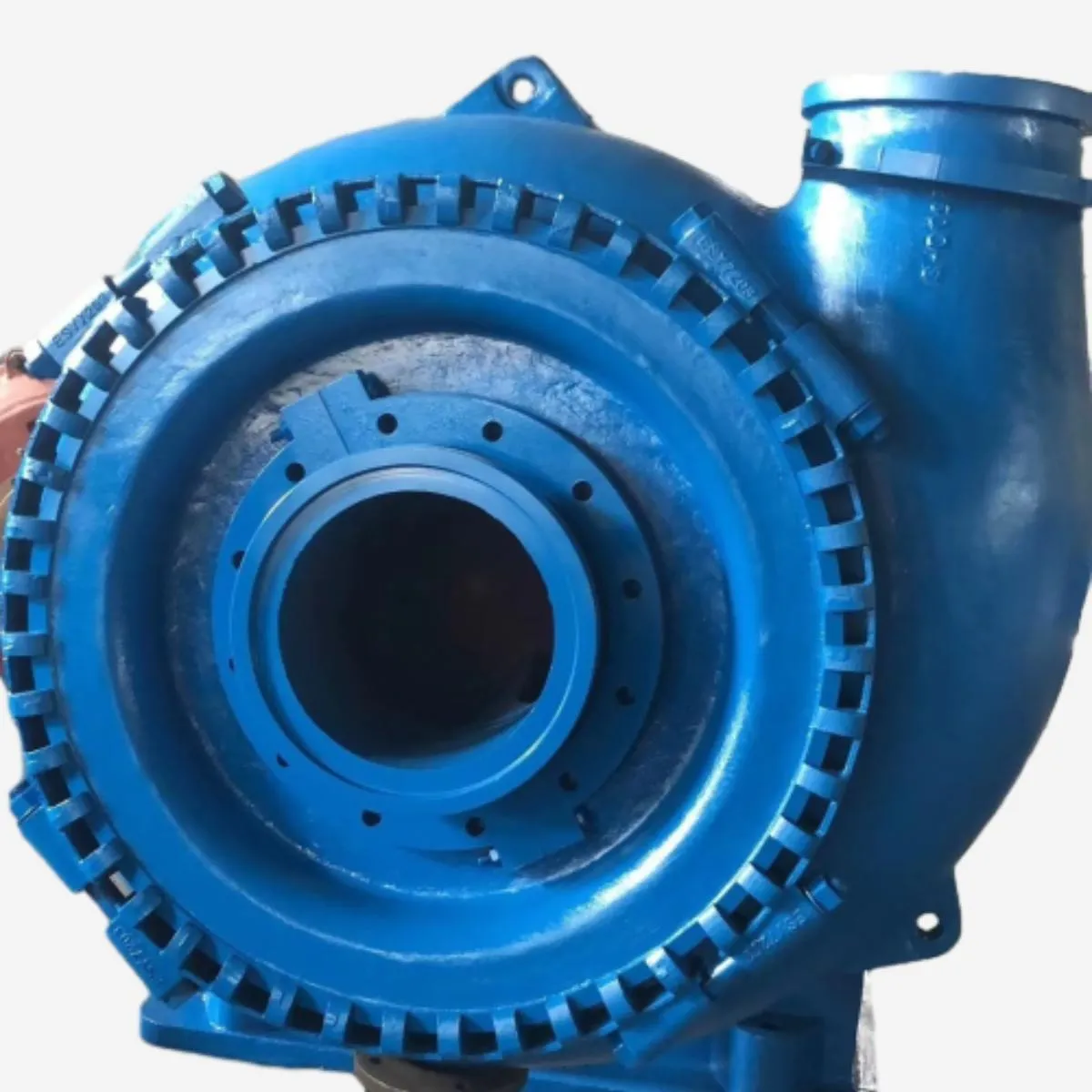
The robust construction of submersible sewage pumps relies heavily on specific material selections to withstand the corrosive and abrasive nature of wastewater. Pump housings are commonly manufactured from ductile iron (ASTM A536-83), chosen for its high tensile strength, impact resistance, and relatively good corrosion resistance. However, external coatings, such as epoxy or polyurethane, are frequently applied to enhance chemical inertness and prolong service life. Impellers, responsible for generating hydraulic force, are often constructed from high-chrome cast iron (typically 15-28% chrome content) or stainless steel (304 or 316 grade, per ASTM A240). High-chrome iron provides exceptional abrasion resistance, crucial for handling grit and sand, while stainless steel offers superior corrosion resistance in aggressive chemical environments. Pump shafts utilize alloy steel (typically 4140 or 4340, per ASTM A29) heat-treated for high torsional strength and fatigue resistance. Seals, a critical component preventing leakage, are typically comprised of silicon carbide (SiC) faces pressed against each other, or SiC against tungsten carbide (WC), providing a robust barrier against abrasive particles and chemical attack. Manufacturing processes involve casting for housings and impellers, machining for precise dimensional accuracy, and welding (SMAW or GMAW, per AWS D1.1) for assembling components. Quality control involves non-destructive testing (NDT), including radiographic inspection (RT) and ultrasonic testing (UT), to identify internal flaws in castings and welds. Parameter control during casting, such as pouring temperature and cooling rate, significantly influences the microstructure and mechanical properties of the final product.
Performance & Engineering
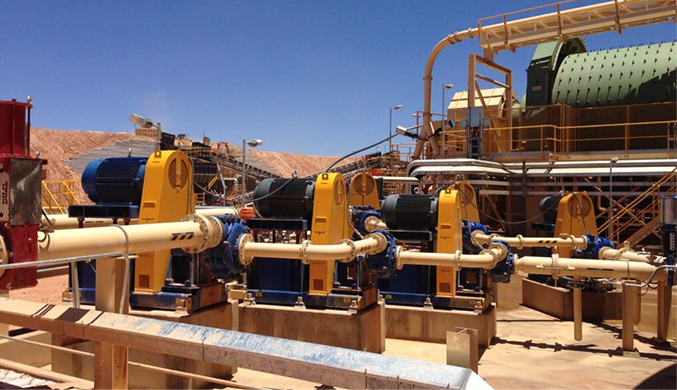
The performance of a submersible sewage pump is dictated by several key engineering considerations. Hydraulic efficiency, determined by impeller design and casing geometry, directly impacts energy consumption. Force analysis focuses on the mechanical stresses experienced by the pump components under varying operating conditions. This includes tensile, compressive, and shear stresses within the impeller, shaft, and housing. The pump’s Net Positive Suction Head Required (NPSHr), a critical parameter, must be lower than the Net Positive Suction Head Available (NPSHa) in the wet well to prevent cavitation, a phenomenon that can severely damage the impeller. Environmental resistance is crucial; pumps must withstand prolonged immersion in corrosive wastewater, ranging in pH from 5.5 to 9.5. Impeller design incorporates back-swept vanes to minimize clogging by solids. Compliance with industry standards like Hydraulic Institute (HI) standards for pump performance and efficiency is essential. The motor is typically designed for continuous submersion, enclosed in a watertight housing filled with oil for cooling and lubrication. Motor selection is based on the required horsepower (HP) calculated from flow rate, total dynamic head (TDH), and pump efficiency. Cable selection involves specialized submersible cable (IEEE 1550) with robust insulation and a watertight seal to prevent electrical shorts. Manual operation necessitates understanding the pump’s operating curves, including the relationship between flow rate, head, and power consumption, to optimize performance and avoid overloading.
Technical Specifications
| Parameter | Unit | Typical Range (Residential/Commercial) | Typical Range (Industrial/Municipal) |
|---|---|---|---|
| Flow Rate | GPM (Gallons per Minute) | 25 - 150 | 200 - 2000+ |
| Total Dynamic Head (TDH) | Feet | 10 - 50 | 50 - 200+ |
| Motor Horsepower | HP | 1/2 - 5 | 5 - 100+ |
| Impeller Diameter | Inches | 4 - 8 | 8 - 24+ |
| Solids Handling Capacity | Inches | Up to 2 | Up to 4+ |
| Maximum Submergence | Feet | Up to 30 | Up to 100+ |
Failure Mode & Maintenance
Submersible sewage pumps are susceptible to a variety of failure modes. Fatigue cracking in the impeller, particularly around the vane roots, is common due to cyclical stress from solids impact. Shaft breakage can occur from torsional fatigue or corrosion. Seal failure, manifesting as leakage, is often caused by abrasive particle intrusion or chemical degradation of the seal materials. Bearing failure, indicated by increased noise and vibration, results from inadequate lubrication or contamination. Motor winding failure, often due to overheating or insulation breakdown, leads to pump shutdown. Degradation of the cable insulation can cause short circuits and electrical hazards. Oxidation of the pump housing is a slow but progressive failure mode, particularly in aggressive chemical environments. Preventive maintenance is crucial. Regular inspection (every 3-6 months) should include visual checks for leaks, cable damage, and unusual noise. Bearing lubrication should be performed according to the manufacturer’s recommendations. Seal replacement is typically required every 1-2 years, depending on the wastewater composition. Impeller inspection for wear and erosion should be conducted annually. Motor windings should be tested for insulation resistance. Regular cleaning of the pump intake screen prevents clogging. During manual operation, monitoring amperage draw is essential to avoid overloading the motor.
Industry FAQ
Q: What is the primary cause of reduced pump performance over time?
A: The primary cause is often impeller wear due to abrasion from solids in the wastewater, leading to reduced impeller diameter and altered hydraulic efficiency. Build-up of debris on the impeller vanes also contributes to reduced performance. Regular inspection and cleaning, or impeller replacement, are necessary.
Q: How do I troubleshoot a pump that repeatedly cycles on and off?
A: Frequent cycling often indicates a low liquid level in the wet well, a malfunctioning level sensor, or a leak in the discharge piping. Verify the wet well level, inspect the sensor functionality, and check for leaks. Also, confirm that the pump isn’t undersized for the application.
Q: What safety precautions should be taken during manual pump operation?
A: Always disconnect power to the pump before any maintenance. Wear appropriate personal protective equipment (PPE), including gloves, safety glasses, and waterproof boots. Ensure proper grounding to prevent electrical shock. Be aware of potential hazardous gases in the wet well.
Q: How do I determine the appropriate pump size for a new application?
A: The pump size is determined by calculating the total dynamic head (TDH), which includes static head, friction losses in the piping, and pressure requirements. The required flow rate is based on the anticipated wastewater volume. Consult pump performance curves to select a pump that delivers the desired flow rate at the calculated TDH.
Q: What are the signs that a pump seal is failing?
A: Visible leakage around the pump housing is the most obvious sign. Increased noise levels and excessive vibration can also indicate seal failure. A decrease in pump performance and evidence of oil emulsification in the wastewater are further indicators.
Conclusion
Submersible sewage pumping systems are engineered for demanding applications, relying on robust material selection, precise manufacturing, and diligent maintenance. Understanding the core principles of pump operation, including hydraulic performance, failure modes, and safety protocols, is critical for maximizing system reliability and minimizing lifecycle costs. Proper manual operation, adhering to established procedures and safety guidelines, plays a vital role in responding to emergencies and ensuring continued wastewater management.
Future advancements in pump technology are focused on enhanced materials with improved corrosion resistance, optimized impeller designs for higher efficiency, and the integration of smart sensors for predictive maintenance. The implementation of condition monitoring systems, utilizing data analytics to detect early signs of failure, will further optimize system performance and reduce unplanned downtime. The long-term sustainability of wastewater infrastructure relies on the continued development and deployment of innovative pumping technologies.
-
Precision at the Pump: How Better Machining Protects Flow and Uptime
News2026-11-20
-
Why Pump Reliability Begins Before the First Drop of Fluid
News2026-11-20
-
Beyond the Pump: Designing Safer Access Around Critical Water Infrastructure
News2026-11-20
-
Why Pumping Stations Depend on the Infrastructure Beneath the Pumps
News2026-11-20
-
Beyond the Pump Room: How Smarter Loading Protects Industrial Equipment
News2026-11-19
-
When Pumps Stop: Designing More Resilient Power for Critical Pumping Systems
News2026-11-19
-
The Hidden Role of Dust and Gas Monitoring in Reliable Pump Operations
News2026-11-19
-
The Hidden Role of Mineral Compounds in Extending Industrial Pump Lifespan
News2026-10-12
-
Why Pump System Reliability Depends on Precision Hose Assembly Methods
News2026-09-15
-
How Advanced Imaging Films Are Transforming Pump Component Quality Control
News2026-08-25
-
How Advanced Filtration Protects Pump Systems from Premature Wear and Costly Downtime
News2026-08-25
-
How Steel Material Selection Drives Pump Reliability in Heavy-Duty Systems
News2026-08-25
-
Ensuring Pump System Efficiency: The Role of High-Quality Pipe Fittings and Tubing
News2026-08-24
-
Optimizing Fluid Dynamics and Material Consistency in Industrial Processing
News2026-08-18
-
Innovations and Challenges in Hydraulic Systems for Heavy Machinery
News2026-08-13




