English
- Afrikaans
- Albanian
- Amharic
- Arabic
- Armenian
- Azerbaijani
- Basque
- Belarusian
- Bengali
- Bosnian
- Bulgarian
- Catalan
- Cebuano
- Corsican
- Croatian
- Czech
- Danish
- Dutch
- English
- Esperanto
- Estonian
- Finnish
- French
- Frisian
- Galician
- Georgian
- German
- Greek
- Gujarati
- Haitian Creole
- hausa
- hawaiian
- Hebrew
- Hindi
- Miao
- Hungarian
- Icelandic
- igbo
- Indonesian
- irish
- Italian
- Japanese
- Javanese
- Kannada
- kazakh
- Khmer
- Rwandese
- Korean
- Kurdish
- Kyrgyz
- Lao
- Latin
- Latvian
- Lithuanian
- Luxembourgish
- Macedonian
- Malgashi
- Malay
- Malayalam
- Maltese
- Maori
- Marathi
- Mongolian
- Myanmar
- Nepali
- Norwegian
- Norwegian
- Occitan
- Pashto
- Persian
- Polish
- Portuguese
- Punjabi
- Romanian
- Russian
- Samoan
- Scottish Gaelic
- Serbian
- Sesotho
- Shona
- Sindhi
- Sinhala
- Slovak
- Slovenian
- Somali
- Spanish
- Sundanese
- Swahili
- Swedish
- Tagalog
- Tajik
- Tamil
- Tatar
- Telugu
- Thai
- Turkish
- Turkmen
- Ukrainian
- Urdu
- Uighur
- Uzbek
- Vietnamese
- Welsh
- Bantu
- Yiddish
- Yoruba
- Zulu

Telephone: +86 13120555503
Email: frank@cypump.com


Apr . 01, 2024 17:55 Back to list
submersible sewage pump suppliers Performance Analysis
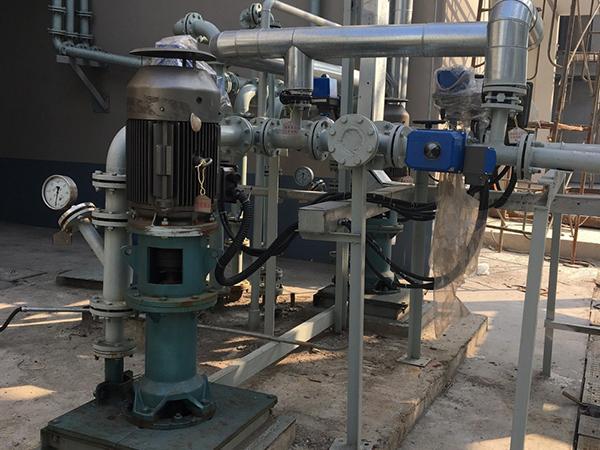
Introduction
Submersible sewage pumps are critical components in wastewater treatment infrastructure, serving municipal, commercial, and industrial applications. These pumps are designed for fully submerged operation, efficiently transferring sewage, effluent, and sludge. Their technical position within the wastewater management chain is as a primary lifting and conveyance mechanism, following preliminary treatment (screening and grit removal) and preceding secondary treatment processes. Core performance characteristics are defined by flow rate (typically measured in gallons per minute or liters per second), head (vertical distance the pump can lift the fluid, measured in feet or meters), solids handling capability (size and concentration of suspended solids), and pump efficiency. A key industry pain point is balancing pump longevity with initial cost, as corrosive fluids and abrasive solids significantly impact wear and tear, necessitating robust material selection and design. Another challenge centers around energy consumption and the drive toward more efficient pump technologies to minimize operational costs and environmental impact. Pump suppliers face increasing pressure to provide solutions that comply with stringent discharge regulations and evolving environmental standards.
Material Science & Manufacturing
The performance and durability of submersible sewage pumps are heavily reliant on the materials used in their construction and the precision of the manufacturing process. Pump casings are commonly constructed from cast iron (ASTM A48 Class 30), stainless steel (304, 316 – ASTM A743), or high-density polyethylene (HDPE). Cast iron offers cost-effectiveness and good abrasion resistance, but requires protective coatings (epoxy, fusion-bonded epoxy) to mitigate corrosion. Stainless steel provides superior corrosion resistance, particularly 316 grade with molybdenum content, but comes at a higher cost. HDPE is lightweight and chemically inert but has lower mechanical strength. Impeller materials commonly include cast iron with hardened surfaces, stainless steel, and specialized polymer alloys. Shafts are typically manufactured from high-strength alloy steel (e.g., 4140 – ASTM A276) and subjected to heat treatment for increased hardness and fatigue resistance. Seals are critical, employing materials like silicon carbide (SiC) and tungsten carbide (WC) for wear resistance against abrasive particles. The manufacturing process typically involves casting or molding the casing, machining critical surfaces for precise fit, impeller fabrication (casting or forging), shaft machining and hardening, assembly with rigorous quality control, and final testing. Key parameters controlled during manufacturing include impeller balance (to minimize vibration), casing dimensional accuracy (to ensure proper sealing), and seal concentricity (to prevent leakage). Welding processes, if used, must adhere to AWS D1.1 standards for structural welding.
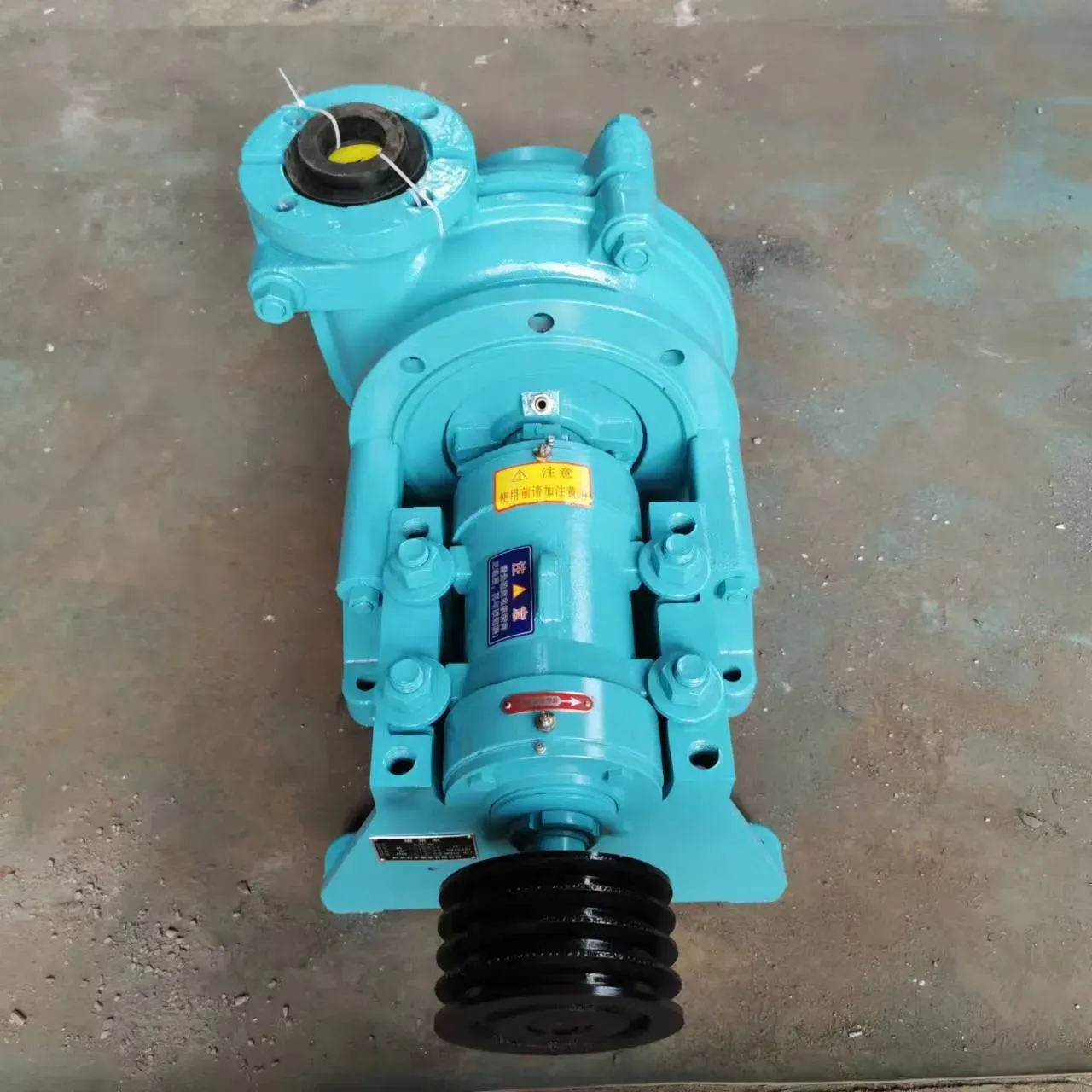
Performance & Engineering
Performance of submersible sewage pumps is fundamentally governed by hydraulic principles and mechanical engineering considerations. Force analysis focuses on stresses induced by fluid pressure, impeller loading, and shaft torsion. Finite Element Analysis (FEA) is frequently employed during design to optimize component geometry and material selection for minimizing stress concentrations and maximizing fatigue life. Environmental resistance is a crucial design factor. Pumps must withstand continuous submersion in corrosive sewage, fluctuating temperatures, and potential for abrasion from solids. Motor housings require robust sealing (IP68 rating – IEC 60529) to prevent water ingress and ensure electrical safety. Pump curves, detailing flow rate versus head, are generated through rigorous testing conforming to Hydraulic Institute standards (ANSI/HI 14). Compliance requirements include adherence to National Electrical Manufacturers Association (NEMA) standards for motor performance and safety, and potentially regional regulations regarding discharge limits for wastewater (e.g., EPA guidelines in the US). Functional implementation often involves selecting the appropriate pump type (centrifugal, vortex, or positive displacement) based on the specific application and fluid characteristics. Vortex impellers are preferred for handling large solids and reducing clogging, while centrifugal impellers offer higher efficiency for clear liquids. Positive displacement pumps are used for precise dosing or high-viscosity fluids. Motor selection is based on required horsepower, voltage, and frequency, considering the potential for variable frequency drive (VFD) integration for energy savings.
Technical Specifications
| Parameter | Unit | Typical Value (Municipal Sewage) | Typical Value (Industrial Wastewater) |
|---|---|---|---|
| Flow Rate | GPM (US) / L/s | 100-500 | 50-1000 |
| Total Dynamic Head | ft / m | 30-100 | 50-200 |
| Solids Handling | in / mm | 2-3 / 50-75 | 1-4 / 25-100 |
| Motor Power | HP / kW | 3-15 | 5-30 |
| Impeller Material | - | Cast Iron (w/ Coating) | Stainless Steel (316) |
| Casing Material | - | Cast Iron (w/ Coating) | Stainless Steel (304/316) or HDPE |
Failure Mode & Maintenance
Submersible sewage pumps are subject to several common failure modes. Fatigue cracking in the impeller and casing can occur due to cyclical stress from fluid flow and solids impact. Delamination of protective coatings on cast iron components exposes the underlying metal to corrosion. Bearing failure results from lubricant degradation, contamination, or excessive loading. Seal failure leads to water ingress and motor damage. Cavitation, caused by low inlet pressure or excessive pump speed, erodes impeller vanes. Oxidation and corrosion of metallic components are accelerated by the chemical composition of the wastewater. Preventative maintenance is crucial for extending pump life. Regular inspection of seals, bearings, and coatings is essential. Lubrication schedules should be strictly followed, using appropriate synthetic lubricants. Periodic cleaning to remove debris buildup prevents clogging and reduces strain on the pump. Vibration analysis can detect early signs of bearing wear or impeller imbalance. In the event of failure, root cause analysis should be performed to identify the underlying issue and prevent recurrence. Replacement parts should meet original equipment manufacturer (OEM) specifications to ensure compatibility and performance. Implementing a condition monitoring system with sensors for vibration, temperature, and motor current can provide early warnings of potential failures.
Industry FAQ
Q: What is the impact of wastewater composition on pump material selection?
A: Wastewater composition dictates material selection. High sulfide content necessitates 316 stainless steel or specialized alloys to prevent corrosion. Aggressive chemicals require chemically resistant polymers (HDPE, PVDF). High solids content demands abrasion-resistant coatings or hardened impellers.
Q: How do I determine the optimal pump size for my application?
A: Pump sizing requires careful consideration of flow rate, total dynamic head, and solids content. Accurate system head loss calculations are crucial. A pump curve should be selected that delivers the required flow rate at the calculated head. Oversizing leads to inefficiency, while undersizing results in inadequate performance.
Q: What are the benefits of using a variable frequency drive (VFD) with a submersible pump?
A: VFDs allow for precise control of pump speed, optimizing energy consumption by matching pump output to demand. They also reduce mechanical stress on the pump and motor during start-up and shut-down, extending equipment life.
Q: What are the typical maintenance intervals for a submersible sewage pump?
A: Routine maintenance should include monthly visual inspections, quarterly seal checks, annual bearing lubrication, and bi-annual motor insulation testing. More frequent inspections are required for demanding applications.
Q: How do I troubleshoot a pump that is experiencing reduced flow?
A: Reduced flow can be caused by clogging, impeller wear, seal leakage, or motor problems. Check for obstructions in the intake, inspect the impeller for damage, verify seal integrity, and measure motor current and voltage.
Conclusion
Submersible sewage pumps are complex systems demanding careful consideration of material science, hydraulic engineering, and operational requirements. Selecting the appropriate pump for a given application necessitates a thorough understanding of wastewater characteristics, system head loss, and long-term maintenance considerations. A focus on durable materials, robust design, and proactive maintenance is essential for maximizing pump lifespan and minimizing total cost of ownership.
The drive toward greater energy efficiency and environmental sustainability will continue to shape the design and operation of submersible sewage pumps, leading to increased adoption of VFD technology, optimized impeller designs, and the development of new materials with enhanced corrosion and abrasion resistance. Suppliers who can provide comprehensive solutions, including pump selection assistance, installation support, and ongoing maintenance services, will be best positioned to succeed in this competitive market.
-
Precision at the Pump: How Better Machining Protects Flow and Uptime
News2026-11-20
-
Why Pump Reliability Begins Before the First Drop of Fluid
News2026-11-20
-
Beyond the Pump: Designing Safer Access Around Critical Water Infrastructure
News2026-11-20
-
Why Pumping Stations Depend on the Infrastructure Beneath the Pumps
News2026-11-20
-
Beyond the Pump Room: How Smarter Loading Protects Industrial Equipment
News2026-11-19
-
When Pumps Stop: Designing More Resilient Power for Critical Pumping Systems
News2026-11-19
-
The Hidden Role of Dust and Gas Monitoring in Reliable Pump Operations
News2026-11-19
-
The Hidden Role of Mineral Compounds in Extending Industrial Pump Lifespan
News2026-10-12
-
Why Pump System Reliability Depends on Precision Hose Assembly Methods
News2026-09-15
-
How Advanced Imaging Films Are Transforming Pump Component Quality Control
News2026-08-25
-
How Advanced Filtration Protects Pump Systems from Premature Wear and Costly Downtime
News2026-08-25
-
How Steel Material Selection Drives Pump Reliability in Heavy-Duty Systems
News2026-08-25
-
Ensuring Pump System Efficiency: The Role of High-Quality Pipe Fittings and Tubing
News2026-08-24
-
Optimizing Fluid Dynamics and Material Consistency in Industrial Processing
News2026-08-18
-
Innovations and Challenges in Hydraulic Systems for Heavy Machinery
News2026-08-13




