English
- Afrikaans
- Albanian
- Amharic
- Arabic
- Armenian
- Azerbaijani
- Basque
- Belarusian
- Bengali
- Bosnian
- Bulgarian
- Catalan
- Cebuano
- Corsican
- Croatian
- Czech
- Danish
- Dutch
- English
- Esperanto
- Estonian
- Finnish
- French
- Frisian
- Galician
- Georgian
- German
- Greek
- Gujarati
- Haitian Creole
- hausa
- hawaiian
- Hebrew
- Hindi
- Miao
- Hungarian
- Icelandic
- igbo
- Indonesian
- irish
- Italian
- Japanese
- Javanese
- Kannada
- kazakh
- Khmer
- Rwandese
- Korean
- Kurdish
- Kyrgyz
- Lao
- Latin
- Latvian
- Lithuanian
- Luxembourgish
- Macedonian
- Malgashi
- Malay
- Malayalam
- Maltese
- Maori
- Marathi
- Mongolian
- Myanmar
- Nepali
- Norwegian
- Norwegian
- Occitan
- Pashto
- Persian
- Polish
- Portuguese
- Punjabi
- Romanian
- Russian
- Samoan
- Scottish Gaelic
- Serbian
- Sesotho
- Shona
- Sindhi
- Sinhala
- Slovak
- Slovenian
- Somali
- Spanish
- Sundanese
- Swahili
- Swedish
- Tagalog
- Tajik
- Tamil
- Tatar
- Telugu
- Thai
- Turkish
- Turkmen
- Ukrainian
- Urdu
- Uighur
- Uzbek
- Vietnamese
- Welsh
- Bantu
- Yiddish
- Yoruba
- Zulu

Telephone: +86 13120555503
Email: frank@cypump.com


Apr . 01, 2024 17:55 Back to list
Submersible Sewage Pump Reviews Performance Analysis
Introduction
Submersible sewage pumps are critical components in wastewater management systems, designed for efficient removal of solids-laden fluids from residential, commercial, and industrial sources. Positioned within the wastewater stream, these pumps offer advantages over surface-mounted options, notably eliminating the need for priming and reducing noise pollution. Their technical position in the industry chain spans from raw material suppliers (cast iron, stainless steel, elastomers) through pump component manufacturers, assembly facilities, and ultimately, to engineering procurement and construction (EPC) firms responsible for wastewater treatment plant design and implementation. Core performance metrics center around hydraulic efficiency, solids handling capability, motor reliability under submerged conditions, and longevity in corrosive environments. The increasing stringency of environmental regulations and the need for optimized energy consumption drive ongoing innovation in this sector, including improvements in impeller design, motor efficiency, and control systems. A key industry pain point is balancing pump efficiency with resistance to abrasive wear and clogging, demanding careful material selection and robust mechanical design.
Material Science & Manufacturing
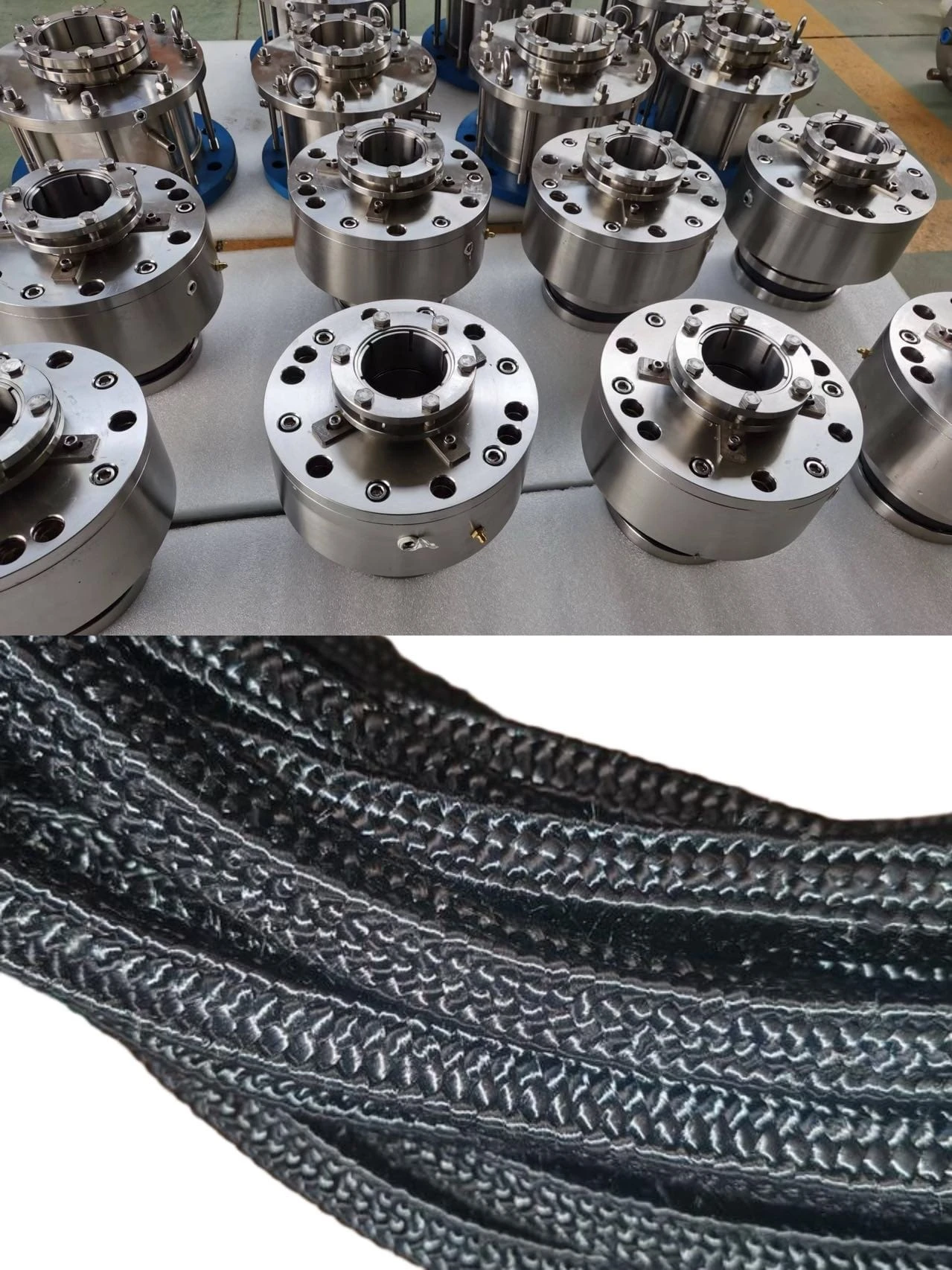
The construction of submersible sewage pumps relies on several key materials. Pump housings are typically manufactured from gray cast iron (ASTM A48 Class 30) due to its cost-effectiveness, vibration damping properties, and machinability. However, for highly corrosive environments, stainless steel (304 or 316 grades, per ASTM A240) is employed, offering superior resistance to chemical attack. Impellers are frequently made from high-chrome cast iron (ASTM A532 Grade 1A) or ductile iron, selected for their abrasion resistance necessary to handle solids. Mechanical seals, crucial for preventing water ingress into the motor, utilize silicon carbide (SiC) or tungsten carbide (WC) seal faces coupled with elastomers like nitrile rubber (NBR) or Viton (FKM) for compatibility with wastewater constituents. Manufacturing processes include sand casting for housings and impellers, followed by machining to precise tolerances. Motor components necessitate electromagnetic steel laminations (ASTM A683) and copper windings (IEC 60317) encased in epoxy resin for insulation and moisture protection. Critical parameter control during manufacturing includes dimensional accuracy of impeller vanes (affecting hydraulic performance), surface finish of seal faces (ensuring leak-tightness), and impregnation quality of motor windings (preventing short circuits). Welding processes, particularly for stainless steel housings, require strict adherence to AWS D1.1 standards to maintain structural integrity and corrosion resistance.
Performance & Engineering
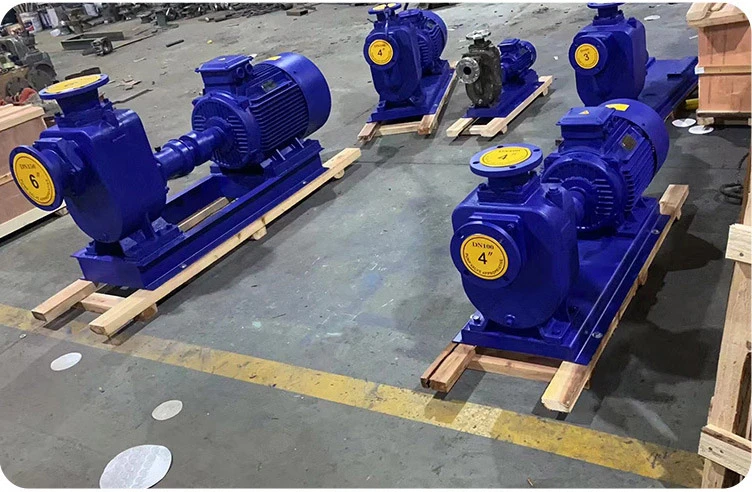
Performance evaluation centers around hydraulic power, total dynamic head (TDH), and flow rate. Force analysis includes calculating impeller loads due to solids impact and radial forces on the shaft, necessitating robust bearing design (typically deep-groove ball bearings or tapered roller bearings, lubricated with grease conforming to NLGI standards). Environmental resistance is paramount; pumps must withstand continuous submersion, varying temperatures, and potential exposure to hydrogen sulfide (H2S), chlorides, and other corrosive agents. Compliance requirements include adherence to electrical safety standards (IEC 60335-2-40 for submersible pumps) and hydraulic performance standards (AHRI 400 for centrifugal pumps – though adapted for solids handling). Functional implementation demands careful consideration of pump curve matching to the system's head-flow characteristics. Cavitation, a major failure mode, is mitigated through proper impeller design and operating within the pump's specified head-flow range. The selection of the motor’s power rating is dictated by the required hydraulic power output, accounting for efficiency losses and safety factors. Furthermore, proper pump installation, including adequate suction head and discharge piping, is crucial for optimal performance and longevity. Motor cooling relies on the surrounding wastewater, necessitating sufficient flow to prevent overheating.
Technical Specifications
| Pump Model | Motor Power (kW) | Maximum Head (m) | Maximum Flow Rate (m³/h) |
|---|---|---|---|
| S10-200 | 1.5 | 25 | 10 |
| S15-300 | 3.0 | 35 | 20 |
| S20-400 | 4.0 | 45 | 30 |
| S25-500 | 5.5 | 55 | 40 |
| S30-600 | 7.5 | 65 | 50 |
| S35-700 | 11.0 | 75 | 60 |
Failure Mode & Maintenance
Common failure modes include impeller wear due to abrasive solids, mechanical seal failure leading to motor ingress, motor winding failure due to overheating or insulation breakdown, and bearing failure due to overloading or corrosion. Fatigue cracking in the pump housing can occur under cyclic loading. Delamination of coatings (if applied) can accelerate corrosion. Failure analysis techniques include visual inspection, non-destructive testing (NDT) such as ultrasonic testing and liquid penetrant inspection, and metallurgical analysis of failed components. Maintenance solutions involve regular inspection of seals and bearings, lubrication of bearings per manufacturer recommendations (using compatible greases), monitoring motor current and temperature, and periodic cleaning to remove accumulated solids. For seal failures, replacement with compatible materials is crucial. Motor winding failure necessitates rewinding or replacement. Impeller wear can be addressed through replacement or, in some cases, welding and re-profiling. Preventative maintenance programs, including vibration analysis and oil analysis (for oil-lubricated bearings), can significantly extend pump life. Regular checks for corrosion and application of protective coatings can mitigate housing degradation. Proper strainer installation upstream of the pump is essential to prevent large solids from entering the pump.
Industry FAQ
Q: What is the optimal impeller material for handling highly abrasive sewage solids?
A: For highly abrasive applications, high-chrome cast iron is generally the preferred impeller material. The high chromium content imparts exceptional abrasion resistance, significantly extending impeller life compared to standard cast iron or ductile iron. However, the specific composition of the chrome cast iron and the hardness level are crucial factors to consider, balancing wear resistance with susceptibility to corrosion.
Q: How critical is the selection of the mechanical seal material, and what factors influence this choice?
A: Mechanical seal material selection is critically important. Factors influencing this choice include the pH of the wastewater, the presence of corrosive chemicals (e.g., sulfides, chlorides), the solids content, and the operating temperature. Silicon carbide (SiC) seal faces are generally more resistant to abrasion than tungsten carbide (WC) and are preferred for higher solids content. The elastomer (O-ring) material must be compatible with the wastewater constituents; Viton (FKM) offers broad chemical resistance, while Nitrile (NBR) is a more cost-effective option for less aggressive environments.
Q: What are the typical causes of motor failure in submersible sewage pumps?
A: Common motor failures include winding insulation breakdown due to overheating, moisture ingress causing short circuits, and bearing failures. Overheating can result from insufficient cooling (low wastewater flow), excessive load, or voltage imbalances. Moisture ingress is often due to seal failure. Bearing failures can be caused by overloading, improper lubrication, or corrosion. Proper motor selection, adequate cooling, and regular maintenance are essential to prevent these failures.
Q: What maintenance procedures are recommended to maximize pump lifespan?
A: Recommended maintenance includes regular inspection of seals and bearings, lubrication of bearings (using a compatible grease), monitoring motor current and temperature, periodic cleaning to remove accumulated solids, and visual inspection for corrosion or damage. Vibration analysis and oil analysis (if applicable) can provide early warning signs of potential failures. Maintaining accurate maintenance records is also crucial.
Q: What standards govern the electrical safety of submersible sewage pumps?
A: IEC 60335-2-40 is the primary international standard governing the safety of submersible pumps. This standard covers aspects such as electrical insulation, grounding, and protection against overheating and overcurrent. National standards may also apply depending on the region, such as UL standards in the United States and CSA standards in Canada.
Conclusion
Submersible sewage pumps represent a complex intersection of materials science, hydraulic engineering, and electrical design. Selecting the appropriate pump for a given application requires careful consideration of the wastewater characteristics, solids content, head-flow requirements, and environmental conditions. Failure prevention relies on a combination of robust design, quality manufacturing, and diligent maintenance practices. Continued advancements in pump efficiency, impeller materials, and seal technology are driven by the increasing demand for sustainable and cost-effective wastewater management solutions.
The future of submersible sewage pump technology is likely to involve increased integration of smart sensors and data analytics for predictive maintenance, optimizing pump performance and reducing downtime. Further development of abrasion-resistant materials and improved impeller designs will enhance pump longevity in challenging applications. Additionally, the adoption of variable frequency drives (VFDs) will allow for more precise control of pump speed and energy consumption, leading to significant operational savings and reduced environmental impact.
-
Precision at the Pump: How Better Machining Protects Flow and Uptime
News2026-11-20
-
Why Pump Reliability Begins Before the First Drop of Fluid
News2026-11-20
-
Beyond the Pump: Designing Safer Access Around Critical Water Infrastructure
News2026-11-20
-
Why Pumping Stations Depend on the Infrastructure Beneath the Pumps
News2026-11-20
-
Beyond the Pump Room: How Smarter Loading Protects Industrial Equipment
News2026-11-19
-
When Pumps Stop: Designing More Resilient Power for Critical Pumping Systems
News2026-11-19
-
The Hidden Role of Dust and Gas Monitoring in Reliable Pump Operations
News2026-11-19
-
The Hidden Role of Mineral Compounds in Extending Industrial Pump Lifespan
News2026-10-12
-
Why Pump System Reliability Depends on Precision Hose Assembly Methods
News2026-09-15
-
How Advanced Imaging Films Are Transforming Pump Component Quality Control
News2026-08-25
-
How Advanced Filtration Protects Pump Systems from Premature Wear and Costly Downtime
News2026-08-25
-
How Steel Material Selection Drives Pump Reliability in Heavy-Duty Systems
News2026-08-25
-
Ensuring Pump System Efficiency: The Role of High-Quality Pipe Fittings and Tubing
News2026-08-24
-
Optimizing Fluid Dynamics and Material Consistency in Industrial Processing
News2026-08-18
-
Innovations and Challenges in Hydraulic Systems for Heavy Machinery
News2026-08-13




