English
- Afrikaans
- Albanian
- Amharic
- Arabic
- Armenian
- Azerbaijani
- Basque
- Belarusian
- Bengali
- Bosnian
- Bulgarian
- Catalan
- Cebuano
- Corsican
- Croatian
- Czech
- Danish
- Dutch
- English
- Esperanto
- Estonian
- Finnish
- French
- Frisian
- Galician
- Georgian
- German
- Greek
- Gujarati
- Haitian Creole
- hausa
- hawaiian
- Hebrew
- Hindi
- Miao
- Hungarian
- Icelandic
- igbo
- Indonesian
- irish
- Italian
- Japanese
- Javanese
- Kannada
- kazakh
- Khmer
- Rwandese
- Korean
- Kurdish
- Kyrgyz
- Lao
- Latin
- Latvian
- Lithuanian
- Luxembourgish
- Macedonian
- Malgashi
- Malay
- Malayalam
- Maltese
- Maori
- Marathi
- Mongolian
- Myanmar
- Nepali
- Norwegian
- Norwegian
- Occitan
- Pashto
- Persian
- Polish
- Portuguese
- Punjabi
- Romanian
- Russian
- Samoan
- Scottish Gaelic
- Serbian
- Sesotho
- Shona
- Sindhi
- Sinhala
- Slovak
- Slovenian
- Somali
- Spanish
- Sundanese
- Swahili
- Swedish
- Tagalog
- Tajik
- Tamil
- Tatar
- Telugu
- Thai
- Turkish
- Turkmen
- Ukrainian
- Urdu
- Uighur
- Uzbek
- Vietnamese
- Welsh
- Bantu
- Yiddish
- Yoruba
- Zulu

Telephone: +86 13120555503
Email: frank@cypump.com


Apr . 01, 2024 17:55 Back to list
submersible sewage pump repair Performance Analysis
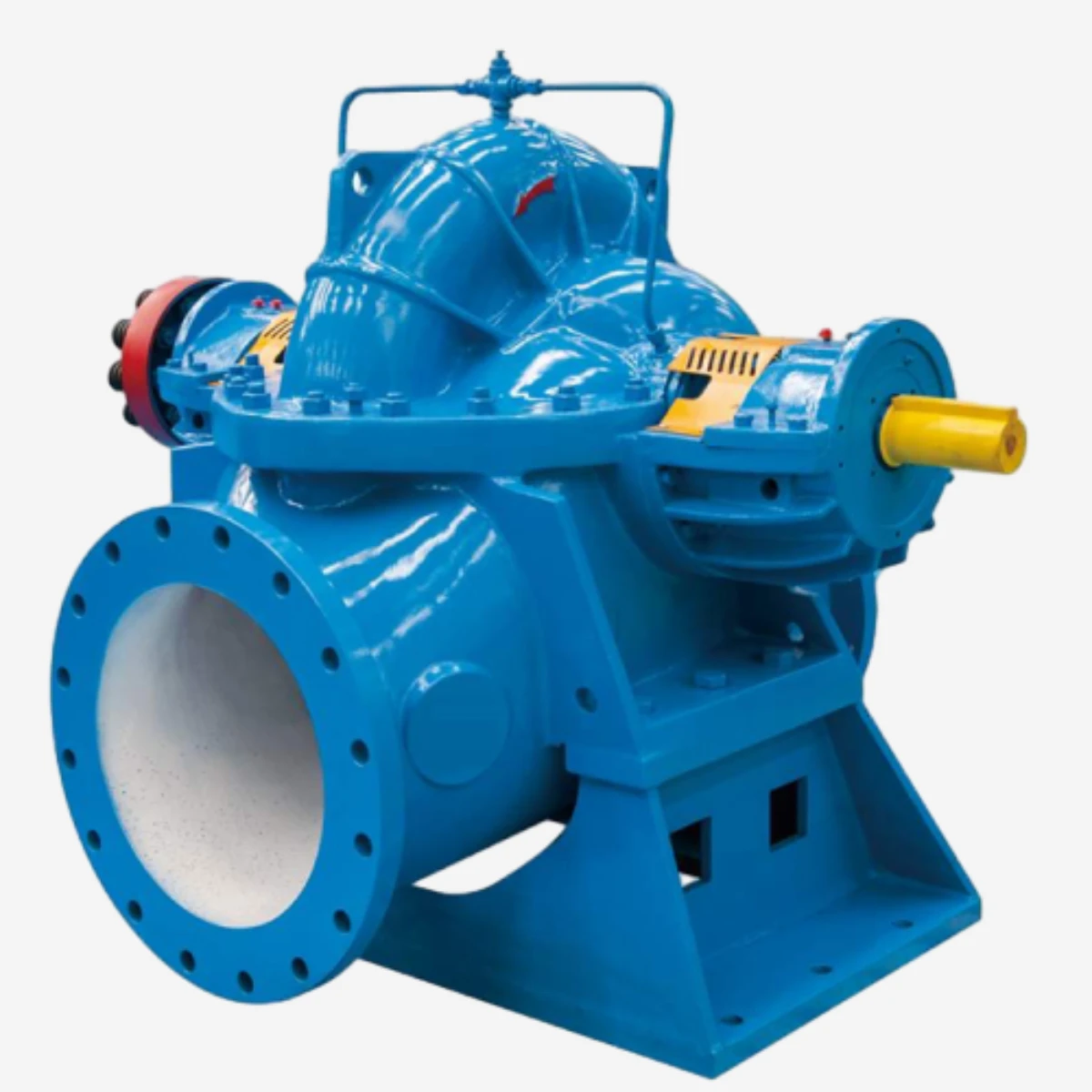
Introduction
Submersible sewage pumps are critical components of wastewater treatment infrastructure, utilized in municipal, industrial, and commercial applications to efficiently transfer wastewater, solids, and slurries. Repairing these pumps is a specialized discipline demanding a thorough understanding of hydraulic principles, electrical systems, and material degradation mechanisms. This guide provides an in-depth analysis of the repair process, covering material science, manufacturing considerations, performance parameters, common failure modes, and relevant industry standards. The increasing demands on wastewater infrastructure, coupled with the corrosive nature of the conveyed media, necessitate robust repair protocols to maximize pump lifespan and minimize downtime. Effective repair extends beyond simply replacing components; it requires comprehensive assessment to address root causes and prevent recurrence of failures. This document targets maintenance engineers, technicians, and procurement specialists involved in the operation and upkeep of submersible sewage pump systems.
Material Science & Manufacturing
Submersible sewage pumps are typically constructed from materials selected for their resistance to abrasion, corrosion, and impact. Pump housings are frequently made of cast iron (ASTM A48 Class 30) due to its cost-effectiveness and machinability, though ductile iron (ASTM A536-89) provides superior impact resistance. Impellers, responsible for generating hydraulic force, are often manufactured from high-chrome cast iron (typically 15-28% chromium) to withstand the abrasive nature of solids in wastewater. Shafts are commonly made from 4140 alloy steel, heat-treated for high tensile strength and fatigue resistance. Seals utilize materials like silicon carbide and tungsten carbide against stainless steel to ensure long-term performance in abrasive environments. The manufacturing processes for these components vary. Cast iron housings are produced via sand casting, requiring precise mold creation and controlled cooling rates to minimize porosity and ensure dimensional accuracy. Impellers are frequently manufactured using investment casting for complex geometries and tight tolerances. Shafts undergo machining, heat treatment, and grinding to achieve required surface finishes and hardness levels. The selection of appropriate welding electrodes (e.g., E7018 for carbon steel) and procedures is critical during repair operations to maintain the integrity of structural components. Parameter control during welding, including preheating temperature, interpass temperature, and cooling rate, must be rigorously monitored to prevent cracking and distortion. Material certification is vital to verify compliance with specified compositions and mechanical properties.
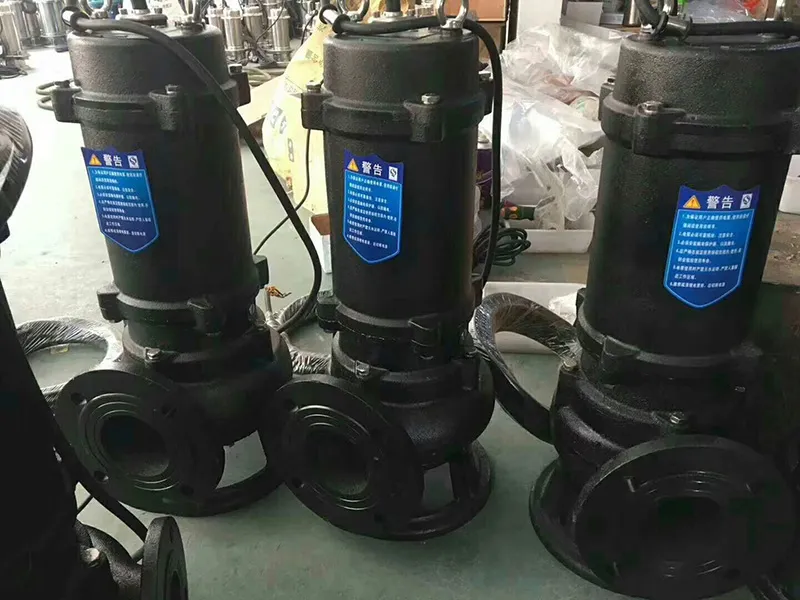
Performance & Engineering
The performance of a submersible sewage pump is governed by several key engineering principles. Hydraulic efficiency, measured as the ratio of hydraulic power output to electrical power input, is paramount. Pump curves, generated through rigorous testing (ANSI/HI standards), illustrate the relationship between flow rate, head (pressure), and power consumption. Force analysis is crucial in assessing stress distribution within the pump housing and impeller, particularly during operation with high solids content. Finite Element Analysis (FEA) is commonly employed to identify potential stress concentration points and optimize component design. Environmental resistance is a major consideration, specifically related to corrosion and erosion. The pH of the wastewater and the presence of aggressive chemicals (e.g., hydrogen sulfide) dictate the selection of corrosion-resistant materials and coatings (e.g., epoxy coatings). Electrical performance is critical, ensuring proper motor winding insulation resistance and efficient operation. Compliance with National Electrical Manufacturers Association (NEMA) standards for motor enclosures and electrical connections is essential for safety and reliability. Pump selection must account for Total Dynamic Head (TDH), which includes static head, friction losses in piping, and velocity head. Incorrect pump sizing leads to inefficient operation, premature failure, and increased energy consumption.
Technical Specifications
| Parameter | Typical Range (Small Pump - 10 HP) | Typical Range (Large Pump - 100 HP) | Testing Standard |
|---|---|---|---|
| Flow Rate (GPM) | 50 - 200 | 500 - 2000 | ANSI/HI 1.1 |
| Total Dynamic Head (ft) | 30 - 80 | 100 - 300 | ANSI/HI 1.1 |
| Motor Power (HP) | 3 - 10 | 50 - 100 | NEMA MG 1 |
| Voltage (V) | 230/460 | 460/920 | IEEE 45 |
| Impeller Material | High-Chrome Cast Iron (15-20% Cr) | High-Chrome Cast Iron (25-28% Cr) | ASTM A532 |
| Housing Material | Cast Iron (Class 30) | Ductile Iron (65-45-12) | ASTM A48/A536 |
Failure Mode & Maintenance
Submersible sewage pumps are susceptible to various failure modes. Fatigue cracking in the impeller, often initiated by abrasive wear and stress concentration, is a common issue. Cavitation erosion, caused by vapor bubble collapse due to low suction pressure, damages impeller vanes. Seal failure, resulting from abrasive particles or chemical attack, leads to leakage and motor contamination. Winding failure in the motor, due to overheating or moisture ingress, causes electrical malfunction. Bearing failure, stemming from inadequate lubrication or excessive load, leads to increased vibration and eventual pump seizure. Corrosion of metallic components, accelerated by the chemical composition of the wastewater, compromises structural integrity. Preventative maintenance is crucial, including regular inspection of seals, bearings, and windings. Oil analysis can detect early signs of bearing wear. Impeller inspection should focus on identifying cracks and erosion patterns. Scheduled motor megger testing verifies winding insulation integrity. Proper lubrication with compatible grease is essential. Repair procedures vary depending on the failure mode. Impeller replacement requires careful balancing to minimize vibration. Seal replacement necessitates meticulous cleaning of mating surfaces. Motor rewind or replacement is often necessary for winding failures. Thorough cleaning and flushing are vital after any repair to remove debris and contaminants.
Industry FAQ
Q: What is the most common cause of premature impeller failure in high-solids applications?
A: The most frequent cause is abrasive wear, leading to erosion of the impeller vanes and eventual fatigue cracking. This is exacerbated by inadequate impeller material selection and insufficient maintenance, specifically a lack of regular inspection for wear and tear. High solids concentration significantly accelerates the wear process, necessitating the use of high-chrome cast iron impellers and potentially hardened surface coatings.
Q: How can we mitigate the risk of motor winding failure due to moisture ingress?
A: Ensuring the integrity of the cable entry seals and the pump housing is critical. Regularly inspect these seals for damage and replace them as needed. Utilize cable glands designed for submersible applications and ensure they are properly tightened. Implement a robust water detection system that triggers an alarm in the event of a seal breach. Periodic motor insulation testing (megger testing) can identify early signs of moisture contamination.
Q: What type of lubricant is recommended for submersible pump bearings, and how often should it be replaced?
A: A synthetic, high-temperature grease with excellent water resistance and EP (extreme pressure) additives is recommended. Lithium-based greases are generally unsuitable due to their tendency to emulsify in water. Replacement frequency depends on operating conditions and pump load, but typically ranges from 6 to 12 months, or as indicated by oil analysis results.
Q: What are the key considerations when selecting a replacement pump seal?
A: Seal compatibility with the wastewater composition is paramount. Consider the pH, abrasive content, and presence of corrosive chemicals. Select a seal material (e.g., silicon carbide, tungsten carbide) that provides adequate resistance to these factors. Ensure the seal dimensions and type (e.g., mechanical seal, lip seal) match the original equipment specifications. Proper installation, including meticulous cleaning of mating surfaces and adherence to manufacturer's instructions, is crucial for longevity.
Q: What diagnostic tests should be performed during a pump shutdown to identify the root cause of a failure?
A: A comprehensive diagnostic assessment should include visual inspection for physical damage, impeller rotation check for binding, motor winding insulation resistance testing (megger test), bearing noise and vibration analysis, seal leak testing, and oil analysis (if applicable). Voltage and current measurements should be taken during pump operation to identify electrical imbalances or overloads. Documentation of all findings is essential for accurate failure analysis.
Conclusion
Effective repair of submersible sewage pumps demands a holistic understanding of material science, manufacturing processes, and operational parameters. Addressing failure modes proactively through preventative maintenance and rigorous diagnostic testing is paramount to maximizing pump lifespan and minimizing costly downtime. Selecting appropriate materials and adhering to industry standards (ANSI/HI, NEMA, ASTM) are crucial for ensuring long-term reliability and performance.
Looking forward, advancements in pump design, such as the incorporation of more corrosion-resistant alloys and improved sealing technologies, will further enhance the durability and efficiency of these critical components. The implementation of predictive maintenance programs, leveraging data analytics and sensor technology, will enable proactive identification of potential failures and optimized maintenance scheduling, ultimately reducing total cost of ownership and ensuring the continued functionality of wastewater treatment infrastructure.
-
Precision at the Pump: How Better Machining Protects Flow and Uptime
News2026-11-20
-
Why Pump Reliability Begins Before the First Drop of Fluid
News2026-11-20
-
Beyond the Pump: Designing Safer Access Around Critical Water Infrastructure
News2026-11-20
-
Why Pumping Stations Depend on the Infrastructure Beneath the Pumps
News2026-11-20
-
Beyond the Pump Room: How Smarter Loading Protects Industrial Equipment
News2026-11-19
-
When Pumps Stop: Designing More Resilient Power for Critical Pumping Systems
News2026-11-19
-
The Hidden Role of Dust and Gas Monitoring in Reliable Pump Operations
News2026-11-19
-
The Hidden Role of Mineral Compounds in Extending Industrial Pump Lifespan
News2026-10-12
-
Why Pump System Reliability Depends on Precision Hose Assembly Methods
News2026-09-15
-
How Advanced Imaging Films Are Transforming Pump Component Quality Control
News2026-08-25
-
How Advanced Filtration Protects Pump Systems from Premature Wear and Costly Downtime
News2026-08-25
-
How Steel Material Selection Drives Pump Reliability in Heavy-Duty Systems
News2026-08-25
-
Ensuring Pump System Efficiency: The Role of High-Quality Pipe Fittings and Tubing
News2026-08-24
-
Optimizing Fluid Dynamics and Material Consistency in Industrial Processing
News2026-08-18
-
Innovations and Challenges in Hydraulic Systems for Heavy Machinery
News2026-08-13




