English
- Afrikaans
- Albanian
- Amharic
- Arabic
- Armenian
- Azerbaijani
- Basque
- Belarusian
- Bengali
- Bosnian
- Bulgarian
- Catalan
- Cebuano
- Corsican
- Croatian
- Czech
- Danish
- Dutch
- English
- Esperanto
- Estonian
- Finnish
- French
- Frisian
- Galician
- Georgian
- German
- Greek
- Gujarati
- Haitian Creole
- hausa
- hawaiian
- Hebrew
- Hindi
- Miao
- Hungarian
- Icelandic
- igbo
- Indonesian
- irish
- Italian
- Japanese
- Javanese
- Kannada
- kazakh
- Khmer
- Rwandese
- Korean
- Kurdish
- Kyrgyz
- Lao
- Latin
- Latvian
- Lithuanian
- Luxembourgish
- Macedonian
- Malgashi
- Malay
- Malayalam
- Maltese
- Maori
- Marathi
- Mongolian
- Myanmar
- Nepali
- Norwegian
- Norwegian
- Occitan
- Pashto
- Persian
- Polish
- Portuguese
- Punjabi
- Romanian
- Russian
- Samoan
- Scottish Gaelic
- Serbian
- Sesotho
- Shona
- Sindhi
- Sinhala
- Slovak
- Slovenian
- Somali
- Spanish
- Sundanese
- Swahili
- Swedish
- Tagalog
- Tajik
- Tamil
- Tatar
- Telugu
- Thai
- Turkish
- Turkmen
- Ukrainian
- Urdu
- Uighur
- Uzbek
- Vietnamese
- Welsh
- Bantu
- Yiddish
- Yoruba
- Zulu

Telephone: +86 13120555503
Email: frank@cypump.com


Apr . 01, 2024 17:55 Back to list
submersible sewage pump 20 hp quotes Performance Analysis
Introduction
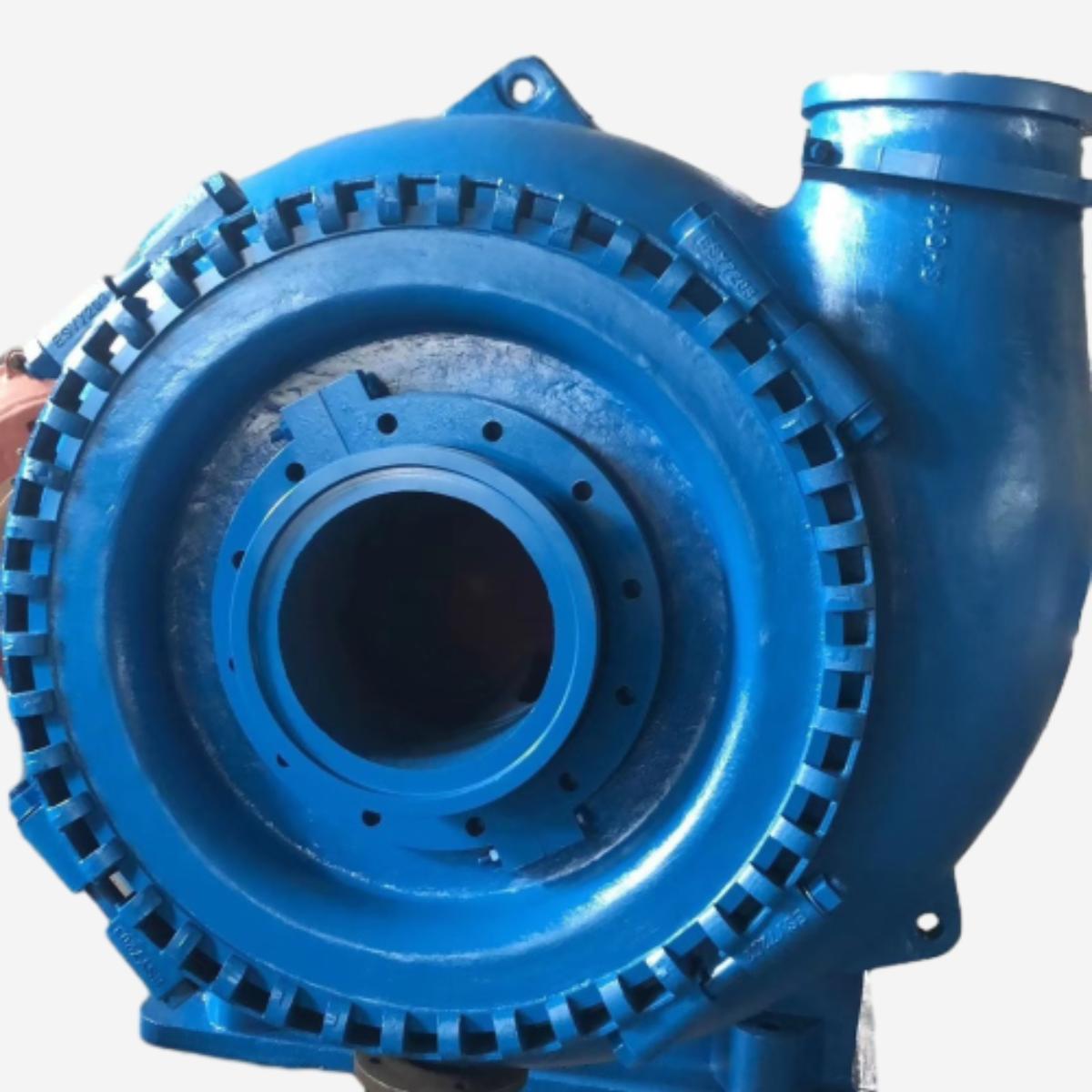
Submersible sewage pumps with a 20 horsepower (hp) rating represent a critical component in wastewater management across municipal, industrial, and commercial applications. These pumps are designed for fully submerged operation, efficiently transferring wastewater, solids-laden fluids, and sewage from collection points to treatment facilities. Their prevalence stems from their ability to handle high volumes of abrasive materials, operate reliably in harsh environments, and require minimal above-ground space. The “20 hp quotes” aspect, within the context of procurement, necessitates a thorough understanding of pump construction, hydraulic performance, motor specifications, and overall system compatibility to ensure optimal lifecycle cost and performance. Selection criteria extend beyond initial purchase price to encompass energy efficiency, maintenance requirements, and adherence to relevant regulatory standards. This guide provides a detailed technical overview of 20 hp submersible sewage pumps, covering material science, manufacturing processes, performance characteristics, potential failure modes, and industry best practices.
Material Science & Manufacturing
The construction of a 20 hp submersible sewage pump involves a complex interplay of materials chosen for their resistance to corrosion, abrasion, and mechanical stress. Pump casings are commonly manufactured from cast iron (ASTM A48 Class 30), ductile iron (ASTM A536-89 65-45-12), or stainless steel (304/316 for higher corrosion resistance). Impellers, responsible for generating hydraulic head, are frequently constructed from high-chrome cast iron to withstand the impact of solids. Shafts are typically made of 4140 alloy steel, heat-treated to achieve high tensile strength and torsional rigidity. Seals crucial for preventing water ingress into the motor are commonly comprised of silicon carbide mechanical seals due to their superior wear resistance and chemical compatibility. Manufacturing processes include sand casting for the casing, investment casting or machining for the impeller, and CNC machining for the shaft. Welding processes (SMAW, GMAW) are used for joining various components, requiring strict adherence to AWS D1.1 standards to ensure weld integrity. Motor housings are typically aluminum, providing corrosion resistance and heat dissipation. Cable construction employs a water-resistant thermoplastic elastomer (TPE) jacket to prevent water intrusion and protect the electrical conductors. Parameter control during manufacturing includes dimensional accuracy verification via coordinate measuring machines (CMMs), non-destructive testing (NDT) of welds via radiographic and ultrasonic inspection, and hydrostatic testing of the assembled pump to verify leak tightness and structural integrity.
Performance & Engineering
The performance of a 20 hp submersible sewage pump is dictated by its hydraulic design and motor characteristics. Key performance parameters include flow rate (gallons per minute or cubic meters per hour), total dynamic head (TDH – expressed in feet or meters), and pump efficiency. Hydraulic design utilizes computational fluid dynamics (CFD) to optimize impeller geometry and volute shape, maximizing flow rate and minimizing energy losses. Force analysis considers the hydrostatic pressure at the pump's operating depth, the weight of the pump itself, and the dynamic forces generated by fluid flow. The motor, typically a three-phase induction motor, is designed for continuous submerged operation and is rated to deliver 20 hp output. Environmental resistance is paramount; pumps must withstand prolonged exposure to corrosive wastewater and varying temperatures. Compliance with standards such as Hydraulic Institute standards and EPA regulations governing wastewater discharge is essential. Functional implementation relies on proper pump sizing based on system requirements, including pipe diameter, static lift, and friction losses. Cable selection is critical, ensuring sufficient current carrying capacity and resistance to chemical attack. Furthermore, consideration must be given to pump control systems, including variable frequency drives (VFDs) for optimized energy consumption and soft starters to reduce inrush current.
Technical Specifications
| Parameter | Unit | Typical Value (20 hp Pump) | Tolerance |
|---|---|---|---|
| Rated Power | hp | 20 | ±5% |
| Voltage | V | 460/3-Phase | ±10% |
| Frequency | Hz | 60 | ±1% |
| Maximum Flow Rate | GPM | 400-800 | ±10% |
| Maximum Head | ft | 80-120 | ±5% |
| Solids Handling Capacity | in | 2-3 | - |
| Impeller Material | - | High Chrome Cast Iron | - |
| Casing Material | - | Ductile Iron (65-45-12) | - |
| Seal Type | - | Silicon Carbide Mechanical Seal | - |
| Cable Length | ft | 30-100 | ±5% |
Failure Mode & Maintenance
Submersible sewage pumps are susceptible to several failure modes. Fatigue cracking can occur in the impeller or casing due to cyclic loading and stress concentration. Seal failure, often caused by abrasive particles or chemical attack, leads to water ingress and motor failure. Winding insulation breakdown within the motor is a common failure point, resulting from moisture intrusion, overheating, or voltage surges. Bearing failure, due to inadequate lubrication or excessive load, can cause impeller misalignment and pump inefficiency. Cavitation, caused by low inlet pressure, can erode impeller vanes. Corrosion, particularly in aggressive wastewater environments, can compromise casing and impeller integrity. Maintenance procedures include regular inspection of seals and bearings, monitoring motor temperature and current draw, periodic cleaning to remove debris, and lubrication of bearings. Preventive maintenance schedules should adhere to manufacturer recommendations. Failure analysis, utilizing techniques such as visual inspection, dye penetrant testing, and metallographic examination, is crucial for identifying the root cause of failures and implementing corrective actions. Replacement of worn components, such as seals, bearings, and impellers, is essential for restoring pump performance and extending its service life.
Industry FAQ
Q: What is the typical lifespan of a 20 hp submersible sewage pump in a municipal wastewater treatment plant?
A: The typical lifespan ranges from 10 to 20 years, but is heavily influenced by the characteristics of the wastewater (solids content, corrosivity), operating frequency (start/stop cycles), and the effectiveness of the preventative maintenance program. Higher solids content and aggressive chemicals will significantly reduce lifespan.
Q: How does the efficiency of a 20 hp pump compare between different manufacturers?
A: Efficiency varies depending on the hydraulic design and motor characteristics. Pumps adhering to Hydraulic Institute standards generally exhibit higher efficiency. Differences can range from 5% to 15%, impacting long-term energy costs. Detailed pump curves should be evaluated during the procurement process.
Q: What are the key considerations when specifying the cable for a submersible sewage pump?
A: Cable specifications should include sufficient current carrying capacity based on pump motor amperage, a water-resistant thermoplastic elastomer (TPE) jacket for protection against moisture and chemicals, and appropriate length to accommodate the pump's operating depth and any future adjustments. Cable should meet or exceed NEC standards for submersible pump applications.
Q: What are the primary causes of mechanical seal failure in these pumps?
A: Common causes include abrasive particles scoring the seal faces, chemical incompatibility leading to seal degradation, and improper installation or maintenance. Regular inspection and replacement of seals based on operating conditions are crucial for preventing failures.
Q: What is the impact of Variable Frequency Drives (VFDs) on the overall lifecycle cost of a 20 hp submersible pump?
A: VFDs can significantly reduce energy consumption by adjusting pump speed to match flow demand, resulting in lower operating costs. They also reduce mechanical stress on the pump during start-up and shut-down, extending its lifespan. While the initial investment is higher, the long-term cost savings often outweigh the initial expense.
Conclusion
The selection and maintenance of 20 hp submersible sewage pumps require a comprehensive understanding of material science, hydraulic principles, motor characteristics, and potential failure modes. Optimizing performance and minimizing lifecycle costs necessitate careful consideration of pump sizing, proper installation, and adherence to preventative maintenance schedules. Focusing on initial pump quotes alone is insufficient; a holistic assessment of long-term operational expenses and adherence to industry standards is essential.
Future advancements in pump technology will likely focus on improved motor efficiency, enhanced seal materials, and smart control systems incorporating predictive maintenance capabilities. Continued research and development efforts are crucial for addressing the evolving challenges of wastewater management and ensuring the reliable operation of these critical infrastructure components.
-
Precision at the Pump: How Better Machining Protects Flow and Uptime
News2026-11-20
-
Why Pump Reliability Begins Before the First Drop of Fluid
News2026-11-20
-
Beyond the Pump: Designing Safer Access Around Critical Water Infrastructure
News2026-11-20
-
Why Pumping Stations Depend on the Infrastructure Beneath the Pumps
News2026-11-20
-
Beyond the Pump Room: How Smarter Loading Protects Industrial Equipment
News2026-11-19
-
When Pumps Stop: Designing More Resilient Power for Critical Pumping Systems
News2026-11-19
-
The Hidden Role of Dust and Gas Monitoring in Reliable Pump Operations
News2026-11-19
-
The Hidden Role of Mineral Compounds in Extending Industrial Pump Lifespan
News2026-10-12
-
Why Pump System Reliability Depends on Precision Hose Assembly Methods
News2026-09-15
-
How Advanced Imaging Films Are Transforming Pump Component Quality Control
News2026-08-25
-
How Advanced Filtration Protects Pump Systems from Premature Wear and Costly Downtime
News2026-08-25
-
How Steel Material Selection Drives Pump Reliability in Heavy-Duty Systems
News2026-08-25
-
Ensuring Pump System Efficiency: The Role of High-Quality Pipe Fittings and Tubing
News2026-08-24
-
Optimizing Fluid Dynamics and Material Consistency in Industrial Processing
News2026-08-18
-
Innovations and Challenges in Hydraulic Systems for Heavy Machinery
News2026-08-13




