English
- Afrikaans
- Albanian
- Amharic
- Arabic
- Armenian
- Azerbaijani
- Basque
- Belarusian
- Bengali
- Bosnian
- Bulgarian
- Catalan
- Cebuano
- Corsican
- Croatian
- Czech
- Danish
- Dutch
- English
- Esperanto
- Estonian
- Finnish
- French
- Frisian
- Galician
- Georgian
- German
- Greek
- Gujarati
- Haitian Creole
- hausa
- hawaiian
- Hebrew
- Hindi
- Miao
- Hungarian
- Icelandic
- igbo
- Indonesian
- irish
- Italian
- Japanese
- Javanese
- Kannada
- kazakh
- Khmer
- Rwandese
- Korean
- Kurdish
- Kyrgyz
- Lao
- Latin
- Latvian
- Lithuanian
- Luxembourgish
- Macedonian
- Malgashi
- Malay
- Malayalam
- Maltese
- Maori
- Marathi
- Mongolian
- Myanmar
- Nepali
- Norwegian
- Norwegian
- Occitan
- Pashto
- Persian
- Polish
- Portuguese
- Punjabi
- Romanian
- Russian
- Samoan
- Scottish Gaelic
- Serbian
- Sesotho
- Shona
- Sindhi
- Sinhala
- Slovak
- Slovenian
- Somali
- Spanish
- Sundanese
- Swahili
- Swedish
- Tagalog
- Tajik
- Tamil
- Tatar
- Telugu
- Thai
- Turkish
- Turkmen
- Ukrainian
- Urdu
- Uighur
- Uzbek
- Vietnamese
- Welsh
- Bantu
- Yiddish
- Yoruba
- Zulu

Telephone: +86 13120555503
Email: frank@cypump.com


Apr . 01, 2024 17:55 Back to list
submersible sewage grinder pump Material Science Manufacturing
Introduction
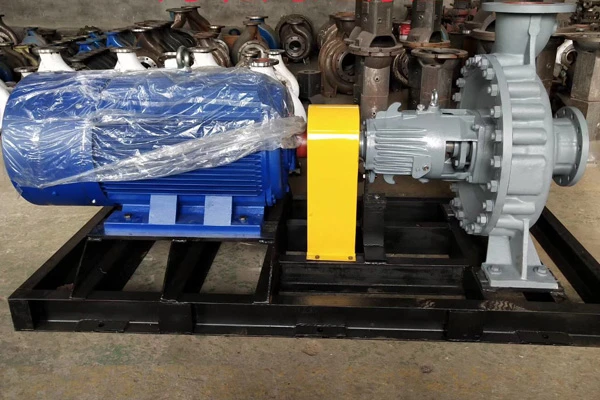
Submersible sewage grinder pumps represent a critical component in wastewater management infrastructure, designed for the efficient maceration and pumping of raw sewage. These pumps are distinguished from standard sewage pumps by their integrated grinder, which reduces the size of solids present in the wastewater stream, preventing clogging in downstream piping and treatment facilities. Positioned within the wastewater conveyance system, typically in lift stations or directly within collection systems, they address a significant pain point in municipal and industrial settings: the reliable handling of increasingly complex wastewater compositions including fibrous materials, plastics, and inorganic debris. Core performance characteristics center around solids handling capability, pumping capacity (gallons per minute or liters per second), head pressure (total dynamic head), and energy efficiency. The increasing demand for robust, low-maintenance solutions in aging infrastructure and expanding urban areas drives the continued innovation in this sector.
Material Science & Manufacturing
The construction of submersible sewage grinder pumps necessitates materials with high resistance to corrosion, abrasion, and impact. Pump housings are commonly manufactured from ductile iron (ASTM A536 65-45-12) due to its superior strength and ductility compared to grey iron. Impellers and grinding components utilize hardened stainless steel alloys (typically 440C or 17-4 PH) to withstand the abrasive nature of sewage solids. Shafts are often made from high-strength alloy steel (e.g., 4140) and hardened through heat treatment. Seals are critical, with silicon carbide (SiC) faces paired with nitrile rubber (NBR) or Viton® (fluoroelastomer) elastomers providing reliable sealing against abrasive particles and chemically aggressive wastewater constituents.
Manufacturing involves several key processes. Ductile iron housings are created through sand casting, followed by meticulous quality control for porosity and dimensional accuracy. Impeller fabrication employs investment casting or forging, requiring precise machining to achieve blade geometry optimized for grinding efficiency. The grinding mechanism itself—consisting of rotating and stationary cutting elements—demands tight tolerances and robust assembly to prevent jamming. Motor housings are typically aluminum alloy die-cast for lightweight construction and thermal dissipation. A crucial step is the epoxy encapsulation of the stator windings, providing electrical insulation and protection against moisture ingress (meeting IEC 60034-18-41 standards for insulation systems). Final assembly requires rigorous testing, including hydrostatic pressure testing, no-load and full-load performance testing, and dielectric strength testing to ensure operational reliability.
Performance & Engineering
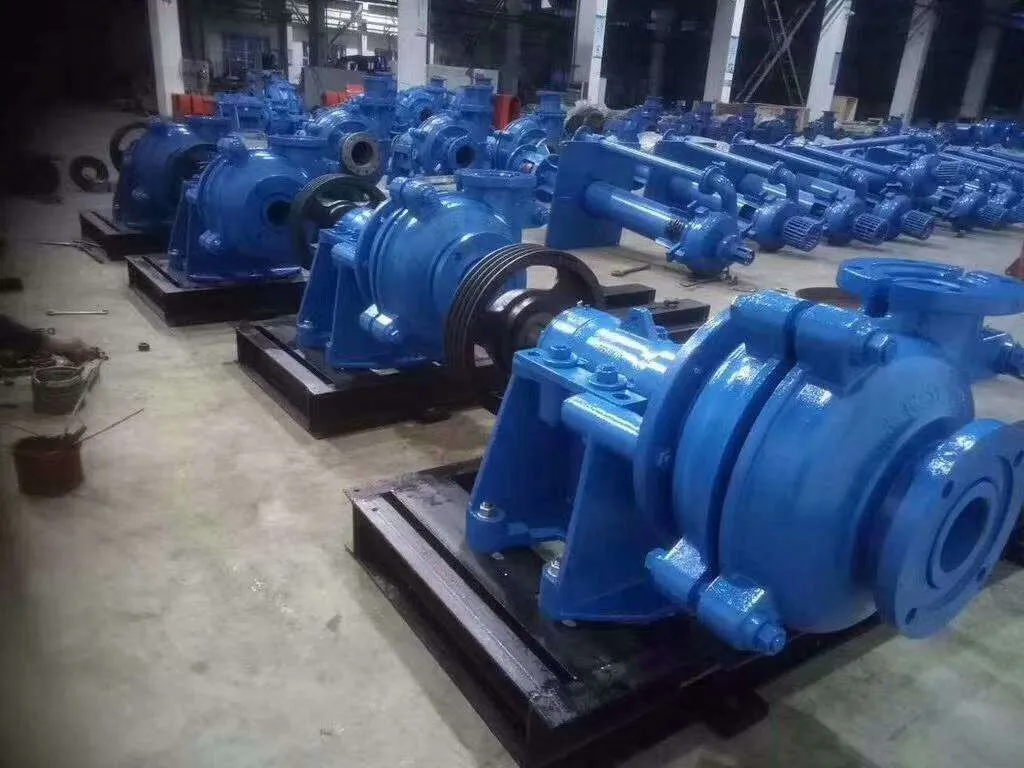
Performance of submersible sewage grinder pumps is fundamentally governed by hydraulic principles and mechanical engineering design. The grinding action reduces particle size, enabling passage through smaller diameter piping. Force analysis focuses on the shear forces exerted on solids by the rotating blades, and the resulting torque load on the motor. Cavitation, a key concern, is mitigated through impeller design and optimized pump inlet conditions, adhering to Hydraulic Institute standards for pump performance. Environmental resistance is paramount; the pump must operate reliably in a corrosive, anaerobic environment. The housing design must withstand hydrostatic pressure at the installation depth, and the cable entry must provide a watertight seal (IP68 rating).
Compliance requirements are extensive. Pumps must meet stringent energy efficiency standards (e.g., DOE regulations in the US, ErP Directive in Europe). Electrical safety is addressed through UL or CSA certification, ensuring proper grounding and insulation. Furthermore, many jurisdictions require pumps to conform to NSF/ANSI Standard 61 for drinking water system components (even though the pump handles wastewater, potential backflow must be considered). Pump curves, providing performance characteristics across a range of flow rates and head pressures, are essential for proper system design and selection. Vibration analysis is performed during testing to identify potential resonance frequencies and ensure long-term mechanical integrity.
Technical Specifications
| Model Number | Horsepower (HP) | Maximum Solids Handling (inches) | Maximum Head (feet) |
|---|---|---|---|
| SGP-100 | 1.0 | 1.5 | 60 |
| SGP-200 | 2.0 | 2.0 | 80 |
| SGP-300 | 3.0 | 2.5 | 100 |
| SGP-400 | 5.0 | 3.0 | 120 |
| SGP-500 | 7.5 | 3.5 | 150 |
| SGP-600 | 10.0 | 4.0 | 180 |
Failure Mode & Maintenance
Submersible sewage grinder pumps are susceptible to various failure modes. Fatigue cracking of impeller blades is common due to the cyclic stresses induced by solids impact. Delamination of the grinding ring can occur if bonding between the hardened surface and the base material fails. Seal failure, leading to motor inundation, is a frequent issue, often caused by abrasive particles or chemical attack. Bearing failure within the motor results from inadequate lubrication or contamination. Oxidation of electrical connections leads to increased resistance and potential motor burnout. Winding insulation breakdown due to moisture ingress significantly reduces pump lifespan.
Preventative maintenance is critical. Regular inspection of the grinding chamber for accumulated debris is essential. Scheduled bearing lubrication, following manufacturer recommendations, extends motor life. Periodic megger testing of the motor windings assesses insulation integrity. Visual inspection of the power cable and seals detects potential leak paths. If vibration levels increase, investigate impeller imbalance or bearing wear. In the event of pump failure, a thorough failure analysis should be conducted to identify the root cause and prevent recurrence. Replacement of worn components, such as the grinding ring and impeller, restores optimal performance. Routine cleaning and flushing of the pump housing prevents solids buildup and ensures efficient operation.
Industry FAQ
Q: What is the primary advantage of a grinder pump versus a standard sewage ejector pump?
A: The key advantage lies in solids handling. Standard ejector pumps rely on solids passing through the impeller unimpeded. Grinder pumps actively reduce the size of solids, preventing clogging in downstream piping, especially important in systems with smaller diameter pipes or long horizontal runs. This minimizes maintenance and downtime associated with blockage removal.
Q: How do I determine the appropriate pump size for my application?
A: Pump sizing requires careful consideration of several factors. You must calculate the maximum anticipated flow rate, determine the total dynamic head (including static head, friction losses in piping, and pressure requirements), and identify the characteristics of the solids being pumped. A pump curve should be consulted to ensure the selected pump operates within its optimal efficiency range.
Q: What materials are best suited for highly corrosive wastewater environments?
A: For highly corrosive environments, pumps constructed with stainless steel alloys (316 SS or duplex stainless steel) are recommended for both the housing and impeller. Ceramic seals provide superior resistance to chemical attack compared to rubber-based seals. Epoxy coating of the pump housing further enhances corrosion protection.
Q: What are the typical maintenance requirements for a submersible grinder pump?
A: Routine maintenance includes regular inspection of the grinding chamber for debris, lubrication of motor bearings (if applicable), megger testing of windings, and visual inspection of seals and cables. Preventive maintenance schedules should be established based on pump usage and wastewater composition.
Q: What are the energy efficiency considerations when selecting a grinder pump?
A: Choose pumps that meet or exceed relevant energy efficiency standards (e.g., DOE regulations). Consider pumps with variable frequency drives (VFDs) to optimize energy consumption by adjusting pump speed to match flow demands. Properly sizing the pump to the application avoids unnecessary energy waste.
Conclusion
Submersible sewage grinder pumps represent a vital technology for modern wastewater management. Their ability to effectively macerate solids and reliably pump wastewater makes them indispensable in municipal, industrial, and commercial applications. The selection and implementation of these pumps require a thorough understanding of material science, hydraulic principles, and applicable industry standards. Addressing the potential failure modes through preventative maintenance and rigorous failure analysis is crucial for maximizing pump lifespan and minimizing operational costs.
Future advancements in this field will likely focus on improved impeller designs for increased grinding efficiency, the integration of smart sensors for predictive maintenance, and the development of more durable and corrosion-resistant materials. Furthermore, optimizing pump control systems through advanced algorithms and data analytics will contribute to enhanced energy efficiency and overall system performance, ensuring continued reliability in the face of evolving wastewater challenges.
-
Precision at the Pump: How Better Machining Protects Flow and Uptime
News2026-11-20
-
Why Pump Reliability Begins Before the First Drop of Fluid
News2026-11-20
-
Beyond the Pump: Designing Safer Access Around Critical Water Infrastructure
News2026-11-20
-
Why Pumping Stations Depend on the Infrastructure Beneath the Pumps
News2026-11-20
-
Beyond the Pump Room: How Smarter Loading Protects Industrial Equipment
News2026-11-19
-
When Pumps Stop: Designing More Resilient Power for Critical Pumping Systems
News2026-11-19
-
The Hidden Role of Dust and Gas Monitoring in Reliable Pump Operations
News2026-11-19
-
The Hidden Role of Mineral Compounds in Extending Industrial Pump Lifespan
News2026-10-12
-
Why Pump System Reliability Depends on Precision Hose Assembly Methods
News2026-09-15
-
How Advanced Imaging Films Are Transforming Pump Component Quality Control
News2026-08-25
-
How Advanced Filtration Protects Pump Systems from Premature Wear and Costly Downtime
News2026-08-25
-
How Steel Material Selection Drives Pump Reliability in Heavy-Duty Systems
News2026-08-25
-
Ensuring Pump System Efficiency: The Role of High-Quality Pipe Fittings and Tubing
News2026-08-24
-
Optimizing Fluid Dynamics and Material Consistency in Industrial Processing
News2026-08-18
-
Innovations and Challenges in Hydraulic Systems for Heavy Machinery
News2026-08-13




