English
- Afrikaans
- Albanian
- Amharic
- Arabic
- Armenian
- Azerbaijani
- Basque
- Belarusian
- Bengali
- Bosnian
- Bulgarian
- Catalan
- Cebuano
- Corsican
- Croatian
- Czech
- Danish
- Dutch
- English
- Esperanto
- Estonian
- Finnish
- French
- Frisian
- Galician
- Georgian
- German
- Greek
- Gujarati
- Haitian Creole
- hausa
- hawaiian
- Hebrew
- Hindi
- Miao
- Hungarian
- Icelandic
- igbo
- Indonesian
- irish
- Italian
- Japanese
- Javanese
- Kannada
- kazakh
- Khmer
- Rwandese
- Korean
- Kurdish
- Kyrgyz
- Lao
- Latin
- Latvian
- Lithuanian
- Luxembourgish
- Macedonian
- Malgashi
- Malay
- Malayalam
- Maltese
- Maori
- Marathi
- Mongolian
- Myanmar
- Nepali
- Norwegian
- Norwegian
- Occitan
- Pashto
- Persian
- Polish
- Portuguese
- Punjabi
- Romanian
- Russian
- Samoan
- Scottish Gaelic
- Serbian
- Sesotho
- Shona
- Sindhi
- Sinhala
- Slovak
- Slovenian
- Somali
- Spanish
- Sundanese
- Swahili
- Swedish
- Tagalog
- Tajik
- Tamil
- Tatar
- Telugu
- Thai
- Turkish
- Turkmen
- Ukrainian
- Urdu
- Uighur
- Uzbek
- Vietnamese
- Welsh
- Bantu
- Yiddish
- Yoruba
- Zulu

Telephone: +86 13120555503
Email: frank@cypump.com


Apr . 01, 2024 17:55 Back to list
submersible sewage ejector pump Performance Engineering
Introduction
Submersible sewage ejector pumps are critical components in wastewater management systems, designed to effectively transfer sewage, effluent, and other liquids containing solids from below grade to the municipal sewer system or treatment facility. Positioned within the sump, these pumps offer a reliable, self-priming solution eliminating the need for above-ground pump stations in many applications. They represent a vital link in preventing backups, flooding, and maintaining sanitary conditions in residential, commercial, and industrial settings. Core performance metrics include flow rate (measured in gallons per minute or liters per second), total dynamic head (TDH) – the maximum height the pump can lift the fluid – and solids handling capability (defined by the maximum diameter of solid particles the pump can process without clogging). The selection process is heavily influenced by factors like sump size, lift height, anticipated flow volume, and the specific characteristics of the wastewater being handled. Failure to correctly specify a pump can lead to operational inefficiencies, premature wear, and system failures, contributing to significant maintenance costs and potential environmental concerns. Understanding the nuances of pump selection and maintenance is crucial for engineers, facility managers, and procurement professionals.
Material Science & Manufacturing
The construction of a submersible sewage ejector pump necessitates a careful selection of materials to withstand the corrosive and abrasive nature of wastewater. Pump housings are typically manufactured from cast iron (ASTM A48 Class 30 or equivalent), offering robust mechanical strength and resistance to impact. However, for highly corrosive environments, stainless steel (specifically 304 or 316 grades – ASTM A743) is preferred, providing superior resistance to chemical attack. Impellers, responsible for generating fluid flow, are commonly constructed from high-chromium cast iron or hardened stainless steel to resist abrasion from solids. Shafts utilize 4140 alloy steel (ASTM A297) due to its high tensile strength and fatigue resistance. Seals are a critical component, with silicon carbide mechanical seals (meeting DIN 24960 standards) employed to prevent leakage and ensure long-term reliability. Manufacturing processes involve several key stages. The housing is created via sand casting followed by machining to precise tolerances. Impellers are often investment cast for complex geometries and dimensional accuracy. Shafts undergo heat treatment and machining. Assembly involves rigorous quality control checks, including hydrostatic testing to verify leak-proof operation and electrical safety testing to ensure compliance with IEC 60335-1 standards. The selection of elastomeric materials for hoses and other flexible components is also critical, with EPDM (ethylene propylene diene monomer) rubber offering excellent resistance to sewage and degradation. Parameter control throughout the manufacturing process is paramount; variations in material composition, heat treatment temperatures, and machining tolerances directly impact pump performance and longevity.
Performance & Engineering
Performance analysis of submersible sewage ejector pumps hinges on a thorough understanding of hydraulic principles and fluid dynamics. Force analysis centers on calculating the radial and axial loads exerted on the impeller and shaft during operation. These forces are determined by the fluid velocity, impeller geometry, and the presence of solids. Excessive loads can lead to bearing failure and shaft deflection. Environmental resistance is a crucial design consideration. Pumps must operate reliably in environments with varying temperatures, humidity, and exposure to corrosive substances. Cable glands and seals must prevent water ingress, and the motor housing must be adequately protected against corrosion. Compliance requirements are stringent, encompassing electrical safety (UL 508A, CSA C22.2 No. 108), hydraulic performance (HI standards), and environmental regulations (EPA guidelines). Functional implementation involves careful matching of the pump’s performance curve (head vs. flow rate) to the system’s requirements. Proper pipe sizing is essential to minimize friction losses and ensure optimal pump efficiency. Control systems, often incorporating level sensors and variable frequency drives (VFDs), automate pump operation based on sump water level, optimizing energy consumption and preventing pump cycling. Pump selection must also consider the potential for cavitation, a phenomenon where vapor bubbles form and collapse within the pump, causing erosion and noise. Proper Net Positive Suction Head Available (NPSHa) calculations are vital to prevent cavitation.
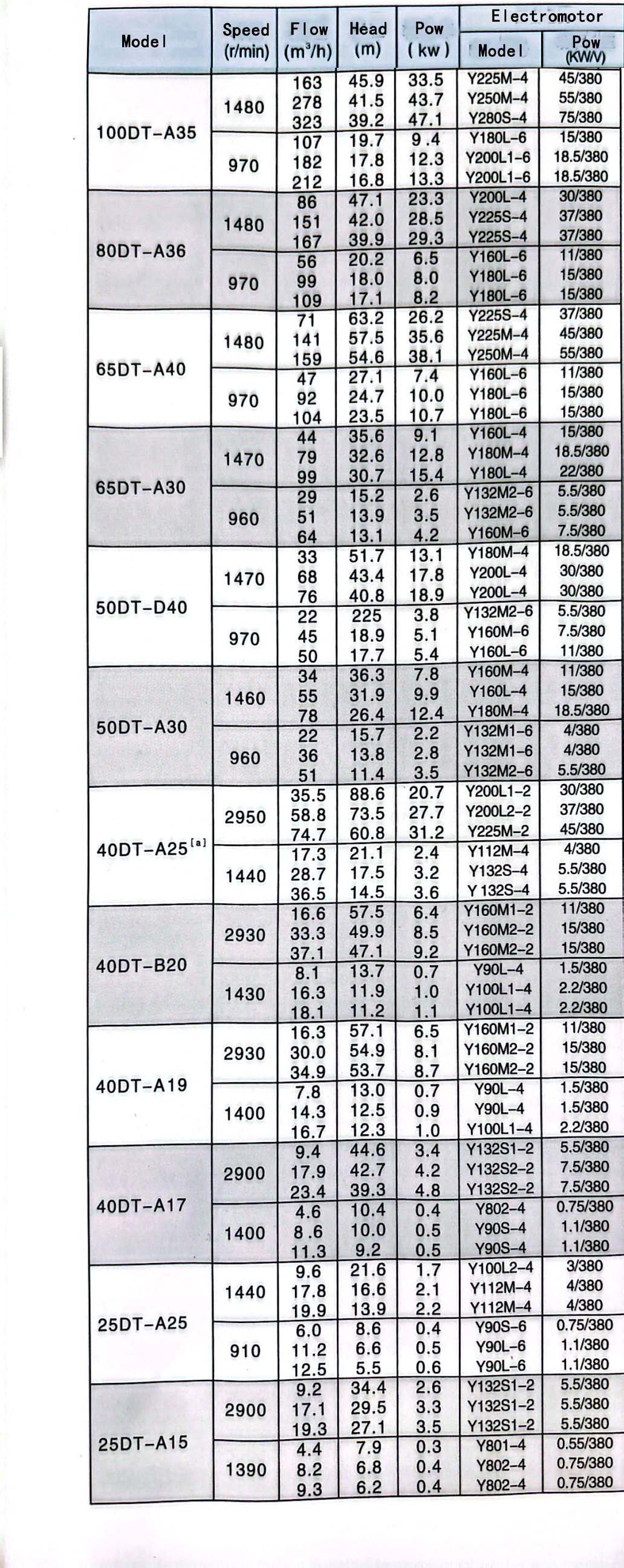
Technical Specifications
| Model Number | Maximum Head (ft) | Maximum Flow Rate (GPM) | Motor Horsepower (HP) |
|---|---|---|---|
| SE-100 | 60 | 120 | 1.0 |
| SE-200 | 80 | 150 | 1.5 |
| SE-300 | 100 | 200 | 2.0 |
| SE-400 | 120 | 250 | 3.0 |
| SE-500 | 150 | 300 | 5.0 |
| SE-600 | 180 | 350 | 7.5 |
Failure Mode & Maintenance
Submersible sewage ejector pumps are susceptible to several failure modes. Fatigue cracking in the impeller or housing can occur due to repeated stress cycles. Delamination of the pump housing's protective coating exposes the underlying metal to corrosion. Degradation of seals leads to leakage and loss of pump efficiency. Oxidation of electrical components causes motor failure. Solid build-up can cause impeller blockage and motor overload. Bearing failure is common, often stemming from inadequate lubrication or contamination. Failure analysis reveals that many failures are preventable with proper maintenance. Routine inspection should include visual checks for leaks, corrosion, and damage. Regular cleaning of the sump removes debris that can clog the pump. Lubrication of bearings, following manufacturer's recommendations, extends their lifespan. Electrical connections should be inspected for corrosion and tightness. Monitoring pump performance (flow rate, pressure, current draw) can detect early signs of deterioration. Preventive maintenance schedules should be established based on operating conditions and pump usage. When replacing parts, using OEM (Original Equipment Manufacturer) components ensures compatibility and maintains warranty validity. In the event of a pump failure, thorough troubleshooting is essential to identify the root cause and prevent recurrence.
Industry FAQ
Q: What is the impact of solids content on pump selection?
A: Higher solids content necessitates pumps with larger impeller passages and more robust construction to prevent clogging and abrasion. The pump’s solids handling capability, typically specified in millimeters or inches, must exceed the maximum particle size expected in the wastewater. Impeller design (e.g., vortex impeller vs. recessed impeller) also plays a crucial role in handling solids-laden fluids.
Q: How does the specific gravity of the fluid affect pump performance?
A: Increased fluid specific gravity (compared to water) results in a higher hydraulic load on the pump. The pump’s motor must have sufficient torque to overcome this increased load. Pump curves are typically based on water, so adjustments are necessary when pumping fluids with higher specific gravity.
Q: What are the key considerations for electrical grounding in submersible pump installations?
A: Proper grounding is essential for electrical safety. The pump’s grounding conductor must be securely connected to the facility’s grounding system. Cable connections should be watertight to prevent corrosion and electrical shorts. Regular inspection of grounding connections is crucial to ensure ongoing safety.
Q: How do you determine the optimal pump size for a specific application?
A: Determining optimal pump size requires calculating the total dynamic head (TDH), which includes static head, friction losses in the piping, and any pressure requirements at the discharge point. The required flow rate is determined by the volume of wastewater to be pumped and the desired pumping time. The pump’s performance curve should be matched to the calculated TDH and flow rate to ensure efficient operation.
Q: What is the role of a pump controller in a sewage ejector system?
A: A pump controller automates the pump’s operation based on water level. It typically incorporates level sensors to detect high and low water levels, initiating and stopping the pump accordingly. Advanced controllers may offer features such as automatic start/stop cycling, alarm functions, and remote monitoring capabilities. Variable Frequency Drives (VFDs) within the controller optimize energy consumption by adjusting pump speed based on demand.
Conclusion
Submersible sewage ejector pumps are indispensable components of modern wastewater infrastructure. Their selection and operation demand a comprehensive understanding of material science, hydraulic principles, and industry standards. Ensuring optimal performance and longevity hinges on careful attention to detail throughout the entire lifecycle, from initial specification to routine maintenance. The choice of materials, manufacturing processes, and control systems directly impacts reliability and efficiency.
Looking ahead, advancements in pump technology will likely focus on enhancing energy efficiency, improving solids handling capabilities, and incorporating smart monitoring systems for predictive maintenance. Greater emphasis will be placed on durable materials and corrosion-resistant coatings to extend pump lifespan and reduce lifecycle costs. Integration with Building Management Systems (BMS) will enable remote monitoring and control, facilitating proactive maintenance and optimizing system performance.
-
Precision at the Pump: How Better Machining Protects Flow and Uptime
News2026-11-20
-
Why Pump Reliability Begins Before the First Drop of Fluid
News2026-11-20
-
Beyond the Pump: Designing Safer Access Around Critical Water Infrastructure
News2026-11-20
-
Why Pumping Stations Depend on the Infrastructure Beneath the Pumps
News2026-11-20
-
Beyond the Pump Room: How Smarter Loading Protects Industrial Equipment
News2026-11-19
-
When Pumps Stop: Designing More Resilient Power for Critical Pumping Systems
News2026-11-19
-
The Hidden Role of Dust and Gas Monitoring in Reliable Pump Operations
News2026-11-19
-
The Hidden Role of Mineral Compounds in Extending Industrial Pump Lifespan
News2026-10-12
-
Why Pump System Reliability Depends on Precision Hose Assembly Methods
News2026-09-15
-
How Advanced Imaging Films Are Transforming Pump Component Quality Control
News2026-08-25
-
How Advanced Filtration Protects Pump Systems from Premature Wear and Costly Downtime
News2026-08-25
-
How Steel Material Selection Drives Pump Reliability in Heavy-Duty Systems
News2026-08-25
-
Ensuring Pump System Efficiency: The Role of High-Quality Pipe Fittings and Tubing
News2026-08-24
-
Optimizing Fluid Dynamics and Material Consistency in Industrial Processing
News2026-08-18
-
Innovations and Challenges in Hydraulic Systems for Heavy Machinery
News2026-08-13




