English
- Afrikaans
- Albanian
- Amharic
- Arabic
- Armenian
- Azerbaijani
- Basque
- Belarusian
- Bengali
- Bosnian
- Bulgarian
- Catalan
- Cebuano
- Corsican
- Croatian
- Czech
- Danish
- Dutch
- English
- Esperanto
- Estonian
- Finnish
- French
- Frisian
- Galician
- Georgian
- German
- Greek
- Gujarati
- Haitian Creole
- hausa
- hawaiian
- Hebrew
- Hindi
- Miao
- Hungarian
- Icelandic
- igbo
- Indonesian
- irish
- Italian
- Japanese
- Javanese
- Kannada
- kazakh
- Khmer
- Rwandese
- Korean
- Kurdish
- Kyrgyz
- Lao
- Latin
- Latvian
- Lithuanian
- Luxembourgish
- Macedonian
- Malgashi
- Malay
- Malayalam
- Maltese
- Maori
- Marathi
- Mongolian
- Myanmar
- Nepali
- Norwegian
- Norwegian
- Occitan
- Pashto
- Persian
- Polish
- Portuguese
- Punjabi
- Romanian
- Russian
- Samoan
- Scottish Gaelic
- Serbian
- Sesotho
- Shona
- Sindhi
- Sinhala
- Slovak
- Slovenian
- Somali
- Spanish
- Sundanese
- Swahili
- Swedish
- Tagalog
- Tajik
- Tamil
- Tatar
- Telugu
- Thai
- Turkish
- Turkmen
- Ukrainian
- Urdu
- Uighur
- Uzbek
- Vietnamese
- Welsh
- Bantu
- Yiddish
- Yoruba
- Zulu

Telephone: +86 13120555503
Email: frank@cypump.com


Apr . 01, 2024 17:55 Back to list
submersible sewage cutter pump price Performance Analysis
Introduction
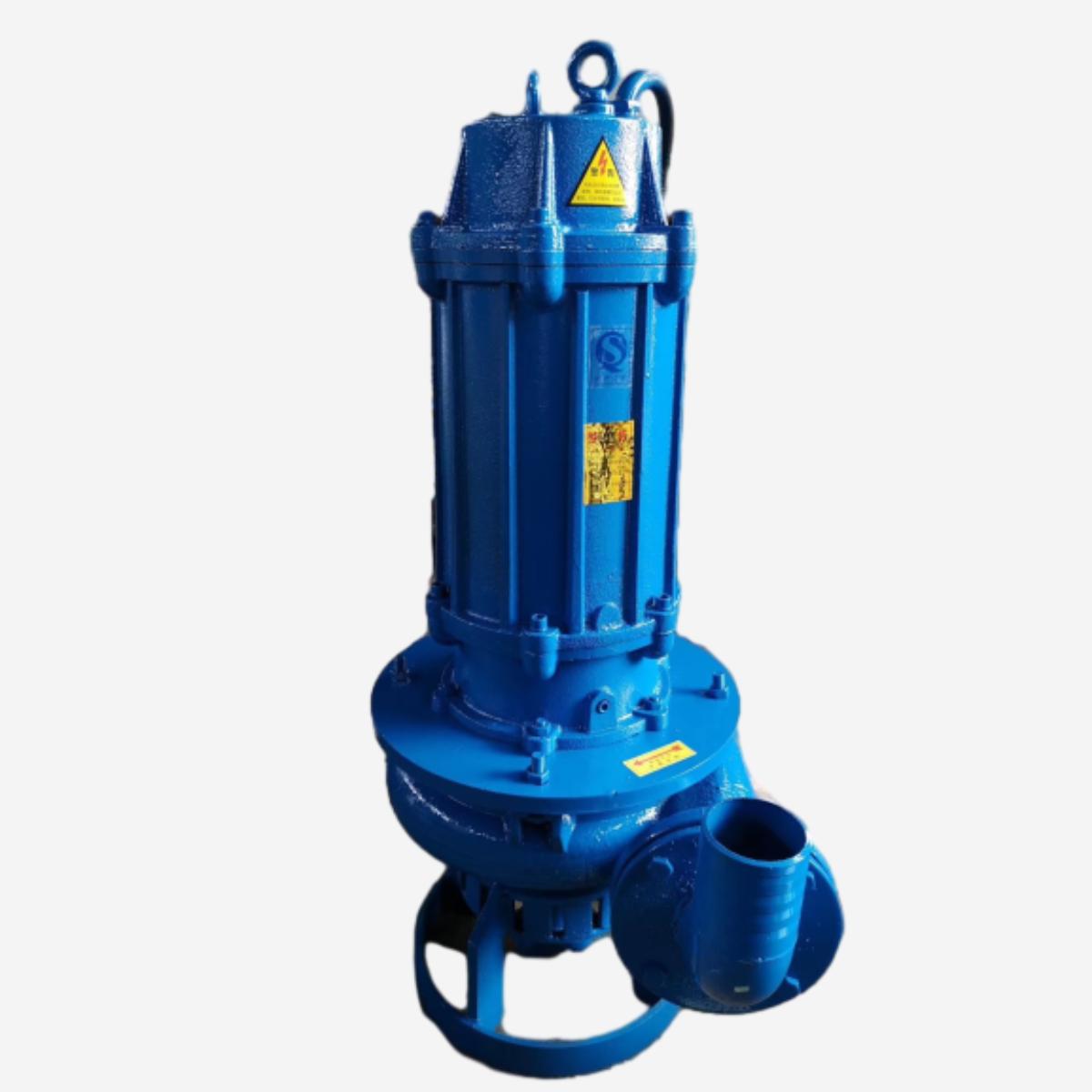
Submersible sewage cutter pumps are critical components in wastewater treatment facilities, municipal sewage systems, and industrial applications where the reliable removal of solids-laden fluids is paramount. These pumps, distinct from standard centrifugal pumps, incorporate a cutting mechanism designed to macerate or reduce the size of solid materials present in the sewage stream, preventing blockages and ensuring consistent flow. The price of these units is a function of numerous factors including impeller design, motor power, materials of construction, and automation features. This guide provides a comprehensive technical overview of submersible sewage cutter pumps, focusing on material science, manufacturing processes, performance characteristics, potential failure modes, and relevant industry standards. Their position within the wastewater treatment chain is essential – they represent a first line of defense against pump clogging and system failure, impacting the efficiency and longevity of downstream processes. Core performance revolves around hydraulic efficiency, solids handling capability, and reliable operation in harsh, corrosive environments.
Material Science & Manufacturing
The performance and longevity of a submersible sewage cutter pump are heavily reliant on the materials utilized in its construction. Pump housings are commonly fabricated from cast iron (ASTM A48 Class 30) due to its cost-effectiveness and resistance to abrasion. However, for particularly corrosive environments, duplex stainless steel (UNS S31803/S32205) or stainless steel 316L are preferred, offering superior resistance to chloride attack and pitting corrosion. Impellers, the core component responsible for fluid conveyance, are frequently constructed from high-chrome cast iron (typically with a chrome content of 20-30%) to enhance wear resistance against abrasive solids. The cutter blades, responsible for macerating solids, necessitate materials with high hardness and toughness; tool steel (AISI D2) is commonly employed and undergoes heat treatment to optimize these properties. Shafts are generally manufactured from 4140 alloy steel, offering a balance of strength and machinability. Seals are typically comprised of silicon carbide (SiC) faces operating against stainless steel, providing robust mechanical sealing in abrasive media. Manufacturing processes involve casting (housing, impeller), machining (shaft, cutter blades), heat treatment (cutter blades, shafts), and assembly. Critical parameter control during casting includes minimizing porosity and ensuring dimensional accuracy. Machining tolerances are tightly controlled to ensure proper impeller-volute clearance and seal performance. Welding processes (SMAW or GTAW) are used for joining components, requiring stringent quality control to prevent weld defects. The impeller's hydrodynamic design is optimized using Computational Fluid Dynamics (CFD) to maximize efficiency and minimize cavitation.
Performance & Engineering
The performance of a submersible sewage cutter pump is defined by its hydraulic power, flow rate, head, and solids handling capability. Force analysis is critical in the design of the pump shaft and impeller to withstand the radial and axial forces generated by the fluid flow and cutting process. Environmental resistance is paramount, necessitating robust sealing systems to prevent ingress of sewage and protection against moisture-induced motor failure (typically IP68 rated). Compliance requirements include adherence to NEMA standards for motor performance and safety certifications such as UL and CE. Functional implementation involves the integration of a cutting mechanism, typically a rotating impeller with hardened steel blades, designed to reduce the size of solids before they reach the impeller. The pump’s hydraulic efficiency is influenced by impeller geometry, volute design, and the clearance between rotating and stationary components. Cavitation, a destructive phenomenon caused by vapor bubble formation, must be mitigated through proper impeller design and operating conditions. Pump selection considers factors such as the specific gravity of the fluid, solids content, and the required head and flow rate. Motor selection is based on the required power output and voltage compatibility. Bearing selection considers the radial and axial loads imposed by the pump and the operating environment. Proper grounding is essential for electrical safety and to prevent corrosion. The pump’s thermal management system (typically oil-filled motor housing) dissipates heat generated by the motor, ensuring reliable operation.
Technical Specifications
| Parameter | Unit | Typical Value (Range) | Testing Standard |
|---|---|---|---|
| Flow Rate | m³/h | 10-500 | ISO 9906:2012 |
| Total Head | m | 5-80 | ISO 9906:2012 |
| Motor Power | kW | 0.75-75 | IEC 60034-1 |
| Solids Handling Capability | mm | Up to 75 | Based on impeller diameter & cutter design |
| Maximum Submergence | m | 20 | Manufacturer Specification |
| Operating Temperature | °C | 0-40 | Manufacturer Specification |
Failure Mode & Maintenance
Submersible sewage cutter pumps are subject to various failure modes, including impeller wear (due to abrasive solids), seal failure (leading to water ingress and motor damage), bearing failure (due to overload or inadequate lubrication), motor winding failure (due to overheating or voltage fluctuations), and cutter blade breakage (due to encountering excessively hard or large objects). Failure analysis reveals that impeller wear is often the primary cause of performance degradation, requiring periodic inspection and replacement. Seal failure is frequently attributed to abrasive particles damaging the seal faces, necessitating regular seal replacement and proper filtration of the sewage stream. Bearing failure can be prevented through proper lubrication and monitoring of bearing temperature. Motor winding failure is often a result of overheating due to inadequate cooling or voltage imbalances, requiring proper motor protection and regular electrical inspections. Cutter blade breakage is often linked to improper operation or encountering debris exceeding the pump's solids handling capacity. Maintenance solutions involve regular inspections of impeller wear, seal integrity, bearing condition, and motor electrical parameters. Preventative maintenance schedules should include periodic lubrication of bearings, replacement of seals, and cleaning of the pump housing. Proper filtration of the sewage stream is crucial to minimize abrasive wear. Motor protection devices (thermal overload relays, circuit breakers) should be installed to prevent motor damage. Regular monitoring of pump performance (flow rate, head, power consumption) can provide early warning signs of potential problems. Consideration should be given to condition monitoring techniques, such as vibration analysis, to detect bearing and impeller imbalances.
Industry FAQ
Q: What is the impact of solids concentration on pump selection?
A: Higher solids concentrations necessitate pumps with larger impeller passages and more robust cutter mechanisms. Pump selection should consider the type of solids (e.g., fibrous materials, grit, plastics) and their abrasive characteristics. Pumps designed for high solids content typically have lower hydraulic efficiency but greater reliability in these conditions.
Q: How does the impeller design influence pump efficiency and solids handling?
A: Impeller design is a critical factor. Open impellers are better suited for handling large solids but have lower efficiency. Closed impellers offer higher efficiency but are more prone to clogging. Semi-open impellers provide a compromise between efficiency and solids handling. The blade angle and number of blades also influence pump performance.
Q: What are the key considerations for selecting the appropriate motor size?
A: Motor size must be determined based on the required head, flow rate, fluid density, and anticipated system losses. It’s essential to account for potential variations in operating conditions and to provide a safety factor to prevent motor overload. Consider starting torque requirements, especially for high-inertia systems.
Q: What is the role of the pump's sealing system in preventing failures?
A: The sealing system is crucial for preventing water ingress and protecting the motor from damage. Mechanical seals, typically using silicon carbide faces, are preferred for their durability and resistance to abrasion. Proper seal installation and maintenance are essential for ensuring reliable operation.
Q: How often should a submersible sewage cutter pump be inspected for preventative maintenance?
A: Inspection frequency depends on the operating environment and usage patterns. A general guideline is to perform a visual inspection monthly, a comprehensive inspection (including seal and bearing checks) quarterly, and a major overhaul annually. Regular monitoring of pump performance parameters can help identify potential problems early.
Conclusion
Submersible sewage cutter pumps represent a specialized class of pumps engineered for the demanding task of handling solids-laden wastewater. Their price is intrinsically linked to the quality of materials, precision of manufacturing, and the sophistication of their engineering design. A thorough understanding of material science, hydraulic principles, and potential failure modes is essential for selecting the appropriate pump for a given application and ensuring long-term reliability. Selecting the correct pump necessitates detailed consideration of the fluid properties, solids content, and required performance characteristics.
Investing in a high-quality submersible sewage cutter pump, coupled with a robust preventative maintenance program, minimizes downtime, reduces life-cycle costs, and ensures the efficient operation of wastewater treatment and sewage systems. Future advancements in pump technology are likely to focus on improved impeller designs, more durable materials, and integrated monitoring systems for predictive maintenance, further enhancing pump performance and reliability.
-
Precision at the Pump: How Better Machining Protects Flow and Uptime
News2026-11-20
-
Why Pump Reliability Begins Before the First Drop of Fluid
News2026-11-20
-
Beyond the Pump: Designing Safer Access Around Critical Water Infrastructure
News2026-11-20
-
Why Pumping Stations Depend on the Infrastructure Beneath the Pumps
News2026-11-20
-
Beyond the Pump Room: How Smarter Loading Protects Industrial Equipment
News2026-11-19
-
When Pumps Stop: Designing More Resilient Power for Critical Pumping Systems
News2026-11-19
-
The Hidden Role of Dust and Gas Monitoring in Reliable Pump Operations
News2026-11-19
-
The Hidden Role of Mineral Compounds in Extending Industrial Pump Lifespan
News2026-10-12
-
Why Pump System Reliability Depends on Precision Hose Assembly Methods
News2026-09-15
-
How Advanced Imaging Films Are Transforming Pump Component Quality Control
News2026-08-25
-
How Advanced Filtration Protects Pump Systems from Premature Wear and Costly Downtime
News2026-08-25
-
How Steel Material Selection Drives Pump Reliability in Heavy-Duty Systems
News2026-08-25
-
Ensuring Pump System Efficiency: The Role of High-Quality Pipe Fittings and Tubing
News2026-08-24
-
Optimizing Fluid Dynamics and Material Consistency in Industrial Processing
News2026-08-18
-
Innovations and Challenges in Hydraulic Systems for Heavy Machinery
News2026-08-13




