English
- Afrikaans
- Albanian
- Amharic
- Arabic
- Armenian
- Azerbaijani
- Basque
- Belarusian
- Bengali
- Bosnian
- Bulgarian
- Catalan
- Cebuano
- Corsican
- Croatian
- Czech
- Danish
- Dutch
- English
- Esperanto
- Estonian
- Finnish
- French
- Frisian
- Galician
- Georgian
- German
- Greek
- Gujarati
- Haitian Creole
- hausa
- hawaiian
- Hebrew
- Hindi
- Miao
- Hungarian
- Icelandic
- igbo
- Indonesian
- irish
- Italian
- Japanese
- Javanese
- Kannada
- kazakh
- Khmer
- Rwandese
- Korean
- Kurdish
- Kyrgyz
- Lao
- Latin
- Latvian
- Lithuanian
- Luxembourgish
- Macedonian
- Malgashi
- Malay
- Malayalam
- Maltese
- Maori
- Marathi
- Mongolian
- Myanmar
- Nepali
- Norwegian
- Norwegian
- Occitan
- Pashto
- Persian
- Polish
- Portuguese
- Punjabi
- Romanian
- Russian
- Samoan
- Scottish Gaelic
- Serbian
- Sesotho
- Shona
- Sindhi
- Sinhala
- Slovak
- Slovenian
- Somali
- Spanish
- Sundanese
- Swahili
- Swedish
- Tagalog
- Tajik
- Tamil
- Tatar
- Telugu
- Thai
- Turkish
- Turkmen
- Ukrainian
- Urdu
- Uighur
- Uzbek
- Vietnamese
- Welsh
- Bantu
- Yiddish
- Yoruba
- Zulu

Telephone: +86 13120555503
Email: frank@cypump.com


Apr . 01, 2024 17:55 Back to list
submersible septic pump Performance Analysis
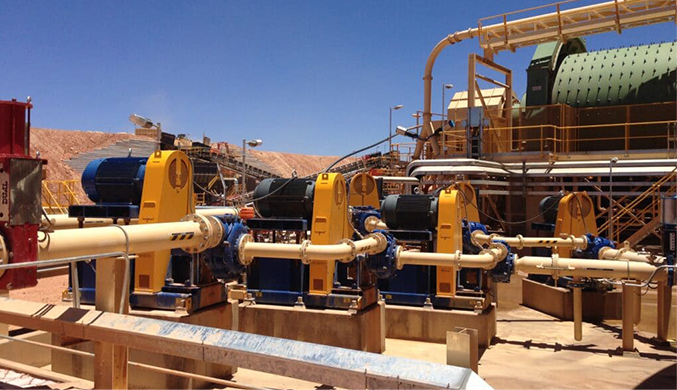
Introduction
Submersible septic pumps are centrifugal pumps specifically designed for submerged operation in wastewater tanks and septic systems. Positioned within the septic tank, they transfer effluent to a drain field for treatment and dispersal. Unlike traditional jet pumps located above ground, submersible models offer quieter operation, eliminate priming requirements, and are less susceptible to clogging due to their direct immersion. Their core performance lies in efficient solids handling, reliable operation in corrosive environments, and the ability to maintain consistent flow rates despite fluctuating influent levels. This guide provides an in-depth technical analysis of submersible septic pump technology, encompassing material science, manufacturing processes, performance characteristics, failure modes, and relevant industry standards. A primary industry pain point is premature pump failure due to abrasion from solids, corrosion from hydrogen sulfide, and insufficient pump sizing leading to overload conditions.
Material Science & Manufacturing
The construction of a submersible septic pump relies on a carefully selected combination of materials to ensure durability and resistance to the harsh wastewater environment. Impellers and volutes are commonly manufactured from high-grade cast iron (ASTM A48 Class 30) due to its cost-effectiveness and reasonable abrasion resistance. However, for applications with high solids content or particularly abrasive waste streams, stainless steel alloys (specifically 316 stainless steel – ASTM A743 Grade CF8M) are preferred for improved longevity. Pump housings are typically constructed from epoxy-coated cast iron or engineered polymers (such as polypropylene) to provide corrosion protection against hydrogen sulfide and other corrosive compounds present in septic tank effluent. Shafts are generally made from 4140 alloy steel, heat treated to achieve high tensile strength and wear resistance. Seals are crucial components; typically employing silicon carbide mechanical seals (meeting DIN 24960 standards) for their superior resistance to abrasion and chemical attack. Manufacturing processes include sand casting for iron and steel components, injection molding for polymer parts, and precision machining for critical tolerances. Welding, where applicable, must adhere to AWS D1.1 standards to ensure structural integrity. Parameter control during manufacturing focuses on impeller balancing (ISO 1940-1) to minimize vibration and bearing wear, and coating thickness measurement to verify corrosion protection.
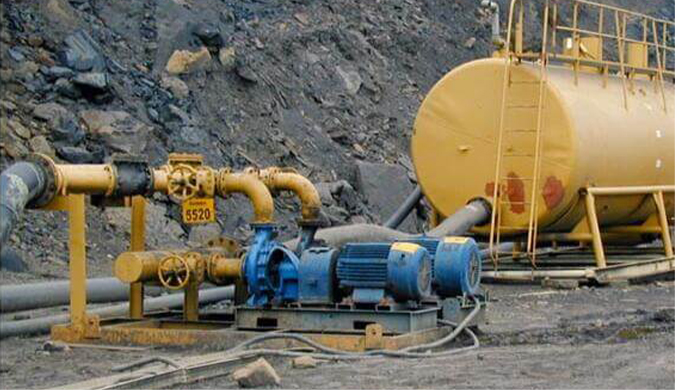
Performance & Engineering
The performance of a submersible septic pump is defined by its hydraulic characteristics – flow rate (gallons per minute or liters per second) and total dynamic head (TDH – the vertical distance the pump can lift the fluid plus friction losses in the piping). Pump curves, generated through rigorous testing (following Hydraulic Institute standards), illustrate the relationship between flow rate and TDH. Force analysis is critical in the design of the impeller and volute to withstand hydraulic pressures and prevent cavitation. Environmental resistance is paramount; pumps must operate reliably in temperatures ranging from 33°F to 90°F (0°C to 32°C) and withstand the corrosive attack of hydrogen sulfide, methane, and other gases present in septic tanks. Compliance requirements include certifications from organizations like NSF International (NSF/ANSI 40 for wastewater treatment components) and UL (Underwriters Laboratories) for electrical safety (UL 778 for submersible pumps). Functional implementation requires proper sizing of the pump based on the effluent flow rate, TDH, and solids loading. Incorrect sizing can lead to premature pump failure due to overload or insufficient pumping capacity. The pump's motor is typically a submersible induction motor, designed for continuous duty operation and encapsulated to prevent water ingress (meeting IEC 60034-8 standards). Proper electrical grounding is essential for safety and to prevent electrical shock.
Technical Specifications
| Parameter | Typical Range (Residential) | Typical Range (Commercial) | Units |
|---|---|---|---|
| Flow Rate | 40-100 | 100-500 | GPM |
| Total Dynamic Head | 10-30 | 30-100 | Feet |
| Motor Horsepower | 1/2 - 1 | 1 - 5 | HP |
| Solids Handling Capacity | Up to 2 inch | Up to 3 inch | Diameter |
| Impeller Material | Cast Iron (A48 Class 30) | Stainless Steel (316) | - |
| Housing Material | Epoxy-Coated Cast Iron | Stainless Steel (316) | - |
Failure Mode & Maintenance
Submersible septic pumps are subject to several common failure modes. Fatigue cracking in the impeller or volute can occur due to repeated stress from solids impact. Delamination of the epoxy coating on the housing leads to corrosion and eventual failure. Degradation of the mechanical seal allows wastewater to enter the motor housing, causing short circuits and motor failure. Oxidation of electrical connections results in increased resistance and overheating. Clogging, primarily from non-biodegradable items entering the tank (e.g., wipes, plastics), can overload the motor and damage the impeller. Regular maintenance is crucial. This includes annual inspection of the pump for wear and corrosion, cleaning of the impeller intake to remove debris, and checking the mechanical seal for leaks. Monitoring the pump's amp draw can indicate overloading or impeller blockage. Preventive maintenance should also include periodic flushing of the septic tank to remove accumulated solids and reduce the load on the pump. If a pump fails, a thorough failure analysis should be conducted to identify the root cause and prevent recurrence. Bearing failure is another common issue, addressed through regular lubrication (where applicable) and monitoring for unusual noise or vibration.
Industry FAQ
Q: What is the impact of hydrogen sulfide on pump lifespan?
A: Hydrogen sulfide (H2S) is a corrosive gas generated during the anaerobic decomposition of organic matter in septic tanks. It reacts with the metal components of the pump, particularly cast iron and steel, causing corrosion and weakening the structure. Epoxy coatings offer some protection, but prolonged exposure will eventually lead to coating degradation and subsequent corrosion. Stainless steel alloys (316) are significantly more resistant to H2S corrosion.
Q: How do I determine the correct pump size for my application?
A: Proper pump sizing requires careful consideration of several factors: the daily effluent flow rate, the total dynamic head (TDH), and the solids loading. The TDH includes the vertical lift from the tank to the drain field, plus friction losses in the piping. Overestimating the pump size can lead to frequent starts/stops and reduced pump life, while underestimating can result in insufficient pumping capacity. A qualified septic system professional should perform these calculations.
Q: What types of solids can a submersible septic pump handle?
A: Most submersible septic pumps are designed to handle typical household wastewater solids, including fecal matter, toilet paper, and food waste. However, they are not designed to handle non-biodegradable items such as wipes, feminine hygiene products, plastics, or grit. These items can clog the impeller and damage the pump. Pre-treatment systems, such as filters, can help remove these materials.
Q: What are the common causes of pump motor failure?
A: Common causes of motor failure include overheating due to overloading or blockage, water ingress due to seal failure, and electrical faults. Overheating can damage the motor windings, while water ingress causes short circuits. Regular inspection of the seals and monitoring of the pump's amp draw can help prevent these failures.
Q: How often should the pump be inspected and maintained?
A: Annual inspection and maintenance are recommended. This should include visual inspection for corrosion and wear, cleaning of the impeller intake, checking the mechanical seal for leaks, and verifying proper electrical connections. More frequent inspections may be necessary in applications with high solids loading or corrosive environments.
Conclusion
Submersible septic pumps represent a critical component of modern wastewater management systems, offering efficient and reliable effluent transfer. Their performance is intrinsically linked to material selection, precise manufacturing, and diligent maintenance practices. Understanding the specific failure modes associated with these pumps, such as corrosion from H2S and abrasion from solids, is paramount to prolonging operational life and minimizing downtime.
Future developments will likely focus on improved impeller designs for enhanced solids handling, more durable corrosion-resistant materials, and the integration of smart monitoring systems to predict potential failures and optimize pump performance. Furthermore, stricter adherence to relevant industry standards (NSF, UL, IEC) will be crucial for ensuring product safety and environmental responsibility.
-
Comprehensive Guide to Waterproof ORings for Optimal Sealing Solutions
News2026-06-09
-
submergable pump Material Science
News2026-06-23
-
sewer injection pump Performance Engineering
News2026-06-23
-
Sewer Ejector Pump System Performance Analysis
News2026-06-23
-
septic tank pump for sale Performance Engineering
News2026-06-23
-
septic pump for sale Performance Engineering
News2026-06-23
-
septic ejector system Performance Analysis
News2026-06-22
-
replace septic pump Performance Analysis
News2026-06-22
-
pump system septic tank Performance Analysis
News2026-06-22
-
lift pump for sewer Performance and Engineering
News2026-06-22
-
industrial submersible water pump Material Science
News2026-06-22
-
industrial submersible pumps Material Science and Manufacturing
News2026-06-21
-
best sewer ejector pump Performance Analysis
News2026-06-21
-
best septic pump Performance Analysis
News2026-06-21
-
1 2 hp septic pump Performance Engineering
News2026-06-21




