English
- Afrikaans
- Albanian
- Amharic
- Arabic
- Armenian
- Azerbaijani
- Basque
- Belarusian
- Bengali
- Bosnian
- Bulgarian
- Catalan
- Cebuano
- Corsican
- Croatian
- Czech
- Danish
- Dutch
- English
- Esperanto
- Estonian
- Finnish
- French
- Frisian
- Galician
- Georgian
- German
- Greek
- Gujarati
- Haitian Creole
- hausa
- hawaiian
- Hebrew
- Hindi
- Miao
- Hungarian
- Icelandic
- igbo
- Indonesian
- irish
- Italian
- Japanese
- Javanese
- Kannada
- kazakh
- Khmer
- Rwandese
- Korean
- Kurdish
- Kyrgyz
- Lao
- Latin
- Latvian
- Lithuanian
- Luxembourgish
- Macedonian
- Malgashi
- Malay
- Malayalam
- Maltese
- Maori
- Marathi
- Mongolian
- Myanmar
- Nepali
- Norwegian
- Norwegian
- Occitan
- Pashto
- Persian
- Polish
- Portuguese
- Punjabi
- Romanian
- Russian
- Samoan
- Scottish Gaelic
- Serbian
- Sesotho
- Shona
- Sindhi
- Sinhala
- Slovak
- Slovenian
- Somali
- Spanish
- Sundanese
- Swahili
- Swedish
- Tagalog
- Tajik
- Tamil
- Tatar
- Telugu
- Thai
- Turkish
- Turkmen
- Ukrainian
- Urdu
- Uighur
- Uzbek
- Vietnamese
- Welsh
- Bantu
- Yiddish
- Yoruba
- Zulu

Telephone: +86 13120555503
Email: frank@cypump.com


Apr . 01, 2024 17:55 Back to list
submersible pumps for septic tanks Performance Analysis
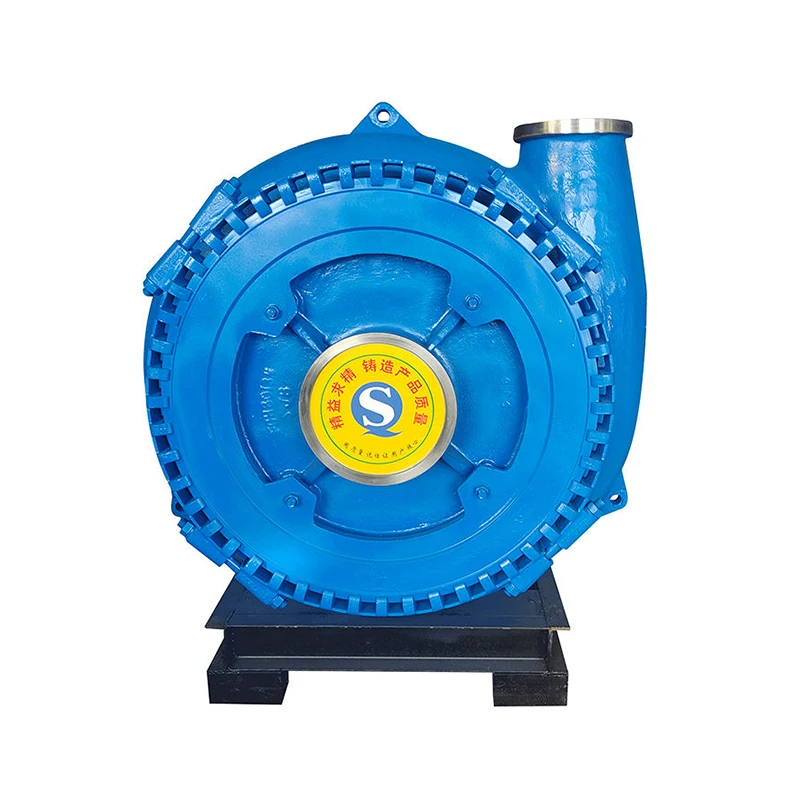
Introduction
Submersible pumps for septic tanks are centrifugal pumps designed for continuous submerged operation within a septic tank environment. Positioned within the tank, they transfer wastewater from the tank to the drain field. Unlike jet pumps which operate externally, submersible pumps offer increased efficiency, reduced noise, and elimination of priming requirements – critical factors in residential and small commercial septic systems. Their core performance centers around reliable solids handling, corrosion resistance in a harsh biochemical environment, and energy efficiency to minimize operating costs. The increasing stringency of wastewater discharge regulations and the need for robust, low-maintenance solutions drive the demand for increasingly sophisticated septic tank pump technologies. This guide details the materials science, manufacturing processes, performance characteristics, failure modes, and maintenance protocols for these essential components of wastewater treatment systems.
Material Science & Manufacturing
The operational longevity of a submersible septic pump is critically dependent on material selection. Pump housings are typically constructed from high-density polyethylene (HDPE) or stainless steel (304 or 316 grade). HDPE offers excellent chemical resistance to the corrosive environment within a septic tank, including hydrogen sulfide (H2S), methane (CH4), and various organic acids. However, it has lower temperature resistance. Stainless steel provides superior mechanical strength, temperature tolerance, and abrasion resistance but requires careful consideration of pitting corrosion in chloride-rich environments. Impeller materials generally utilize engineered polymers like polypropylene or glass-filled nylon for their balance of durability and cost-effectiveness, although bronze impellers are used in higher-end models for increased abrasion resistance. Shafts are typically constructed from 400-series stainless steel for hardness and corrosion resistance.
Manufacturing processes involve injection molding for HDPE housings and precision casting or machining for stainless steel components. Impellers are produced through injection molding. A critical aspect of manufacturing is the welding process used to seal the pump motor housing. Shielded Metal Arc Welding (SMAW) or Gas Tungsten Arc Welding (GTAW) are common, requiring strict adherence to AWS D1.1 standards to ensure weld integrity and prevent ingress of wastewater. Motor windings are typically copper, insulated with epoxy resins and carefully potted to provide electrical insulation and mechanical support. Quality control procedures at each stage – from raw material inspection to final hydrostatic testing – are crucial to guarantee reliable performance and prevent premature failure. Seals are typically mechanical seals employing silicon carbide faces for exceptional wear resistance and chemical compatibility with septic tank effluent.
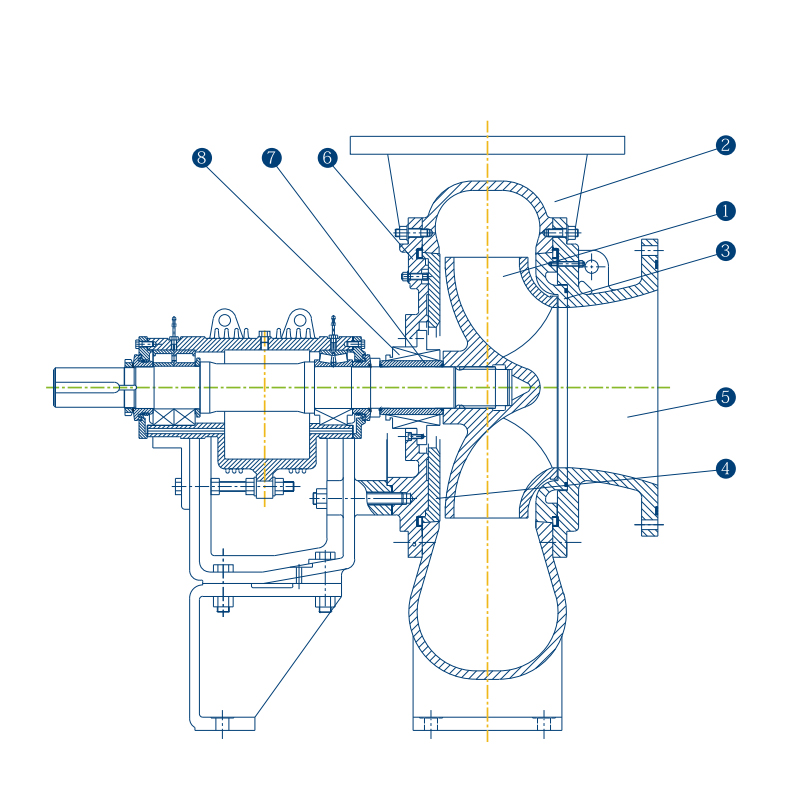
Performance & Engineering
The performance of a submersible septic pump is dictated by several key engineering parameters. Head pressure (total dynamic head) is a critical factor, representing the vertical distance the pump must lift the wastewater plus frictional losses in the discharge piping. Flow rate (gallons per minute or liters per second) defines the pump's capacity to move wastewater. These two parameters are interlinked and defined by the pump’s performance curve. Power requirements (horsepower or kilowatt) are directly related to the head pressure and flow rate.
Force analysis involves evaluating stresses on the impeller and pump housing under operating conditions. Finite element analysis (FEA) is frequently employed during the design phase to optimize structural integrity and minimize risk of cracking or deformation. Environmental resistance is paramount; pumps must withstand constant immersion in corrosive fluids, fluctuating temperatures, and potential for abrasive particle impact. Compliance requirements include UL 778 (safety for submersible pumps) and potentially local regulations regarding wastewater discharge. Functional implementation necessitates a properly sized inlet screen to prevent solids from entering the pump, a float switch to automatically activate and deactivate the pump based on liquid level, and a discharge piping system designed to minimize backflow and prevent clogging. The motor must be thermally protected, and the pump designed to handle potential dry-running conditions (though prolonged dry running will cause damage).
Technical Specifications
| Parameter | Typical Range (Residential) | Typical Range (Commercial) | Units |
|---|---|---|---|
| Flow Rate | 40-100 | 100-300 | GPM |
| Total Dynamic Head | 10-30 | 30-60 | Feet |
| Horsepower | 1/2 - 1 | 1 - 5 | HP |
| Voltage | 120/240 | 240/480 | VAC |
| Solids Handling | Up to 2 inches | Up to 3 inches | Diameter |
| Discharge Pipe Size | 1.25 - 2 | 2 - 4 | Inches |
Failure Mode & Maintenance
Common failure modes for submersible septic pumps include impeller wear due to abrasive solids, seal failure leading to motor contamination, motor winding burnout due to overheating or electrical faults, and switch malfunction. Fatigue cracking can occur in the pump housing or impeller, particularly in stainless steel units subjected to cyclic loading and corrosive attack. Delamination of the epoxy coating on motor windings can lead to short circuits. Oxidation of electrical connections causes increased resistance and eventual failure. Blockages in the inlet screen or discharge pipe cause overheating and strain on the motor.
Preventative maintenance is critical. Regular inspection of the inlet screen for debris accumulation is essential. Periodic flushing of the discharge pipe to remove sediment buildup is recommended. Electrical connections should be inspected for corrosion and tightened as needed. Motor amperage draw should be monitored to detect potential overheating. Mechanical seals should be replaced proactively based on manufacturer recommendations or after a specified operating time. In the event of pump failure, a thorough inspection should be conducted to identify the root cause. Replacement of the entire pump unit may be necessary if the motor is severely damaged or the housing is cracked. Proper disposal of the old pump is important, following local environmental regulations regarding hazardous waste.
Industry FAQ
Q: What is the typical lifespan of a submersible septic pump?
A: The typical lifespan of a submersible septic pump ranges from 7 to 15 years, depending on usage, maintenance, and the quality of the pump. Pumps subjected to heavy use or lacking regular maintenance will likely fail sooner.
Q: How do I determine the correct pump size for my septic system?
A: Pump sizing requires calculating the total dynamic head (TDH) and desired flow rate. TDH is determined by the vertical lift, pipe friction losses, and pressure requirements at the drain field. The flow rate depends on the tank size and soil percolation rate. Consult with a septic system professional for accurate calculations.
Q: What causes a septic pump to overheat?
A: Overheating can be caused by several factors, including a blocked inlet screen, restricted discharge pipe, low voltage, or a malfunctioning float switch that leads to prolonged operation. Excessive solids buildup can also contribute to overheating.
Q: Is it normal for a septic pump to cycle on and off frequently?
A: Frequent cycling (short run times) can indicate a small tank size relative to the pump's capacity, a leak in the system, or a malfunctioning float switch. Excessive cycling reduces pump lifespan and should be investigated.
Q: What type of oil is used in submersible septic pumps, and how often should it be changed?
A: Submersible septic pumps typically utilize a specialized non-toxic, biodegradable oil designed for submerged applications. Oil changes are generally not required, as these pumps are sealed units. However, if the pump is suspected of having a leak that allows water to contaminate the oil, replacement is recommended.
Conclusion
Submersible pumps are vital components of modern septic systems, providing reliable and efficient wastewater transfer. Their longevity and performance are directly tied to material selection, manufacturing quality, and adherence to proper maintenance protocols. Understanding the engineering principles governing pump operation, including head pressure, flow rate, and force analysis, is crucial for selecting the appropriate pump for a specific application.
As environmental regulations become increasingly stringent, and the demand for sustainable wastewater treatment solutions grows, continued innovation in pump design and materials will be essential. Future developments may focus on improved solids handling capabilities, increased energy efficiency, and the integration of smart sensors for remote monitoring and predictive maintenance. Proper installation, regular inspection, and prompt repair of any detected issues are paramount to ensure the long-term reliability and cost-effectiveness of submersible septic pump systems.
-
Comprehensive Guide to Waterproof ORings for Optimal Sealing Solutions
News2026-06-09
-
submergable pump Material Science
News2026-06-23
-
sewer injection pump Performance Engineering
News2026-06-23
-
Sewer Ejector Pump System Performance Analysis
News2026-06-23
-
septic tank pump for sale Performance Engineering
News2026-06-23
-
septic pump for sale Performance Engineering
News2026-06-23
-
septic ejector system Performance Analysis
News2026-06-22
-
replace septic pump Performance Analysis
News2026-06-22
-
pump system septic tank Performance Analysis
News2026-06-22
-
lift pump for sewer Performance and Engineering
News2026-06-22
-
industrial submersible water pump Material Science
News2026-06-22
-
industrial submersible pumps Material Science and Manufacturing
News2026-06-21
-
best sewer ejector pump Performance Analysis
News2026-06-21
-
best septic pump Performance Analysis
News2026-06-21
-
1 2 hp septic pump Performance Engineering
News2026-06-21




