English
- Afrikaans
- Albanian
- Amharic
- Arabic
- Armenian
- Azerbaijani
- Basque
- Belarusian
- Bengali
- Bosnian
- Bulgarian
- Catalan
- Cebuano
- Corsican
- Croatian
- Czech
- Danish
- Dutch
- English
- Esperanto
- Estonian
- Finnish
- French
- Frisian
- Galician
- Georgian
- German
- Greek
- Gujarati
- Haitian Creole
- hausa
- hawaiian
- Hebrew
- Hindi
- Miao
- Hungarian
- Icelandic
- igbo
- Indonesian
- irish
- Italian
- Japanese
- Javanese
- Kannada
- kazakh
- Khmer
- Rwandese
- Korean
- Kurdish
- Kyrgyz
- Lao
- Latin
- Latvian
- Lithuanian
- Luxembourgish
- Macedonian
- Malgashi
- Malay
- Malayalam
- Maltese
- Maori
- Marathi
- Mongolian
- Myanmar
- Nepali
- Norwegian
- Norwegian
- Occitan
- Pashto
- Persian
- Polish
- Portuguese
- Punjabi
- Romanian
- Russian
- Samoan
- Scottish Gaelic
- Serbian
- Sesotho
- Shona
- Sindhi
- Sinhala
- Slovak
- Slovenian
- Somali
- Spanish
- Sundanese
- Swahili
- Swedish
- Tagalog
- Tajik
- Tamil
- Tatar
- Telugu
- Thai
- Turkish
- Turkmen
- Ukrainian
- Urdu
- Uighur
- Uzbek
- Vietnamese
- Welsh
- Bantu
- Yiddish
- Yoruba
- Zulu

Telephone: +86 13120555503
Email: frank@cypump.com


Apr . 01, 2024 17:55 Back to list
submersible pump water Performance Analysis
Introduction
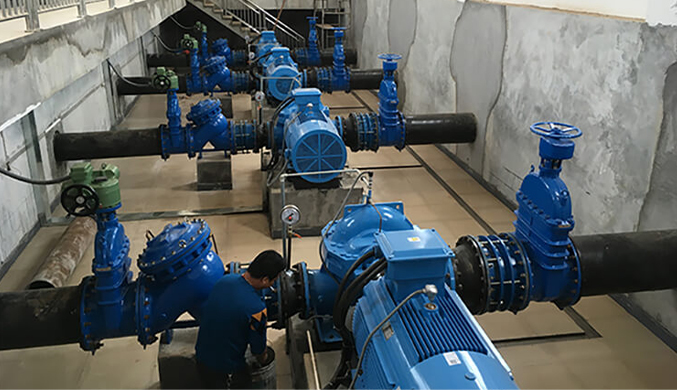
Submersible pumps are centrifugal pumps specifically designed for complete immersion in the fluid being pumped. Applied extensively in water management – including well water extraction, dewatering of construction sites, sewage and effluent handling, and industrial process water circulation – their robust construction and inherent priming capabilities distinguish them from surface-mounted pump systems. This guide details the material science, manufacturing, performance characteristics, failure modes, and maintenance protocols associated with submersible pumps utilized for water applications. A critical performance metric is the pump's ability to efficiently move water against hydrostatic head, while maintaining operational reliability in potentially corrosive environments. The industry faces ongoing challenges related to increasing energy efficiency, minimizing abrasion wear from suspended solids, and ensuring long-term corrosion resistance in diverse water chemistries. This document provides a comprehensive overview for engineers, procurement managers, and maintenance personnel involved in the selection, operation, and lifecycle management of these crucial systems.
Material Science & Manufacturing
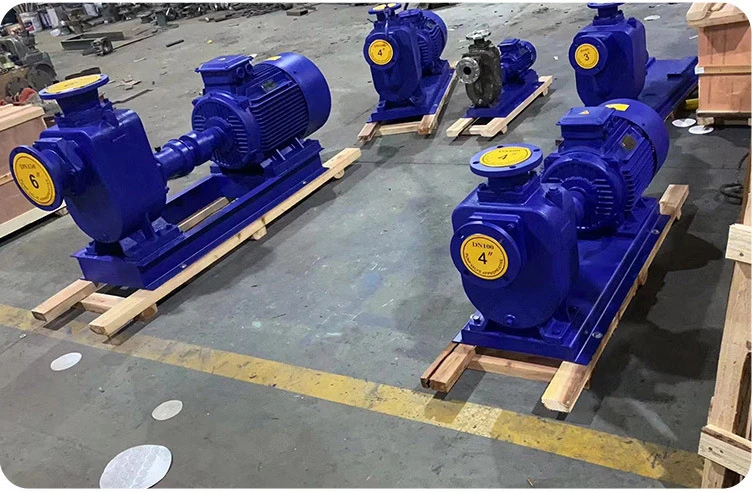
The construction of a submersible pump necessitates careful material selection to withstand the challenges of continuous immersion and fluid transport. Pump housings are commonly cast from gray iron (ASTM A48 Class 30) due to its excellent vibration damping characteristics and cost-effectiveness, although stainless steel (304 or 316 – ASTM A743 Grade CA/CF8) is employed in more corrosive environments. Impellers, the rotating components that impart energy to the fluid, frequently utilize wear-resistant alloys like high-chromium cast iron, or polymer composites for applications involving abrasive solids. Shafts are typically manufactured from stainless steel (410, 420 – ASTM A276) to provide corrosion resistance and torsional strength. Seals are a critical component, commonly employing elastomers like nitrile rubber (NBR), fluorocarbon elastomers (Viton), or silicon carbide mechanical seals, depending on the fluid temperature and chemical compatibility. Manufacturing processes include sand casting for housings, investment casting or centrifugal casting for impellers, and precision machining for shafts and sealing surfaces. Key parameters controlled during manufacturing include casting porosity, impeller blade geometry (optimized through computational fluid dynamics - CFD), shaft straightness (verified via laser alignment), and seal surface finish (maintained to Ra < 0.8µm for effective sealing). Welding processes used in pump construction must adhere to AWS D1.1 standards to ensure structural integrity and prevent weld defects like porosity and cracking. Post-weld heat treatment is critical for stainless steel components to restore corrosion resistance.
Performance & Engineering
Submersible pump performance is fundamentally governed by the principles of fluid dynamics. Key performance indicators include flow rate (Q), total dynamic head (TDH), and pump efficiency (η). TDH comprises static lift (the vertical distance the water is raised), friction losses within the piping system, and any pressure requirements at the discharge point. Pump curves, generated through hydraulic testing in accordance with Hydraulic Institute standards (HI), define the relationship between flow rate, head, and efficiency. Force analysis is crucial in designing the pump's structural components to withstand hydrostatic pressure, impeller centrifugal forces, and the weight of the pump itself. Environmental resistance is achieved through appropriate material selection and protective coatings. Pumps operating in seawater require materials with high resistance to chloride-induced corrosion. Pumps handling abrasive slurries necessitate hardened impellers and wear plates. Compliance requirements vary depending on the application. Potable water pumps must comply with NSF/ANSI 61 standards for lead content and material safety. Wastewater pumps must meet EPA standards for effluent discharge. Electrical components must adhere to IEC 60034-1 and NEMA MG 1 standards for motor performance and safety. Proper cable selection and sealing are paramount to prevent water ingress into the motor windings. Motor cooling is typically achieved through oil-filled compartments or water circulation around the motor housing.
Technical Specifications
| Parameter | Unit | Typical Value (Small Pump) | Typical Value (Large Pump) |
|---|---|---|---|
| Flow Rate | m³/h | 2-10 | 50-200 |
| Total Dynamic Head | m | 5-20 | 50-150 |
| Motor Power | kW | 0.75-2.2 | 15-75 |
| Impeller Diameter | mm | 100-150 | 300-600 |
| Maximum Solid Handling | mm | 5-10 | 50-100 |
| Operating Temperature | °C | 0-40 | 0-60 |
Failure Mode & Maintenance
Submersible pumps are susceptible to several failure modes. Fatigue cracking of the impeller, particularly at the blade roots, can occur due to cyclic loading. Delamination of polymer coatings on impellers is common when handling abrasive solids. Degradation of elastomer seals leads to leakage and loss of pump efficiency. Oxidation of metallic components, especially in corrosive fluids, results in reduced material strength and eventual failure. Cavitation, caused by low inlet pressure, can erode impeller vanes and reduce pump performance. Winding failure in the electric motor, often due to water ingress or thermal stress, is a common issue. Preventive maintenance is crucial for extending pump life. Regular inspection of seals and bearings is essential. Monitoring motor current and temperature can detect early signs of winding degradation. Backflushing the pump periodically removes accumulated solids. Lubrication of bearings is critical, utilizing appropriate lubricants compatible with the fluid being pumped. When replacing parts, ensure they meet or exceed original equipment manufacturer (OEM) specifications. Performing regular vibration analysis can identify imbalances or misalignments before they lead to catastrophic failure. Proper storage of pumps during periods of inactivity is important to prevent corrosion and seal degradation.
Industry FAQ
Q: What is the impact of water salinity on the pump material selection?
A: Higher salinity significantly increases the risk of chloride-induced corrosion, especially in ferrous alloys. For seawater applications, duplex stainless steels (e.g., 2205) or super austenitic stainless steels are recommended due to their superior corrosion resistance. Alternatively, non-metallic materials like engineered polymers or ceramic components can be used for critical wetted parts.
Q: How does the specific gravity of the pumped fluid affect pump performance?
A: Increased fluid density (higher specific gravity) directly impacts the pump’s head-capacity curve. A denser fluid will require more power to achieve the same flow rate and head, leading to reduced efficiency. Pump selection should account for the fluid's specific gravity to ensure adequate performance.
Q: What are the primary causes of reduced pump efficiency over time?
A: Reduced efficiency typically stems from impeller wear due to abrasion or corrosion, seal leakage, increased internal clearances, and fouling of the impeller or diffuser. Regular inspection and maintenance can mitigate these issues.
Q: What are the best practices for preventing motor winding failure in submersible pumps?
A: Ensure proper cable sealing to prevent water ingress, use a properly sized motor for the application, and monitor motor temperature and current. Consider using a thermal overload protection device and ensuring adequate ventilation or cooling for the motor.
Q: What is the role of a check valve in a submersible pump system?
A: A check valve prevents backflow when the pump is stopped, maintaining prime and preventing water hammer. This protects the pump from damage and ensures quick restart capability. Regular inspection of the check valve is essential to prevent it from sticking or leaking.
Conclusion
Submersible pumps represent a vital technology for diverse water management applications. Their selection, operation, and maintenance require a thorough understanding of material science, fluid dynamics, and industry standards. Addressing challenges related to corrosion, abrasion, and energy efficiency necessitates careful consideration of pump design, material selection, and preventative maintenance protocols. Continuous monitoring of pump performance, coupled with proactive maintenance strategies, is paramount to maximizing pump lifespan and minimizing operational costs.
Looking ahead, advancements in pump materials – such as ceramic-reinforced polymers and enhanced stainless steel alloys – are expected to further improve corrosion resistance and wear performance. Furthermore, the integration of smart sensors and remote monitoring systems will enable predictive maintenance, optimizing pump operation and reducing downtime. The ongoing pursuit of higher efficiency and reliability will continue to drive innovation in the submersible pump industry.
-
Comprehensive Guide to Waterproof ORings for Optimal Sealing Solutions
News2026-06-09
-
submergable pump Material Science
News2026-06-23
-
sewer injection pump Performance Engineering
News2026-06-23
-
Sewer Ejector Pump System Performance Analysis
News2026-06-23
-
septic tank pump for sale Performance Engineering
News2026-06-23
-
septic pump for sale Performance Engineering
News2026-06-23
-
septic ejector system Performance Analysis
News2026-06-22
-
replace septic pump Performance Analysis
News2026-06-22
-
pump system septic tank Performance Analysis
News2026-06-22
-
lift pump for sewer Performance and Engineering
News2026-06-22
-
industrial submersible water pump Material Science
News2026-06-22
-
industrial submersible pumps Material Science and Manufacturing
News2026-06-21
-
best sewer ejector pump Performance Analysis
News2026-06-21
-
best septic pump Performance Analysis
News2026-06-21
-
1 2 hp septic pump Performance Engineering
News2026-06-21




