English
- Afrikaans
- Albanian
- Amharic
- Arabic
- Armenian
- Azerbaijani
- Basque
- Belarusian
- Bengali
- Bosnian
- Bulgarian
- Catalan
- Cebuano
- Corsican
- Croatian
- Czech
- Danish
- Dutch
- English
- Esperanto
- Estonian
- Finnish
- French
- Frisian
- Galician
- Georgian
- German
- Greek
- Gujarati
- Haitian Creole
- hausa
- hawaiian
- Hebrew
- Hindi
- Miao
- Hungarian
- Icelandic
- igbo
- Indonesian
- irish
- Italian
- Japanese
- Javanese
- Kannada
- kazakh
- Khmer
- Rwandese
- Korean
- Kurdish
- Kyrgyz
- Lao
- Latin
- Latvian
- Lithuanian
- Luxembourgish
- Macedonian
- Malgashi
- Malay
- Malayalam
- Maltese
- Maori
- Marathi
- Mongolian
- Myanmar
- Nepali
- Norwegian
- Norwegian
- Occitan
- Pashto
- Persian
- Polish
- Portuguese
- Punjabi
- Romanian
- Russian
- Samoan
- Scottish Gaelic
- Serbian
- Sesotho
- Shona
- Sindhi
- Sinhala
- Slovak
- Slovenian
- Somali
- Spanish
- Sundanese
- Swahili
- Swedish
- Tagalog
- Tajik
- Tamil
- Tatar
- Telugu
- Thai
- Turkish
- Turkmen
- Ukrainian
- Urdu
- Uighur
- Uzbek
- Vietnamese
- Welsh
- Bantu
- Yiddish
- Yoruba
- Zulu

Telephone: +86 13120555503
Email: frank@cypump.com


Apr . 01, 2024 17:55 Back to list
Submersible Pump Supplier Performance Analysis
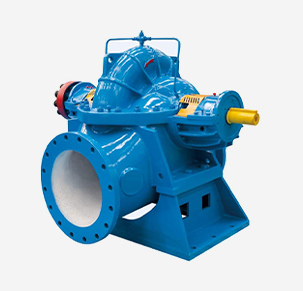
Introduction
Submersible pumps are centrifugal pumps specifically designed for complete submersion in the fluid being pumped. Unlike surface pumps which require priming, submersible pumps are self-priming and are utilized extensively in applications ranging from groundwater extraction and dewatering to sewage handling and oil & gas production. They represent a crucial component in numerous industrial processes, contributing significantly to efficiency and operational reliability. This guide will delve into the material science, manufacturing processes, performance characteristics, failure modes, and maintenance procedures specific to high-performance submersible pumps, targeting engineering and procurement professionals. The core performance criteria revolve around hydraulic efficiency, motor durability within a submerged environment, and resistance to the pumped fluid’s corrosive and abrasive properties. Selecting the appropriate submersible pump demands a thorough understanding of these technical dimensions, directly impacting total cost of ownership and operational uptime.
Material Science & Manufacturing
The construction of a submersible pump involves a complex interplay of material selection and precision manufacturing. Pump housings and impellers are frequently constructed from cast iron (ASTM A48 Class 30) for its cost-effectiveness and machinability, or stainless steel (316L – ASTM A743) for superior corrosion resistance in aggressive environments. The choice depends heavily on the fluid’s chemical composition, temperature, and abrasive particle content. Motor housings commonly utilize cast iron or stainless steel, emphasizing watertight integrity. Shafts are typically manufactured from high-strength alloy steel (4140 – ASTM A518) and undergo heat treatment to enhance tensile strength and fatigue resistance.
Manufacturing processes vary depending on component complexity. Pump housings often utilize sand casting followed by machining and surface treatment (epoxy coating for corrosion protection). Impellers are commonly produced via investment casting or centrifugal casting for intricate geometries and precise dimensional control. Welding (SMAW, GTAW – AWS D1.1) is critical for joining components and requires strict adherence to qualified welding procedures to ensure structural integrity and prevent leaks. Motor stator winding is a highly automated process involving copper wire insulation and precise coil placement. Rotor construction utilizes laminated silicon steel (ASTM A683) for minimizing eddy current losses. Finally, assembly is performed in cleanroom environments to prevent contamination and maintain tight tolerances. Key parameter control includes monitoring casting porosity, weld quality (non-destructive testing via radiography and ultrasonic testing), and dimensional accuracy (coordinate measuring machines - CMM).
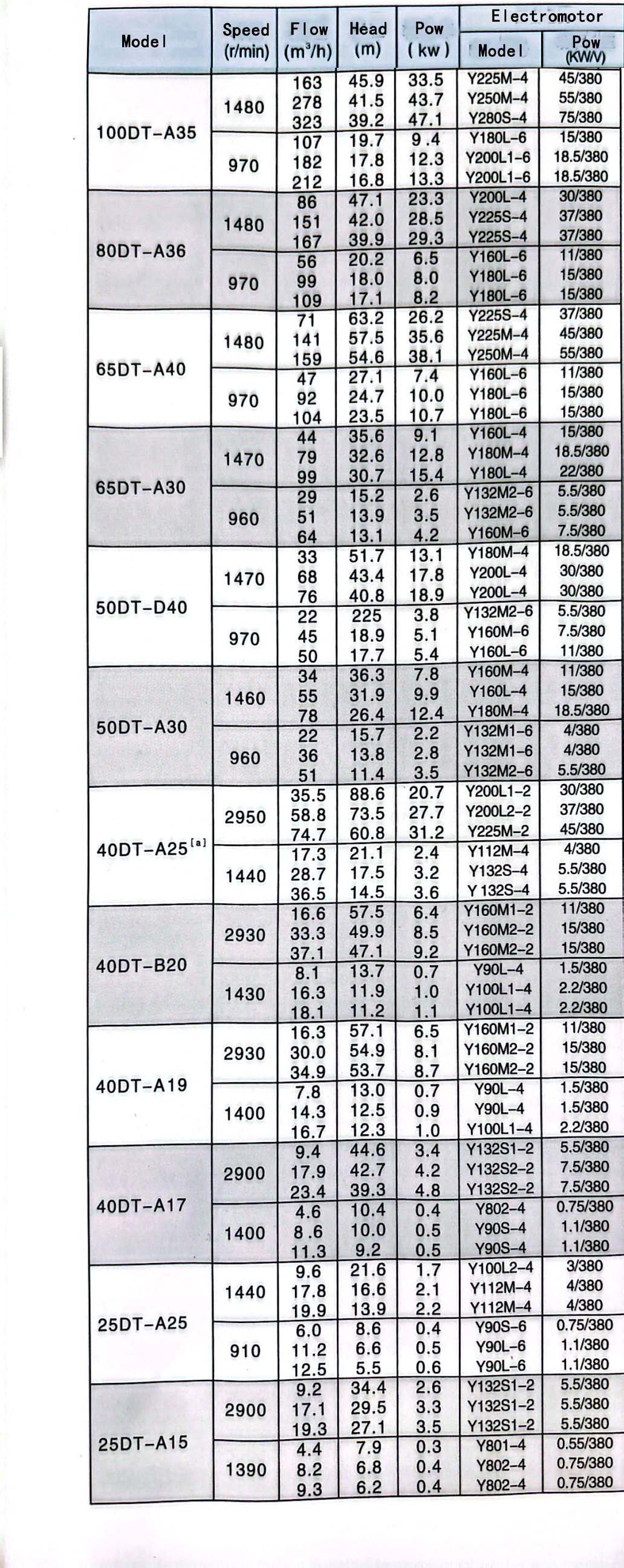
Performance & Engineering
Submersible pump performance is dictated by hydraulic efficiency, head generation, flow rate, and power consumption. Force analysis focuses on radial loads exerted on the impeller by the fluid and axial thrust generated by the pressure difference. Bearings (typically deep-groove ball bearings or tapered roller bearings – ISO 2811) must withstand these forces and maintain precise alignment. Environmental resistance is paramount, particularly in corrosive applications. Material selection must account for galvanic corrosion potential and the erosion effects of suspended solids. Pumps handling abrasive slurries require hard metal coatings (tungsten carbide) on the impeller and diffuser.
Compliance requirements vary by region. North America adheres to Hydraulic Institute standards (HI) for pump performance testing and classification. Europe follows EN 733 for centrifugal pump standards. Electrical components must comply with IEC 60034 for motor standards and ATEX directives for hazardous area applications. Pump curves, generated through standardized testing procedures (ISO 9906), are crucial for matching pump performance to specific application requirements. Proper system design, including pipe sizing and check valve selection, minimizes energy losses and prevents water hammer. The pump's Net Positive Suction Head Required (NPSHr) must be less than the Net Positive Suction Head Available (NPSHa) to prevent cavitation, a phenomenon that reduces pump efficiency and can cause severe damage.
Technical Specifications
| Parameter | Unit | Typical Value (Small Submersible Pump) | Typical Value (Large Submersible Pump) |
|---|---|---|---|
| Flow Rate | m³/hr | 2-10 | 100-500 |
| Head | m | 5-20 | 50-200 |
| Power | kW | 0.75-2.2 | 22-75 |
| Impeller Diameter | mm | 100-150 | 300-600 |
| Maximum Submergence | m | 5-10 | 50-150 |
| Fluid Temperature Range | °C | 0-60 | 0-80 |
Failure Mode & Maintenance
Common failure modes include bearing failure (due to excessive load or contamination), impeller cracking (caused by fatigue or cavitation), motor winding insulation breakdown (resulting from overheating or moisture ingress), and seal failure (leading to leakage). Failure analysis often reveals the root cause as improper installation, inadequate filtration, or exceeding the pump's design limitations. Fatigue cracking in the impeller is often initiated at stress concentrators, such as the impeller vanes. Delamination of protective coatings (epoxy or polyurethane) exposes the underlying metal to corrosion. Degradation of rubber components (seals, diaphragms) occurs due to chemical attack or thermal aging. Oxidation of electrical connections leads to increased resistance and potential motor failure.
Preventative maintenance is crucial. Regular inspection of seals, bearings, and electrical connections is essential. Oil analysis (for oil-filled motors) detects wear debris and contaminants. Vibration analysis identifies bearing imbalance or misalignment. Flushing the pump with clean fluid removes abrasive particles. Proper lubrication of bearings extends their service life. Periodic motor insulation testing (megger testing - IEEE 43) detects insulation degradation. Replacement of worn components before catastrophic failure minimizes downtime and repair costs. Proper storage of spare parts in a dry and clean environment is also critical. Following manufacturer’s recommendations for maintenance intervals is paramount.
Industry FAQ
Q: What is the impact of fluid solids content on pump selection?
A: Higher solids content necessitates pumps with abrasion-resistant materials (e.g., high-chrome iron, hard metal coatings) and larger impeller passages to prevent clogging. Impeller design also plays a critical role; recessed impellers are commonly used for handling high solids concentrations.
Q: How do you mitigate the risk of cavitation in a submersible pump?
A: Ensure the NPSHa exceeds the NPSHr. This can be achieved by increasing the fluid level in the well, reducing suction pipe losses, or lowering the pump. Careful pump placement and system design are key.
Q: What are the benefits of using a stainless steel pump versus a cast iron pump?
A: Stainless steel offers superior corrosion resistance, particularly in aggressive chemical environments. However, it’s more expensive than cast iron. The choice depends on the fluid’s composition and the desired pump lifespan.
Q: What are the typical failure rates for submersible pump motors?
A: Typical motor failure rates range from 2-5% per year, depending on operating conditions and maintenance practices. Common causes include winding failures, bearing failures, and seal failures.
Q: How does the cable affect submersible pump performance and longevity?
A: The cable must be appropriately sized for the pump’s power requirements and the depth of submersion. It should be resistant to abrasion, chemicals, and UV degradation. Cable damage is a frequent cause of pump failure.
Conclusion
The selection and maintenance of submersible pumps require a comprehensive understanding of material science, hydraulic principles, and operational constraints. Proper material selection, coupled with rigorous manufacturing controls, is paramount for ensuring long-term reliability and minimizing lifecycle costs. Addressing potential failure modes proactively through preventative maintenance programs and adhering to industry standards (HI, IEC, ISO) significantly reduces downtime and enhances operational efficiency.
Future developments in submersible pump technology will likely focus on improved motor efficiency (e.g., permanent magnet motors), advanced sensor integration for predictive maintenance, and the use of more sustainable materials. Optimizing pump performance through variable frequency drives (VFDs) and intelligent control systems will further enhance energy efficiency and process control. Continued innovation in pump design and materials science will be critical for meeting the evolving demands of diverse industrial applications.
-
Precision at the Pump: How Better Machining Protects Flow and Uptime
News2026-11-20
-
Why Pump Reliability Begins Before the First Drop of Fluid
News2026-11-20
-
Beyond the Pump: Designing Safer Access Around Critical Water Infrastructure
News2026-11-20
-
Why Pumping Stations Depend on the Infrastructure Beneath the Pumps
News2026-11-20
-
Beyond the Pump Room: How Smarter Loading Protects Industrial Equipment
News2026-11-19
-
When Pumps Stop: Designing More Resilient Power for Critical Pumping Systems
News2026-11-19
-
The Hidden Role of Dust and Gas Monitoring in Reliable Pump Operations
News2026-11-19
-
The Hidden Role of Mineral Compounds in Extending Industrial Pump Lifespan
News2026-10-12
-
Why Pump System Reliability Depends on Precision Hose Assembly Methods
News2026-09-15
-
How Advanced Imaging Films Are Transforming Pump Component Quality Control
News2026-08-25
-
How Advanced Filtration Protects Pump Systems from Premature Wear and Costly Downtime
News2026-08-25
-
How Steel Material Selection Drives Pump Reliability in Heavy-Duty Systems
News2026-08-25
-
Ensuring Pump System Efficiency: The Role of High-Quality Pipe Fittings and Tubing
News2026-08-24
-
Optimizing Fluid Dynamics and Material Consistency in Industrial Processing
News2026-08-18
-
Innovations and Challenges in Hydraulic Systems for Heavy Machinery
News2026-08-13




