English
- Afrikaans
- Albanian
- Amharic
- Arabic
- Armenian
- Azerbaijani
- Basque
- Belarusian
- Bengali
- Bosnian
- Bulgarian
- Catalan
- Cebuano
- Corsican
- Croatian
- Czech
- Danish
- Dutch
- English
- Esperanto
- Estonian
- Finnish
- French
- Frisian
- Galician
- Georgian
- German
- Greek
- Gujarati
- Haitian Creole
- hausa
- hawaiian
- Hebrew
- Hindi
- Miao
- Hungarian
- Icelandic
- igbo
- Indonesian
- irish
- Italian
- Japanese
- Javanese
- Kannada
- kazakh
- Khmer
- Rwandese
- Korean
- Kurdish
- Kyrgyz
- Lao
- Latin
- Latvian
- Lithuanian
- Luxembourgish
- Macedonian
- Malgashi
- Malay
- Malayalam
- Maltese
- Maori
- Marathi
- Mongolian
- Myanmar
- Nepali
- Norwegian
- Norwegian
- Occitan
- Pashto
- Persian
- Polish
- Portuguese
- Punjabi
- Romanian
- Russian
- Samoan
- Scottish Gaelic
- Serbian
- Sesotho
- Shona
- Sindhi
- Sinhala
- Slovak
- Slovenian
- Somali
- Spanish
- Sundanese
- Swahili
- Swedish
- Tagalog
- Tajik
- Tamil
- Tatar
- Telugu
- Thai
- Turkish
- Turkmen
- Ukrainian
- Urdu
- Uighur
- Uzbek
- Vietnamese
- Welsh
- Bantu
- Yiddish
- Yoruba
- Zulu

Telephone: +86 13120555503
Email: frank@cypump.com


Apr . 01, 2024 17:55 Back to list
submersible pump set Performance Analysis
Introduction
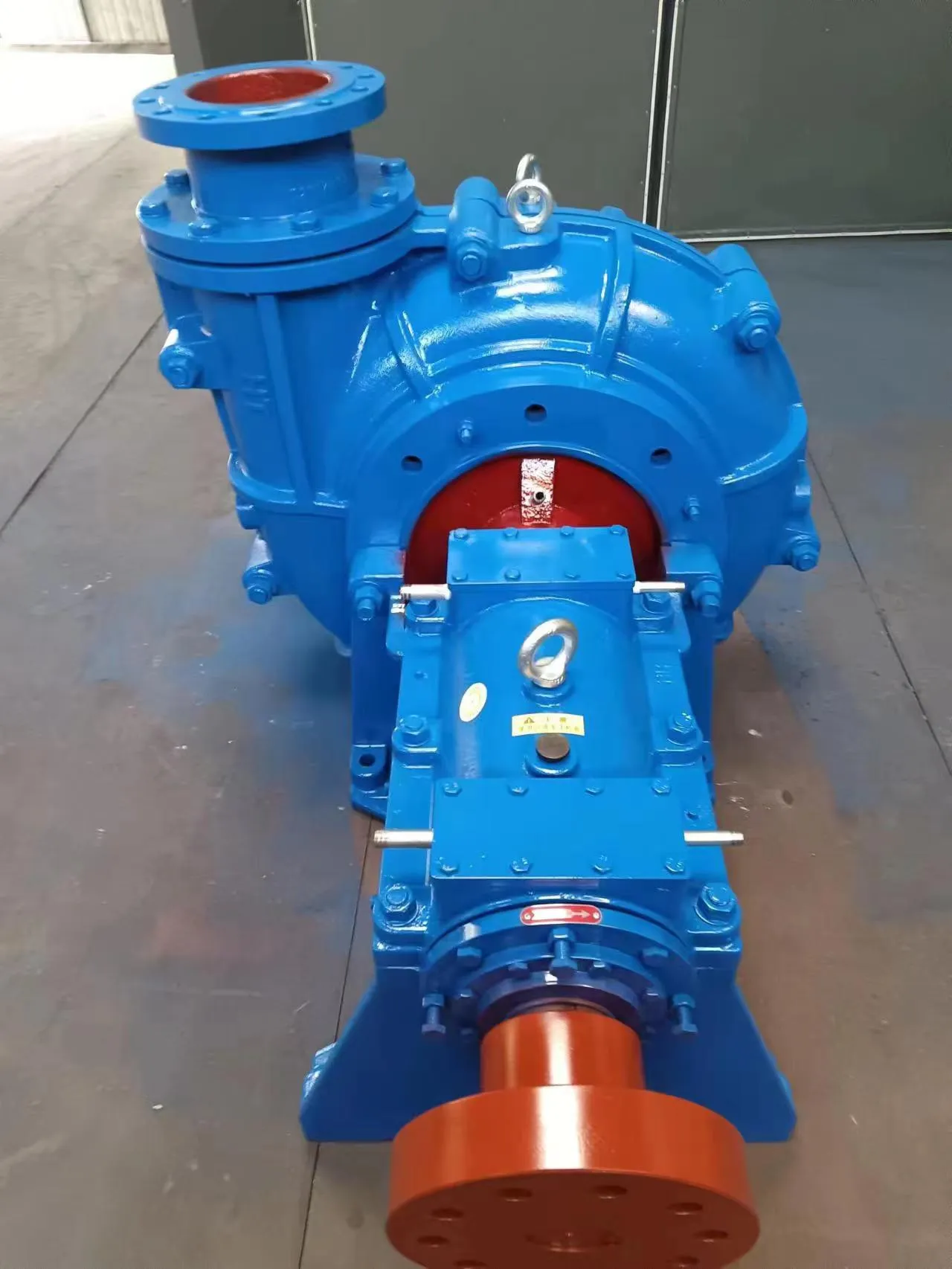
Submersible pump sets are multi-stage centrifugal pumps specifically designed for efficient fluid extraction from wells and boreholes, operating while fully submerged in the pumped medium. Positioned within the industry as a critical component of water supply, wastewater management, oil and gas extraction, and dewatering operations, these pump sets address the limitations of surface pumps in deep well applications. Core performance metrics include volumetric flow rate (m³/hr), total dynamic head (TDH) in meters, power consumption (kW), and pump efficiency (%). A key industry pain point is the susceptibility to abrasion from solids in the fluid, leading to premature wear and reduced efficiency. The selection of appropriate materials and pump design becomes paramount in such scenarios, dictating operational life and overall cost-effectiveness. These sets consist of a pump, a motor (typically oil-filled), a power cable, a discharge pipe, and often include check valves and control systems.
Material Science & Manufacturing
The primary materials employed in submersible pump set construction necessitate robust corrosion resistance and mechanical strength. Pump casings are commonly manufactured from cast iron (ASTM A48 Class 30), stainless steel (304/316 – ASTM A743), or engineered polymers like Polypropylene (PP) or Polyvinylidene Fluoride (PVDF) depending on fluid compatibility. Impellers and diffusers, critical for fluid dynamics, are typically produced from high-chromium cast iron (resistant to abrasion) or stainless steel. Motor housings are frequently constructed from stainless steel to prevent corrosion. Shafts are made from high-strength alloy steels (AISI 4140) and undergo heat treatment for increased durability. Manufacturing processes vary by component. Casings utilize sand casting or investment casting for complex geometries. Impellers are often produced via precision casting followed by machining. Motor stators are wound with copper wire (IEC 60317) and encapsulated in epoxy resin. The pump-motor connection requires precision machining and sealing to maintain hydraulic integrity. Key parameter control during manufacturing includes dimensional accuracy (ISO 2768-1), surface roughness (ISO 4287), and non-destructive testing (NDT) such as ultrasonic testing (UT) and magnetic particle inspection (MPI) to identify defects. Cable construction follows IEC 60502 standards, focusing on insulation integrity and mechanical protection.
Performance & Engineering
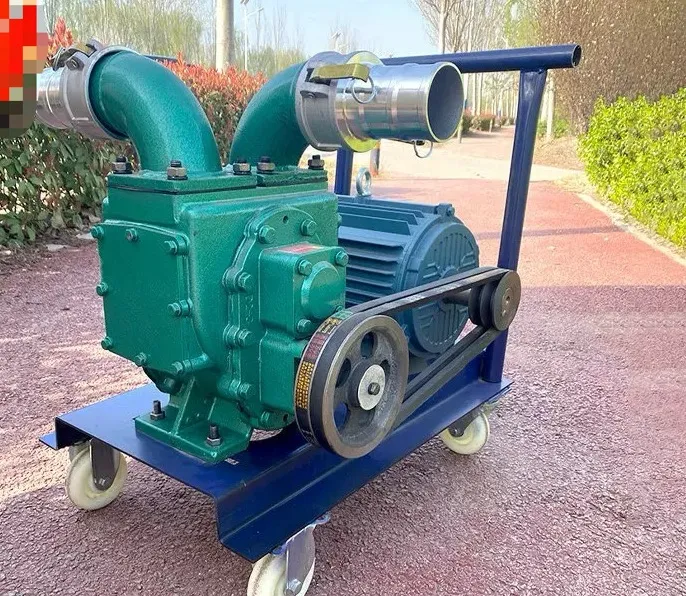
Performance analysis of submersible pump sets centers on hydraulic and mechanical engineering principles. Force analysis focuses on radial and axial thrust loads on the pump shaft, requiring robust bearing design (typically utilizing deep groove ball bearings or tapered roller bearings – ISO 2811). Cavitation is a major concern, requiring Net Positive Suction Head (NPSH) calculations to ensure adequate inlet pressure and prevent vapor formation. Environmental resistance is critical; pump sets operating in corrosive environments necessitate material selection and coating systems (epoxy coatings, ceramic coatings) to mitigate corrosion rates. Compliance with electrical safety standards (IEC 60335) and hydraulic efficiency standards (ISO 9906) is paramount. The pump’s characteristic curve (head vs. flow rate) dictates its operational range, and careful matching to the system requirements is essential. The specific gravity and viscosity of the pumped fluid significantly impact pump performance and must be considered in the design. Furthermore, the design must account for potential sand or solid particle ingress, potentially incorporating wear rings and robust impeller designs to minimize erosion. The motor's thermal performance is a critical engineering consideration, necessitating effective cooling mechanisms (oil-filled motors) and temperature monitoring to prevent overheating and failure.
Technical Specifications
| Parameter | Unit | Typical Range (Small Pump Set) | Typical Range (Large Pump Set) |
|---|---|---|---|
| Flow Rate | m³/hr | 0.5 - 5 | 50 - 300 |
| Total Dynamic Head | m | 10 - 50 | 100 - 500 |
| Motor Power | kW | 0.75 - 2.2 | 5.5 - 75 |
| Impeller Material | - | Cast Iron (HT200) | Stainless Steel (316) |
| Casing Material | - | Cast Iron (HT200) | Stainless Steel (304/316) |
| Maximum Submergence Depth | m | 20 - 40 | 100 - 300 |
Failure Mode & Maintenance
Common failure modes in submersible pump sets include bearing failure (due to insufficient lubrication or contamination), impeller erosion (caused by abrasive particles), motor winding failure (due to overheating or insulation breakdown), cable damage (from bending or abrasion), and seal failure (leading to water ingress). Fatigue cracking can occur in the pump shaft due to cyclical loading. Delamination of coatings can expose underlying metal to corrosion. Oxidation of motor components can lead to increased resistance and reduced efficiency. Regular maintenance is critical. This includes periodic inspection of the power cable for damage, monitoring of motor temperature, checking bearing lubrication, and analyzing pumped fluid for solids content. Preventive maintenance should involve scheduled replacement of wear rings and seals. Failure analysis (using techniques like metallography and oil analysis) is crucial for identifying root causes of failures and implementing corrective actions. Proper storage during periods of inactivity is essential to prevent corrosion and degradation. A robust maintenance schedule should also include testing of the pump’s electrical protection devices (overload relays, circuit breakers) to ensure proper operation. The use of variable frequency drives (VFDs) can reduce stress on the motor and pump by controlling pump speed and reducing cyclical loading.
Industry FAQ
Q: What are the key considerations when selecting a submersible pump set for a highly abrasive fluid?
A: Selecting a submersible pump set for abrasive fluids necessitates choosing materials with high abrasion resistance, such as high-chromium cast iron or hardened stainless steel for impellers and casings. Incorporating wear rings is crucial to protect the pump housing. Consider a pump with a larger impeller passage to reduce the risk of clogging. Regular monitoring of impeller wear is essential, and a robust filtration system upstream of the pump can significantly extend its operational life.
Q: How do I determine the appropriate Total Dynamic Head (TDH) for my application?
A: TDH is calculated by summing the static head (vertical distance from the pump to the discharge point), friction losses in the piping system, and any pressure requirements at the discharge point. Accurately determining pipe diameter, length, and material is crucial for calculating friction losses. Specialized software and hydraulic calculators can assist in this process. An underestimation of TDH will result in insufficient flow rate, while an overestimation can lead to inefficient operation and premature pump wear.
Q: What is the significance of the motor’s power factor, and how does it affect operating costs?
A: The power factor represents the ratio of real power (used to perform work) to apparent power (supplied by the utility). A low power factor indicates a less efficient use of electrical energy, leading to higher current draw and increased energy costs. Motors with higher power factors are more efficient and reduce strain on the electrical grid. Power factor correction capacitors can be used to improve the power factor and reduce energy consumption.
Q: How does water hammer affect submersible pump sets, and what mitigation strategies can be employed?
A: Water hammer is a pressure surge caused by sudden changes in flow velocity, often occurring when a pump starts or stops rapidly, or when valves are closed quickly. It can damage the pump, piping system, and electrical components. Mitigation strategies include using slow-closing valves, incorporating surge suppressors, and implementing soft-start/soft-stop controls for the pump motor. Proper pipe support and anchoring can also minimize the effects of water hammer.
Q: What are the best practices for cable management and protection to prevent electrical failures?
A: Proper cable management is critical. Cables should be securely supported at regular intervals to prevent bending and strain. They must be protected from abrasion and chemical exposure. Using appropriate cable glands and seals to prevent water ingress is essential. Regularly inspect the cable for damage and replace it if necessary. Follow all relevant electrical codes and standards when installing and maintaining submersible pump set cables.
Conclusion
Submersible pump sets represent a crucial technology for fluid extraction in diverse industrial applications. Effective performance and longevity hinge on a comprehensive understanding of material science, manufacturing processes, and engineering principles. Careful consideration of fluid characteristics, operational demands, and potential failure modes is paramount during selection and implementation. The proper specification and maintenance of these pump sets directly translates into improved operational efficiency, reduced downtime, and minimized lifecycle costs.
Looking forward, advancements in pump design, motor technology (e.g., permanent magnet motors), and intelligent control systems will further enhance the performance and reliability of submersible pump sets. Predictive maintenance capabilities, utilizing sensor data and machine learning algorithms, will play an increasingly important role in optimizing operational efficiency and preventing catastrophic failures. The integration of sustainable materials and energy-efficient designs will also be critical for addressing environmental concerns and reducing the overall carbon footprint of these essential systems.
-
Comprehensive Guide to Waterproof ORings for Optimal Sealing Solutions
News2026-06-09
-
submersible pump set Performance Analysis
News2026-06-16
-
Sewer Ejector Pumps Material Science
News2026-06-16
-
septic water pump Performance Analysis
News2026-06-16
-
septic tank water pump Performance Analysis
News2026-06-16
-
Septic Tank Pump to Drain Field Performance Analysis
News2026-06-16
-
septic tank pump system Performance Analysis
News2026-06-15
-
septic system lift pump Performance Analysis
News2026-06-15
-
septic pumps for sale Performance Analysis
News2026-06-15
-
lift pump for septic system Material Science Manufacturing
News2026-06-15
-
Ejector Pit and Pump System Performance
News2026-06-15
-
basement plumbing pump Performance Engineering
News2026-06-14
-
water submersible pump Performance Engineering
News2026-06-14
-
Septic Systems with Pumps Performance Analysis
News2026-06-14
-
Septic Pump Systems Performance Analysis
News2026-06-14




