English
- Afrikaans
- Albanian
- Amharic
- Arabic
- Armenian
- Azerbaijani
- Basque
- Belarusian
- Bengali
- Bosnian
- Bulgarian
- Catalan
- Cebuano
- Corsican
- Croatian
- Czech
- Danish
- Dutch
- English
- Esperanto
- Estonian
- Finnish
- French
- Frisian
- Galician
- Georgian
- German
- Greek
- Gujarati
- Haitian Creole
- hausa
- hawaiian
- Hebrew
- Hindi
- Miao
- Hungarian
- Icelandic
- igbo
- Indonesian
- irish
- Italian
- Japanese
- Javanese
- Kannada
- kazakh
- Khmer
- Rwandese
- Korean
- Kurdish
- Kyrgyz
- Lao
- Latin
- Latvian
- Lithuanian
- Luxembourgish
- Macedonian
- Malgashi
- Malay
- Malayalam
- Maltese
- Maori
- Marathi
- Mongolian
- Myanmar
- Nepali
- Norwegian
- Norwegian
- Occitan
- Pashto
- Persian
- Polish
- Portuguese
- Punjabi
- Romanian
- Russian
- Samoan
- Scottish Gaelic
- Serbian
- Sesotho
- Shona
- Sindhi
- Sinhala
- Slovak
- Slovenian
- Somali
- Spanish
- Sundanese
- Swahili
- Swedish
- Tagalog
- Tajik
- Tamil
- Tatar
- Telugu
- Thai
- Turkish
- Turkmen
- Ukrainian
- Urdu
- Uighur
- Uzbek
- Vietnamese
- Welsh
- Bantu
- Yiddish
- Yoruba
- Zulu

Telephone: +86 13120555503
Email: frank@cypump.com


Apr . 01, 2024 17:55 Back to list
submersible pump Material Science Manufacturing
Introduction
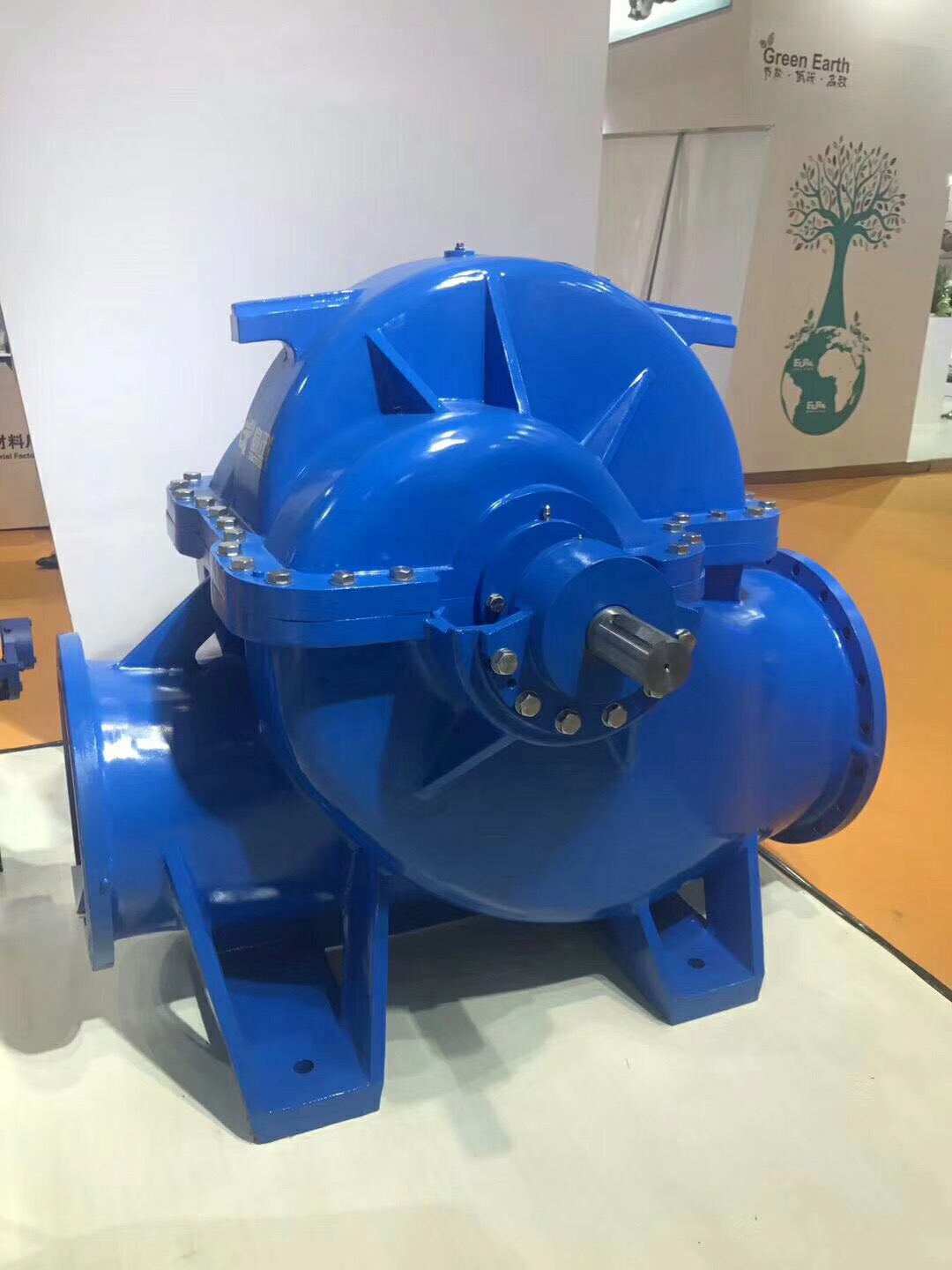
Submersible pumps are centrifugal pumps specifically designed to operate while fully submerged in the fluid they are pumping. They represent a critical component in a wide array of industrial applications, including wastewater treatment, dewatering construction sites, oil and gas extraction, and mining operations. Unlike surface pumps which rely on suction, submersible pumps utilize positive displacement, directly pushing the fluid to the surface. This eliminates the need for priming and avoids cavitation issues common in suction lift applications. Their technical positioning within the industry chain places them as a final stage fluid handling device, immediately following initial extraction, processing, or collection phases. Core performance characteristics are defined by flow rate (measured in gallons per minute or cubic meters per hour), head (the maximum height the pump can lift the fluid, measured in feet or meters), and power consumption (typically expressed in horsepower or kilowatts). Selection hinges on matching these parameters to the specific system demands, alongside considerations of fluid composition and particulate content.
Material Science & Manufacturing
The construction of a submersible pump necessitates materials capable of withstanding harsh environments and continuous immersion. Pump housings are frequently manufactured from cast iron (ASTM A48 Class 30), stainless steel (304, 316, or duplex grades depending on fluid corrosivity - ASTM A240), or engineered polymers (Polypropylene, PVDF). Impellers, responsible for imparting kinetic energy to the fluid, are commonly constructed from abrasion-resistant materials such as high-chrome cast iron, stainless steel, or ceramic composites. Shafts utilize alloy steels (4140, 4340 – ASTM A370) for their high tensile strength and resistance to torsional stress. Manufacturing processes vary depending on component complexity. Housings are typically created through sand casting or investment casting, ensuring dimensional accuracy and internal smoothness. Impellers are often produced via centrifugal casting or machining from solid billets. A crucial manufacturing step is the sealing system, employing mechanical seals (rotating and stationary faces – API 682 standards) comprised of silicon carbide, tungsten carbide, or ceramic materials to prevent fluid leakage and ingress. Parameter control during manufacturing focuses on maintaining tight tolerances on impeller balance (to minimize vibration), housing wall thickness (to withstand hydrostatic pressure), and seal surface finish (to ensure effective sealing). Weld procedures (AWS D1.1 for steel) must be rigorously controlled to prevent porosity and cracking. Cable entry points require specialized epoxy encapsulation to maintain watertight integrity.
Performance & Engineering
The performance of a submersible pump is governed by fundamental fluid dynamics principles. Force analysis centers on hydraulic thrust generated by the impeller, which must be counteracted by bearing support (typically using deep groove ball bearings or tapered roller bearings – ISO 281). Environmental resistance is paramount; pumps operating in corrosive fluids require careful material selection and potentially cathodic protection (sacrificial anodes or impressed current systems - NACE SP0169). Compliance requirements vary by region and application. Wastewater pumps must meet stringent efficiency standards (e.g., Department of Energy regulations in the US) and may require certification for handling solids (National Sanitation Foundation – NSF/ANSI 61). Oil and gas pumps must adhere to explosion-proof standards (ATEX, IECEx) to prevent ignition of flammable hydrocarbons. Functional implementation requires careful consideration of the pumping system’s static and dynamic head. Static head is the vertical distance the fluid must be lifted, while dynamic head accounts for friction losses in the piping and fittings. Pump curves (performance characteristics plotted against flow rate and head) are essential for selecting the appropriate pump size and predicting system performance. Variable Frequency Drives (VFDs) are increasingly used to optimize pump speed and energy consumption based on real-time demand.
Technical Specifications
| Parameter | Unit | Typical Range (Small Submersible Pump) | Typical Range (Large Submersible Pump) |
|---|---|---|---|
| Flow Rate | GPM (Gallons per Minute) | 10-100 | 500-5000 |
| Head | ft (Feet) | 20-100 | 200-1000 |
| Power | HP (Horsepower) | 0.5-5 | 50-500 |
| Impeller Diameter | in (Inches) | 2-6 | 10-24 |
| Maximum Solids Handling | in (Inches) | 0.125-0.5 | 1-4 |
| Cable Length | ft (Feet) | 20-50 | 100-500 |
Failure Mode & Maintenance
Submersible pumps are susceptible to several failure modes. Fatigue cracking in the impeller or housing can occur due to cyclic loading and stress concentration. Cavitation, caused by vapor bubbles collapsing within the pump, can erode impeller surfaces and reduce performance. Delamination of the cable insulation can lead to short circuits and pump failure. Mechanical seal failure allows fluid ingress, causing corrosion and bearing damage. Abrasion from suspended solids accelerates wear on impellers and internal components. Oxidation and corrosion of metallic parts, especially in aggressive fluids, reduces structural integrity. Preventative maintenance is crucial. Regular inspection of the power cable and seals is paramount. Monitoring pump vibration (ISO 10816) can detect bearing wear or impeller imbalance. Periodic analysis of the pumped fluid can identify abrasive particles or corrosive compounds. Scheduled oil changes (for oil-lubricated bearings) and seal replacement are essential. In case of failure, a thorough failure analysis (Root Cause Analysis - RCA) should be conducted to determine the root cause and prevent recurrence. This involves visual inspection, non-destructive testing (NDT – e.g., ultrasonic testing, radiography), and potentially metallurgical analysis of failed components.
Industry FAQ
Q: What is the impact of fluid viscosity on submersible pump performance?
A: Increased fluid viscosity significantly reduces pump efficiency and flow rate. Higher viscosity increases frictional losses within the pump and piping system, requiring more power to achieve the same head. Pump selection for viscous fluids necessitates derating the pump's performance curves and potentially choosing a larger pump or a positive displacement pump.
Q: How do you mitigate the risk of sand ingress damaging a submersible pump?
A: Sand ingress is a common issue in many applications. Using pumps designed with hardened impellers and wear plates is crucial. Implementing intake screens or filters can remove larger particles. Consider a pump with a larger impeller clearance to allow sand to pass through without causing immediate damage. Regular monitoring of pump performance can indicate increased wear due to abrasion.
Q: What are the key considerations for selecting a submersible pump cable?
A: The cable must be rated for continuous submersion and the specific fluid being pumped. It should be resistant to abrasion, chemical attack, and UV degradation. Cable size must be adequate to handle the pump's current draw and voltage drop. Consider using a sealed cable entry point to prevent water ingress and corrosion.
Q: Can submersible pumps be used for pumping fluids with high gas content?
A: Pumping fluids with high gas content can lead to gas locking, where gas accumulates in the impeller, reducing pump efficiency and potentially causing damage. Specialized pumps designed for gas-laden fluids, often incorporating gas separators, are required. Careful consideration of the gas-liquid ratio is essential.
Q: What are the benefits of using a VFD with a submersible pump?
A: VFDs allow for precise control of pump speed, optimizing energy consumption and reducing wear and tear. They can also prevent water hammer and extend pump life. VFDs are particularly beneficial in applications with variable flow demands.
Conclusion
Submersible pumps represent a robust and versatile solution for a multitude of fluid handling challenges. Their inherent design advantages – eliminating priming requirements and minimizing cavitation risk – contribute to reliable operation in demanding environments. Careful material selection, adherence to stringent manufacturing standards, and a proactive maintenance strategy are paramount to ensuring longevity and optimal performance.
The ongoing development of advanced materials, improved sealing technologies, and sophisticated control systems (such as intelligent pump monitoring and diagnostic tools) will continue to enhance the efficiency, reliability, and lifespan of submersible pumps. Future trends include increased integration with IIoT (Industrial Internet of Things) platforms for predictive maintenance and remote monitoring, as well as the development of pumps specifically tailored for emerging applications like geothermal energy extraction and carbon capture.
-
Comprehensive Guide to Waterproof ORings for Optimal Sealing Solutions
News2026-06-09
-
submergable pump Material Science
News2026-06-23
-
sewer injection pump Performance Engineering
News2026-06-23
-
Sewer Ejector Pump System Performance Analysis
News2026-06-23
-
septic tank pump for sale Performance Engineering
News2026-06-23
-
septic pump for sale Performance Engineering
News2026-06-23
-
septic ejector system Performance Analysis
News2026-06-22
-
replace septic pump Performance Analysis
News2026-06-22
-
pump system septic tank Performance Analysis
News2026-06-22
-
lift pump for sewer Performance and Engineering
News2026-06-22
-
industrial submersible water pump Material Science
News2026-06-22
-
industrial submersible pumps Material Science and Manufacturing
News2026-06-21
-
best sewer ejector pump Performance Analysis
News2026-06-21
-
best septic pump Performance Analysis
News2026-06-21
-
1 2 hp septic pump Performance Engineering
News2026-06-21




