English
- Afrikaans
- Albanian
- Amharic
- Arabic
- Armenian
- Azerbaijani
- Basque
- Belarusian
- Bengali
- Bosnian
- Bulgarian
- Catalan
- Cebuano
- Corsican
- Croatian
- Czech
- Danish
- Dutch
- English
- Esperanto
- Estonian
- Finnish
- French
- Frisian
- Galician
- Georgian
- German
- Greek
- Gujarati
- Haitian Creole
- hausa
- hawaiian
- Hebrew
- Hindi
- Miao
- Hungarian
- Icelandic
- igbo
- Indonesian
- irish
- Italian
- Japanese
- Javanese
- Kannada
- kazakh
- Khmer
- Rwandese
- Korean
- Kurdish
- Kyrgyz
- Lao
- Latin
- Latvian
- Lithuanian
- Luxembourgish
- Macedonian
- Malgashi
- Malay
- Malayalam
- Maltese
- Maori
- Marathi
- Mongolian
- Myanmar
- Nepali
- Norwegian
- Norwegian
- Occitan
- Pashto
- Persian
- Polish
- Portuguese
- Punjabi
- Romanian
- Russian
- Samoan
- Scottish Gaelic
- Serbian
- Sesotho
- Shona
- Sindhi
- Sinhala
- Slovak
- Slovenian
- Somali
- Spanish
- Sundanese
- Swahili
- Swedish
- Tagalog
- Tajik
- Tamil
- Tatar
- Telugu
- Thai
- Turkish
- Turkmen
- Ukrainian
- Urdu
- Uighur
- Uzbek
- Vietnamese
- Welsh
- Bantu
- Yiddish
- Yoruba
- Zulu

Telephone: +86 13120555503
Email: frank@cypump.com


Apr . 01, 2024 17:55 Back to list
submersible pump for sewage treatment plant Performance Analysis
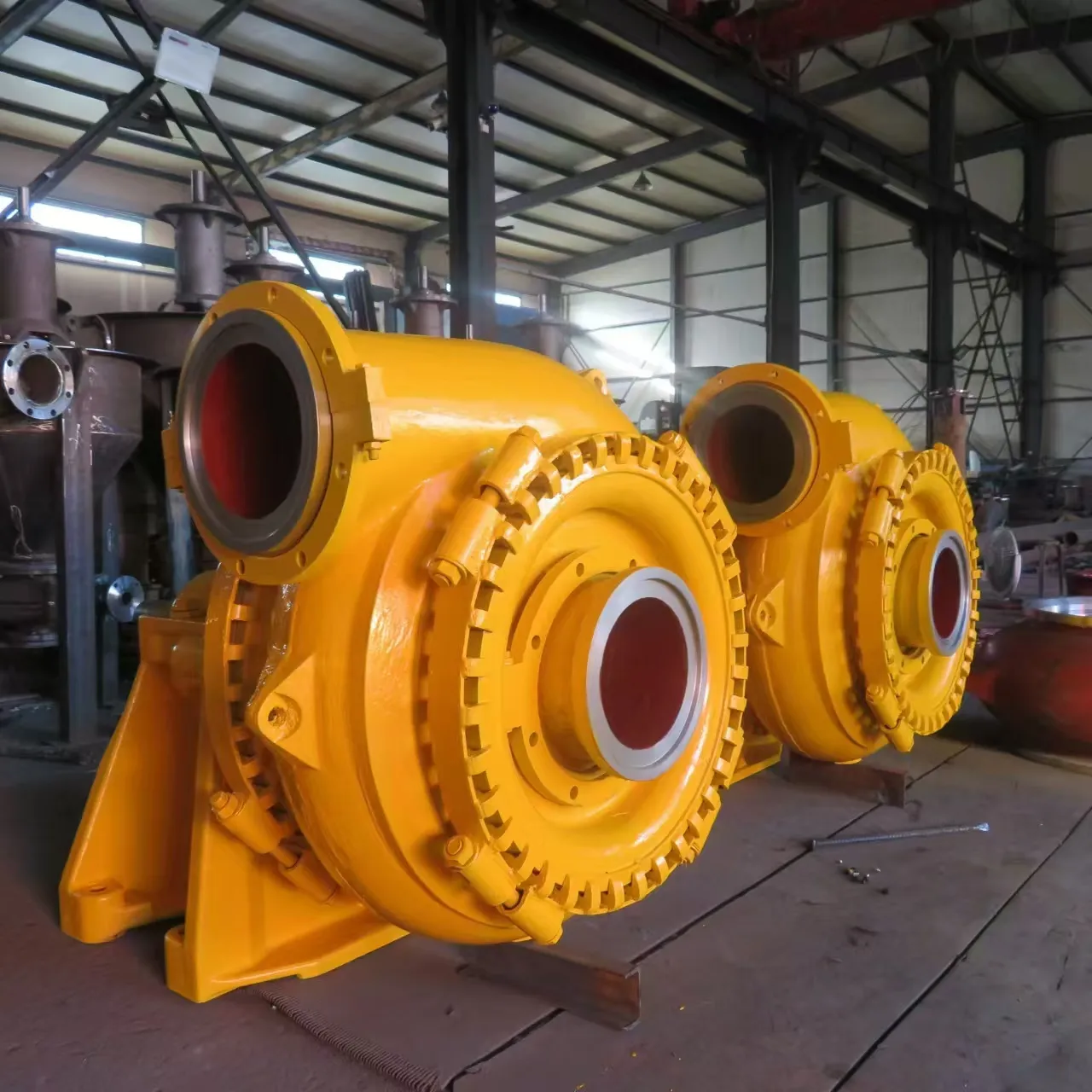
Introduction
Submersible pumps for sewage treatment plants are critical components within wastewater management infrastructure. These pumps are designed to operate while fully submerged in sewage, providing efficient and reliable removal of wastewater from collection systems to treatment facilities. Unlike surface-mounted pumps, submersible designs eliminate the need for priming and reduce the risk of cavitation. Their technical positioning within the industry chain is primarily as the core hydraulic component of a lift station, transferring sewage against gravity to higher elevations or across long distances. Core performance characteristics are defined by flow rate (typically measured in gallons per minute or cubic meters per hour), total dynamic head (TDH, the maximum height the pump can lift the fluid), solids handling capability (influenced by impeller design), and energy efficiency, which is increasingly important for operational cost reduction and sustainability goals. A significant industry pain point is pump failure due to abrasive solids, corrosion, and clogging, leading to costly downtime and maintenance. This guide will delve into the material science, manufacturing, performance, failure modes, and relevant standards for these vital pieces of equipment.
Material Science & Manufacturing
The construction of submersible sewage pumps necessitates materials resistant to corrosive fluids and abrasive solids. Pump housings are commonly manufactured from cast iron (ASTM A48 Class 30), ductile iron (ASTM A536 Grade 65-45-12), or stainless steel (typically 304 or 316 for enhanced corrosion resistance). Impellers, the rotating component responsible for fluid movement, utilize high-chrome cast iron, hardened stainless steel, or advanced polymer materials (such as those reinforced with glass fibers) to withstand abrasion. Shafts are typically made from 4140 alloy steel, heat-treated for high tensile strength and wear resistance. Seals are a critical component, often employing silicon carbide faces with Viton or EPDM elastomers for chemical compatibility. Manufacturing processes involve several key stages. Casting forms the basic housing and impeller shapes. Machining ensures dimensional accuracy and smooth surface finishes. Welding is used to assemble complex components. For stainless steel components, precision investment casting is favored. Impeller balancing is critical to minimize vibration and extend pump life. Motor housings are often constructed from cast iron or stainless steel, encapsulating a submerged electric motor. Cable entry points require robust sealing to prevent water ingress. Quality control throughout the manufacturing process, including non-destructive testing (NDT) like radiographic inspection, is vital for ensuring product reliability. Parameter control during casting (temperature, cooling rate), machining (tolerances), and welding (penetration, heat input) directly impacts the pump's performance and longevity.
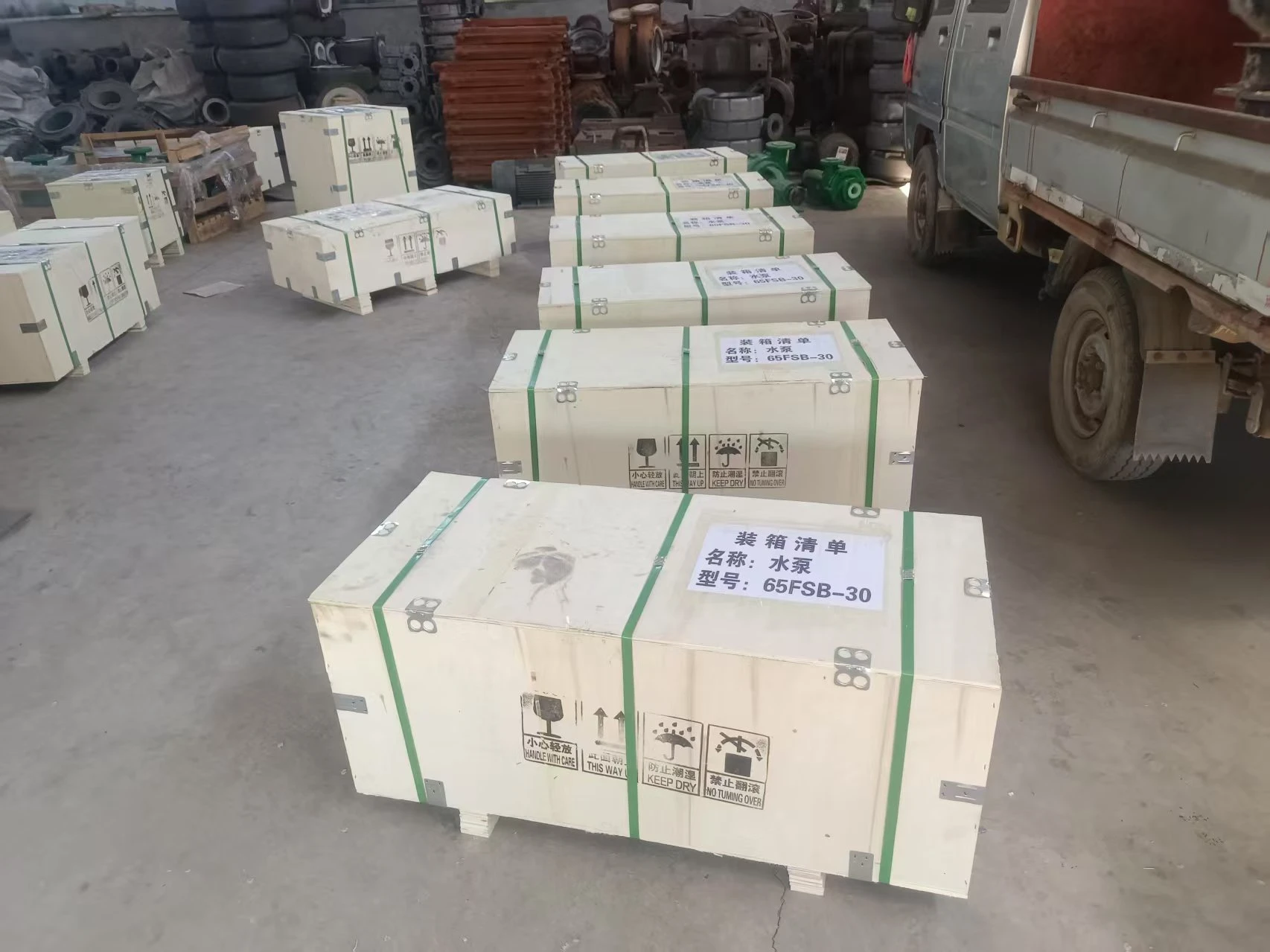
Performance & Engineering
Performance analysis of submersible sewage pumps centers on hydraulic efficiency, pump curve characteristics, and motor power requirements. Force analysis considers static forces (weight of the pump), dynamic forces (due to impeller rotation and fluid inertia), and external forces (cable tension, pipe stress). The pump curve plots flow rate versus TDH, demonstrating the pump's operating range. Selecting a pump requires matching the curve to the system requirements. Environmental resistance is crucial, including resistance to hydrogen sulfide (H2S) corrosion, which is common in sewage applications. Coatings like epoxy or polyurethane are frequently applied to protect metal surfaces. Compliance requirements include adherence to National Electrical Manufacturers Association (NEMA) standards for motor construction and safety, as well as hydraulic institute (HI) standards for pump performance testing. Functional implementation details involve consideration of pump installation orientation (vertical or horizontal), suction inlet design to prevent clogging, and discharge pipe sizing to minimize friction losses. The impeller design – radial, mixed flow, or vortex – significantly impacts solids handling capability. Vortex impellers are best suited for handling large solids, while radial impellers offer higher efficiency for cleaner fluids. Motor selection must account for the required power output, voltage, and phase, ensuring compatibility with the electrical supply. Proper pump control systems (variable frequency drives - VFDs) can optimize energy consumption and protect the pump from overload.
Technical Specifications
| Parameter | Unit | Typical Range | Test Standard |
|---|---|---|---|
| Flow Rate | Gallons Per Minute (GPM) | 50 - 5000 | HI 1.6 |
| Total Dynamic Head (TDH) | Feet | 20 - 200 | HI 1.6 |
| Motor Power | Horsepower (HP) | 1 - 200 | NEMA MG 1 |
| Solids Handling Capability | Inches | Up to 4 | Manufacturer's Specification |
| Maximum Submergence Depth | Feet | Up to 100 | Manufacturer's Specification |
| Operating Temperature | °F | 33 – 95 | Manufacturer's Specification |
Failure Mode & Maintenance
Submersible sewage pumps are susceptible to several failure modes. Fatigue cracking in the impeller or pump housing can occur due to cyclical loading. Delamination of protective coatings can accelerate corrosion. Degradation of rubber components (seals, elastomers) leads to leakage. Oxidation of metal components weakens structural integrity. Clogging is a frequent issue, reducing pump efficiency and potentially causing motor overload. Abrasive wear, caused by solids in the sewage, erodes impeller vanes and pump housing surfaces. Failure analysis typically involves visual inspection, non-destructive testing (ultrasonic testing, dye penetrant inspection), and metallurgical analysis. Professional maintenance solutions include regular impeller inspection and replacement, seal replacement, bearing lubrication, and motor winding insulation testing. Preventative maintenance programs should include periodic cleaning of the pump intake screen to prevent clogging. Implementing a vibration monitoring program can detect early signs of bearing wear or impeller imbalance. Proper storage of spare parts is essential for minimizing downtime. Avoiding dry-running the pump is critical, as this can rapidly damage the seals and motor. Periodic assessment of the pump’s electrical connections and cable integrity is crucial for preventing electrical failures. Maintaining detailed maintenance records facilitates proactive troubleshooting and extends pump lifespan.
Industry FAQ
Q: What is the impact of hydrogen sulfide (H2S) on submersible pump lifespan?
A: Hydrogen sulfide is a corrosive gas commonly found in sewage systems. It reacts with metal surfaces, particularly cast iron and steel, causing significant corrosion. This corrosion weakens the pump housing and impeller, leading to premature failure. Mitigation strategies include using corrosion-resistant materials (stainless steel, epoxy coatings), implementing H2S control measures in the sewage system (chemical addition, odor control systems), and regularly inspecting pump components for signs of corrosion.
Q: How do I select the correct pump size for my application?
A: Pump selection requires careful consideration of several factors. First, determine the maximum flow rate and total dynamic head (TDH) required for the system. Consider the elevation difference, pipe length, and friction losses. Then, select a pump whose performance curve matches these requirements. Also, consider the solids handling capability needed based on the characteristics of the sewage. It's crucial to avoid over-sizing or under-sizing the pump, as both scenarios can lead to inefficiencies or failures.
Q: What are the advantages of using a variable frequency drive (VFD) with a submersible pump?
A: VFDs offer several benefits. They allow for precise control of pump speed, enabling optimization of flow rate to match demand. This reduces energy consumption and extends pump life. VFDs also provide soft starting, which minimizes stress on the pump and electrical system. They offer protection against overload and dry-running conditions. Overall, VFDs improve pump efficiency and reliability.
Q: How often should I inspect the pump seals?
A: Seal inspection frequency depends on the operating conditions and sewage composition. Generally, seals should be inspected at least annually, and more frequently in abrasive or corrosive environments. Look for signs of wear, cracking, or leakage. Regular seal replacement is crucial for preventing water ingress and maintaining pump efficiency.
Q: What are the common causes of pump clogging?
A: Common causes include rags, plastics, wipes, and other non-biodegradable materials. Proper screening upstream of the pump is essential for preventing clogging. Regular cleaning of the pump intake screen is also crucial. Using a pump with a vortex impeller can help handle stringy materials more effectively. Consider implementing public education programs to discourage the flushing of inappropriate items into the sewage system.
Conclusion
Submersible pumps for sewage treatment plants represent a critical infrastructure component, requiring careful consideration of material science, manufacturing processes, and performance characteristics. The selection and maintenance of these pumps are directly linked to the efficient and reliable operation of wastewater treatment facilities. Addressing industry pain points like corrosion, abrasion, and clogging through appropriate material choices, preventative maintenance programs, and advanced control systems (VFDs) is paramount for minimizing downtime and optimizing operational costs.
The future of submersible pump technology will likely focus on further advancements in materials science (e.g., self-healing polymers), improved impeller designs for enhanced solids handling, and the integration of smart sensors for predictive maintenance. Adherence to relevant international standards (detailed below) remains crucial for ensuring product quality, safety, and interoperability. Continuous monitoring of emerging technologies and best practices will be vital for maintaining a sustainable and efficient wastewater management infrastructure.
-
submersible pump for sewage treatment plant Performance Analysis
News2026-06-01
-
single phase sewage submersible pump Material Science Manufacturing
News2026-06-01
-
sewage water submersible pump Material Science Manufacturing
News2026-06-01
-
Sewage Submersible Pump Price List Performance Analysis
News2026-06-01
-
sewage submersible pump 3hp Performance Analysis
News2026-06-01
-
submersible effluent sewage pump Performance Analysis
News2026-05-31
-
stainless steel submersible sewage pumps Performance Engineering
News2026-05-31
-
stainless steel submersible sewage pump Material Science Manufacturing
News2026-05-31
-
Sewage Submersible Pump Installation Performance Analysis
News2026-05-31
-
sewage submersible pump 2hp Performance Analysis
News2026-05-31
-
sewage submersible pump 1hp Performance Analysis
News2026-05-30
-
1 hp sewage submersible pump Performance Analysis
News2026-05-30
-
waste pump for basement bathroom Performance and Engineering
News2026-05-30
-
Sump Pump Drain Field Performance Analysis
News2026-05-30
-
small sewage pump Performance Analysis
News2026-05-30




