English
- Afrikaans
- Albanian
- Amharic
- Arabic
- Armenian
- Azerbaijani
- Basque
- Belarusian
- Bengali
- Bosnian
- Bulgarian
- Catalan
- Cebuano
- Corsican
- Croatian
- Czech
- Danish
- Dutch
- English
- Esperanto
- Estonian
- Finnish
- French
- Frisian
- Galician
- Georgian
- German
- Greek
- Gujarati
- Haitian Creole
- hausa
- hawaiian
- Hebrew
- Hindi
- Miao
- Hungarian
- Icelandic
- igbo
- Indonesian
- irish
- Italian
- Japanese
- Javanese
- Kannada
- kazakh
- Khmer
- Rwandese
- Korean
- Kurdish
- Kyrgyz
- Lao
- Latin
- Latvian
- Lithuanian
- Luxembourgish
- Macedonian
- Malgashi
- Malay
- Malayalam
- Maltese
- Maori
- Marathi
- Mongolian
- Myanmar
- Nepali
- Norwegian
- Norwegian
- Occitan
- Pashto
- Persian
- Polish
- Portuguese
- Punjabi
- Romanian
- Russian
- Samoan
- Scottish Gaelic
- Serbian
- Sesotho
- Shona
- Sindhi
- Sinhala
- Slovak
- Slovenian
- Somali
- Spanish
- Sundanese
- Swahili
- Swedish
- Tagalog
- Tajik
- Tamil
- Tatar
- Telugu
- Thai
- Turkish
- Turkmen
- Ukrainian
- Urdu
- Uighur
- Uzbek
- Vietnamese
- Welsh
- Bantu
- Yiddish
- Yoruba
- Zulu

Telephone: +86 13120555503
Email: frank@cypump.com


Apr . 01, 2024 17:55 Back to list
submersible nonclog sewage pump Material Science Manufacturing
Introduction
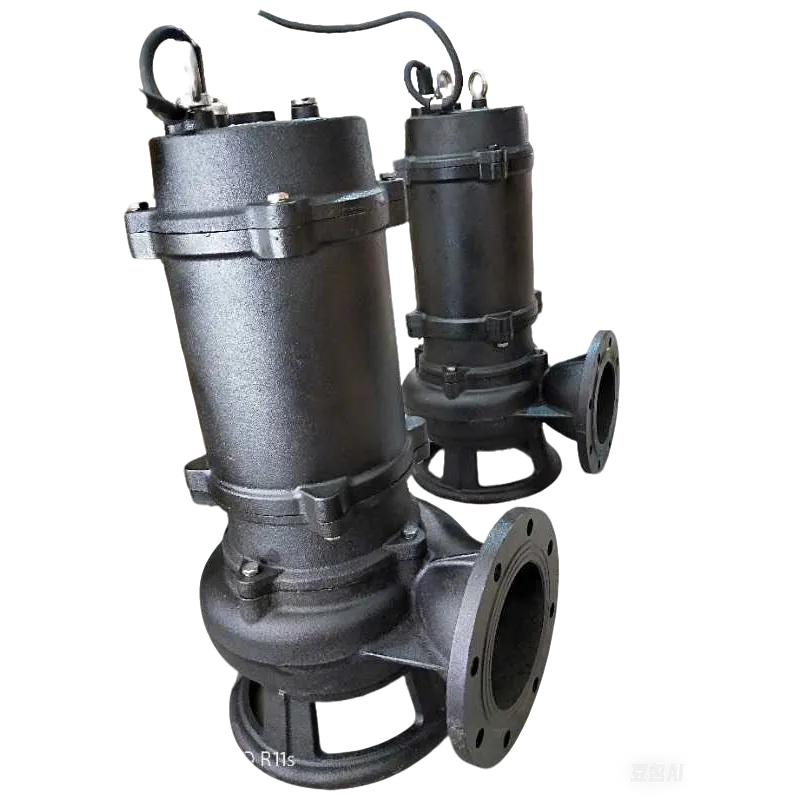
Submersible non-clog sewage pumps are centrifugal pumps specifically designed for the efficient transfer of wastewater containing solids. Positioned within the municipal and industrial wastewater treatment chain, these pumps serve as critical components in lift stations, sewage treatment plants, and various industrial processes. Unlike conventional sewage pumps, non-clog designs incorporate impeller geometries engineered to handle fibrous materials, rags, and large solids without blockage or degradation in performance. Their fully submersible construction negates the need for priming and offers operational advantages in confined spaces or locations prone to flooding. Core performance indicators include flow rate (typically measured in gallons per minute or cubic meters per hour), total dynamic head (TDH – the height the pump can lift the fluid), solids handling capability (expressed in diameter or as a percentage of pipe size), and power consumption. The demand for these pumps stems from increasing urbanization, stricter environmental regulations regarding wastewater discharge, and the need for reliable, low-maintenance solutions in wastewater management.
Material Science & Manufacturing
The construction of submersible non-clog sewage pumps necessitates careful material selection to withstand the corrosive and abrasive nature of wastewater. Pump casings are commonly manufactured from ductile iron (ASTM A536-83) due to its high tensile strength, impact resistance, and inherent corrosion resistance. However, for particularly aggressive environments, stainless steel (typically 316 or duplex stainless steel – ASTM A966) is employed, offering superior resistance to chlorides and sulfides. Impellers are often made from high-chrome cast iron (ASTM A532 Grade 3) which provides excellent abrasion resistance, critical for handling solids-laden fluids. Shafts are typically constructed from 4140 alloy steel, heat-treated to achieve high yield strength and torsional rigidity. Seals are a crucial element, commonly utilizing silicon carbide-versus-silicon carbide (SiC/SiC) mechanical seals due to their exceptional wear resistance and chemical compatibility with various wastewater compositions. The manufacturing process typically involves sand casting for the casing and impeller, followed by precision machining to ensure dimensional accuracy and smooth fluid flow. Welding processes, such as shielded metal arc welding (SMAW) or gas tungsten arc welding (GTAW), are utilized for joining components, requiring rigorous quality control to prevent porosity and ensure structural integrity. Motor housings utilize cast iron or stainless steel, with windings encapsulated in epoxy resin for moisture protection. Parameter control during manufacturing focuses on impeller balance (to minimize vibration), seal alignment (to prevent leakage), and coating application (epoxy or ceramic coatings to enhance corrosion resistance).
Performance & Engineering
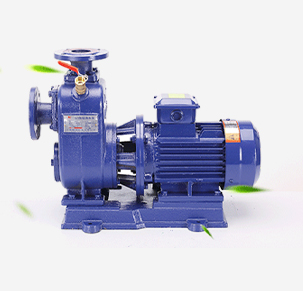
Performance of submersible non-clog sewage pumps is governed by hydraulic principles and meticulous engineering design. The impeller geometry – typically a recessed or vortex impeller – dictates the pump’s solids handling capability and efficiency. Recessed impellers are more efficient for clean liquids but are less capable of handling large solids. Vortex impellers, while less efficient, excel at passing large, stringy materials. Force analysis considers centrifugal forces generated by the rotating impeller, as well as hydraulic forces acting on the impeller vanes. These forces are critical in determining shaft loading and bearing life. Environmental resistance is a key consideration, necessitating robust sealing systems to prevent water ingress and protect the motor. The pump’s electrical components must be adequately insulated and sealed to withstand submersion and potential exposure to corrosive gases. Compliance requirements vary by region but generally adhere to standards such as UL 778 (USA), CE Marking (Europe), and CSA C22.2 No. 108 (Canada). Functional implementation involves careful selection of motor horsepower based on the required TDH and flow rate. Variable frequency drives (VFDs) are increasingly utilized to optimize pump performance and reduce energy consumption by adjusting motor speed to match flow demands. System curves (pump performance curves) are essential for matching the pump to the specific system requirements, ensuring efficient and reliable operation. Proper pipe sizing and minimizing head loss are crucial for achieving optimal performance.
Technical Specifications
| Parameter | Unit | Typical Range | Testing Standard |
|---|---|---|---|
| Flow Rate | GPM (US) | 50 – 5000 | ANSI/HI 1.1 |
| Total Dynamic Head (TDH) | ft | 20 – 200 | ANSI/HI 1.1 |
| Motor Power | HP | 1 – 200 | NEMA MG 1 |
| Solids Handling Capability | in | Up to 4 | Internal Testing (Manufacturer Specific) |
| Maximum Submergence | ft | Up to 100 | Internal Testing (Manufacturer Specific) |
| Ambient Temperature Range | °F | 32 – 104 | IEC 60034-1 |
Failure Mode & Maintenance
Submersible non-clog sewage pumps are susceptible to several failure modes. Fatigue cracking in the pump casing or impeller can occur due to cyclical stress from fluid flow and solids impact. Delamination of epoxy coatings, particularly on impellers, can lead to increased corrosion and erosion. Seal failure is a common issue, often resulting from abrasive solids wearing down the seal faces or chemical attack degrading the seal materials. Motor winding failure can occur due to overheating, moisture ingress, or electrical surges. Bearing failure is typically caused by inadequate lubrication, excessive loads, or contamination. Oxidation and corrosion of metallic components, especially in aggressive wastewater environments, can also lead to component degradation. Preventative maintenance is crucial. This includes regular inspection of seals for wear and leakage, monitoring motor current and temperature, lubricating bearings according to manufacturer recommendations, and periodically cleaning the pump intake to remove debris. Scheduled impeller inspection and coating repair are essential for maintaining pump efficiency and preventing corrosion. When failure occurs, thorough failure analysis should be conducted to determine the root cause and prevent recurrence. This often involves metallurgical examination, coating analysis, and review of operational data.
Industry FAQ
Q: What is the key difference between a vortex impeller and a recessed impeller in a non-clog sewage pump, and how does that affect application selection?
A: Vortex impellers utilize a rotating shroud that creates a swirling action to draw fluid into the pump center. This design excels at handling large, stringy solids as they are not forced through narrow passages. However, this results in lower hydraulic efficiency. Recessed impellers have a more conventional design with vanes that directly pump the fluid. They are more efficient for clean or minimally contaminated fluids but are prone to clogging with larger solids. Vortex impellers are ideal for applications with consistently high solids content, while recessed impellers are better suited for applications where solids loading is lower and efficiency is prioritized.
Q: How does the choice of seal material (e.g., SiC/SiC vs. rubber) impact pump lifespan in a specific wastewater application?
A: Rubber seals are less expensive but have limited resistance to abrasion and chemical attack. They are suitable for relatively clean wastewater with minimal solids. Silicon carbide-versus-silicon carbide (SiC/SiC) mechanical seals offer significantly superior wear resistance and chemical compatibility, extending pump lifespan considerably in abrasive and corrosive environments. While more costly upfront, the reduced maintenance and longer operational life of SiC/SiC seals often provide a lower total cost of ownership.
Q: What are the typical power consumption considerations when selecting a submersible non-clog sewage pump?
A: Power consumption is directly related to the pump’s horsepower (HP) and operating hours. Oversizing the pump (selecting a higher HP than necessary) leads to wasted energy and increased operating costs. Undersizing results in reduced flow and potential pump overload. Using a variable frequency drive (VFD) allows for speed control, matching pump output to demand and significantly reducing energy consumption during periods of low flow. Life cycle cost analysis, including energy costs, should be considered when selecting a pump.
Q: What are the common causes of motor failure in submersible pumps, and how can these be mitigated?
A: Common motor failures include overheating due to inadequate cooling, moisture ingress leading to winding insulation breakdown, and electrical surges. Mitigation strategies include ensuring proper pump submergence for cooling, using high-quality seals to prevent water intrusion, and implementing surge protection devices. Regular monitoring of motor current and temperature can also provide early warning signs of potential issues.
Q: What are the recommended maintenance intervals for a submersible non-clog sewage pump operating continuously in a lift station?
A: Recommended maintenance intervals depend on the specific application and wastewater characteristics. However, a typical schedule includes monthly visual inspections for leaks and unusual noises, quarterly seal checks, annual bearing lubrication (if applicable), and bi-annual impeller inspections for wear or coating damage. Regular monitoring of pump performance data (flow rate, current draw, TDH) is also crucial for identifying potential problems early on.
Conclusion
Submersible non-clog sewage pumps represent a crucial technology in modern wastewater management. Their specialized design, employing robust materials and engineered impeller geometries, allows for reliable transfer of solids-laden fluids in challenging environments. Understanding the core performance parameters, failure modes, and appropriate maintenance protocols is paramount for ensuring long-term operational efficiency and minimizing life-cycle costs.
Future advancements in this technology are likely to focus on enhanced materials offering even greater corrosion resistance, improved impeller designs for increased efficiency and solids handling, and integration of smart sensors and predictive maintenance algorithms to optimize performance and reduce downtime. Selecting the appropriate pump configuration, coupled with a proactive maintenance strategy, is critical for addressing the evolving demands of wastewater treatment facilities and industrial applications.
-
pipe type non clogging sewage pump Performance Analysis
News2026-06-03
-
submersible nonclog sewage pump Material Science Manufacturing
News2026-06-03
-
nonclog sewage submersible pump Performance Analysis
News2026-06-03
-
non clog sewage submersible pump Performance Analysis
News2026-06-03
-
non clog sewage pump Performance Analysis
News2026-06-03
-
sand gravel pump Performance Analysis
News2026-06-02
-
sand and gravel dredge pumps Performance Analysis
News2026-06-02
-
terapump aquarium gravel sand bpafree pump Performance Analysis
News2026-06-02
-
sand and gravel pump Material Science Manufacturing
News2026-06-02
-
air pump sand and gravel Performance Analysis
News2026-06-02
-
submersible pump for sewage treatment plant Performance Analysis
News2026-06-01
-
single phase sewage submersible pump Material Science Manufacturing
News2026-06-01
-
sewage water submersible pump Material Science Manufacturing
News2026-06-01
-
Sewage Submersible Pump Price List Performance Analysis
News2026-06-01
-
sewage submersible pump 3hp Performance Analysis
News2026-06-01




