English
- Afrikaans
- Albanian
- Amharic
- Arabic
- Armenian
- Azerbaijani
- Basque
- Belarusian
- Bengali
- Bosnian
- Bulgarian
- Catalan
- Cebuano
- Corsican
- Croatian
- Czech
- Danish
- Dutch
- English
- Esperanto
- Estonian
- Finnish
- French
- Frisian
- Galician
- Georgian
- German
- Greek
- Gujarati
- Haitian Creole
- hausa
- hawaiian
- Hebrew
- Hindi
- Miao
- Hungarian
- Icelandic
- igbo
- Indonesian
- irish
- Italian
- Japanese
- Javanese
- Kannada
- kazakh
- Khmer
- Rwandese
- Korean
- Kurdish
- Kyrgyz
- Lao
- Latin
- Latvian
- Lithuanian
- Luxembourgish
- Macedonian
- Malgashi
- Malay
- Malayalam
- Maltese
- Maori
- Marathi
- Mongolian
- Myanmar
- Nepali
- Norwegian
- Norwegian
- Occitan
- Pashto
- Persian
- Polish
- Portuguese
- Punjabi
- Romanian
- Russian
- Samoan
- Scottish Gaelic
- Serbian
- Sesotho
- Shona
- Sindhi
- Sinhala
- Slovak
- Slovenian
- Somali
- Spanish
- Sundanese
- Swahili
- Swedish
- Tagalog
- Tajik
- Tamil
- Tatar
- Telugu
- Thai
- Turkish
- Turkmen
- Ukrainian
- Urdu
- Uighur
- Uzbek
- Vietnamese
- Welsh
- Bantu
- Yiddish
- Yoruba
- Zulu

Telephone: +86 13120555503
Email: frank@cypump.com


Apr . 01, 2024 17:55 Back to list
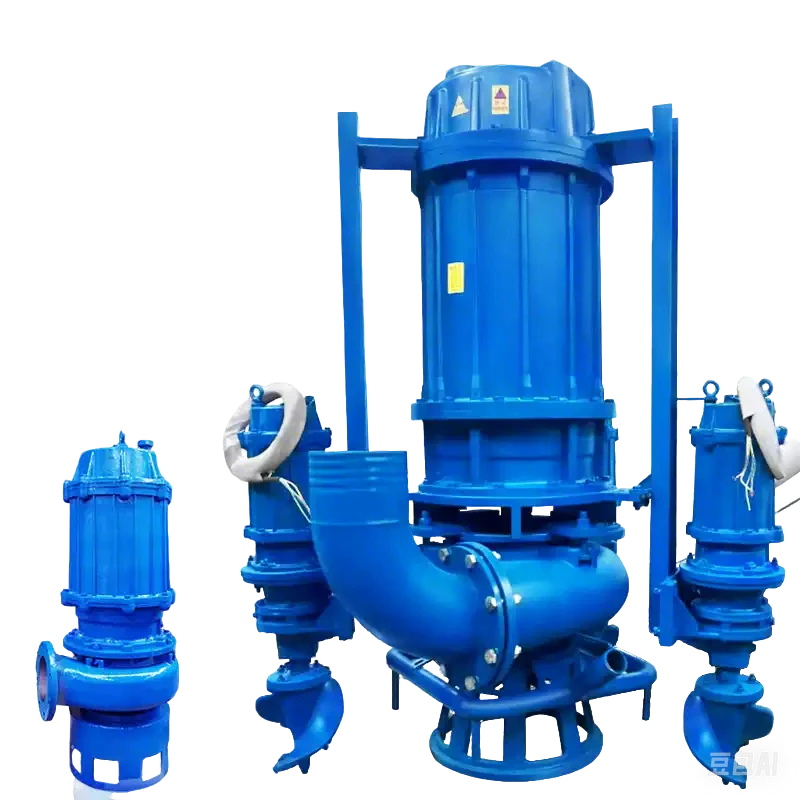
submersible mixedflow pumps an indepth overview and performance analysis
Introduction
Submersible mixed-flow pumps are a crucial component in a wide range of industrial and municipal applications, including wastewater treatment, drainage, irrigation, and dewatering. Positioned within the industry chain between motor manufacturers, impeller designers, and system integrators, these pumps offer a balance between the head (pressure) and flow rate characteristics of radial and axial flow pumps. Unlike centrifugal pumps which rely primarily on radial flow, mixed-flow pumps utilize both radial and axial components, resulting in higher flow rates for a given impeller diameter and improved efficiency compared to purely radial designs. Core performance indicators include hydraulic efficiency, head-flow curve characteristics, Net Positive Suction Head Required (NPSHr), and the ability to handle solids. The growing demand for efficient and reliable water and wastewater management systems drives continuous innovation in this sector, focusing on materials, hydraulic design, and motor technology to address challenges related to abrasion, corrosion, and energy consumption.
Material Science & Manufacturing
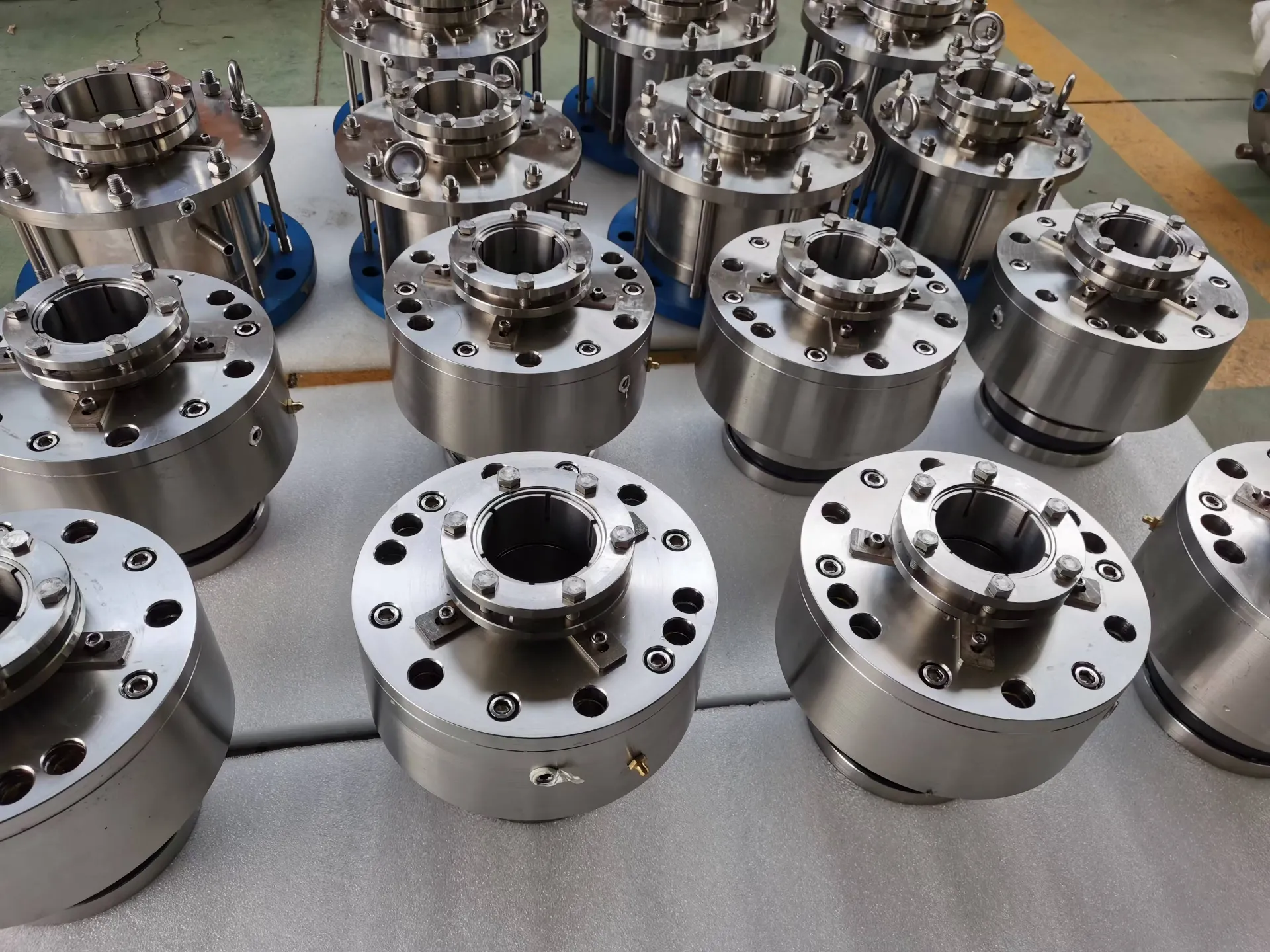
The construction of submersible mixed-flow pumps necessitates careful material selection and precise manufacturing processes. Pump housings are commonly manufactured from cast iron (ASTM A48 Class 30), stainless steel (304, 316, duplex stainless steels), or engineered polymers depending on the fluid being pumped and the operating environment. Cast iron provides cost-effectiveness and good wear resistance for clean water applications, but is susceptible to corrosion. Stainless steel offers superior corrosion resistance, essential for handling wastewater and saline solutions. Impellers are often manufactured using investment casting or sand casting techniques, employing materials like bronze (ASTM B148), stainless steel, or high-chromium cast iron to resist abrasion and erosion from suspended solids. Shafts are typically made from high-strength alloy steel (4140, 4340) and undergo heat treatment to maximize tensile strength and fatigue resistance. The manufacturing process involves precise machining of impeller blades to achieve optimal hydraulic performance, critical dimension control for bearing clearances, and rigorous quality control checks including Non-Destructive Testing (NDT) like ultrasonic testing and radiographic inspection to detect internal flaws. Seals are crucial for preventing water ingress into the motor and are typically mechanical seals composed of silicon carbide or tungsten carbide faces, with elastomers like Viton or EPDM providing compatibility with various fluids. Welding processes, where applicable, must conform to AWS D1.1 standards to ensure structural integrity.
Performance & Engineering
The performance of a submersible mixed-flow pump is governed by complex fluid dynamics principles. Force analysis considers hydraulic forces acting on the impeller, radial forces on the shaft due to pressure imbalances, and axial thrust generated by the impeller geometry. These forces dictate bearing selection and shaft design to prevent premature failure. Environmental resistance is paramount, particularly in corrosive or abrasive environments. Coatings like epoxy or polyurethane are applied to housings and impellers to enhance corrosion protection. Pump selection must account for the fluid’s specific gravity, viscosity, and solids content. Compliance requirements vary depending on the application. For potable water applications, pumps must meet NSF/ANSI 61 standards for lead content and material compatibility. For wastewater applications, pumps may need to comply with local environmental regulations regarding effluent discharge. The pump’s hydraulic efficiency is heavily influenced by the impeller blade angle, blade number, and impeller diameter. Proper impeller design minimizes turbulence and energy losses. The pump's Net Positive Suction Head Required (NPSHr) must be lower than the Net Positive Suction Head Available (NPSHa) in the system to prevent cavitation, a phenomenon that causes pitting and reduced pump performance. Motor selection considers the required power output, voltage, and enclosure protection (typically IP68 for submersible applications).
Technical Specifications
| Parameter | Unit | Typical Range (Small Pump) | Typical Range (Large Pump) |
|---|---|---|---|
| Flow Rate | m³/h | 0.5 - 20 | 50 - 500 |
| Head | m | 5 - 30 | 30 - 100 |
| Power | kW | 0.75 - 7.5 | 15 - 150 |
| Impeller Diameter | mm | 100 - 300 | 400 - 800 |
| Solids Handling | mm | Up to 5 | Up to 50 |
| Operating Temperature | °C | 0 - 40 | 0 - 60 |
Failure Mode & Maintenance
Submersible mixed-flow pumps are susceptible to various failure modes. Fatigue cracking of the impeller, particularly at the blade roots, can occur due to cyclic loading and stress concentration. Delamination of protective coatings can lead to corrosion and erosion of the pump housing and impeller. Bearing failure is a common issue, often stemming from inadequate lubrication, contamination, or excessive loading. Seal failure results in water ingress into the motor, leading to electrical shorts and motor burnout. Cavitation erosion causes pitting of the impeller and housing surfaces, reducing pump performance. Abrasion from suspended solids accelerates wear of impeller blades and internal components. Regular maintenance is crucial for preventing these failures. This includes periodic inspection of the impeller and housing for wear and corrosion, lubrication of bearings according to manufacturer recommendations, replacement of mechanical seals at specified intervals, and monitoring of motor current and voltage to detect electrical anomalies. Oil analysis can identify bearing wear particles and contamination. Vibration analysis can detect imbalances and misalignment. Preventative maintenance programs, incorporating these procedures, significantly extend pump lifespan and reduce downtime.
Industry FAQ
Q: What is the primary difference between a mixed-flow pump and a centrifugal pump in wastewater applications?
A: Centrifugal pumps excel in low-flow, high-head applications, while mixed-flow pumps are better suited for higher-flow, lower-head scenarios often encountered in wastewater treatment. Mixed-flow pumps can handle larger solids without clogging compared to centrifugal pumps with similar power requirements. The impeller design in a mixed-flow pump, combining radial and axial flow, allows for more efficient solids transport.
Q: How does impeller material affect pump life when handling abrasive fluids?
A: Impeller material significantly impacts pump life in abrasive environments. High-chromium cast iron alloys are commonly used for their exceptional abrasion resistance. Stainless steel, while corrosion-resistant, is less resistant to abrasive wear. The hardness and composition of the impeller material must be carefully matched to the characteristics of the abrasive solids present in the fluid.
Q: What are the key considerations when selecting a mechanical seal for a submersible pump?
A: The key considerations include fluid compatibility (pH, chemical composition), temperature, pressure, and solids content. The seal face materials (e.g., silicon carbide, tungsten carbide) must be resistant to corrosion and abrasion. The elastomer (e.g., Viton, EPDM) must be compatible with the fluid being pumped to prevent swelling or degradation.
Q: How can I minimize the risk of cavitation in a submersible mixed-flow pump?
A: Ensure the Net Positive Suction Head Available (NPSHa) in the system is greater than the Net Positive Suction Head Required (NPSHr) of the pump. Minimize suction lift, reduce flow velocities in the suction piping, and ensure adequate submergence of the pump to avoid air entrainment.
Q: What is the role of variable frequency drives (VFDs) in optimizing pump performance?
A: VFDs allow for precise control of pump speed, enabling optimization of flow rate and energy consumption. By adjusting the pump speed to match the system demand, VFDs can reduce energy waste and minimize hydraulic stress on the pump, extending its lifespan. They also allow for soft starting and stopping, reducing water hammer and mechanical stress.
Conclusion
Submersible mixed-flow pumps represent a sophisticated engineering solution for fluid handling applications demanding a balance of flow rate and head. The selection, operation, and maintenance of these pumps require a thorough understanding of material science, fluid dynamics, and relevant industry standards. The continuous evolution of materials, hydraulic designs, and motor technologies aims to enhance efficiency, reliability, and longevity in demanding environments.
Future developments will likely focus on advanced monitoring and diagnostic systems, predictive maintenance algorithms based on sensor data, and the integration of artificial intelligence to optimize pump performance in real-time. Addressing the challenges of corrosion, abrasion, and energy consumption will remain critical priorities for manufacturers and end-users alike, driving innovation in this essential sector of industrial technology.
-
Precision at the Pump: How Better Machining Protects Flow and Uptime
News2026-11-20
-
Why Pump Reliability Begins Before the First Drop of Fluid
News2026-11-20
-
Beyond the Pump: Designing Safer Access Around Critical Water Infrastructure
News2026-11-20
-
Why Pumping Stations Depend on the Infrastructure Beneath the Pumps
News2026-11-20
-
Beyond the Pump Room: How Smarter Loading Protects Industrial Equipment
News2026-11-19
-
When Pumps Stop: Designing More Resilient Power for Critical Pumping Systems
News2026-11-19
-
The Hidden Role of Dust and Gas Monitoring in Reliable Pump Operations
News2026-11-19
-
The Hidden Role of Mineral Compounds in Extending Industrial Pump Lifespan
News2026-10-12
-
Why Pump System Reliability Depends on Precision Hose Assembly Methods
News2026-09-15
-
How Advanced Imaging Films Are Transforming Pump Component Quality Control
News2026-08-25
-
How Advanced Filtration Protects Pump Systems from Premature Wear and Costly Downtime
News2026-08-25
-
How Steel Material Selection Drives Pump Reliability in Heavy-Duty Systems
News2026-08-25
-
Ensuring Pump System Efficiency: The Role of High-Quality Pipe Fittings and Tubing
News2026-08-24
-
Optimizing Fluid Dynamics and Material Consistency in Industrial Processing
News2026-08-18
-
Innovations and Challenges in Hydraulic Systems for Heavy Machinery
News2026-08-13




