English
- Afrikaans
- Albanian
- Amharic
- Arabic
- Armenian
- Azerbaijani
- Basque
- Belarusian
- Bengali
- Bosnian
- Bulgarian
- Catalan
- Cebuano
- Corsican
- Croatian
- Czech
- Danish
- Dutch
- English
- Esperanto
- Estonian
- Finnish
- French
- Frisian
- Galician
- Georgian
- German
- Greek
- Gujarati
- Haitian Creole
- hausa
- hawaiian
- Hebrew
- Hindi
- Miao
- Hungarian
- Icelandic
- igbo
- Indonesian
- irish
- Italian
- Japanese
- Javanese
- Kannada
- kazakh
- Khmer
- Rwandese
- Korean
- Kurdish
- Kyrgyz
- Lao
- Latin
- Latvian
- Lithuanian
- Luxembourgish
- Macedonian
- Malgashi
- Malay
- Malayalam
- Maltese
- Maori
- Marathi
- Mongolian
- Myanmar
- Nepali
- Norwegian
- Norwegian
- Occitan
- Pashto
- Persian
- Polish
- Portuguese
- Punjabi
- Romanian
- Russian
- Samoan
- Scottish Gaelic
- Serbian
- Sesotho
- Shona
- Sindhi
- Sinhala
- Slovak
- Slovenian
- Somali
- Spanish
- Sundanese
- Swahili
- Swedish
- Tagalog
- Tajik
- Tamil
- Tatar
- Telugu
- Thai
- Turkish
- Turkmen
- Ukrainian
- Urdu
- Uighur
- Uzbek
- Vietnamese
- Welsh
- Bantu
- Yiddish
- Yoruba
- Zulu

Telephone: +86 13120555503
Email: frank@cypump.com


Apr . 01, 2024 17:55 Back to list
submersible mixed flow propeller pump quotes Performance Analysis
Introduction
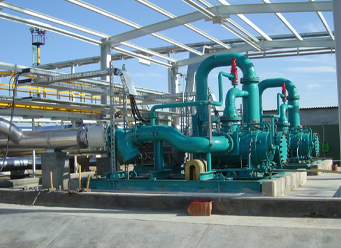
Submersible mixed flow propeller pumps represent a critical component in a wide range of fluid handling applications, encompassing wastewater treatment, stormwater management, agricultural irrigation, and industrial process water circulation. These pumps are characterized by their ability to operate completely submerged, offering advantages in terms of priming, noise reduction, and overall system simplicity. A “quote” for these pumps, therefore, isn’t merely a price point, but a detailed specification outlining performance characteristics, materials of construction, and operational parameters designed to meet specific application needs. The industry faces key challenges relating to efficiency optimization, solids handling capabilities, corrosion resistance in harsh environments, and ensuring long-term reliability, all factors meticulously detailed within a comprehensive pump specification. This guide provides an in-depth technical overview of these pumps, from material science and manufacturing processes to performance considerations, failure modes, and relevant industry standards, facilitating informed procurement decisions and ensuring optimal system design.
Material Science & Manufacturing
The core construction of submersible mixed flow pumps relies on several key materials. Pump housings and impellers are frequently constructed from cast iron (ASTM A48 Class 30), stainless steel (typically 304 or 316 – ASTM A743), or specialized ductile iron alloys providing increased tensile strength and impact resistance. Shafts are generally made from high-strength alloy steel, heat treated to achieve optimal hardness and wear resistance. Elastomeric components, such as seals and O-rings, are typically made from nitrile rubber (NBR), Viton (FKM), or EPDM, selected based on the fluid being pumped and the operating temperature. Manufacturing processes vary based on component. Housings utilize sand casting or investment casting for complex geometries. Impellers are frequently produced using centrifugal casting or precision machining. Critical parameters during manufacturing include impeller balancing (ISO 1940-1) to minimize vibration and ensure smooth operation. Welding processes (AWS D1.1) for stainless steel components require stringent quality control to prevent corrosion initiation. The selection of appropriate coatings (e.g., epoxy, polyurethane) is crucial for protecting metallic surfaces from corrosion and abrasion, particularly in aggressive fluid environments. The accuracy of machining tolerances directly impacts pump efficiency and bearing life, necessitating the use of advanced CNC machining techniques.
Performance & Engineering
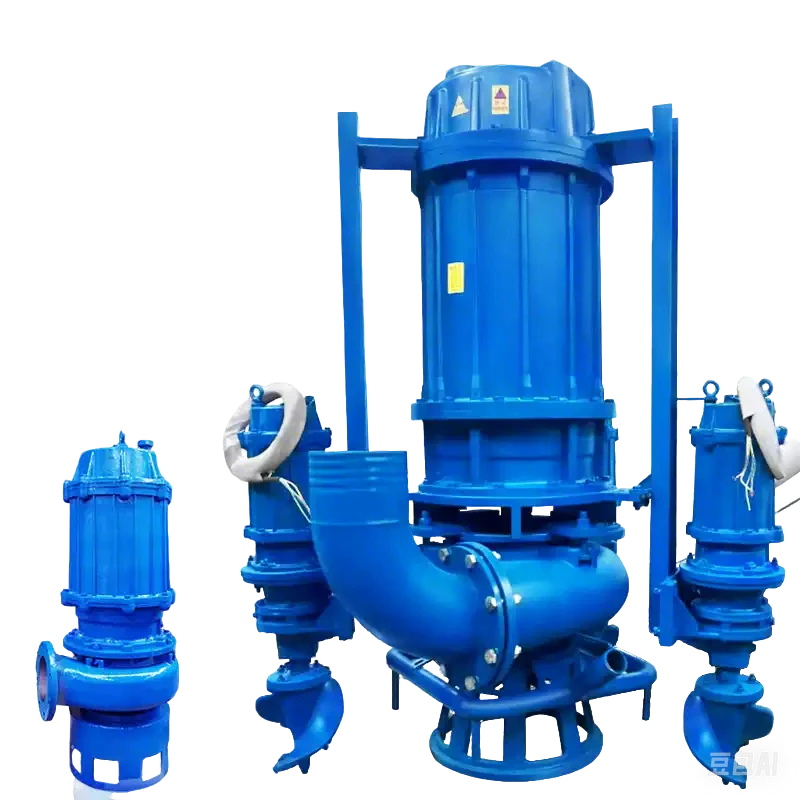
Performance of a submersible mixed flow pump is fundamentally governed by fluid dynamics principles. The pump’s head (H), flow rate (Q), and power consumption are interrelated and defined by the pump curve, a graphical representation of these parameters. The specific speed (Ns) of a mixed flow impeller falls between those of a radial and axial flow pump, offering a compromise between head and flow. Force analysis during pump operation considers hydrostatic pressure, dynamic pressure, and impeller thrust. Bearing selection (SKF, NSK catalogs) is critical for managing these forces and ensuring long-term reliability. Environmental resistance is paramount; pumps must withstand the chemical compatibility of the pumped fluid (pH levels, abrasive solids content). Compliance requirements vary based on application. Wastewater pumps often need to meet EPA standards for solids handling capacity and energy efficiency. Irrigation pumps may be subject to local water usage regulations. The motor’s electrical insulation class (IEC 60034-1) dictates its suitability for submerged operation. Furthermore, mechanical seals (API 682) are engineered to prevent leakage and protect the motor from fluid ingress. Cavitation, a common performance issue, is mitigated through careful impeller design and ensuring sufficient Net Positive Suction Head Available (NPSHa) exceeds Net Positive Suction Head Required (NPSHr).
Technical Specifications
| Parameter | Unit | Typical Range | Test Standard |
|---|---|---|---|
| Flow Rate | m³/h | 5 - 500 | ISO 9906 |
| Head | m | 2 - 50 | ISO 9906 |
| Motor Power | kW | 0.75 - 75 | IEC 60034 |
| Impeller Diameter | mm | 150 – 600 | Manufacturer's Data |
| Solids Handling Capacity | mm | Up to 50 | ASTM D3389 |
| Operating Temperature | °C | 0 - 40 | Manufacturer's Data |
Failure Mode & Maintenance
Submersible mixed flow pumps are susceptible to several failure modes. Fatigue cracking of the impeller, particularly at the impeller blades, can occur due to cyclic loading and stress concentration. Delamination of protective coatings can expose metallic surfaces to corrosion. Degradation of elastomeric seals leads to leakage and potential motor failure. Oxidation of electrical components, especially in humid environments, can cause short circuits. Bearing failure is often a result of inadequate lubrication, misalignment, or excessive loading. Failure analysis often involves visual inspection, non-destructive testing (NDT) such as ultrasonic testing (UT) and dye penetrant inspection (DPI – ASTM E165), and metallurgical examination. Preventative maintenance is crucial and includes regular monitoring of vibration levels (ISO 10816), oil analysis (ASTM D4057), and visual inspection for signs of corrosion or wear. Seal replacement should be performed on a scheduled basis, dictated by the fluid being pumped and operating conditions. Periodic cleaning of the pump intake to remove debris prevents clogging and ensures optimal performance. Motor windings should be regularly inspected for insulation breakdown. Implementing a robust condition monitoring program can significantly extend pump life and reduce unplanned downtime.
Industry FAQ
Q: What is the impact of varying fluid viscosity on pump performance?
A: Increased fluid viscosity reduces pump efficiency and flow rate, while increasing power consumption. The pump curve will shift downwards and to the right. Selecting a pump with a higher motor power and impeller design optimized for viscous fluids is essential. Consider viscosity correction factors in the pump selection process as outlined in HI Standards.
Q: How does the pump material affect its resistance to specific chemicals?
A: The chemical compatibility of the pump material is crucial. Stainless steel (316) offers excellent resistance to many corrosive fluids, but may be susceptible to pitting corrosion in chloride-rich environments. Cast iron is suitable for freshwater applications but degrades rapidly in acidic or saline conditions. Consulting chemical resistance charts (ASTM G98) and material compatibility databases is essential.
Q: What are the key considerations for selecting a pump for handling abrasive solids?
A: Pumps handling abrasive solids require hardened materials (e.g., high chrome cast iron), wear-resistant coatings, and impeller designs that minimize solids impingement. Larger impeller clearances are often necessary to accommodate the solids without causing clogging. Regular inspection and replacement of wear parts are essential.
Q: What is the role of the pump’s power cable and how is its integrity ensured?
A: The power cable provides electrical power to the submerged motor. It must be specifically designed for submersible applications, with waterproof seals and robust insulation. Cable integrity is ensured through regular visual inspection for damage, testing of insulation resistance (IEC 60034-1), and proper strain relief to prevent cable breakage.
Q: How can I optimize energy efficiency when selecting a pump?
A: Selecting a pump that closely matches the system’s head and flow requirements is crucial. Utilizing variable frequency drives (VFDs) allows for adjusting pump speed to match demand, significantly reducing energy consumption. Ensuring proper impeller trimming and minimizing system head losses through optimized piping design also contributes to energy savings.
Conclusion
Submersible mixed flow propeller pumps are complex systems requiring careful consideration of material science, engineering principles, and operational parameters. A well-defined "quote" for these pumps represents a detailed articulation of these elements, ensuring optimal performance and longevity. The selection process extends beyond simply comparing prices, demanding a thorough understanding of the application's specific requirements and the pump's capabilities.
Continued advancements in pump design, material technology, and condition monitoring techniques are driving improvements in efficiency, reliability, and overall life-cycle cost. Future trends include the integration of smart sensors and data analytics for predictive maintenance and remote monitoring, further optimizing pump operation and minimizing downtime. Adherence to international standards and best practices is paramount for ensuring safe and reliable pump operation.
-
Precision at the Pump: How Better Machining Protects Flow and Uptime
News2026-11-20
-
Why Pump Reliability Begins Before the First Drop of Fluid
News2026-11-20
-
Beyond the Pump: Designing Safer Access Around Critical Water Infrastructure
News2026-11-20
-
Why Pumping Stations Depend on the Infrastructure Beneath the Pumps
News2026-11-20
-
Beyond the Pump Room: How Smarter Loading Protects Industrial Equipment
News2026-11-19
-
When Pumps Stop: Designing More Resilient Power for Critical Pumping Systems
News2026-11-19
-
The Hidden Role of Dust and Gas Monitoring in Reliable Pump Operations
News2026-11-19
-
The Hidden Role of Mineral Compounds in Extending Industrial Pump Lifespan
News2026-10-12
-
Why Pump System Reliability Depends on Precision Hose Assembly Methods
News2026-09-15
-
How Advanced Imaging Films Are Transforming Pump Component Quality Control
News2026-08-25
-
How Advanced Filtration Protects Pump Systems from Premature Wear and Costly Downtime
News2026-08-25
-
How Steel Material Selection Drives Pump Reliability in Heavy-Duty Systems
News2026-08-25
-
Ensuring Pump System Efficiency: The Role of High-Quality Pipe Fittings and Tubing
News2026-08-24
-
Optimizing Fluid Dynamics and Material Consistency in Industrial Processing
News2026-08-18
-
Innovations and Challenges in Hydraulic Systems for Heavy Machinery
News2026-08-13




