English
- Afrikaans
- Albanian
- Amharic
- Arabic
- Armenian
- Azerbaijani
- Basque
- Belarusian
- Bengali
- Bosnian
- Bulgarian
- Catalan
- Cebuano
- Corsican
- Croatian
- Czech
- Danish
- Dutch
- English
- Esperanto
- Estonian
- Finnish
- French
- Frisian
- Galician
- Georgian
- German
- Greek
- Gujarati
- Haitian Creole
- hausa
- hawaiian
- Hebrew
- Hindi
- Miao
- Hungarian
- Icelandic
- igbo
- Indonesian
- irish
- Italian
- Japanese
- Javanese
- Kannada
- kazakh
- Khmer
- Rwandese
- Korean
- Kurdish
- Kyrgyz
- Lao
- Latin
- Latvian
- Lithuanian
- Luxembourgish
- Macedonian
- Malgashi
- Malay
- Malayalam
- Maltese
- Maori
- Marathi
- Mongolian
- Myanmar
- Nepali
- Norwegian
- Norwegian
- Occitan
- Pashto
- Persian
- Polish
- Portuguese
- Punjabi
- Romanian
- Russian
- Samoan
- Scottish Gaelic
- Serbian
- Sesotho
- Shona
- Sindhi
- Sinhala
- Slovak
- Slovenian
- Somali
- Spanish
- Sundanese
- Swahili
- Swedish
- Tagalog
- Tajik
- Tamil
- Tatar
- Telugu
- Thai
- Turkish
- Turkmen
- Ukrainian
- Urdu
- Uighur
- Uzbek
- Vietnamese
- Welsh
- Bantu
- Yiddish
- Yoruba
- Zulu

Telephone: +86 13120555503
Email: frank@cypump.com


Apr . 01, 2024 17:55 Back to list
submersible mixed flow column pump Performance Analysis
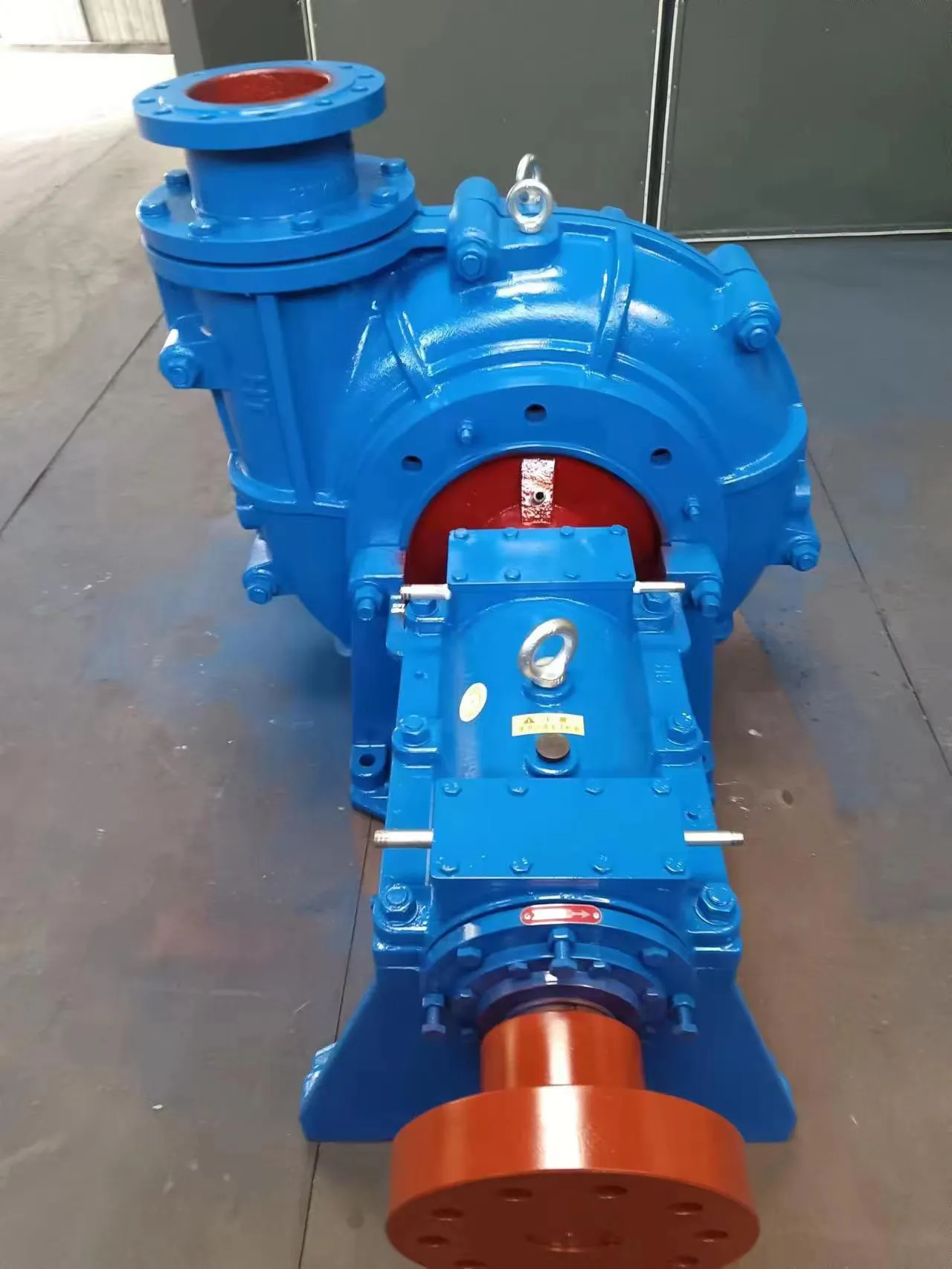
Introduction
Submersible mixed flow column pumps represent a critical component in numerous industrial and municipal water management applications. These pumps, distinguished by their vertically oriented, multistage design and fully submersible operation, are engineered to efficiently lift water from deep wells, boreholes, or sumps. Unlike centrifugal pumps which excel in high-volume, low-head applications, and axial flow pumps best suited for very high flow rates with minimal head, mixed flow pumps provide a balance between flow rate and head, making them ideal for irrigation, water supply, drainage, and dewatering processes. Their column configuration allows for effective operation in situations where suction lift limitations of surface pumps are prohibitive. This guide provides an in-depth technical overview of submersible mixed flow column pumps, covering material science, manufacturing, performance characteristics, failure modes, and relevant industry standards. A primary industry pain point addressed is the optimization of pump efficiency while maintaining robust corrosion resistance in often aggressive subsurface environments.
Material Science & Manufacturing
The construction of submersible mixed flow column pumps involves a selection of materials designed to withstand the corrosive nature of well water and the mechanical stresses of continuous operation. The pump housing and diffuser components are typically manufactured from high-grade stainless steel, commonly 304 or 316, selected for their chromium content which imparts superior corrosion resistance. The impeller, responsible for imparting kinetic energy to the fluid, is frequently constructed from cast iron alloyed with nickel and chromium to balance cost with durability. Shafts are manufactured from high-tensile strength alloy steel, hardened and tempered for resistance to torsional stress and wear. Seals crucial for preventing water ingress into the motor are generally composed of nitrile rubber, fluorocarbon elastomers (Viton), or PTFE, depending on the water temperature and chemical composition. Manufacturing processes involve precision casting for the housing and impeller, CNC machining for the shaft and diffuser components, and robotic welding for assembly. A critical parameter is the surface finish of the impeller blades; a smoother finish minimizes frictional losses and improves hydraulic efficiency. Another vital step is balancing the impeller assembly to reduce vibration and extend bearing life. Proper heat treatment of steel components is essential to achieve the desired hardness and ductility, mitigating the risk of brittle fracture.
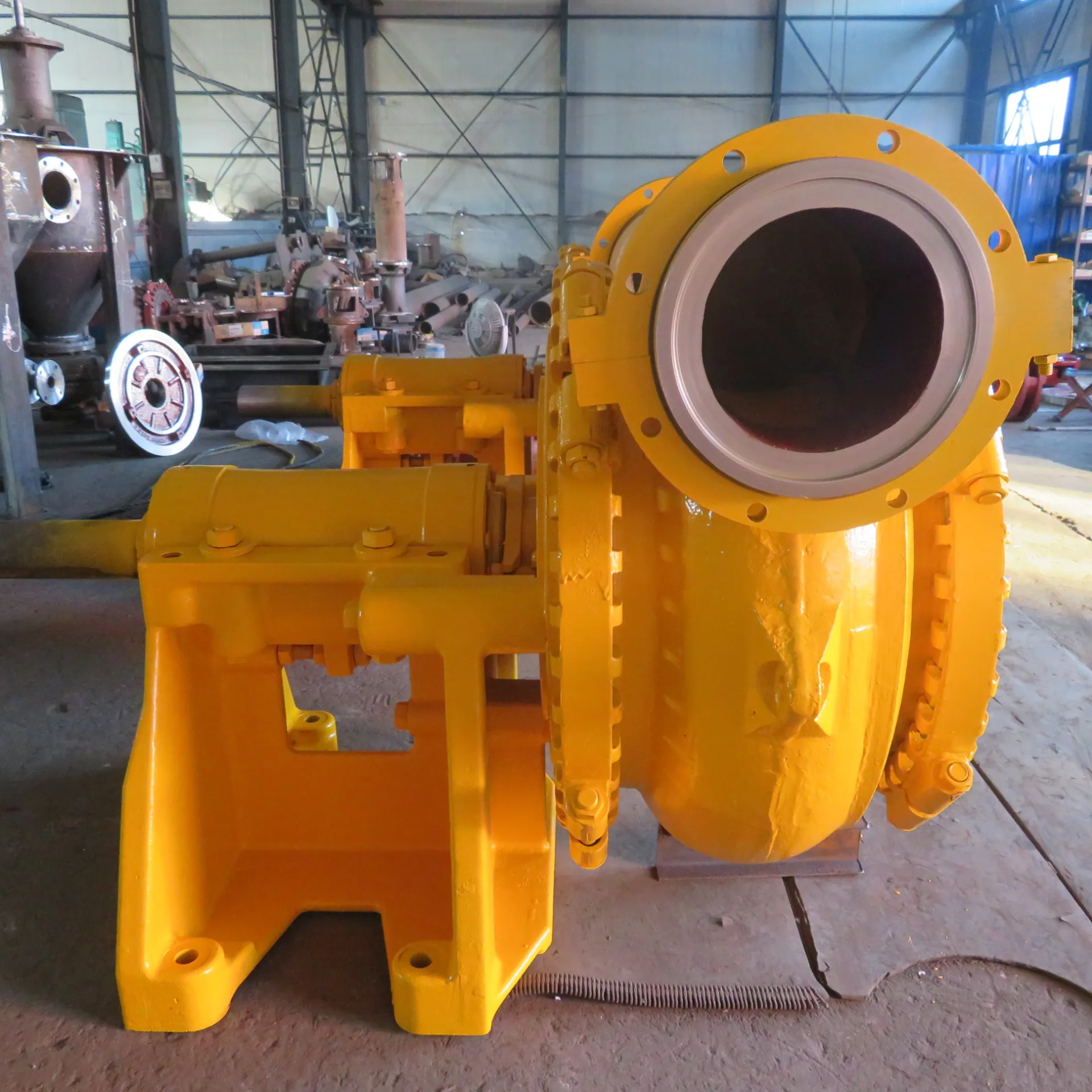
Performance & Engineering
Performance of a submersible mixed flow column pump is governed by several key engineering principles. The pump's head (the height to which it can lift water) is a function of the impeller diameter, rotational speed, and the number of stages. Mixed flow design combines radial and axial flow components, resulting in a pressure increase that is intermediate between centrifugal and axial pumps. Force analysis involves evaluating the radial and axial thrust forces exerted on the shaft and bearings. Axial thrust is particularly significant in multistage pumps and is mitigated through the use of balance discs or by careful impeller design to equalize pressures. Environmental resistance is critical, especially concerning water salinity and dissolved solids content. Pumps operating in saltwater environments require specialized materials and coatings to prevent galvanic corrosion. Compliance requirements vary by region but generally include adherence to electrical safety standards (IEC 60034-1), hydraulic performance standards (ISO 9906), and environmental regulations related to noise emissions and energy efficiency. Functional implementation requires proper selection of the pump size and staging based on the required flow rate and total dynamic head (TDH) of the system. A detailed system curve analysis is essential to ensure efficient pump operation across the anticipated range of flow rates.
Technical Specifications
| Parameter | Unit | Typical Range (Small Pump) | Typical Range (Large Pump) |
|---|---|---|---|
| Flow Rate | m³/h | 0.5 - 10 | 20 - 150 |
| Total Dynamic Head | m | 10 - 50 | 50 - 300 |
| Power Input | kW | 0.75 - 7.5 | 15 - 150 |
| Impeller Diameter | mm | 100 - 200 | 300 - 600 |
| Number of Stages | - | 5 - 15 | 20 - 50 |
| Maximum Submergence Depth | m | 50 - 100 | 200 - 500 |
Failure Mode & Maintenance
Submersible mixed flow column pumps are susceptible to several failure modes. Fatigue cracking of the impeller due to repeated stress cycles is a common issue, particularly in pumps handling abrasive fluids. Delamination of the pump housing or impeller due to corrosion can also occur, especially in aggressive chemical environments. Degradation of the rubber seals leads to water ingress and motor failure. Oxidation of the shaft and bearings contributes to increased friction and eventual seizure. Cavitation, caused by low suction pressure, results in impeller damage and reduced pump efficiency. Maintenance involves regular inspection of the seals and bearings, monitoring motor current for signs of overload, and periodic cleaning of the pump intake to prevent clogging. Preventive maintenance programs should include oil analysis of the motor bearings to detect early signs of wear. In cases of corrosion, sacrificial anodes can be employed to protect critical components. For pumps operating in sandy environments, the use of wear-resistant impeller materials or coatings is recommended. Routine vibration analysis can also identify imbalances or bearing failures before they escalate into catastrophic failures.
Industry FAQ
Q: What is the optimal material selection for a pump operating in a highly saline environment?
A: For highly saline environments, 316 stainless steel is generally preferred over 304 due to its superior chloride resistance. Furthermore, consider utilizing duplex stainless steels (e.g., 2205) for even greater corrosion resistance. Applying a protective coating, such as epoxy or polyurethane, can also enhance corrosion protection, but its longevity depends on the coating's quality and application process.
Q: How do I mitigate the risk of cavitation in a deep well application?
A: Cavitation risk can be mitigated by ensuring sufficient submergence depth and optimizing the pump's suction conditions. Reducing the flow velocity and increasing the net positive suction head available (NPSHa) are crucial. Selecting a pump with a lower specific speed can also reduce its susceptibility to cavitation. Regular monitoring of the pump’s performance and visual inspection for impeller damage are also important.
Q: What is the expected lifespan of a typical submersible pump motor?
A: The expected lifespan of a submersible pump motor typically ranges from 5 to 15 years, depending on operating conditions and maintenance practices. Factors such as water quality, operating hours, and the severity of the duty cycle significantly influence motor life. Regular monitoring of motor temperature and current, along with periodic bearing lubrication, can extend its operational lifespan.
Q: What are the primary considerations when selecting the number of stages for a specific application?
A: The number of stages directly impacts the pump’s head. Stage selection should be based on a thorough analysis of the total dynamic head (TDH) required for the application. Increasing the number of stages increases the head but also increases the pump's internal friction and energy consumption. It’s crucial to find a balance that optimizes efficiency for the specific operating conditions.
Q: How does impeller design influence pump efficiency and resistance to solids handling?
A: Impeller design is critical. A more streamlined impeller design improves hydraulic efficiency by minimizing turbulence and friction. However, open impeller designs are better suited for handling fluids containing solids as they are less prone to clogging. Impeller blade angle and width also affect pump performance and solids handling capabilities. Choosing the appropriate impeller type depends on the specific application requirements.
Conclusion
Submersible mixed flow column pumps are engineered solutions for a variety of challenging water lifting applications. Their performance is intricately tied to material selection, precise manufacturing processes, and a deep understanding of hydraulic principles. Effective maintenance and preventative measures are paramount to maximizing operational lifespan and minimizing downtime. The choice of material directly impacts the pumps reliability and durability, particularly when faced with aggressive chemical environments.
Future developments in this technology are likely to focus on advanced materials with enhanced corrosion resistance, improved impeller designs for increased efficiency, and the integration of smart sensors for predictive maintenance. As water scarcity becomes an increasingly pressing global issue, the demand for reliable and efficient submersible pumps will continue to grow, driving innovation and refinement within the industry.
-
Precision at the Pump: How Better Machining Protects Flow and Uptime
News2026-11-20
-
Why Pump Reliability Begins Before the First Drop of Fluid
News2026-11-20
-
Beyond the Pump: Designing Safer Access Around Critical Water Infrastructure
News2026-11-20
-
Why Pumping Stations Depend on the Infrastructure Beneath the Pumps
News2026-11-20
-
Beyond the Pump Room: How Smarter Loading Protects Industrial Equipment
News2026-11-19
-
When Pumps Stop: Designing More Resilient Power for Critical Pumping Systems
News2026-11-19
-
The Hidden Role of Dust and Gas Monitoring in Reliable Pump Operations
News2026-11-19
-
The Hidden Role of Mineral Compounds in Extending Industrial Pump Lifespan
News2026-10-12
-
Why Pump System Reliability Depends on Precision Hose Assembly Methods
News2026-09-15
-
How Advanced Imaging Films Are Transforming Pump Component Quality Control
News2026-08-25
-
How Advanced Filtration Protects Pump Systems from Premature Wear and Costly Downtime
News2026-08-25
-
How Steel Material Selection Drives Pump Reliability in Heavy-Duty Systems
News2026-08-25
-
Ensuring Pump System Efficiency: The Role of High-Quality Pipe Fittings and Tubing
News2026-08-24
-
Optimizing Fluid Dynamics and Material Consistency in Industrial Processing
News2026-08-18
-
Innovations and Challenges in Hydraulic Systems for Heavy Machinery
News2026-08-13




