English
- Afrikaans
- Albanian
- Amharic
- Arabic
- Armenian
- Azerbaijani
- Basque
- Belarusian
- Bengali
- Bosnian
- Bulgarian
- Catalan
- Cebuano
- Corsican
- Croatian
- Czech
- Danish
- Dutch
- English
- Esperanto
- Estonian
- Finnish
- French
- Frisian
- Galician
- Georgian
- German
- Greek
- Gujarati
- Haitian Creole
- hausa
- hawaiian
- Hebrew
- Hindi
- Miao
- Hungarian
- Icelandic
- igbo
- Indonesian
- irish
- Italian
- Japanese
- Javanese
- Kannada
- kazakh
- Khmer
- Rwandese
- Korean
- Kurdish
- Kyrgyz
- Lao
- Latin
- Latvian
- Lithuanian
- Luxembourgish
- Macedonian
- Malgashi
- Malay
- Malayalam
- Maltese
- Maori
- Marathi
- Mongolian
- Myanmar
- Nepali
- Norwegian
- Norwegian
- Occitan
- Pashto
- Persian
- Polish
- Portuguese
- Punjabi
- Romanian
- Russian
- Samoan
- Scottish Gaelic
- Serbian
- Sesotho
- Shona
- Sindhi
- Sinhala
- Slovak
- Slovenian
- Somali
- Spanish
- Sundanese
- Swahili
- Swedish
- Tagalog
- Tajik
- Tamil
- Tatar
- Telugu
- Thai
- Turkish
- Turkmen
- Ukrainian
- Urdu
- Uighur
- Uzbek
- Vietnamese
- Welsh
- Bantu
- Yiddish
- Yoruba
- Zulu

Telephone: +86 13120555503
Email: frank@cypump.com


Apr . 01, 2024 17:55 Back to list
submersible industrial pump Performance Analysis
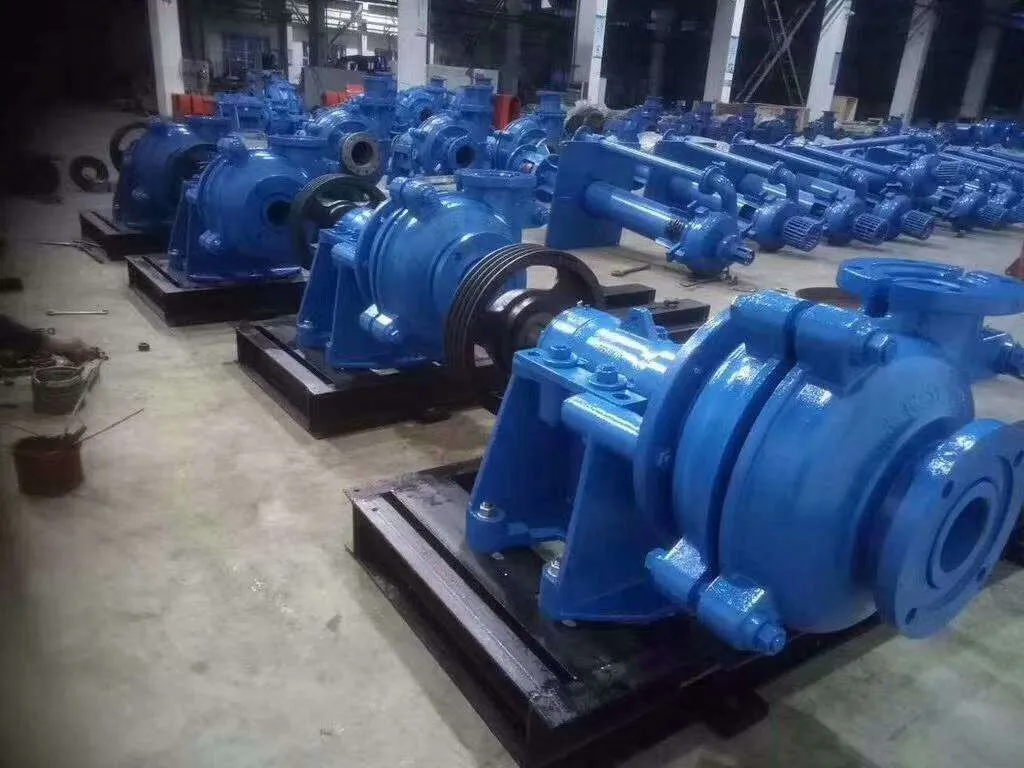
Introduction
Submersible industrial pumps are centrifugal pumps specifically designed for complete immersion in the fluid being pumped. Distinguished from surface-mounted pumps by their hermetically sealed motor and pump assembly, they represent a critical component across diverse industrial applications including wastewater treatment, mining, oil & gas, and large-scale dewatering. Their core performance characteristics – head, flow rate, and efficiency – are intrinsically linked to impeller design, motor power, and the specific gravity of the pumped fluid. A key pain point in industrial operations is the reliability of pumping systems, especially in harsh environments. Submersible pumps address this by eliminating the need for surface priming and minimizing suction lift issues common in conventional pumps, leading to increased uptime and reduced maintenance requirements. This guide provides a comprehensive analysis of submersible industrial pump technology, covering material science, manufacturing, performance, failure modes, and relevant industry standards.
Material Science & Manufacturing
The construction of a submersible industrial pump relies on careful material selection to withstand corrosive fluids, abrasive solids, and continuous operation. Pump casings are typically manufactured from cast iron (ASTM A48 Class 30), ductile iron (ASTM A536 Grade 65-45-12), or stainless steel (AISI 316/316L) depending on the application's chemical compatibility and abrasion resistance. Impellers are commonly produced via precision casting using alloys like high-chrome iron for slurry handling, or stainless steel for clean liquids. Motor housings are typically cast iron or stainless steel, providing robust protection for the electrical components. Shafts are commonly manufactured from 4140 alloy steel, heat-treated for high tensile strength and fatigue resistance. Seals are a critical component, employing materials like Viton, EPDM, or PTFE depending on fluid temperature and chemical composition. Manufacturing processes include sand casting, investment casting, centrifugal casting for casings and impellers, and CNC machining for precision components. Welding (SMAW, GMAW, GTAW) is used for joining sections of casings and motor housings, requiring strict adherence to welding procedures (AWS D1.1) to ensure structural integrity. Quality control involves non-destructive testing (NDT) such as radiographic inspection (RT), ultrasonic testing (UT), and dye penetrant inspection (DPI) to identify internal flaws and surface cracks. Parameter control during manufacturing focuses on dimensional accuracy, material hardness, and weld quality.
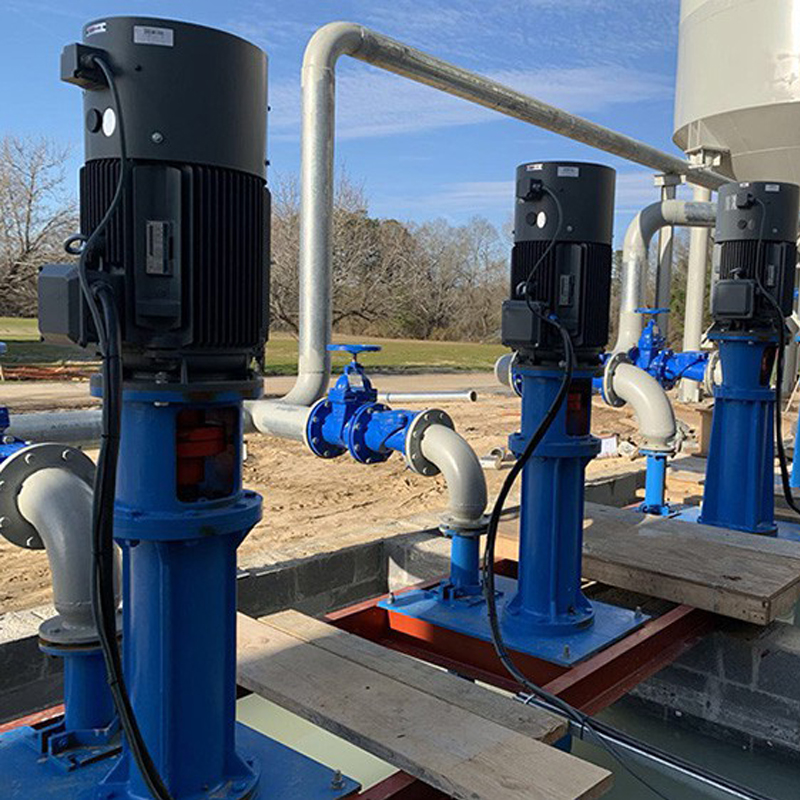
Performance & Engineering
The performance of a submersible pump is governed by hydraulic principles and motor characteristics. Head (the maximum height the pump can lift the fluid) is determined by impeller diameter, rotational speed, and pump casing design. Flow rate (the volume of fluid pumped per unit time) is directly proportional to impeller speed and inversely proportional to head. Pump efficiency represents the ratio of hydraulic power output to electrical power input, influenced by impeller design, internal clearances, and fluid viscosity. Force analysis involves calculating radial and axial thrust forces acting on the impeller and shaft, necessitating robust bearing design and shaft support. Environmental resistance is critical; pumps must withstand hydrostatic pressure, temperature fluctuations, and potential exposure to corrosive elements. Compliance requirements (ATEX for hazardous locations, IECEx for international explosive atmospheres) necessitate explosion-proof motor enclosures and grounding systems. Functional implementation involves proper pump sizing based on system requirements (flow rate, head, fluid characteristics), and appropriate installation considering suction conditions and discharge piping layout. Cavitation, a major performance-limiting factor, occurs when the absolute pressure at the impeller inlet falls below the fluid's vapor pressure, leading to vapor bubble formation and subsequent collapse, causing erosion and noise. Proper Net Positive Suction Head Required (NPSHr) calculations are vital to prevent cavitation.
Technical Specifications
| Parameter | Unit | Typical Range (Small Industrial) | Typical Range (Large Industrial) |
|---|---|---|---|
| Flow Rate | m³/h | 0.5 – 5 | 50 – 500 |
| Head | m | 5 – 30 | 30 – 200 |
| Motor Power | kW | 0.75 – 7.5 | 7.5 – 150 |
| Maximum Submergence Depth | m | 5 – 20 | 20 – 100 |
| Solids Handling Capability | mm | Up to 50 | Up to 100 |
| Discharge Connection | inches | 1 – 2 | 3 – 12 |
Failure Mode & Maintenance
Submersible industrial pumps are susceptible to various failure modes. Fatigue cracking can occur in the pump casing or impeller due to cyclical stress from fluid pressure and vibration. Delamination of the motor winding insulation leads to short circuits and motor failure, often exacerbated by thermal cycling. Degradation of seals results in leakage and ingress of fluid into the motor, causing corrosion and electrical failure. Oxidation and corrosion of metallic components (shaft, impeller) reduce component strength and increase friction. Abrasive wear, particularly in slurry applications, erodes impeller vanes and casing surfaces, reducing pump efficiency. Bearing failure, caused by inadequate lubrication or excessive load, leads to pump vibration and potential seizure. Maintenance solutions include regular visual inspections for leaks, corrosion, and mechanical damage. Preventative maintenance involves lubricating bearings according to manufacturer recommendations (typically every 3-6 months), checking seal integrity, and monitoring motor winding temperature. Periodic vibration analysis can detect early signs of bearing wear or impeller imbalance. Complete pump overhaul, including impeller replacement and seal replacement, is typically required every 3-5 years depending on operating conditions. Proper storage during periods of inactivity is crucial, involving drainage of the pump and application of corrosion inhibitors.
Industry FAQ
Q: What is the primary advantage of a submersible pump over a traditional surface pump in wastewater treatment applications?
A: The key advantage is the elimination of priming requirements. Wastewater often contains air and solids, making priming a continuous challenge for surface pumps. Submersible pumps are self-priming, operate reliably even with fluctuating fluid levels, and are less susceptible to clogging due to their submerged operation.
Q: How does the material selection impact the lifespan of a pump used in abrasive slurry handling?
A: Material selection is paramount. Standard cast iron will rapidly erode in abrasive slurries. High-chrome iron alloys are preferred for their superior wear resistance. Impeller design also plays a role; recessed impellers are less susceptible to clogging and wear in abrasive applications.
Q: What are the implications of incorrect NPSH calculations on pump performance?
A: Incorrect NPSH calculations can lead to cavitation, resulting in reduced pump efficiency, increased noise, and ultimately, damage to the impeller and pump casing. It's critical to ensure the available NPSH (NPSHa) is always greater than the required NPSH (NPSHr).
Q: How do explosion-proof certifications (ATEX/IECEx) ensure safety in hazardous environments?
A: Explosion-proof certifications ensure the pump's motor and electrical components are designed to contain any internal explosions, preventing ignition of flammable gases or vapors in the surrounding environment. These certifications involve rigorous testing and adherence to stringent safety standards.
Q: What preventative maintenance practices are most effective for extending the lifespan of a submersible pump motor?
A: Regular monitoring of motor winding temperature, lubrication of bearings, and checking the condition of the cable seals are crucial. Periodic insulation resistance testing can detect early signs of winding degradation. Maintaining clean oil in the oil-filled motor compartment (if applicable) is also essential.
Conclusion
Submersible industrial pumps represent a robust and reliable solution for a wide range of fluid handling applications. Their inherent advantages – self-priming capability, elimination of suction lift issues, and suitability for harsh environments – make them indispensable in industries reliant on continuous and dependable pumping systems. Successful implementation hinges on a thorough understanding of material science, hydraulic principles, and the specific demands of the application.
Looking ahead, advancements in pump design, motor technology (variable frequency drives for energy efficiency), and sensor integration (predictive maintenance) will further enhance the performance and longevity of submersible pumps. Optimizing pump selection based on life-cycle cost analysis, incorporating advanced monitoring systems, and implementing robust preventative maintenance programs will remain crucial for maximizing return on investment and minimizing downtime.
-
Precision at the Pump: How Better Machining Protects Flow and Uptime
News2026-11-20
-
Why Pump Reliability Begins Before the First Drop of Fluid
News2026-11-20
-
Beyond the Pump: Designing Safer Access Around Critical Water Infrastructure
News2026-11-20
-
Why Pumping Stations Depend on the Infrastructure Beneath the Pumps
News2026-11-20
-
Beyond the Pump Room: How Smarter Loading Protects Industrial Equipment
News2026-11-19
-
When Pumps Stop: Designing More Resilient Power for Critical Pumping Systems
News2026-11-19
-
The Hidden Role of Dust and Gas Monitoring in Reliable Pump Operations
News2026-11-19
-
The Hidden Role of Mineral Compounds in Extending Industrial Pump Lifespan
News2026-10-12
-
Why Pump System Reliability Depends on Precision Hose Assembly Methods
News2026-09-15
-
How Advanced Imaging Films Are Transforming Pump Component Quality Control
News2026-08-25
-
How Advanced Filtration Protects Pump Systems from Premature Wear and Costly Downtime
News2026-08-25
-
How Steel Material Selection Drives Pump Reliability in Heavy-Duty Systems
News2026-08-25
-
Ensuring Pump System Efficiency: The Role of High-Quality Pipe Fittings and Tubing
News2026-08-24
-
Optimizing Fluid Dynamics and Material Consistency in Industrial Processing
News2026-08-18
-
Innovations and Challenges in Hydraulic Systems for Heavy Machinery
News2026-08-13




