English
- Afrikaans
- Albanian
- Amharic
- Arabic
- Armenian
- Azerbaijani
- Basque
- Belarusian
- Bengali
- Bosnian
- Bulgarian
- Catalan
- Cebuano
- Corsican
- Croatian
- Czech
- Danish
- Dutch
- English
- Esperanto
- Estonian
- Finnish
- French
- Frisian
- Galician
- Georgian
- German
- Greek
- Gujarati
- Haitian Creole
- hausa
- hawaiian
- Hebrew
- Hindi
- Miao
- Hungarian
- Icelandic
- igbo
- Indonesian
- irish
- Italian
- Japanese
- Javanese
- Kannada
- kazakh
- Khmer
- Rwandese
- Korean
- Kurdish
- Kyrgyz
- Lao
- Latin
- Latvian
- Lithuanian
- Luxembourgish
- Macedonian
- Malgashi
- Malay
- Malayalam
- Maltese
- Maori
- Marathi
- Mongolian
- Myanmar
- Nepali
- Norwegian
- Norwegian
- Occitan
- Pashto
- Persian
- Polish
- Portuguese
- Punjabi
- Romanian
- Russian
- Samoan
- Scottish Gaelic
- Serbian
- Sesotho
- Shona
- Sindhi
- Sinhala
- Slovak
- Slovenian
- Somali
- Spanish
- Sundanese
- Swahili
- Swedish
- Tagalog
- Tajik
- Tamil
- Tatar
- Telugu
- Thai
- Turkish
- Turkmen
- Ukrainian
- Urdu
- Uighur
- Uzbek
- Vietnamese
- Welsh
- Bantu
- Yiddish
- Yoruba
- Zulu

Telephone: +86 13120555503
Email: frank@cypump.com


Apr . 01, 2024 17:55 Back to list
submersible effluent sewage pump Performance Analysis
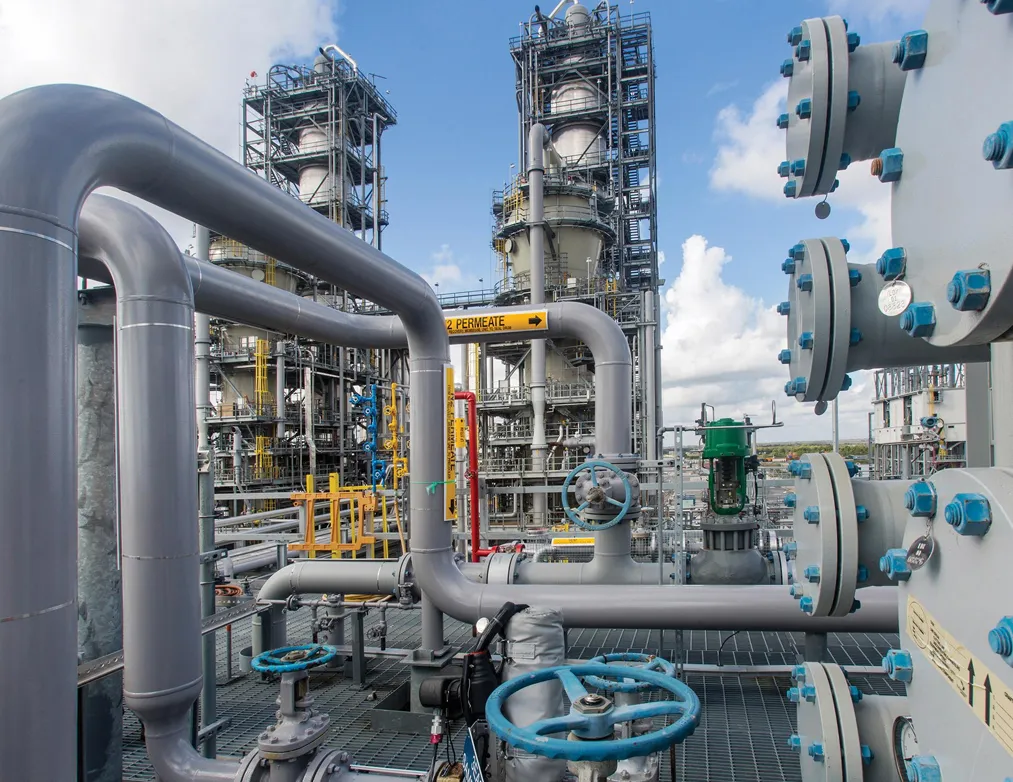
Introduction
Submersible effluent sewage pumps are centrifugal pumps specifically designed for the transfer of wastewater, sewage, and effluent. Positioned within the wastewater treatment chain, they serve as a crucial link between collection systems and treatment facilities, or for discharge after treatment. Unlike traditional sewage pumps situated externally, submersible pumps operate while fully submerged in the fluid being pumped, offering significant advantages in space utilization, noise reduction, and priming issues. Core performance characteristics include flow rate (typically measured in gallons per minute or cubic meters per hour), total dynamic head (TDH – the total height the pump can lift the fluid), solids handling capability (crucial for sewage applications), and energy efficiency. The industry faces ongoing challenges related to abrasion from solids, corrosion from aggressive wastewater constituents, and the need for robust sealing systems to prevent leakage and motor failure. Selecting the correct pump necessitates a detailed understanding of the fluid’s composition, anticipated flow rates, and head requirements.
Material Science & Manufacturing
The construction of submersible effluent sewage pumps necessitates materials resistant to corrosive environments and abrasion. Pump casings are commonly manufactured from cast iron (ASTM A48 Class 30), stainless steel (typically 304 or 316 for increased corrosion resistance – ASTM A240), or high-density polyethylene (HDPE) for lighter-duty applications. Impellers, responsible for imparting kinetic energy to the fluid, are frequently constructed from high-chrome cast iron to resist abrasive wear from solids. Shafts are typically made from stainless steel (410 or 420 grades) for strength and corrosion resistance. Seals are critical components, often employing silicon carbide faces (SiC) against SiC or tungsten carbide faces (WC) against SiC for durability and resistance to chemical attack. Manufacturing processes involve casting (for iron and steel casings), machining, welding, and epoxy coating for enhanced corrosion protection. Motor housings are usually cast iron or stainless steel, with windings encapsulated in epoxy resin for electrical insulation and moisture protection. Critical parameter control during manufacturing includes impeller balancing to minimize vibration, precise machining of seal surfaces to ensure leak-tightness, and rigorous quality control of welding procedures to prevent structural failures. The selection of elastomers for seals and O-rings (typically nitrile rubber or Viton) is dictated by the chemical compatibility with the wastewater composition.
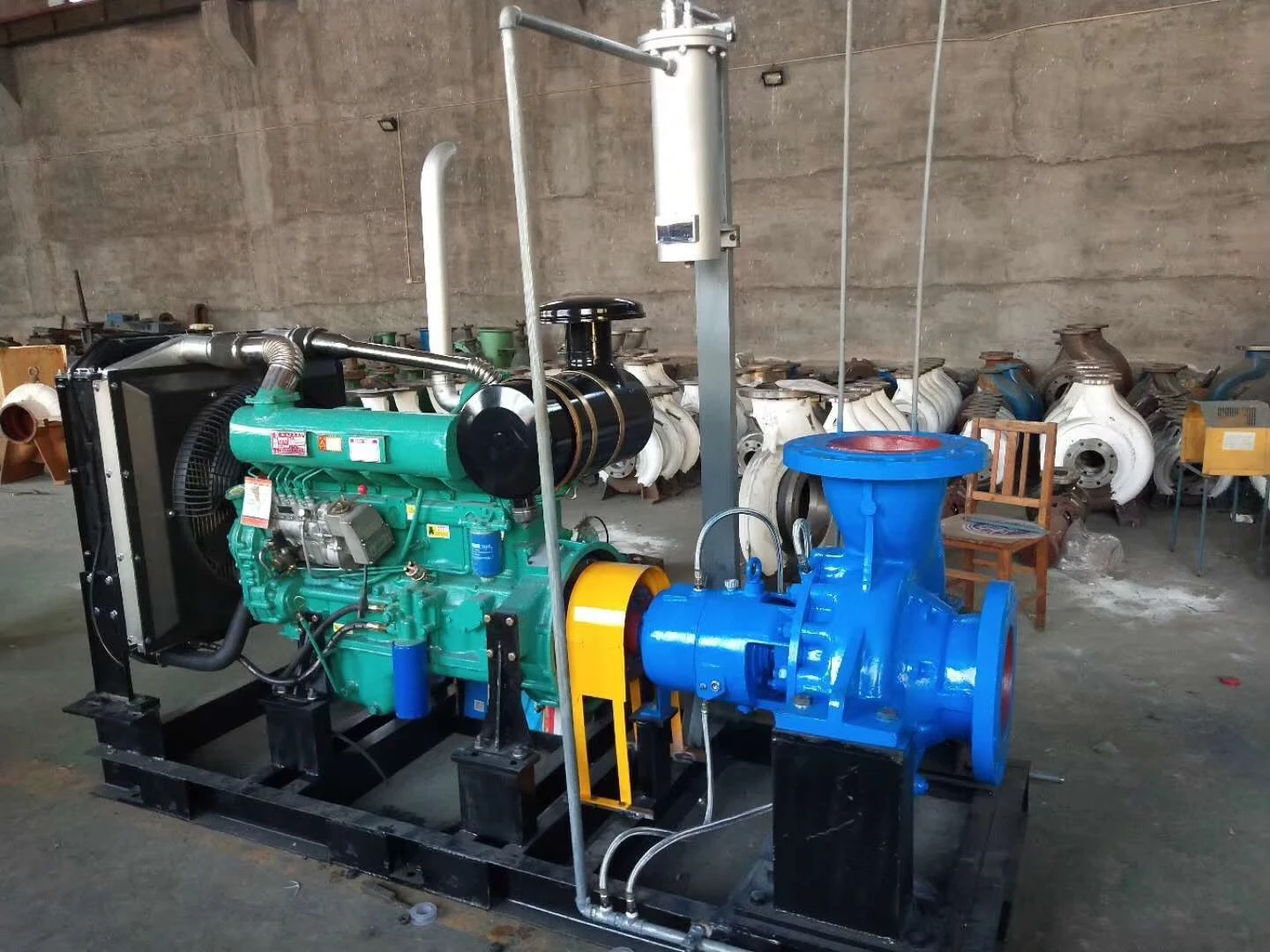
Performance & Engineering
Pump performance is heavily dictated by hydraulic design, focusing on impeller geometry, volute casing shape, and diffuser design. Force analysis is critical, particularly considering the hydrostatic pressure exerted on the pump at depth, the dynamic forces generated by impeller rotation, and the potential for surge pressures during start-up and shut-down. Environmental resistance is paramount; pumps must withstand prolonged immersion in corrosive wastewater, including exposure to hydrogen sulfide (H2S), chlorides, and organic acids. Compliance requirements vary by region but generally include standards for electrical safety (IEC 60335-2-40), hydraulic performance (ISO 9906), and environmental impact (energy efficiency standards like DOE regulations in the US). Functional implementation requires careful consideration of the pump curve (head vs. flow rate) to match the system requirements. Cable selection is critical, typically employing submersible cable with a chlorosulfonated polyethylene (CSPE) jacket for water resistance and oil resistance. Float switches or level sensors are integrated to automatically control pump operation based on liquid level. Pump sizing must account for variations in flow rate, solids content, and potential clogging to ensure reliable operation and prevent premature failure. The pump's Net Positive Suction Head Required (NPSHr) must be less than the Net Positive Suction Head Available (NPSHa) in the system to avoid cavitation.
Technical Specifications
| Parameter | Unit | Typical Value (Small Residential Pump) | Typical Value (Large Municipal Pump) |
|---|---|---|---|
| Flow Rate | GPM (Gallons per Minute) | 20-50 | 500-2000 |
| Total Dynamic Head (TDH) | ft (feet) | 10-30 | 80-200 |
| Motor Power | HP (Horsepower) | 1/2 - 1 | 10-50 |
| Solids Handling | in (inches) | Up to 1/2 | Up to 3 |
| Impeller Material | - | High-Chrome Cast Iron | High-Chrome Cast Iron/Stainless Steel |
| Casing Material | - | Cast Iron/HDPE | Cast Iron/Stainless Steel |
Failure Mode & Maintenance
Common failure modes include impeller wear due to abrasion, seal failure leading to motor ingress and winding damage, bearing failure from overloading or lack of lubrication, and winding insulation breakdown due to moisture and temperature cycling. Fatigue cracking in the pump casing or impeller can occur under cyclic loading. Delamination of epoxy coatings can expose the underlying metal to corrosion. Oxidation of electrical connections can lead to intermittent operation or complete failure. Regular maintenance is crucial. This includes periodic inspection of seals and bearings, cleaning of the impeller to remove accumulated solids, testing of winding insulation resistance (megger testing), and inspection of the power cable for damage. Preventative maintenance schedules should be based on pump operating hours and the characteristics of the wastewater being pumped. In the event of failure, root cause analysis should be performed to identify the underlying issue and prevent recurrence. Seal replacement is a common repair, requiring careful attention to seal alignment and lubrication. Motor rewinding may be necessary for winding failures, but should be performed by a qualified technician to ensure proper insulation and performance.
Industry FAQ
Q: What is the impact of wastewater temperature on pump performance and longevity?
A: Elevated wastewater temperatures can reduce the viscosity of the fluid, potentially increasing pump flow rate but also accelerating corrosion rates and degrading the elastomers used in seals and O-rings. Motor windings are also susceptible to damage at high temperatures. Pumps designed for higher temperature operation may incorporate specialized materials and cooling systems.
Q: How do you select the appropriate pump material for highly abrasive wastewater?
A: For highly abrasive wastewater, impellers constructed from high-chrome cast iron are essential. The pump casing should also be made from abrasion-resistant materials like stainless steel or lined with a hard coating. Consider pumps with replaceable wear plates in the impeller area to extend pump life.
Q: What are the key considerations for submersible pump cable selection?
A: Submersible pump cables must be water-resistant, oil-resistant, and capable of withstanding the tensile stresses of deployment and retrieval. Chlorosulfonated polyethylene (CSPE) jackets are commonly used. Cable diameter and length must be carefully selected to minimize voltage drop and ensure adequate current carrying capacity.
Q: How does solids handling capability affect pump selection and maintenance?
A: Higher solids handling capability generally requires larger impeller passages and a more robust pump design. While increasing reliability in solids-laden applications, it can also lead to reduced pump efficiency. Frequent inspection and cleaning of the impeller are crucial to prevent clogging and maintain performance.
Q: What are the benefits of using variable frequency drives (VFDs) with submersible pumps?
A: VFDs allow for precise control of pump speed, enabling energy savings by matching pump output to demand. They can also reduce mechanical stress on the pump by eliminating sudden starts and stops. VFDs can also help to prevent clogging by allowing for slow ramp-up of pump speed.
Conclusion
Submersible effluent sewage pumps are essential components of modern wastewater management systems. Their performance is dictated by a complex interplay of material science, hydraulic design, and manufacturing precision. Selecting the correct pump requires a thorough understanding of the application’s specific requirements, including flow rate, head, solids content, and wastewater composition.
Ongoing advancements in pump technology, such as the integration of VFDs and improved materials, continue to enhance efficiency, reliability, and longevity. Proper maintenance, including regular inspection, cleaning, and seal replacement, is critical to minimizing downtime and maximizing pump life. Adherence to relevant industry standards and regulations is paramount for ensuring safe and compliant operation.
-
submersible effluent sewage pump Performance Analysis
News2026-05-31
-
stainless steel submersible sewage pumps Performance Engineering
News2026-05-31
-
stainless steel submersible sewage pump Material Science Manufacturing
News2026-05-31
-
Sewage Submersible Pump Installation Performance Analysis
News2026-05-31
-
sewage submersible pump 2hp Performance Analysis
News2026-05-31
-
sewage submersible pump 1hp Performance Analysis
News2026-05-30
-
1 hp sewage submersible pump Performance Analysis
News2026-05-30
-
waste pump for basement bathroom Performance and Engineering
News2026-05-30
-
Sump Pump Drain Field Performance Analysis
News2026-05-30
-
small sewage pump Performance Analysis
News2026-05-30
-
sewer pump for basement Material Science Manufacturing
News2026-05-29
-
sewage sump pumps Performance and Engineering
News2026-05-29
-
sewage pumps for septic tanks Material Science and Manufacturing
News2026-05-29
-
Sewage Pumping Companies Performance Analysis
News2026-05-29
-
Sewage Pump Manufacturers Performance Engineering
News2026-05-29




