English
- Afrikaans
- Albanian
- Amharic
- Arabic
- Armenian
- Azerbaijani
- Basque
- Belarusian
- Bengali
- Bosnian
- Bulgarian
- Catalan
- Cebuano
- Corsican
- Croatian
- Czech
- Danish
- Dutch
- English
- Esperanto
- Estonian
- Finnish
- French
- Frisian
- Galician
- Georgian
- German
- Greek
- Gujarati
- Haitian Creole
- hausa
- hawaiian
- Hebrew
- Hindi
- Miao
- Hungarian
- Icelandic
- igbo
- Indonesian
- irish
- Italian
- Japanese
- Javanese
- Kannada
- kazakh
- Khmer
- Rwandese
- Korean
- Kurdish
- Kyrgyz
- Lao
- Latin
- Latvian
- Lithuanian
- Luxembourgish
- Macedonian
- Malgashi
- Malay
- Malayalam
- Maltese
- Maori
- Marathi
- Mongolian
- Myanmar
- Nepali
- Norwegian
- Norwegian
- Occitan
- Pashto
- Persian
- Polish
- Portuguese
- Punjabi
- Romanian
- Russian
- Samoan
- Scottish Gaelic
- Serbian
- Sesotho
- Shona
- Sindhi
- Sinhala
- Slovak
- Slovenian
- Somali
- Spanish
- Sundanese
- Swahili
- Swedish
- Tagalog
- Tajik
- Tamil
- Tatar
- Telugu
- Thai
- Turkish
- Turkmen
- Ukrainian
- Urdu
- Uighur
- Uzbek
- Vietnamese
- Welsh
- Bantu
- Yiddish
- Yoruba
- Zulu

Telephone: +86 13120555503
Email: frank@cypump.com


Apr . 01, 2024 17:55 Back to list
submersible drainage pump Material Science and Manufacturing
Introduction
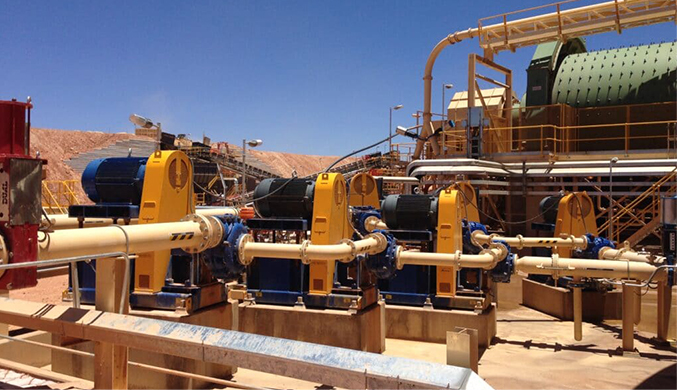
Submersible drainage pumps are centrifugal pumps specifically designed for efficient removal of liquids from submerged environments. Positioned within the industrial fluid handling chain, they serve as a critical component in dewatering applications across construction, mining, wastewater treatment, and flood control. Unlike surface-mounted pumps, submersible designs eliminate the need for priming and reduce noise levels, offering significant operational advantages. Core performance characteristics are defined by flow rate (measured in gallons per minute or liters per second), total dynamic head (TDH, measured in feet or meters), solids handling capability (expressed in diameter of particles), and power consumption (typically in horsepower or kilowatts). These pumps are engineered to operate reliably in harsh conditions, handling abrasive materials and corrosive fluids, making them vital for maintaining operational continuity and preventing downtime in various industrial settings. A prevalent industry pain point revolves around impeller clogging and motor failure due to inadequate solids handling or insufficient sealing mechanisms.
Material Science & Manufacturing
The construction of a submersible drainage pump relies on a carefully selected suite of materials to withstand demanding operating conditions. Pump housings are frequently manufactured from cast iron (ASTM A48 Class 30) for its cost-effectiveness and durability, though stainless steel (304 or 316, conforming to ASTM A240) is preferred for corrosive environments. Impellers, often the most stressed component, utilize high-grade stainless steel (440C) or specialized polymers like polypropylene for abrasive slurry applications. Shafts are typically constructed from 4140 alloy steel, heat-treated for increased tensile strength and wear resistance. Seals are critical; silicon carbide mechanical seals (meeting DIN 24960 standards) are standard due to their high hardness and chemical inertness. Manufacturing processes vary based on component complexity. Pump housings utilize sand casting followed by machining to precise tolerances. Impellers are often investment cast for intricate geometries. Motor housings require precise die-casting of aluminum alloys (typically A380) and subsequent powder coating for corrosion protection. Critical parameter control during manufacturing includes impeller balancing (ISO 1940-1) to minimize vibration, seal surface finish (Ra < 0.8 µm) to ensure leak-proof operation, and motor winding insulation resistance testing (IEC 60034-18-41) to prevent electrical failures. The winding process must adhere to strict quality control standards to ensure the correct number of turns and wire gauge for the specified voltage and frequency.
Performance & Engineering
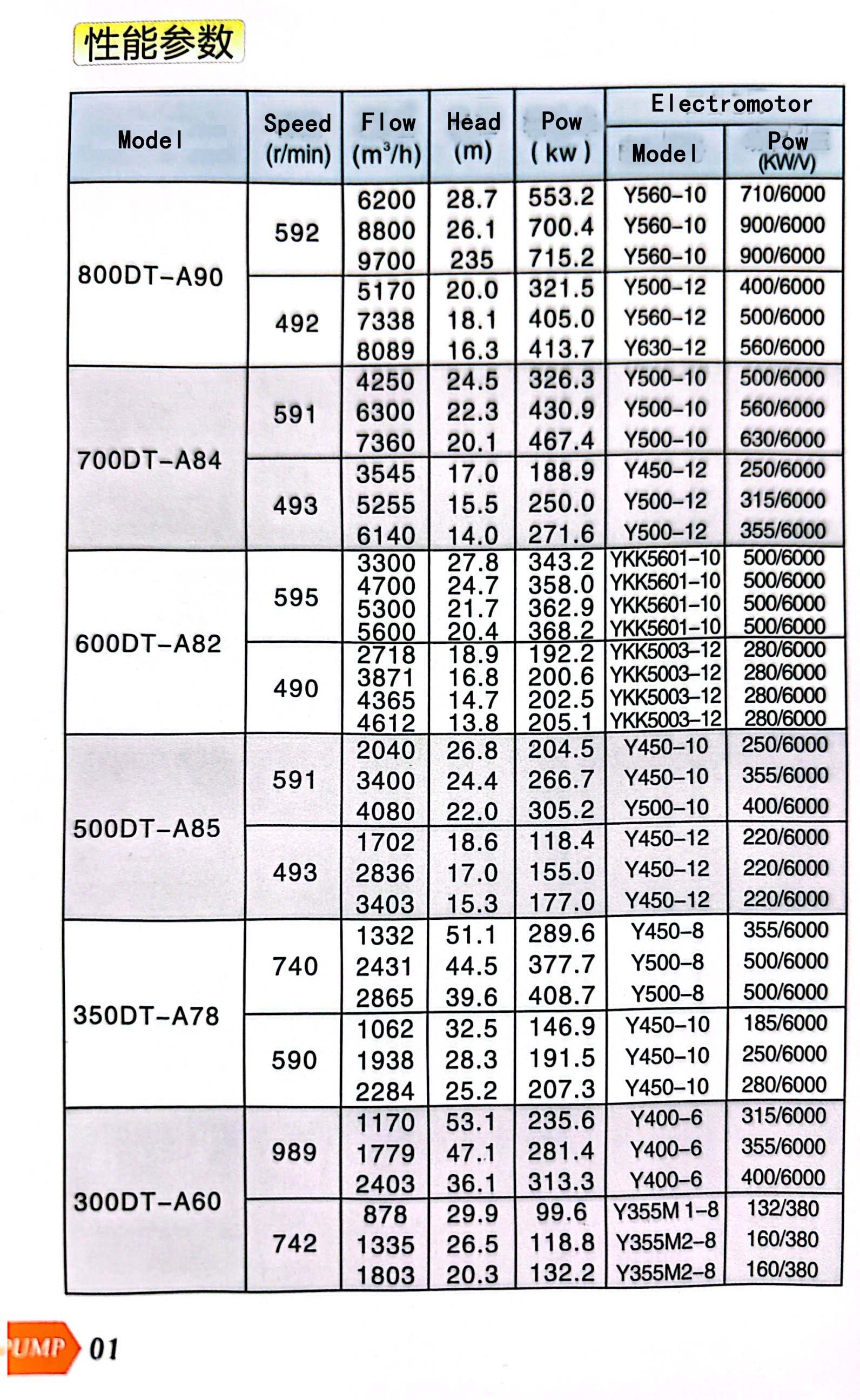
The performance of a submersible drainage pump is fundamentally governed by hydraulic principles. Force analysis considers centrifugal force generated by the impeller, fluid dynamic pressure, and frictional losses within the pump volute and discharge piping. The pump’s Total Dynamic Head (TDH) is calculated by summing static lift, friction losses, and velocity head. Environmental resistance is addressed through material selection (corrosion resistance) and sealed motor design (IP68 rating, indicating complete dust tightness and continuous immersion in water). Pump curves (performance curves displaying flow rate vs. head) are generated according to ISO 9906 standards, providing critical data for system design. Engineering considerations include cavitation prevention, achieved through proper impeller design and minimizing suction head. Motor cooling is achieved through oil-filled compartments or water circulation, ensuring reliable operation at elevated temperatures. Compliance requirements, such as CE marking (European Conformity) and UL listing (Underwriters Laboratories), verify adherence to safety and performance standards. The mechanical design must account for thermal expansion of components to prevent binding and ensure long-term reliability. Stress analysis using Finite Element Analysis (FEA) is common during the design phase to predict component lifespan and optimize structural integrity.
Technical Specifications
| Parameter | Unit | Typical Range | Testing Standard |
|---|---|---|---|
| Flow Rate | GPM (US) | 20 – 500 | ANSI/HI 1.1 |
| Total Dynamic Head (TDH) | ft | 10 – 150 | ISO 9906 |
| Motor Power | HP | 0.5 – 20 | IEC 60034-1 |
| Solids Handling | in | Up to 2 | Manufacturer’s Specification |
| Maximum Submergence Depth | ft | 33 | IP68 Rating |
| Discharge Connection | in | 2 – 4 | ANSI/ASME B1.20.1 |
Failure Mode & Maintenance
Submersible drainage pumps are susceptible to several failure modes. Fatigue cracking in the impeller is common due to cyclical stress from solids impact. Delamination of the pump housing can occur due to corrosion or material defects. Motor failure is often attributed to bearing wear, winding insulation breakdown, or seal failure leading to water ingress. Cavitation erosion damages the impeller when the pump operates outside its intended flow rate. Oxidation of electrical components can also occur over time, especially in humid environments. Preventative maintenance is crucial. Regular inspection of seals (annually) and replacement when necessary is vital. Bearing lubrication (following manufacturer's recommendations) minimizes friction and wear. Periodic monitoring of motor winding insulation resistance (using a megohmmeter, per IEC 60034-18-41) identifies potential insulation breakdown. Backflushing the pump periodically removes accumulated solids and prevents impeller clogging. In cases of prolonged inactivity, the pump should be stored in a dry environment to prevent corrosion. A critical failure analysis should be conducted after any significant malfunction to identify the root cause and prevent recurrence. Replacement of worn components should adhere to OEM specifications to ensure compatibility and maintain performance.
Industry FAQ
Q: What is the significance of the IP68 rating for a submersible drainage pump?
A: The IP68 rating is a crucial indicator of the pump’s ability to operate reliably underwater. ‘IP’ stands for Ingress Protection, and ‘68’ signifies that the pump is completely dust-tight (6) and can withstand continuous immersion in water at a depth greater than 1 meter (8). This protection is critical for preventing motor failure and ensuring long-term operational integrity in submerged environments.
Q: How do I select the appropriate pump size for a specific dewatering application?
A: Proper pump sizing requires careful consideration of the total dynamic head (TDH) and the required flow rate. TDH encompasses the static lift, friction losses in the piping, and any pressure requirements at the discharge point. The flow rate must be sufficient to remove water at the rate it is entering the excavation or space being dewatered. Utilizing pump curves and consulting with a fluid handling specialist is highly recommended.
Q: What materials are best suited for handling abrasive slurries?
A: For abrasive slurries, pumps constructed with high-chrome iron impellers and volutes offer superior wear resistance. Alternatively, pumps utilizing hardened stainless steel or specialized polymers like polyurethane can provide adequate protection. The selection depends on the slurry’s composition, particle size, and concentration.
Q: What are the common causes of impeller clogging in submersible pumps?
A: Impeller clogging is often caused by the presence of solids in the fluid being pumped. Rag, debris, and viscous materials can accumulate in the impeller passages, reducing pump efficiency and potentially causing motor overload. Installing a strainer or screen upstream of the pump can mitigate this issue. Regular pump flushing and inspection can also help prevent clogging.
Q: How often should the mechanical seal be inspected and replaced?
A: The mechanical seal should be inspected annually, or more frequently if the pump is operating in a harsh or abrasive environment. Seal replacement is recommended when signs of wear, leakage, or damage are observed. Using a seal that matches the fluid being pumped is critical for maximizing seal life.
Conclusion
Submersible drainage pumps represent a vital component in numerous industrial processes, offering reliable and efficient fluid removal capabilities in challenging submerged environments. Their performance is intrinsically linked to material science, precise manufacturing processes, and adherence to stringent industry standards. Understanding the potential failure modes and implementing proactive maintenance strategies are paramount for maximizing operational lifespan and minimizing downtime.
Future advancements in submersible pump technology are likely to focus on improved impeller designs for enhanced solids handling, more durable sealing materials, and the integration of smart sensors for predictive maintenance. These innovations will further enhance pump efficiency, reliability, and overall lifecycle cost-effectiveness, solidifying their importance in critical dewatering applications.
-
Precision at the Pump: How Better Machining Protects Flow and Uptime
News2026-11-20
-
Why Pump Reliability Begins Before the First Drop of Fluid
News2026-11-20
-
Beyond the Pump: Designing Safer Access Around Critical Water Infrastructure
News2026-11-20
-
Why Pumping Stations Depend on the Infrastructure Beneath the Pumps
News2026-11-20
-
Beyond the Pump Room: How Smarter Loading Protects Industrial Equipment
News2026-11-19
-
When Pumps Stop: Designing More Resilient Power for Critical Pumping Systems
News2026-11-19
-
The Hidden Role of Dust and Gas Monitoring in Reliable Pump Operations
News2026-11-19
-
The Hidden Role of Mineral Compounds in Extending Industrial Pump Lifespan
News2026-10-12
-
Why Pump System Reliability Depends on Precision Hose Assembly Methods
News2026-09-15
-
How Advanced Imaging Films Are Transforming Pump Component Quality Control
News2026-08-25
-
How Advanced Filtration Protects Pump Systems from Premature Wear and Costly Downtime
News2026-08-25
-
How Steel Material Selection Drives Pump Reliability in Heavy-Duty Systems
News2026-08-25
-
Ensuring Pump System Efficiency: The Role of High-Quality Pipe Fittings and Tubing
News2026-08-24
-
Optimizing Fluid Dynamics and Material Consistency in Industrial Processing
News2026-08-18
-
Innovations and Challenges in Hydraulic Systems for Heavy Machinery
News2026-08-13




