English
- Afrikaans
- Albanian
- Amharic
- Arabic
- Armenian
- Azerbaijani
- Basque
- Belarusian
- Bengali
- Bosnian
- Bulgarian
- Catalan
- Cebuano
- Corsican
- Croatian
- Czech
- Danish
- Dutch
- English
- Esperanto
- Estonian
- Finnish
- French
- Frisian
- Galician
- Georgian
- German
- Greek
- Gujarati
- Haitian Creole
- hausa
- hawaiian
- Hebrew
- Hindi
- Miao
- Hungarian
- Icelandic
- igbo
- Indonesian
- irish
- Italian
- Japanese
- Javanese
- Kannada
- kazakh
- Khmer
- Rwandese
- Korean
- Kurdish
- Kyrgyz
- Lao
- Latin
- Latvian
- Lithuanian
- Luxembourgish
- Macedonian
- Malgashi
- Malay
- Malayalam
- Maltese
- Maori
- Marathi
- Mongolian
- Myanmar
- Nepali
- Norwegian
- Norwegian
- Occitan
- Pashto
- Persian
- Polish
- Portuguese
- Punjabi
- Romanian
- Russian
- Samoan
- Scottish Gaelic
- Serbian
- Sesotho
- Shona
- Sindhi
- Sinhala
- Slovak
- Slovenian
- Somali
- Spanish
- Sundanese
- Swahili
- Swedish
- Tagalog
- Tajik
- Tamil
- Tatar
- Telugu
- Thai
- Turkish
- Turkmen
- Ukrainian
- Urdu
- Uighur
- Uzbek
- Vietnamese
- Welsh
- Bantu
- Yiddish
- Yoruba
- Zulu

Telephone: +86 13120555503
Email: frank@cypump.com


Apr . 01, 2024 17:55 Back to list
submersable pumps Performance Analysis
Introduction
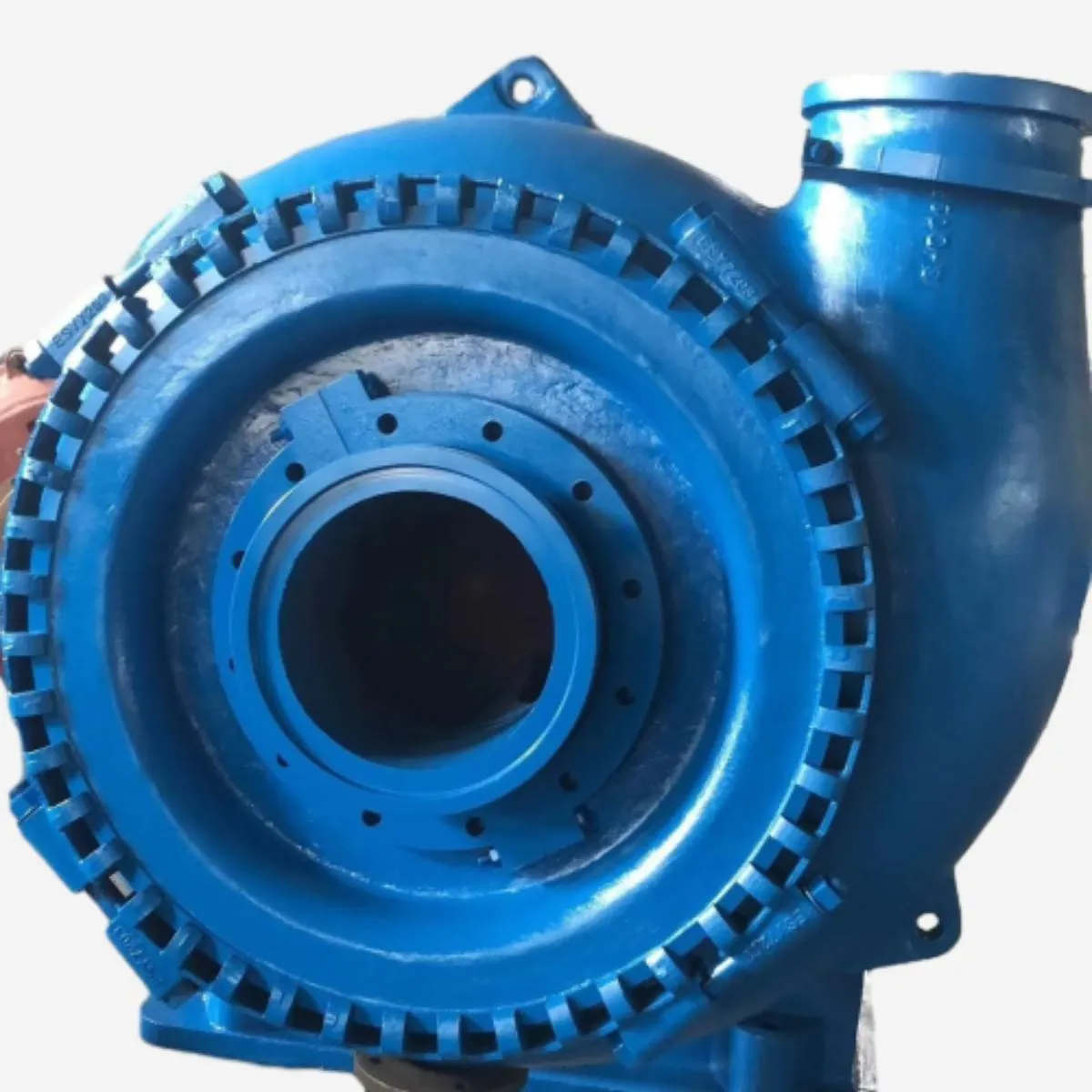
Submersible pumps are centrifugal pumps specifically designed to operate while fully submerged in the fluid being pumped. Unlike surface pumps which rely on suction, submersible pumps utilize positive displacement, pushing the fluid to the surface. Their primary function is fluid transfer from wells, boreholes, tanks, and sumps, serving critical roles across industries including municipal water supply, wastewater treatment, oil & gas, mining, agriculture, and dewatering. This guide details the material science, manufacturing processes, performance characteristics, failure modes, and maintenance procedures associated with industrial-grade submersible pumps. Core performance centers around hydraulic efficiency, head generation, flow rate, and tolerance to abrasive and corrosive fluids. The industry's main pain points revolve around pump longevity in harsh environments, energy consumption, solids handling capability, and minimizing downtime due to failure.
Material Science & Manufacturing
Submersible pumps are constructed from a range of materials chosen based on the intended application and the properties of the fluid being pumped. The pump housing, diffuser, and impeller are commonly cast from ductile iron (ASTM A536 Grade 65-45-12) due to its high tensile strength, impact resistance, and corrosion resistance when properly coated. Stainless steel (304, 316, and duplex grades like 2205) is employed in more aggressive environments, particularly those containing chlorides or high concentrations of corrosive chemicals. Impeller materials often include high-chromium cast iron or specialized polymers for abrasive slurry applications. Shafts are typically manufactured from high-strength alloy steel (e.g., 4140) and hardened to resist wear and torsional stress. Seals critical for preventing fluid ingress into the motor are commonly made from materials like nitrile rubber (Buna-N), Viton (fluoroelastomer), or ceramic.
Manufacturing processes vary depending on component complexity. Pump housings and diffusers are typically produced via sand casting, followed by machining to achieve precise dimensions and smooth surface finishes. Impellers can be cast or fabricated from sheet metal using processes like rolling and welding. Shafts are machined from bar stock using CNC turning and milling. Cable assembly, a critical element of submersible pumps, involves meticulous soldering and encapsulation within a robust outer jacket designed to withstand submersion and mechanical stress. Quality control throughout manufacturing focuses on dimensional accuracy, material composition verification (through spectroscopic analysis), and non-destructive testing (NDT) methods such as ultrasonic testing and radiographic inspection to detect internal flaws. Motor winding insulation integrity is verified through high-potential testing.
Performance & Engineering
The performance of a submersible pump is governed by fundamental hydraulic principles. Pump head (the height the pump can lift the fluid) is directly related to impeller diameter, rotational speed, and fluid density. Flow rate (the volume of fluid delivered per unit time) is influenced by impeller design, pump speed, and system resistance (friction losses in piping). Power consumption is a function of fluid density, head, and flow rate. Engineering design considerations include cavitation prevention (maintaining sufficient Net Positive Suction Head Available – NPSHa), mechanical seal selection for compatibility with the pumped fluid, and bearing lubrication to minimize friction and wear.
Force analysis is critical, particularly regarding radial and axial thrust loads on the pump shaft. These loads are generated by the impeller’s interaction with the fluid and are mitigated through bearing design and shaft support structures. Environmental resistance is addressed through material selection and protective coatings. For example, epoxy coatings are commonly applied to ductile iron housings to prevent corrosion in wastewater applications. Compliance requirements vary by region and application. In potable water systems, pumps must meet NSF/ANSI 61 standards for material safety. In oil & gas applications, pumps must comply with API 610 specifications for centrifugal pumps and related standards for electrical safety in hazardous locations (e.g., ATEX, IECEx).
Technical Specifications
| Parameter | Unit | Typical Range (Industrial Grade) | Test Standard |
|---|---|---|---|
| Flow Rate | m³/hr | 5 - 500 | ISO 9906 |
| Total Dynamic Head | m | 10 - 200 | ISO 9906 |
| Pump Speed | RPM | 1750 - 3600 | NEMA MG 1 |
| Maximum Submergence Depth | m | 5 - 100 | Manufacturer Specification |
| Fluid Temperature Range | °C | -10 to 60 | ASTM D3450 |
| Solids Handling Capability | mm | Up to 50 (dependent on impeller design) | Manufacturer Specification |
Failure Mode & Maintenance
Common failure modes in submersible pumps include bearing failure (due to wear, contamination, or improper lubrication), mechanical seal failure (resulting in fluid leakage and motor damage), impeller damage (caused by abrasion, erosion, or cavitation), motor winding failure (due to insulation breakdown or overheating), and cable failure (resulting from mechanical stress or chemical degradation). Fatigue cracking in the pump housing can also occur, especially in cyclic loading applications. Failure analysis often involves visual inspection, dimensional measurements, material testing (hardness, tensile strength, corrosion analysis), and oil analysis to identify wear debris.
Preventive maintenance is crucial for extending pump life. This includes regular monitoring of pump performance parameters (flow rate, head, current draw), periodic inspection of mechanical seals and bearings, lubrication of bearings according to manufacturer’s recommendations, and cable integrity checks. Motor windings should be tested for insulation resistance. If the pumped fluid contains abrasive solids, impeller wear should be monitored, and impellers replaced as needed. Proper system design, including adequate inlet screening and strainer installation, can minimize solids ingress and prevent impeller damage. When replacing components, it is essential to use original equipment manufacturer (OEM) parts or approved substitutes to ensure compatibility and performance.
Industry FAQ
Q: What is the impact of specific gravity on submersible pump selection?
A: Specific gravity directly impacts the pump’s head requirement and power consumption. Higher specific gravity fluids are denser, requiring more energy to lift and resulting in increased pump load. Pump curves must be adjusted to account for the fluid's specific gravity to ensure proper performance and prevent overloading.
Q: How does the NPSHa (Net Positive Suction Head Available) affect pump operation?
A: Insufficient NPSHa leads to cavitation, the formation of vapor bubbles within the pump impeller. Cavitation causes noise, vibration, reduced pump efficiency, and severe impeller damage. Ensuring adequate NPSHa by optimizing system layout and minimizing suction lift is critical for reliable pump operation.
Q: What considerations are important when selecting a submersible pump for abrasive slurries?
A: For abrasive slurries, select pumps with hardened impeller materials (high-chromium cast iron, ceramic) and wear-resistant coatings. Consider pumps with recessed impeller designs to minimize wear and maximize solids handling capability. Implement robust inlet strainers to protect the pump from large particles.
Q: What is the proper procedure for submersible pump cable installation and maintenance?
A: Cable installation must adhere to electrical codes and manufacturer's instructions. Avoid sharp bends or abrasion of the cable. Use appropriate cable clamps and supports. Regularly inspect the cable for damage and perform insulation resistance testing. Replace damaged cables immediately to prevent short circuits and pump failure.
Q: What are the advantages of using a variable frequency drive (VFD) with a submersible pump?
A: VFDs allow for precise control of pump speed, optimizing flow rate and energy consumption. They can also reduce mechanical stress on the pump during startup and shutdown, extending pump life. VFDs enable soft starting, reducing inrush current and minimizing strain on the electrical system.
Conclusion
Submersible pumps represent a crucial technology in diverse industrial applications demanding reliable fluid transfer from submerged environments. Effective pump selection necessitates a thorough understanding of fluid properties, system requirements, and applicable industry standards. Careful attention to material selection, manufacturing quality, and preventative maintenance practices are paramount for maximizing pump longevity and minimizing operational costs.
Future trends in submersible pump technology focus on enhancing efficiency through optimized hydraulic designs, implementing intelligent monitoring and control systems (IIoT), and developing more durable materials capable of withstanding increasingly harsh operating conditions. The integration of advanced sensors and data analytics will enable predictive maintenance, minimizing downtime and improving overall pump system performance.
-
Comprehensive Guide to Waterproof ORings for Optimal Sealing Solutions
News2026-06-09
-
submersable pumps Performance Analysis
News2026-06-12
-
submerge pump Performance Analysis
News2026-06-12
-
Septic Tank Lift Pump Performance Analysis
News2026-06-12
-
Septic System Pump Replacement Performance Analysis
News2026-06-12
-
Septic Pumps Cost Performance Analysis
News2026-06-12
-
best sewage ejector pump Performance Engineering
News2026-06-11
-
aerobic septic system pump Performance Analysis
News2026-06-11
-
Sumergible Pump Performance Analysis
News2026-06-11
-
ejector pump for basement Performance Engineering
News2026-06-11
-
sewer lift pump Performance Engineering
News2026-06-11
-
Septic Pump Replacement Performance Analysis
News2026-06-10
-
Septic Pump Price Performance Analysis
News2026-06-10
-
pumps for septic systems Material Science Manufacturing
News2026-06-10
-
ejector pumps for basement bathrooms Performance Analysis
News2026-06-10




