English
- Afrikaans
- Albanian
- Amharic
- Arabic
- Armenian
- Azerbaijani
- Basque
- Belarusian
- Bengali
- Bosnian
- Bulgarian
- Catalan
- Cebuano
- Corsican
- Croatian
- Czech
- Danish
- Dutch
- English
- Esperanto
- Estonian
- Finnish
- French
- Frisian
- Galician
- Georgian
- German
- Greek
- Gujarati
- Haitian Creole
- hausa
- hawaiian
- Hebrew
- Hindi
- Miao
- Hungarian
- Icelandic
- igbo
- Indonesian
- irish
- Italian
- Japanese
- Javanese
- Kannada
- kazakh
- Khmer
- Rwandese
- Korean
- Kurdish
- Kyrgyz
- Lao
- Latin
- Latvian
- Lithuanian
- Luxembourgish
- Macedonian
- Malgashi
- Malay
- Malayalam
- Maltese
- Maori
- Marathi
- Mongolian
- Myanmar
- Nepali
- Norwegian
- Norwegian
- Occitan
- Pashto
- Persian
- Polish
- Portuguese
- Punjabi
- Romanian
- Russian
- Samoan
- Scottish Gaelic
- Serbian
- Sesotho
- Shona
- Sindhi
- Sinhala
- Slovak
- Slovenian
- Somali
- Spanish
- Sundanese
- Swahili
- Swedish
- Tagalog
- Tajik
- Tamil
- Tatar
- Telugu
- Thai
- Turkish
- Turkmen
- Ukrainian
- Urdu
- Uighur
- Uzbek
- Vietnamese
- Welsh
- Bantu
- Yiddish
- Yoruba
- Zulu

Telephone: +86 13120555503
Email: frank@cypump.com


Apr . 01, 2024 17:55 Back to list
submerged pump Performance Engineering
Introduction
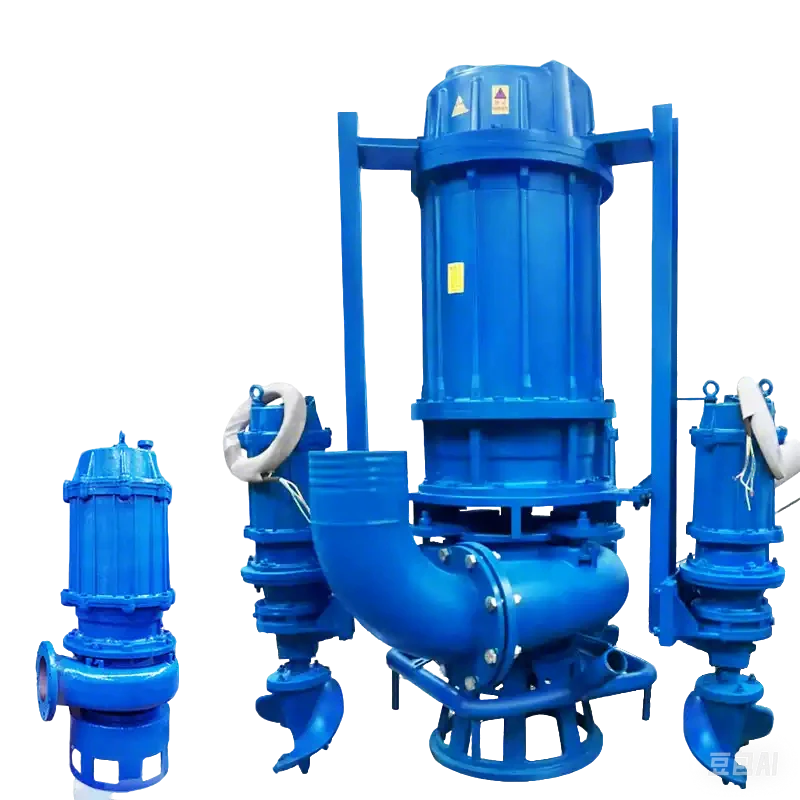
Submerged pumps, also known as submersible pumps, are centrifugal pumps specifically designed to operate while fully submerged within the fluid being pumped. Unlike surface pumps that rely on suction, submerged pumps positively displace fluid, making them exceptionally efficient for applications involving deep wells, drainage, sewage, and industrial fluid transfer. Their position within the industrial chain falls between fluid handling equipment manufacturing and the specific end-use industry – be it municipal water management, oil and gas, mining, or construction. Core performance characteristics are defined by head (the maximum height the pump can lift the fluid), flow rate (volume of fluid pumped per unit time), power consumption, and the ability to handle varying fluid viscosities and solids content. A key advantage over surface pumps is the elimination of priming issues and cavitation risk, critical for continuous operation in demanding environments. This guide provides a comprehensive technical overview of submerged pumps, encompassing material science, manufacturing processes, performance engineering, failure modes, and relevant industry standards.
Material Science & Manufacturing
The construction of a submerged pump necessitates careful material selection to withstand corrosive fluids, continuous operation, and substantial hydrostatic pressure. Key materials include cast iron (typically ASTM A48 Class 30 for pump casings due to its cost-effectiveness and good wear resistance), stainless steel (304, 316, and duplex stainless steels are common for impellers, diffusers, and motor housings, chosen for their corrosion resistance), and engineered polymers (such as PEEK or PTFE for seals and wear rings due to their low friction and chemical inertness). Motor winding insulation utilizes materials like epoxy resin or polyester impregnated glass fibers to provide electrical isolation and prevent moisture ingress. Manufacturing processes begin with casting or machining the pump casing and impeller. Impellers are often produced using investment casting for complex geometries and tight tolerances. Welding processes, particularly shielded metal arc welding (SMAW) and gas tungsten arc welding (GTAW), are employed for joining components, requiring strict adherence to AWS D1.1 standards for structural welding. Motor stator and rotor fabrication involves winding copper coils and precisely assembling magnetic cores. Quality control throughout manufacturing emphasizes non-destructive testing (NDT) methods, including ultrasonic testing (UT) to detect internal flaws in castings and welds, and dye penetrant inspection (DPI) to identify surface cracks. Parameter control during impeller balancing is crucial, maintaining dynamic balance to minimize vibration and extend bearing life.
Performance & Engineering
Submerged pump performance is fundamentally governed by fluid dynamics and hydraulic engineering principles. Force analysis involves calculating hydrostatic pressure acting on the pump housing, dynamic pressure from fluid flow, and mechanical stresses within the impeller and shaft. The pump's head-capacity curve, a graphical representation of the relationship between flow rate and head, is a critical performance characteristic. This curve is determined by impeller geometry, rotational speed, and fluid viscosity. Environmental resistance necessitates consideration of fluid temperature, pH, and solids content. Corrosive fluids require corrosion-resistant materials and coatings. High solids content necessitates impeller designs capable of handling abrasive particles without excessive wear. Compliance requirements vary depending on the application. For potable water applications, pumps must meet NSF/ANSI 61 standards for drinking water system components. For hazardous environments (e.g., oil and gas), pumps must be certified to ATEX or IECEx standards for explosion protection. The selection of appropriate bearing types (e.g., ball bearings, roller bearings) and lubrication systems is crucial for maximizing pump life and minimizing maintenance. Seal design (mechanical seals are common) must prevent leakage and protect the motor from fluid ingress. Finite Element Analysis (FEA) is routinely employed to optimize pump designs, predict stress concentrations, and ensure structural integrity under operating conditions.
Technical Specifications
| Parameter | Unit | Typical Value (Small Pump) | Typical Value (Large Pump) |
|---|---|---|---|
| Flow Rate | m³/hr | 5-20 | 100-500 |
| Head | m | 10-30 | 100-300 |
| Power Input | kW | 0.75-2.2 | 11-75 |
| Maximum Submergence Depth | m | 5-15 | 50-200 |
| Fluid Temperature Range | °C | 0-60 | -20-100 |
| Solids Handling Capacity | mm | Up to 10 | Up to 50 |
Failure Mode & Maintenance
Submerged pumps are susceptible to several failure modes. Fatigue cracking in the impeller or shaft can occur due to cyclic stress from fluid flow and vibration. Delamination of impeller vanes can result from erosion caused by abrasive solids. Degradation of seals leads to leakage and potential motor damage. Oxidation of metallic components, particularly in corrosive environments, reduces structural integrity. Cavitation, while less common than in surface pumps, can still occur under specific conditions (e.g., low NPSH available) and causes pitting damage to the impeller. Bearing failure is a frequent cause of downtime, often resulting from inadequate lubrication, contamination, or excessive load. Preventive maintenance is crucial. Regular inspection of seals, bearings, and impellers is essential. Lubrication schedules must be strictly followed. Fluid analysis can identify the presence of abrasive particles or corrosive agents, allowing for adjustments to pump operation or material selection. Vibration analysis can detect early signs of bearing wear or impeller imbalance. For minor repairs, mechanical seals can often be replaced in the field. Major overhauls, including impeller replacement or motor rewinding, typically require specialized facilities. Proper storage during periods of inactivity is also important to prevent corrosion and seal degradation.
Industry FAQ
Q: What is the impact of specific gravity on pump selection?
A: Specific gravity directly impacts the pump's required head. A higher specific gravity fluid will be heavier, requiring the pump to exert more force to lift it to the desired height. Pump manufacturers provide performance curves adjusted for different fluid densities, and proper selection based on the fluid's specific gravity is vital to avoid underperformance or pump overload.
Q: How do you mitigate the risk of solids-induced wear in abrasive applications?
A: Several strategies can mitigate wear. Selecting pumps with hardened impeller materials (e.g., high-chrome cast iron) is crucial. Implementing filtration upstream of the pump can remove larger particles. Designing the impeller with a more open configuration reduces the likelihood of solids clogging and causing wear. Regular impeller inspection and replacement are essential in highly abrasive environments.
Q: What are the key considerations for selecting a submersible pump for sewage applications?
A: Sewage pumps require specific features, including a non-clog impeller design to handle solids and rags. They should be constructed of corrosion-resistant materials to withstand the aggressive nature of sewage. A robust seal system is essential to prevent leakage and odor issues. Compliance with relevant regulations regarding discharge standards is also critical.
Q: How does motor temperature affect the lifespan of a submersible pump?
A: Elevated motor temperatures significantly reduce the lifespan of the pump. Overheating can damage winding insulation, leading to short circuits and motor failure. Proper motor sizing, adequate cooling provided by the surrounding fluid, and monitoring motor temperature are essential for preventing overheating.
Q: What is NPSH and why is it important for submersible pumps?
A: Net Positive Suction Head (NPSH) is the absolute pressure at the pump suction, minus the vapor pressure of the fluid. Maintaining sufficient NPSH available (NPSHa) above the NPSH required (NPSHr) by the pump prevents cavitation, which damages the impeller and reduces pump efficiency. Although less of a concern than in surface pumps, ensuring adequate submergence depth and minimizing suction lift can help maintain sufficient NPSHa.
Conclusion
Submerged pumps represent a critical component in numerous industrial and municipal applications, offering robust and efficient fluid handling capabilities. The selection and successful implementation of these pumps hinges on a thorough understanding of material science principles, hydraulic engineering considerations, and relevant industry standards. Careful attention to detail during manufacturing, coupled with a proactive approach to preventive maintenance, is essential for maximizing pump lifespan and minimizing operational costs.
Future developments in submerged pump technology are likely to focus on increased energy efficiency, smart monitoring systems utilizing IoT sensors, and the integration of advanced materials with improved corrosion resistance and wear properties. Furthermore, optimizing pump designs for specific applications, such as handling highly viscous fluids or challenging solids content, will continue to be a key area of innovation. Adherence to stringent quality control procedures and continuous refinement of manufacturing processes will remain paramount to ensuring the reliability and longevity of these essential machines.
-
Comprehensive Guide to Waterproof ORings for Optimal Sealing Solutions
News2026-06-09
-
best sewage ejector pump Performance Engineering
News2026-06-11
-
aerobic septic system pump Performance Analysis
News2026-06-11
-
Sumergible Pump Performance Analysis
News2026-06-11
-
ejector pump for basement Performance Engineering
News2026-06-11
-
sewer lift pump Performance Engineering
News2026-06-11
-
Septic Pump Replacement Performance Analysis
News2026-06-10
-
Septic Pump Price Performance Analysis
News2026-06-10
-
pumps for septic systems Material Science Manufacturing
News2026-06-10
-
ejector pumps for basement bathrooms Performance Analysis
News2026-06-10
-
Ejector Pump Cost Analysis
News2026-06-10
-
drainage pumps Performance and Engineering
News2026-06-09
-
basement bathroom ejector pump Material Science
News2026-06-09
-
Sewer Ejector Pump Cost Performance Analysis
News2026-06-09
-
Septic Tank Pump Replacement Performance Analysis
News2026-06-09




