English
- Afrikaans
- Albanian
- Amharic
- Arabic
- Armenian
- Azerbaijani
- Basque
- Belarusian
- Bengali
- Bosnian
- Bulgarian
- Catalan
- Cebuano
- Corsican
- Croatian
- Czech
- Danish
- Dutch
- English
- Esperanto
- Estonian
- Finnish
- French
- Frisian
- Galician
- Georgian
- German
- Greek
- Gujarati
- Haitian Creole
- hausa
- hawaiian
- Hebrew
- Hindi
- Miao
- Hungarian
- Icelandic
- igbo
- Indonesian
- irish
- Italian
- Japanese
- Javanese
- Kannada
- kazakh
- Khmer
- Rwandese
- Korean
- Kurdish
- Kyrgyz
- Lao
- Latin
- Latvian
- Lithuanian
- Luxembourgish
- Macedonian
- Malgashi
- Malay
- Malayalam
- Maltese
- Maori
- Marathi
- Mongolian
- Myanmar
- Nepali
- Norwegian
- Norwegian
- Occitan
- Pashto
- Persian
- Polish
- Portuguese
- Punjabi
- Romanian
- Russian
- Samoan
- Scottish Gaelic
- Serbian
- Sesotho
- Shona
- Sindhi
- Sinhala
- Slovak
- Slovenian
- Somali
- Spanish
- Sundanese
- Swahili
- Swedish
- Tagalog
- Tajik
- Tamil
- Tatar
- Telugu
- Thai
- Turkish
- Turkmen
- Ukrainian
- Urdu
- Uighur
- Uzbek
- Vietnamese
- Welsh
- Bantu
- Yiddish
- Yoruba
- Zulu

Telephone: +86 13120555503
Email: frank@cypump.com


Apr . 01, 2024 17:55 Back to list
submergable pump Material Science
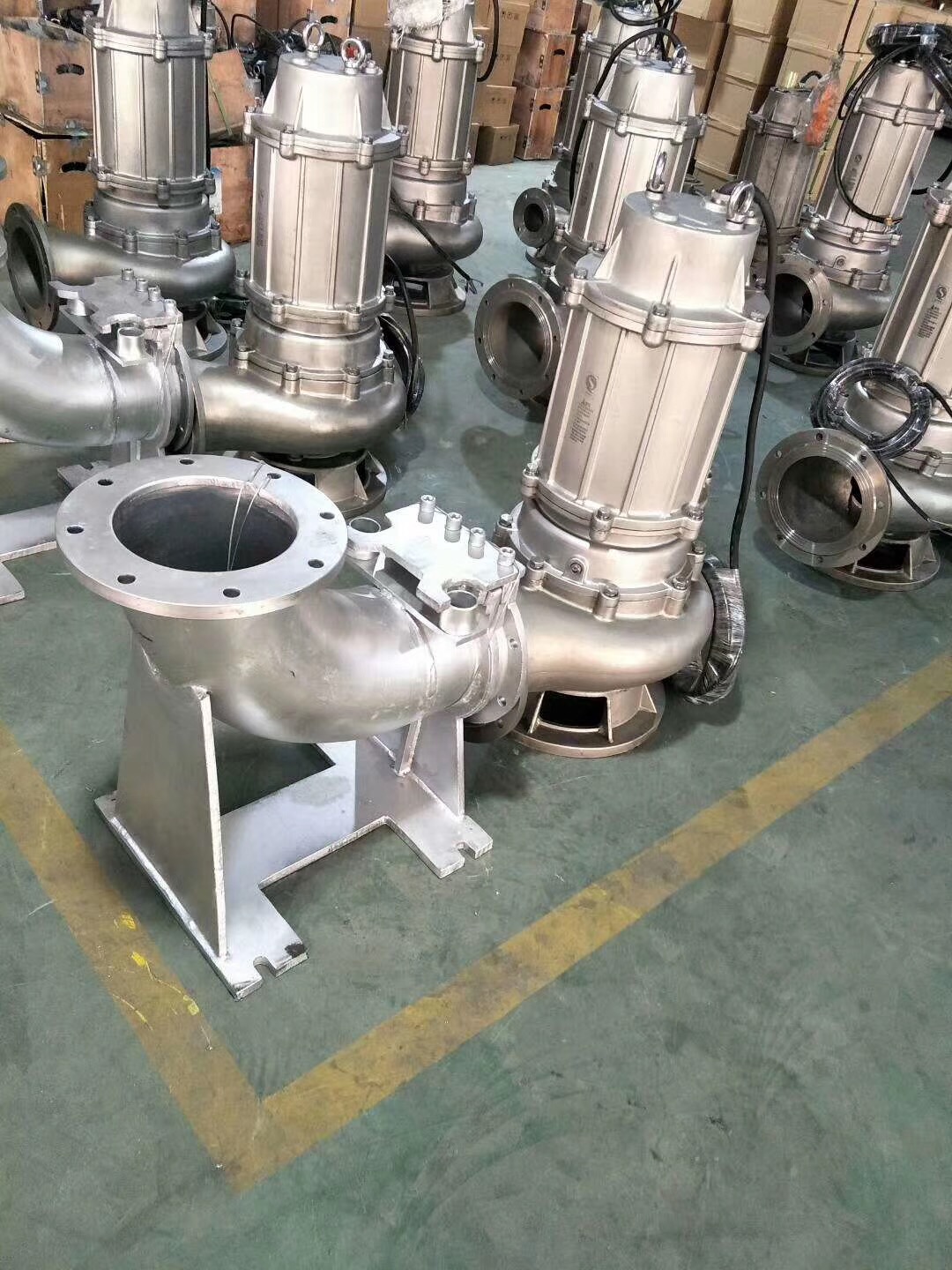
Introduction
Submersible pumps are centrifugal pumps specifically designed for complete immersion in the fluid being pumped. These pumps represent a critical component in a wide array of industrial applications, including wastewater treatment, oil and gas extraction, mine dewatering, and agricultural irrigation. Unlike surface pumps which require priming, submersible pumps are self-priming, offering significant advantages in situations where the fluid source is deep or potentially contains entrained gases. Their positioning within the industry chain is as a direct replacement for traditional pump systems offering increased efficiency and reduced maintenance requirements. Core performance characteristics are defined by flow rate (typically measured in gallons per minute or cubic meters per hour), head (the maximum height the pump can lift the fluid, expressed in feet or meters), and power consumption (measured in horsepower or kilowatts). Selection is heavily influenced by the fluid's specific gravity, viscosity, temperature, and the presence of abrasive or corrosive elements. A key industry pain point is optimizing pump selection for specific fluid characteristics to maximize lifespan and minimize energy consumption.
Material Science & Manufacturing
The construction of submersible pumps relies on a diverse range of materials selected for their resistance to corrosion, abrasion, and mechanical stress. Pump housings are commonly manufactured from cast iron (ASTM A48 Class 30) for cost-effectiveness in less aggressive environments, but stainless steel (304, 316, or duplex stainless steel) is preferred for handling corrosive fluids such as seawater or acidic wastewater. Impellers, the rotating components responsible for imparting energy to the fluid, are frequently produced from high-chromium cast iron or stainless steel. Shafts require high tensile strength and fatigue resistance, often utilizing alloy steels like 4140 or 17-4 PH. Seals are critical for preventing fluid leakage and are typically constructed from materials like Viton, Buna-N, or PTFE, chosen based on the fluid's chemical compatibility and operating temperature.
Manufacturing processes vary depending on the component. Pump housings are typically produced via sand casting followed by machining to achieve precise dimensions and surface finish. Impellers are often manufactured using investment casting for complex geometries and tight tolerances. Shafts are machined from bar stock using CNC lathes and milling machines. Assembly involves precise fitting of components, followed by rigorous testing, including hydrostatic testing to verify leak-tightness and performance testing to validate flow rate and head characteristics. Key parameter control during manufacturing includes dimensional accuracy of impeller vanes, concentricity of shaft and housing, and proper installation of seals. Welding processes, when employed (e.g., for certain housing configurations), must adhere to AWS D1.1 standards to ensure weld integrity and prevent corrosion initiation.
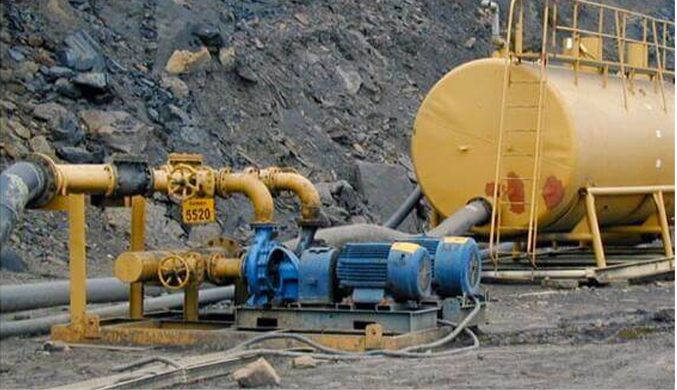
Performance & Engineering
The performance of a submersible pump is governed by fundamental principles of fluid dynamics. Force analysis focuses on the radial and axial forces acting on the impeller due to fluid pressure and flow velocity. These forces must be accounted for in the design of the shaft and bearings to prevent premature failure. Hydraulic design aims to maximize pump efficiency by minimizing energy losses due to friction and turbulence. This involves careful optimization of impeller vane geometry, volute casing shape, and inlet/outlet configurations. Environmental resistance is a crucial consideration, particularly for pumps operating in harsh environments. This includes resistance to corrosion from the pumped fluid, abrasion from suspended solids, and thermal stress from high operating temperatures.
Compliance requirements are dictated by industry-specific standards and regulations. For example, pumps used in potable water applications must comply with NSF/ANSI 61 standards for material safety. Pumps used in hazardous locations must be certified for use in those environments, adhering to standards like ATEX or IECEx. Functional implementation often involves integrating the pump with control systems for automated operation, monitoring, and protection. This may include variable frequency drives (VFDs) for adjusting pump speed to match flow demand, level sensors for automatic start/stop control, and overload protection devices to prevent motor damage. Cavitation, a phenomenon where vapor bubbles form and collapse within the pump, is a common performance issue. Proper Net Positive Suction Head Required (NPSHr) calculation and pump selection are critical to prevent cavitation damage.
Technical Specifications
| Parameter | Unit | Typical Range (Small Pump) | Typical Range (Large Pump) |
|---|---|---|---|
| Flow Rate | GPM (US) | 10 – 100 | 500 – 5000 |
| Head | ft | 20 – 80 | 200 – 800 |
| Power | HP | 0.5 – 5 | 20 – 200 |
| Maximum Submergence | ft | 30 – 100 | 300 – 1000 |
| Fluid Temperature | °F | 32 – 140 | 32 – 212 |
| Solids Handling | inches | Up to 0.5 | Up to 2 |
Failure Mode & Maintenance
Submersible pumps are susceptible to a variety of failure modes. Fatigue cracking in the impeller or housing can occur due to cyclic stresses from fluid flow and vibration. Delamination of the pump housing or impeller can result from corrosion or improper material selection. Degradation of seals leads to leakage and potential motor failure. Oxidation of metallic components, particularly in aggressive environments, can reduce pump efficiency and structural integrity. Abrasive wear, caused by suspended solids in the fluid, erodes impeller vanes and housing surfaces.
Preventative maintenance is crucial for maximizing pump lifespan. Regular inspections should include visual checks for leaks, corrosion, and damage to cables and seals. Monitoring motor current and voltage can identify potential electrical issues. Oil analysis of the pump's lubricating oil (if applicable) can detect wear debris and contamination. Routine cleaning of the pump intake screen prevents clogging and reduces strain on the motor. When failures occur, thorough failure analysis is essential to determine the root cause and prevent recurrence. This may involve metallurgical examination of failed components, chemical analysis of the pumped fluid, and review of operating logs. Seal replacement should be performed at recommended intervals or whenever leakage is detected. Repair or replacement of damaged impellers or housings may require specialized welding or machining services.
Industry FAQ
Q: What is the impact of specific gravity on pump selection?
A: Higher specific gravity fluids require more power to pump. The pump must be sized appropriately to deliver the required flow rate and head at the increased density. Pump curves will typically provide performance data for water (specific gravity of 1.0), and adjustments must be made for fluids with higher specific gravities. Failure to account for specific gravity can lead to motor overload and reduced pump lifespan.
Q: How do I mitigate the risk of cavitation?
A: Cavitation occurs when the absolute pressure at the pump inlet falls below the vapor pressure of the liquid. To prevent this, ensure adequate Net Positive Suction Head Available (NPSHa) exceeds the Net Positive Suction Head Required (NPSHr) by a sufficient margin. This can be achieved by increasing the fluid level in the supply tank, reducing suction line losses, or lowering the pump's elevation.
Q: What materials are best suited for handling abrasive fluids?
A: For abrasive fluids, materials with high hardness and wear resistance are essential. High-chromium cast iron is commonly used for impellers and volute casings. Ceramic coatings can further enhance wear resistance. Rubber liners can also be used to protect pump housings from abrasion. Regular inspection and replacement of worn components are crucial for maintaining pump performance.
Q: What is the role of the motor protector in a submersible pump?
A: The motor protector is a critical safety device that prevents the motor from overheating due to overload, phase failure, or other electrical faults. It typically consists of a thermal overload relay and a phase loss protector. Regular testing of the motor protector is essential to ensure its functionality.
Q: How does fluid viscosity affect pump performance?
A: Increased fluid viscosity results in higher frictional losses within the pump, reducing flow rate and efficiency. Pumps handling viscous fluids may require larger motors and slower operating speeds to maintain the desired performance. It is essential to consult pump curves and adjust the pump selection accordingly.
Conclusion
Submersible pumps offer a robust and efficient solution for fluid transfer in a diverse range of industrial applications. Their self-priming capabilities, submerged operation, and adaptability to various fluid types contribute to their widespread adoption. The careful selection of materials, precise manufacturing processes, and adherence to industry standards are paramount to ensuring long-term reliability and optimal performance. Understanding the potential failure modes and implementing a comprehensive maintenance program are critical for minimizing downtime and maximizing the return on investment.
Future advancements in submersible pump technology are likely to focus on improved energy efficiency, enhanced materials for corrosion resistance, and integration with smart control systems for predictive maintenance and remote monitoring. The development of more sophisticated impeller designs and hydraulic optimization techniques will further enhance pump performance and reduce energy consumption. As environmental regulations become more stringent, the demand for pumps capable of handling increasingly complex and challenging fluids will continue to grow, driving innovation in this critical sector.
-
Comprehensive Guide to Waterproof ORings for Optimal Sealing Solutions
News2026-06-09
-
submergable pump Material Science
News2026-06-23
-
sewer injection pump Performance Engineering
News2026-06-23
-
Sewer Ejector Pump System Performance Analysis
News2026-06-23
-
septic tank pump for sale Performance Engineering
News2026-06-23
-
septic pump for sale Performance Engineering
News2026-06-23
-
septic ejector system Performance Analysis
News2026-06-22
-
replace septic pump Performance Analysis
News2026-06-22
-
pump system septic tank Performance Analysis
News2026-06-22
-
lift pump for sewer Performance and Engineering
News2026-06-22
-
industrial submersible water pump Material Science
News2026-06-22
-
industrial submersible pumps Material Science and Manufacturing
News2026-06-21
-
best sewer ejector pump Performance Analysis
News2026-06-21
-
best septic pump Performance Analysis
News2026-06-21
-
1 2 hp septic pump Performance Engineering
News2026-06-21




