English
- Afrikaans
- Albanian
- Amharic
- Arabic
- Armenian
- Azerbaijani
- Basque
- Belarusian
- Bengali
- Bosnian
- Bulgarian
- Catalan
- Cebuano
- Corsican
- Croatian
- Czech
- Danish
- Dutch
- English
- Esperanto
- Estonian
- Finnish
- French
- Frisian
- Galician
- Georgian
- German
- Greek
- Gujarati
- Haitian Creole
- hausa
- hawaiian
- Hebrew
- Hindi
- Miao
- Hungarian
- Icelandic
- igbo
- Indonesian
- irish
- Italian
- Japanese
- Javanese
- Kannada
- kazakh
- Khmer
- Rwandese
- Korean
- Kurdish
- Kyrgyz
- Lao
- Latin
- Latvian
- Lithuanian
- Luxembourgish
- Macedonian
- Malgashi
- Malay
- Malayalam
- Maltese
- Maori
- Marathi
- Mongolian
- Myanmar
- Nepali
- Norwegian
- Norwegian
- Occitan
- Pashto
- Persian
- Polish
- Portuguese
- Punjabi
- Romanian
- Russian
- Samoan
- Scottish Gaelic
- Serbian
- Sesotho
- Shona
- Sindhi
- Sinhala
- Slovak
- Slovenian
- Somali
- Spanish
- Sundanese
- Swahili
- Swedish
- Tagalog
- Tajik
- Tamil
- Tatar
- Telugu
- Thai
- Turkish
- Turkmen
- Ukrainian
- Urdu
- Uighur
- Uzbek
- Vietnamese
- Welsh
- Bantu
- Yiddish
- Yoruba
- Zulu

Telephone: +86 13120555503
Email: frank@cypump.com


Apr . 01, 2024 17:55 Back to list
stainless steel submersible sewage pump Material Science Manufacturing
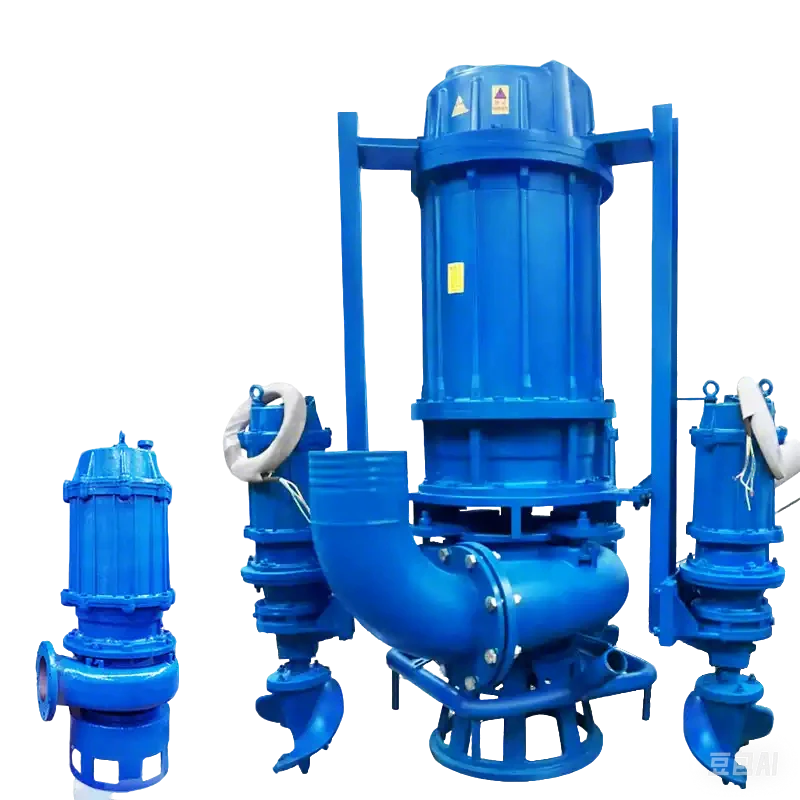
Introduction
Stainless steel submersible sewage pumps are centrifugal pumps specifically designed for the efficient and reliable removal of wastewater, sewage, and solids-laden fluids. Positioned within the infrastructure of wastewater treatment plants, municipal sewage systems, industrial effluent management, and flood control, these pumps represent a critical component of public health and environmental protection. Unlike conventional pumps requiring priming, submersible designs are fully encapsulated within a watertight casing, allowing for complete immersion in the fluid being pumped. This design eliminates the need for suction lift, minimizes noise, and prevents the release of potentially harmful gases. Core performance characteristics are defined by flow rate (typically measured in gallons per minute or cubic meters per hour), total dynamic head (TDH – the maximum height the pump can lift the fluid), solids handling capability (maximum particle size), and power consumption. The increasing demand for efficient and durable wastewater handling solutions, coupled with tightening environmental regulations, drives continuous innovation in materials, hydraulic design, and control systems for these pumps.
Material Science & Manufacturing
The performance and longevity of stainless steel submersible sewage pumps are fundamentally linked to material selection and manufacturing processes. The pump housing, impeller, and wear plates are commonly constructed from various grades of stainless steel, with 304 and 316 being the most prevalent. 304 stainless steel offers excellent corrosion resistance in a broad range of environments, while 316, containing molybdenum, provides superior resistance to chloride-induced pitting and crevice corrosion, essential for marine or highly saline wastewater applications. Impellers are often investment cast using CA15 or similar alloys to achieve complex geometries and high strength. Shafts are typically made from 410 or 420 stainless steel, hardened and tempered for high tensile strength and wear resistance. Seals are crucial components, commonly employing silicon carbide faces paired with EPDM or Viton elastomers for chemical compatibility and abrasion resistance.
Manufacturing processes involve several critical steps. The housing is typically formed through sand casting or investment casting, followed by precision machining to ensure tight tolerances and smooth surface finishes. Welding processes, primarily utilizing Shielded Metal Arc Welding (SMAW) or Gas Tungsten Arc Welding (GTAW), are used to join various components. Weld quality is paramount, requiring strict adherence to welding procedures and non-destructive testing (NDT), such as radiographic inspection, to detect defects. Impeller balancing is crucial to minimize vibration and extend bearing life. The assembly process requires precise alignment of the impeller, shaft, and seal to prevent premature failure. Surface treatments, such as electropolishing, are often applied to enhance corrosion resistance and reduce friction. Key parameter control includes maintaining precise chemical compositions of the alloys, controlling cooling rates during heat treatment, and rigorously inspecting for dimensional accuracy.
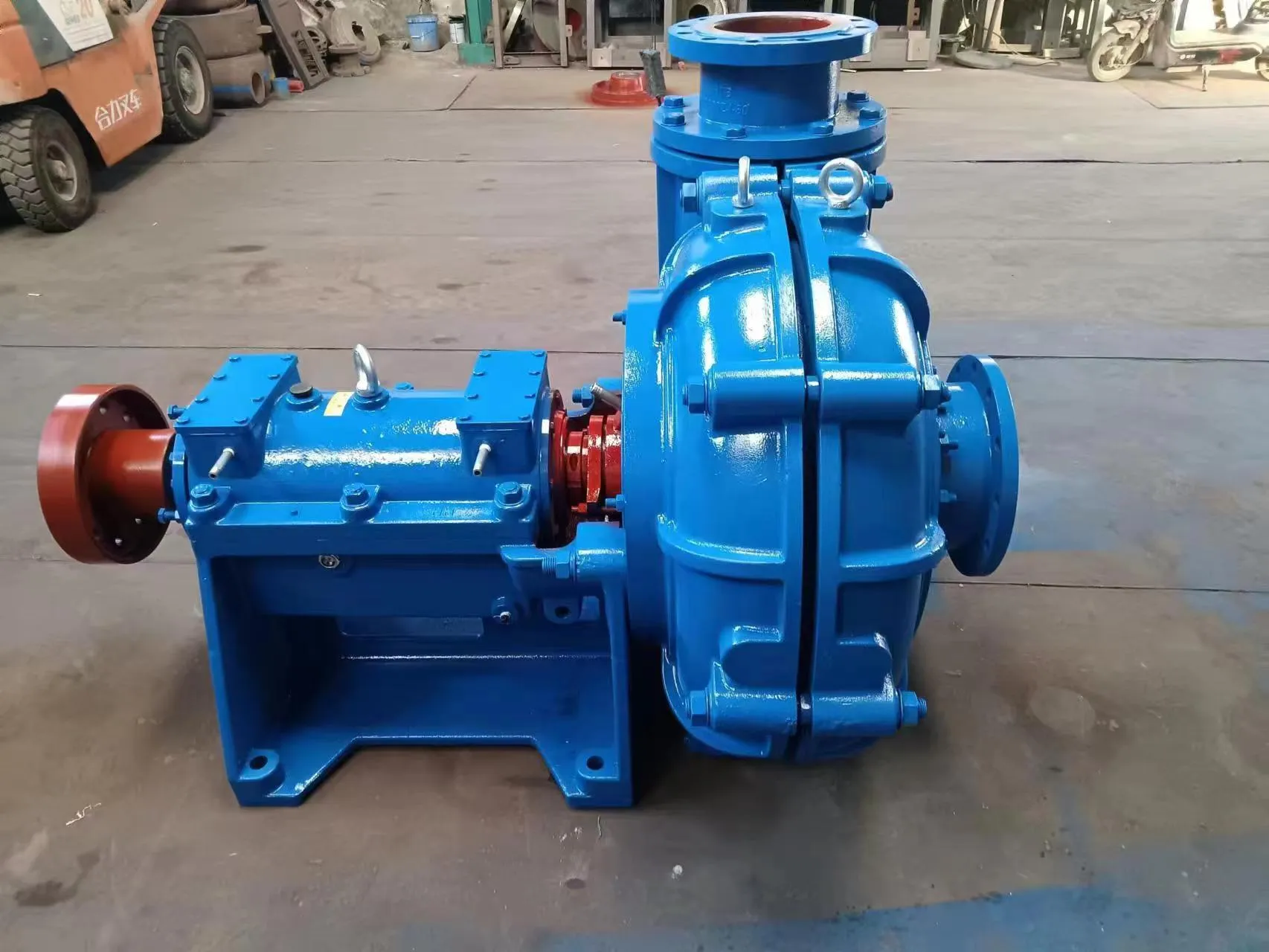
Performance & Engineering
The engineering design of stainless steel submersible sewage pumps focuses on maximizing hydraulic efficiency, minimizing wear, and ensuring reliable operation in demanding environments. Force analysis is critical, considering both static and dynamic loads. Static loads include the weight of the pump and the hydrostatic pressure, while dynamic loads arise from fluid flow and impeller rotation. Finite Element Analysis (FEA) is commonly employed to optimize housing geometry and impeller design to withstand these stresses.
Environmental resistance is a key consideration. Pumps operating in corrosive wastewater require careful material selection and protective coatings. The pump's electrical components must be completely sealed and insulated to prevent electrical shorts and corrosion. Compliance requirements vary by region, with standards such as those set by the EPA (Environmental Protection Agency) in the US, and similar bodies in Europe and Asia, dictating discharge limits for pollutants and requiring energy efficiency. Functional implementation details include motor selection (typically three-phase induction motors), impeller design (radial, mixed-flow, or axial flow depending on the application), and seal arrangement (single or double mechanical seals). Proper motor sizing is crucial to match the pump's performance characteristics to the system requirements, preventing overload and extending motor life. Cable gland design must ensure a watertight seal to prevent water ingress into the motor compartment. The design must also account for potential clogging issues by incorporating features such as open impellers or cutter systems.
Technical Specifications
| Parameter | Unit | Typical Range | Test Standard |
|---|---|---|---|
| Flow Rate | GPM (US) / m³/h | 50 - 5000 | HI 1.6 |
| Total Dynamic Head (TDH) | ft / m | 20 - 200 | ISO 9906 |
| Solids Handling Capability | inch / mm | Up to 4 / 100 | Manufacturer’s Specification |
| Motor Power | HP / kW | 0.75 - 100 | IEC 60034 |
| Maximum Immersion Depth | ft / m | Up to 80 / 25 | Manufacturer’s Specification |
| Operating Temperature | °F / °C | 32 - 104 / 0 - 40 | ASTM E23 |
Failure Mode & Maintenance
Stainless steel submersible sewage pumps, despite their robust design, are susceptible to various failure modes. Fatigue cracking in the impeller or housing can occur due to cyclic loading and stress concentration, often initiated at weld points or geometric discontinuities. Delamination of protective coatings, particularly epoxy or polyurethane coatings, can lead to corrosion of the underlying stainless steel. Degradation of elastomer seals, caused by chemical attack, abrasion, or thermal cycling, results in leakage and loss of pumping efficiency. Oxidation of stainless steel, while relatively slow, can occur in environments with low oxygen levels or the presence of chlorides. Cavitation, caused by low inlet pressure or high fluid velocity, leads to pitting and erosion of the impeller. Bearing failure, a common issue, arises from inadequate lubrication, contamination, or excessive load.
Professional maintenance solutions involve regular inspection of seals, bearings, and impellers for wear and damage. Lubrication schedules should be strictly followed, using appropriate synthetic lubricants. Periodic cleaning of the pump housing and impeller to remove accumulated solids prevents clogging and reduces wear. Non-destructive testing (NDT), such as ultrasonic testing or radiographic inspection, can detect hidden cracks or corrosion. Replacing worn or damaged components proactively prevents catastrophic failures. Proper grounding and electrical safety checks are essential to prevent electrical hazards. Maintaining accurate records of pump performance and maintenance activities facilitates predictive maintenance and extends pump life. Implement vibration analysis to identify bearing and impeller issues early on.
Industry FAQ
Q: What is the impact of wastewater composition on stainless steel selection?
A: The composition of wastewater significantly influences stainless steel grade selection. High chloride content necessitates 316 stainless steel for superior pitting resistance. The presence of sulfuric acid requires specific alloys with enhanced acid resistance. Abrasive solids dictate the need for hardened stainless steel or wear-resistant coatings. Regular analysis of wastewater is crucial for informed material selection.
Q: How does impeller design affect pump efficiency and solids handling capability?
A: Impeller design is a critical factor. Open impellers are better suited for handling large solids and preventing clogging, but typically have lower efficiency. Closed impellers offer higher efficiency but are more prone to clogging. Mixed-flow impellers represent a compromise between efficiency and solids handling. The impeller's blade angle and width also influence performance.
Q: What are the key considerations for selecting a mechanical seal?
A: Mechanical seal selection requires careful consideration of fluid compatibility, temperature, pressure, and solids content. Silicon carbide faces offer excellent abrasion resistance. EPDM elastomers are suitable for many wastewater applications, but Viton may be necessary for resistance to specific chemicals. Double mechanical seals provide an extra layer of protection against leakage.
Q: How does motor temperature impact pump lifespan?
A: Elevated motor temperature significantly reduces lifespan. Overheating can degrade insulation, leading to short circuits and motor failure. Proper motor sizing, adequate cooling (provided by the surrounding fluid), and regular monitoring of motor temperature are essential for preventing overheating. Implementing thermal overload protection is crucial.
Q: What preventative maintenance steps can minimize downtime?
A: Regular vibration analysis, oil analysis, visual inspections for corrosion or wear, and adherence to recommended lubrication schedules are essential preventative maintenance steps. Implementing a predictive maintenance program based on data analysis can identify potential issues before they lead to failure, minimizing downtime and repair costs.
Conclusion
Stainless steel submersible sewage pumps are indispensable for modern wastewater management, representing a complex interplay of material science, hydraulic engineering, and robust manufacturing processes. Their selection and maintenance require a thorough understanding of operating conditions, potential failure modes, and relevant industry standards. Prioritizing material compatibility, ensuring precise manufacturing tolerances, and implementing a comprehensive preventative maintenance program are critical to maximizing pump longevity and minimizing lifecycle costs.
Future advancements will likely focus on optimizing hydraulic efficiency through computational fluid dynamics (CFD) modeling, developing more durable and corrosion-resistant materials, and integrating smart sensors and remote monitoring capabilities for predictive maintenance and improved operational control. The increasing emphasis on sustainable water management will further drive innovation in pump design and performance, demanding solutions that are both environmentally responsible and economically viable.
-
submersible effluent sewage pump Performance Analysis
News2026-05-31
-
stainless steel submersible sewage pumps Performance Engineering
News2026-05-31
-
stainless steel submersible sewage pump Material Science Manufacturing
News2026-05-31
-
Sewage Submersible Pump Installation Performance Analysis
News2026-05-31
-
sewage submersible pump 2hp Performance Analysis
News2026-05-31
-
sewage submersible pump 1hp Performance Analysis
News2026-05-30
-
1 hp sewage submersible pump Performance Analysis
News2026-05-30
-
waste pump for basement bathroom Performance and Engineering
News2026-05-30
-
Sump Pump Drain Field Performance Analysis
News2026-05-30
-
small sewage pump Performance Analysis
News2026-05-30
-
sewer pump for basement Material Science Manufacturing
News2026-05-29
-
sewage sump pumps Performance and Engineering
News2026-05-29
-
sewage pumps for septic tanks Material Science and Manufacturing
News2026-05-29
-
Sewage Pumping Companies Performance Analysis
News2026-05-29
-
Sewage Pump Manufacturers Performance Engineering
News2026-05-29




