English
- Afrikaans
- Albanian
- Amharic
- Arabic
- Armenian
- Azerbaijani
- Basque
- Belarusian
- Bengali
- Bosnian
- Bulgarian
- Catalan
- Cebuano
- Corsican
- Croatian
- Czech
- Danish
- Dutch
- English
- Esperanto
- Estonian
- Finnish
- French
- Frisian
- Galician
- Georgian
- German
- Greek
- Gujarati
- Haitian Creole
- hausa
- hawaiian
- Hebrew
- Hindi
- Miao
- Hungarian
- Icelandic
- igbo
- Indonesian
- irish
- Italian
- Japanese
- Javanese
- Kannada
- kazakh
- Khmer
- Rwandese
- Korean
- Kurdish
- Kyrgyz
- Lao
- Latin
- Latvian
- Lithuanian
- Luxembourgish
- Macedonian
- Malgashi
- Malay
- Malayalam
- Maltese
- Maori
- Marathi
- Mongolian
- Myanmar
- Nepali
- Norwegian
- Norwegian
- Occitan
- Pashto
- Persian
- Polish
- Portuguese
- Punjabi
- Romanian
- Russian
- Samoan
- Scottish Gaelic
- Serbian
- Sesotho
- Shona
- Sindhi
- Sinhala
- Slovak
- Slovenian
- Somali
- Spanish
- Sundanese
- Swahili
- Swedish
- Tagalog
- Tajik
- Tamil
- Tatar
- Telugu
- Thai
- Turkish
- Turkmen
- Ukrainian
- Urdu
- Uighur
- Uzbek
- Vietnamese
- Welsh
- Bantu
- Yiddish
- Yoruba
- Zulu

Telephone: +86 13120555503
Email: frank@cypump.com


Apr . 01, 2024 17:55 Back to list
Split Case Pumps Performance Analysis
Introduction
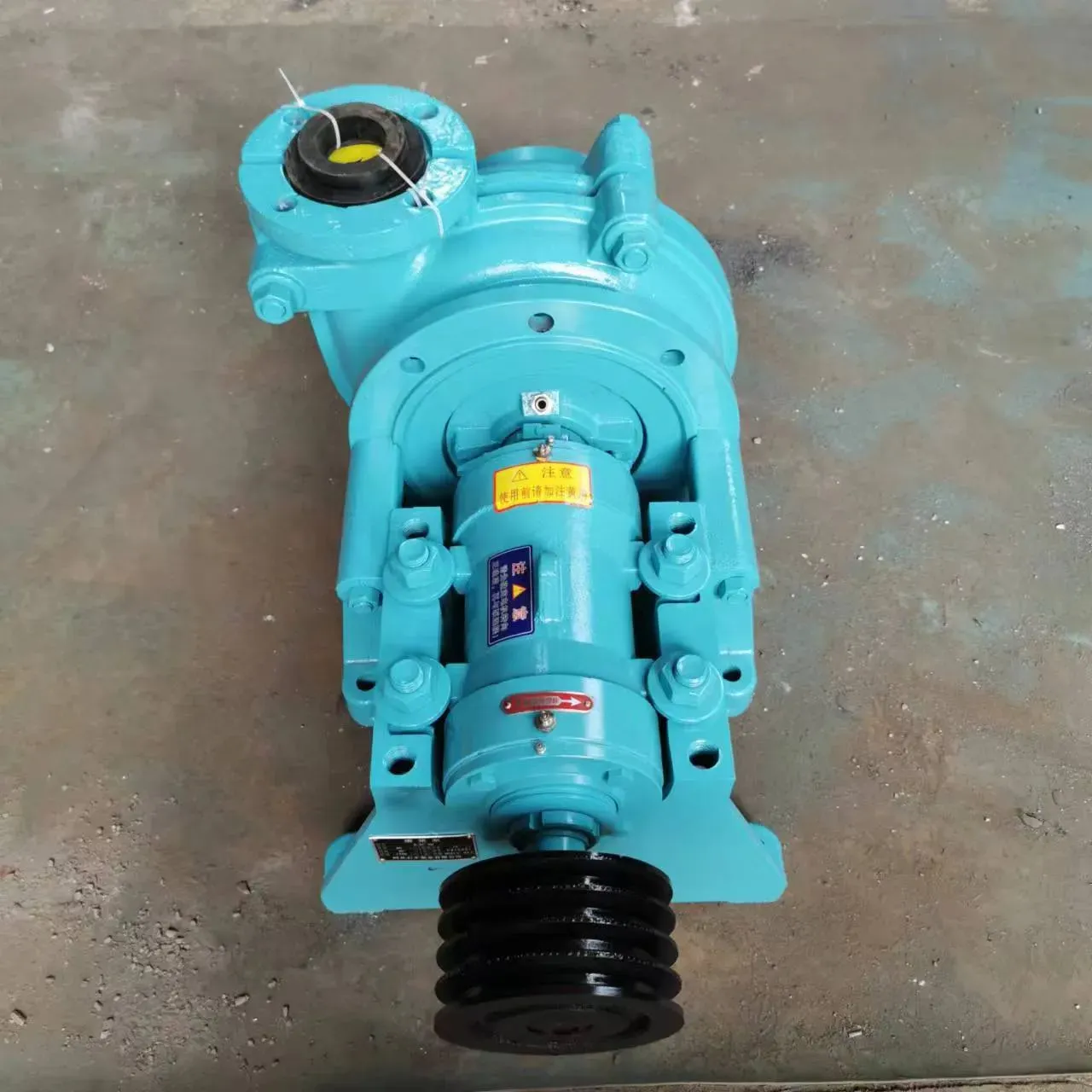
Split case pumps, also known as horizontally split case pumps, represent a significant class of centrifugal pumps widely employed in industrial applications requiring high flow rates and moderate heads. Positioned between end-suction centrifugal pumps and large vertically suspended pumps in the industry chain, they offer a balance of performance, maintainability, and cost-effectiveness. Their design, characterized by a casing split along the horizontal centerline, facilitates internal component access for inspection and repair without disturbing connected piping. Core performance characteristics include high efficiency across a broad operating range, suitability for handling clean or slightly contaminated fluids, and robust construction capable of withstanding demanding industrial environments. A key pain point addressed by split case pump design is reducing downtime associated with maintenance, a critical concern for industries like power generation, water treatment, and chemical processing. They address the limitations of end-suction pumps in larger capacities and provide a more accessible alternative to complex vertical configurations.
Material Science & Manufacturing
The performance and longevity of split case pumps are intimately tied to the material science of their components and the precision of their manufacturing processes. Pump casings are commonly constructed from cast iron (ASTM A48 Class 30 or higher), ductile iron (ASTM A536 65-45-12), or alloy steels (such as ASTM A351 Grade CX) depending on the fluid being pumped and the operating pressure. Cast iron provides good corrosion resistance for water-based fluids, while ductile iron offers increased tensile strength and shock resistance. Alloy steels are used for aggressive chemicals and high-temperature applications. Impellers are frequently manufactured from bronze (ASTM B584 Alloy C83600), stainless steel (316 or 904L grades), or composite materials. The choice depends on erosion resistance and fluid compatibility. Shafts are typically made from high-strength alloy steel (4140 or 4340) and undergo heat treatment for enhanced durability. Manufacturing processes include sand casting for casings, investment casting or centrifugal casting for impellers, and CNC machining for critical components like shafts and wear rings. Welding is employed for joining certain casing sections and for shaft repairs. Key parameter control during manufacturing focuses on dimensional accuracy of impeller blades, surface finish of internal flow passages to minimize friction losses, and proper alignment of shaft and bearings. Non-destructive testing (NDT) methods, such as liquid penetrant inspection and ultrasonic testing, are crucial for detecting flaws in castings and welds before assembly. Proper heat treatment profiles are essential to achieve the desired mechanical properties in steel components, specifically hardness and tensile strength.
Performance & Engineering
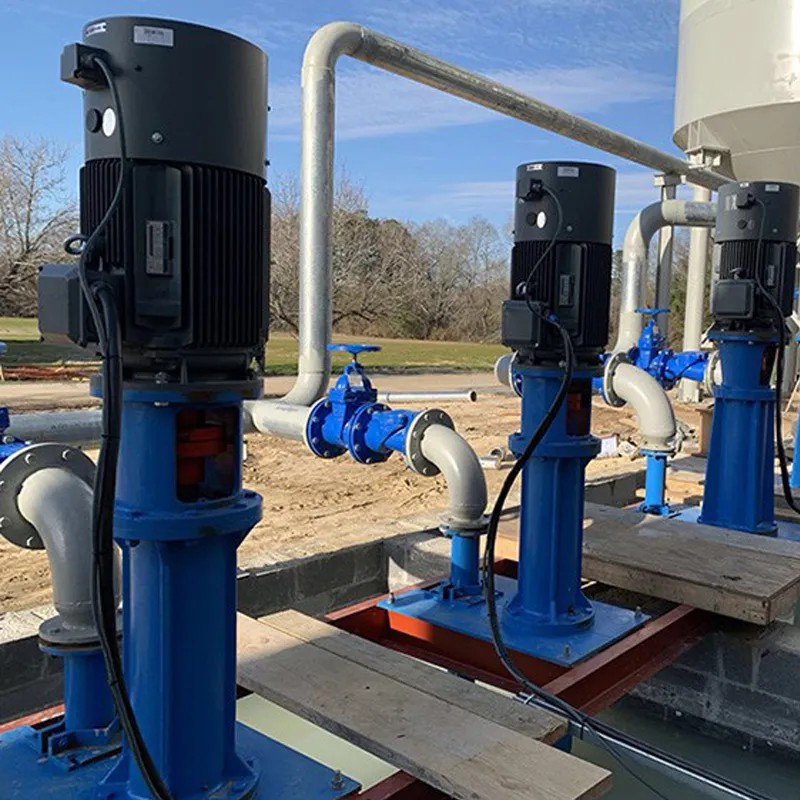
Split case pump performance is fundamentally governed by hydraulic principles and mechanical engineering considerations. Force analysis focuses on radial loads exerted on the impeller shaft due to unbalanced hydraulic pressures and axial thrust resulting from impeller geometry and flow rates. Bearing selection (typically ball or roller bearings) is critical for supporting these loads and ensuring smooth pump operation. Environmental resistance considerations include corrosion protection via coatings (epoxy, polyurethane) or material selection, and thermal management to prevent overheating. Pump performance curves, illustrating head, flow rate, and efficiency as a function of impeller diameter and speed, are essential for proper system design. Compliance requirements, such as those outlined by Hydraulic Institute (HI) standards and API 610 (Centrifugal Pumps), dictate minimum performance levels, testing procedures, and material specifications. Functional implementation details involve careful sizing of the pump to meet system demands, selection of appropriate seal types (mechanical seals, packing), and incorporation of wear rings to minimize internal leakage and maintain efficiency over time. Net Positive Suction Head Required (NPSHr) is a crucial parameter that must be met to prevent cavitation, a phenomenon that can severely damage the impeller. Pump efficiency is maximized by optimizing impeller blade design, minimizing internal flow losses, and ensuring proper alignment of rotating components. Variable Frequency Drives (VFDs) are increasingly used to control pump speed and flow rate, improving energy efficiency and process control.
Technical Specifications
| Parameter | Unit | Typical Range (Small/Medium Size Pump) | Typical Range (Large Size Pump) |
|---|---|---|---|
| Flow Rate | m³/h | 50 - 500 | 500 - 5000 |
| Head | m | 20 - 100 | 100 - 300 |
| Power | kW | 3 - 30 | 30 - 300 |
| Maximum Operating Pressure | bar | 10 - 25 | 25 - 40 |
| Temperature Range | °C | -20 to 120 | -20 to 200 |
| Casing Material | - | Cast Iron (A48 Class 30) / Ductile Iron (A536 65-45-12) | Ductile Iron (A536 65-45-12) / Alloy Steel (A351 CX) |
Failure Mode & Maintenance
Split case pumps, while robust, are susceptible to various failure modes. Fatigue cracking in the casing can occur due to cyclical pressure fluctuations and vibrations. Impeller erosion, particularly when handling abrasive fluids, leads to reduced performance and increased vibration. Shaft misalignment causes premature bearing failure and seal leakage. Mechanical seal failures, often due to abrasion, corrosion, or improper installation, are a common occurrence. Corrosion, particularly in pumps handling corrosive fluids, can weaken casing and impeller materials. Cavitation, as previously mentioned, causes significant impeller damage. Regular maintenance is crucial for preventing these failures. This includes routine vibration analysis, oil analysis of bearing lubrication, visual inspection of casings and impellers for signs of corrosion or erosion, and periodic seal replacement. Preventative maintenance schedules should be tailored to the specific application and fluid being pumped. When failures do occur, root cause analysis is essential to identify the underlying issue and implement corrective actions. For example, excessive vibration may indicate impeller imbalance or bearing failure, requiring dynamic balancing or bearing replacement. Corrosion can be addressed by upgrading materials or applying protective coatings. Detailed maintenance logs should be maintained to track pump performance and identify trends, allowing for proactive maintenance and optimization.
Industry FAQ
Q: What are the key advantages of a split case pump over an end-suction centrifugal pump for high-flow applications?
A: Split case pumps offer superior hydraulic performance and maintainability in high-flow applications. Their double-volute design provides better radial balance, reducing hydraulic thrust and vibration. The split casing allows for easy access to internal components without disturbing piping, minimizing downtime during maintenance. While end-suction pumps are more compact and generally less expensive for smaller capacities, split case pumps excel when higher flow rates and robustness are paramount.
Q: What materials are best suited for handling highly corrosive fluids in a split case pump?
A: For highly corrosive fluids, materials like stainless steel (specifically 316 or 904L), alloy 20, or specialized polymers (like PTFE) are recommended. The casing, impeller, and seals must be constructed from materials resistant to the specific corrosive agent. Consideration should also be given to coatings, such as epoxy or fluoropolymer linings, to provide additional protection.
Q: How do I diagnose cavitation in a split case pump?
A: Symptoms of cavitation include a rattling or knocking noise within the pump, reduced pump performance (flow and head), and impeller damage (pitting and erosion). Monitoring the Net Positive Suction Head Available (NPSHa) and comparing it to the pump’s NPSHr is critical. If NPSHa is less than NPSHr, cavitation is likely occurring. Other causes include restrictions in the suction line and excessive suction lift.
Q: What is the role of wear rings in a split case pump, and how often should they be replaced?
A: Wear rings are replaceable components installed in the casing and on the impeller to create a close clearance between rotating and stationary parts. They minimize internal leakage, maintain pump efficiency, and protect the casing and impeller from wear. Replacement frequency depends on the fluid being pumped and the severity of abrasion, but typically ranges from 2 to 5 years. Increased leakage and reduced pump performance are indicators that wear rings need replacing.
Q: What are the benefits of using a Variable Frequency Drive (VFD) with a split case pump?
A: VFDs allow for precise control of pump speed, enabling optimization of flow rate to match process demands. This results in significant energy savings, reduced mechanical stress on the pump, and improved process control. VFDs can also provide soft starting and stopping, minimizing water hammer and extending pump life. They are particularly beneficial in applications with variable flow requirements.
Conclusion
Split case pumps represent a crucial technology in numerous industrial sectors, offering a robust and reliable solution for high-flow, moderate-head applications. Their design prioritizes maintainability, allowing for reduced downtime and lifecycle cost savings. The material science involved in their construction, ranging from cast iron to advanced alloys, dictates their suitability for a broad spectrum of fluids and operating conditions. Understanding the principles of hydraulic performance, force analysis, and adherence to industry standards (like those from the Hydraulic Institute and API) are paramount for successful application and longevity.
Looking ahead, advancements in materials science, such as the development of more corrosion-resistant alloys and improved coating technologies, will continue to enhance the performance and durability of split case pumps. Integration with smart monitoring systems and predictive maintenance algorithms will further optimize their operation and minimize unexpected failures. The continued demand for energy efficiency will drive innovation in impeller designs and VFD control strategies, solidifying the split case pump's position as a vital component of modern industrial infrastructure.
-
pump for sewage water Performance Analysis
News2026-05-23
-
plumbing sewage ejector pump Performance Engineering
News2026-05-23
-
home sewer pump station Performance and Engineering
News2026-05-23
-
high pressure sump pump Performance Analysis
News2026-05-23
-
high head effluent pump Performance Analysis
News2026-05-23
-
Effluent vs Sump Pump Performance Analysis
News2026-05-22
-
effluent septic pump Performance Engineering
News2026-05-22
-
best sewer pumps Performance Engineering
News2026-05-22
-
best sewer pump Performance Analysis
News2026-05-22
-
best sewage pumps Performance Engineering
News2026-05-22
-
basement bathroom sewage pump Material Science Manufacturing
News2026-05-21
-
wastewater treatment plant pumps Material Science Manufacturing
News2026-05-21
-
waste water pump for basement Material Science Manufacturing
News2026-05-21
-
sump pump sewage Performance Analysis
News2026-05-21
-
sump pump for sewage Material Science and Manufacturing
News2026-05-21




