English
- Afrikaans
- Albanian
- Amharic
- Arabic
- Armenian
- Azerbaijani
- Basque
- Belarusian
- Bengali
- Bosnian
- Bulgarian
- Catalan
- Cebuano
- Corsican
- Croatian
- Czech
- Danish
- Dutch
- English
- Esperanto
- Estonian
- Finnish
- French
- Frisian
- Galician
- Georgian
- German
- Greek
- Gujarati
- Haitian Creole
- hausa
- hawaiian
- Hebrew
- Hindi
- Miao
- Hungarian
- Icelandic
- igbo
- Indonesian
- irish
- Italian
- Japanese
- Javanese
- Kannada
- kazakh
- Khmer
- Rwandese
- Korean
- Kurdish
- Kyrgyz
- Lao
- Latin
- Latvian
- Lithuanian
- Luxembourgish
- Macedonian
- Malgashi
- Malay
- Malayalam
- Maltese
- Maori
- Marathi
- Mongolian
- Myanmar
- Nepali
- Norwegian
- Norwegian
- Occitan
- Pashto
- Persian
- Polish
- Portuguese
- Punjabi
- Romanian
- Russian
- Samoan
- Scottish Gaelic
- Serbian
- Sesotho
- Shona
- Sindhi
- Sinhala
- Slovak
- Slovenian
- Somali
- Spanish
- Sundanese
- Swahili
- Swedish
- Tagalog
- Tajik
- Tamil
- Tatar
- Telugu
- Thai
- Turkish
- Turkmen
- Ukrainian
- Urdu
- Uighur
- Uzbek
- Vietnamese
- Welsh
- Bantu
- Yiddish
- Yoruba
- Zulu

Telephone: +86 13120555503
Email: frank@cypump.com


Apr . 01, 2024 17:55 Back to list
splash fun pipeline pumper Performance Analysis
Introduction
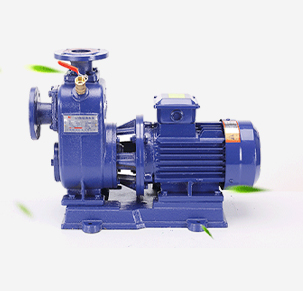
The splash fun pipeline pumper is a positive displacement pump designed for the controlled and efficient transfer of viscous fluids, specifically within the recreational water park and splash pad industry. Positioned downstream of filtration systems and upstream of water features, its primary function is to circulate water with consistent pressure and flow rate, ensuring optimal performance of spray nozzles, dumping buckets, and other interactive elements. Unlike centrifugal pumps, which are sensitive to viscosity changes, the pipeline pumper’s design excels with the higher viscosity often associated with treated recreational water containing sanitizers and additives. Core performance characteristics center around sustained flow rate against varying system head pressures, reliable operation in chemically treated water, and minimization of shear stress to prevent damage to water treatment additives. The escalating demand for larger and more complex splash pads necessitates pumping solutions capable of handling increased flow requirements and maintaining consistent performance, making the pipeline pumper a critical component of modern aquatic recreational facilities.
Material Science & Manufacturing
The construction of a typical splash fun pipeline pumper leverages materials selected for chemical resistance, durability, and hydraulic efficiency. The pump housing is frequently manufactured from Polypropylene (PP) or Polyvinyl Chloride (PVC) due to their excellent resistance to chlorine, bromine, and other common water treatment chemicals. PP exhibits a tensile strength of 20-30 MPa and a flexural modulus of 1.5-2.0 GPa, making it suitable for moderate pressure applications. PVC offers a higher tensile strength (50-70 MPa) and is preferred for higher-pressure systems. The internal pumping elements, typically consisting of rotors and stators, are often manufactured from elastomers like Ethylene Propylene Diene Monomer (EPDM) rubber. EPDM provides excellent chemical resistance, flexibility, and a shore hardness ranging from 60A to 80A depending on the application. The manufacturing process predominantly involves injection molding for the housing and precision machining for the rotor/stator components. Parameter control during injection molding is crucial; maintaining consistent melt temperature (200-230°C for PP, 180-210°C for PVC) and mold temperature (30-50°C) ensures dimensional accuracy and prevents warping. Rotor/stator pairings require tight tolerance machining (within ±0.02mm) to maintain optimal sealing and prevent slippage. Post-machining, components undergo rigorous quality control, including hydrostatic testing to verify pressure containment and material hardness testing to confirm elastomer specifications.
Performance & Engineering
Performance of the splash fun pipeline pumper is fundamentally governed by principles of fluid mechanics and positive displacement theory. The pump generates flow by trapping a fixed volume of fluid between the rotating rotor and the stationary stator, progressing it through the pump chamber with each revolution. Force analysis considers the hydrostatic pressure exerted by the water, the frictional losses within the pump chamber and piping system, and the mechanical stresses on the rotating components. Environmental resistance is a primary engineering consideration; pumps are typically designed to operate within a temperature range of 5-40°C and are constructed with UV-resistant materials to mitigate degradation from sunlight exposure. Compliance requirements involve adherence to NSF/ANSI Standard 50 for recreational water equipment, ensuring materials are safe for potable water contact. Furthermore, electrical safety standards such as UL 799 for electric motors and IEC 60335-2-40 for pumps are mandatory. Functional implementation requires careful consideration of system head loss, which is a function of pipe diameter, pipe length, elevation changes, and the number of fittings. Pump selection must account for the maximum system head loss to ensure adequate flow rate and prevent motor overload. Variable Frequency Drives (VFDs) are often integrated to allow for flow rate adjustments based on varying water feature demand and optimize energy consumption.
Technical Specifications
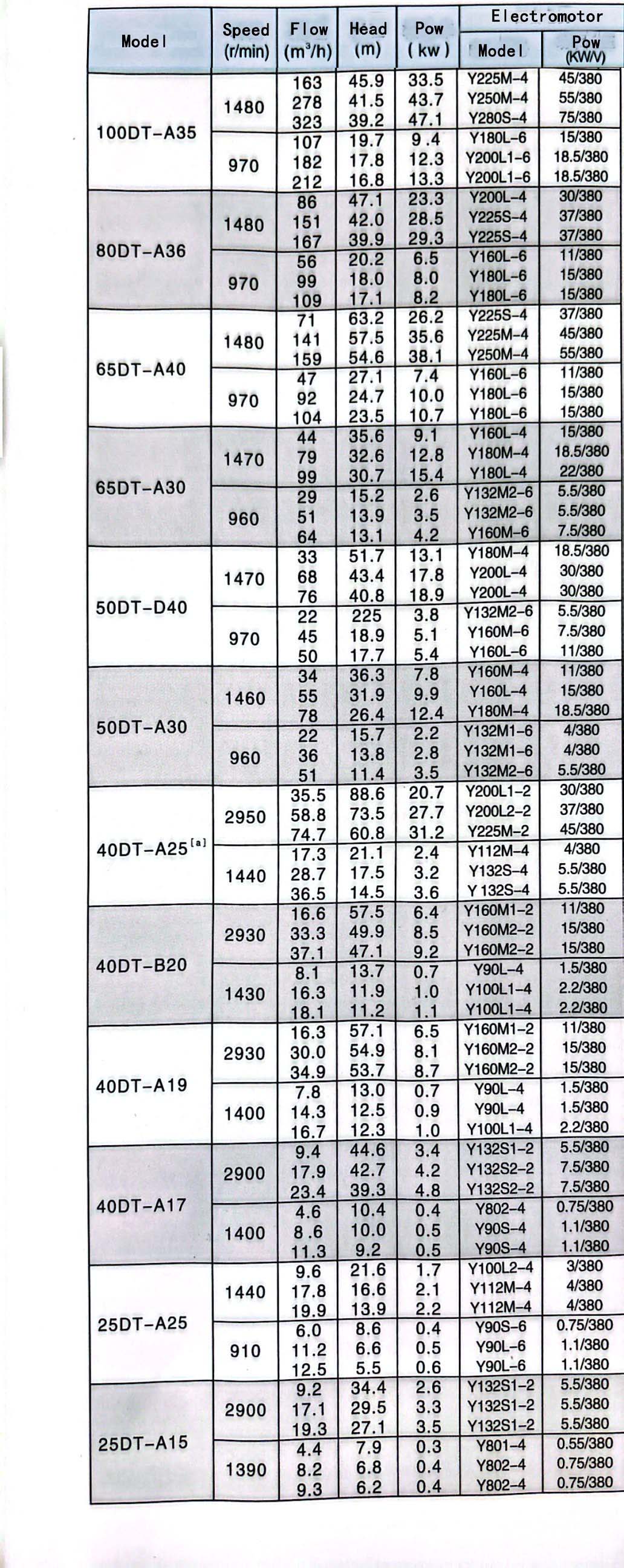
| Flow Rate (GPM) | Maximum Head (ft) | Motor Power (HP) | Inlet/Outlet Size (in) |
|---|---|---|---|
| 10-20 | 50-75 | 1-2 | 2 |
| 20-40 | 75-100 | 2-3 | 2.5 |
| 40-60 | 100-125 | 3-5 | 3 |
| 60-80 | 125-150 | 5-7.5 | 4 |
| 80-100 | 150-175 | 7.5-10 | 4 |
| 100-120 | 175-200 | 10-15 | 6 |
Failure Mode & Maintenance
Common failure modes in splash fun pipeline pumpers include rotor/stator wear due to abrasive particles in the water, seal failures leading to leakage, and motor burnout from overload or insufficient cooling. Rotor/stator wear manifests as reduced flow rate and increased noise levels. The primary cause is typically inadequate filtration allowing sand, silt, or scale to enter the pump chamber. Seal failures are often a consequence of chemical degradation of the seal material (e.g., EPDM becoming brittle from prolonged chlorine exposure) or mechanical damage from debris. Motor burnout results from exceeding the motor’s rated load capacity, often caused by increased system head loss due to clogged filters or blocked piping. Preventative maintenance is crucial. Regular inspection (monthly) should include visual checks for leaks, unusual noise, and excessive vibration. Rotor/stator replacement is typically required every 1-3 years depending on water quality and usage intensity. Seals should be inspected and replaced annually or as needed. Electrical connections should be checked for corrosion and tightened as necessary. Filtration systems should be maintained rigorously to minimize abrasive particle ingress. Periodic flushing of the pump chamber can also help remove accumulated debris. A detailed maintenance log should be maintained to track component replacement intervals and identify potential recurring issues.
Industry FAQ
Q: What is the impact of water chemistry on the lifespan of the pump elastomers?
A: Prolonged exposure to high concentrations of chlorine or bromine can accelerate the degradation of EPDM rubber, leading to reduced flexibility and eventual cracking. Maintaining proper water balance (pH, alkalinity, sanitizer levels) is crucial. Consider using elastomers specifically formulated for high-sanitizer environments.
Q: How do I determine the appropriate pump size for my splash pad?
A: Accurate pump sizing requires calculating the total dynamic head (TDH) of the system, which includes static lift, friction losses in the piping, and the pressure required by the water features. Consult with a qualified pump engineer to perform this calculation accurately.
Q: What are the common causes of reduced pump flow rate?
A: Reduced flow rate can be caused by several factors, including clogged filters, worn rotor/stator, air leaks in the suction line, or a partially blocked discharge pipe. Systematic troubleshooting is necessary to identify the root cause.
Q: Is a VFD necessary for optimizing pump performance?
A: A VFD is highly recommended, particularly for larger splash pads with varying water feature demand. It allows for precise flow rate control, reducing energy consumption and minimizing wear and tear on the pump.
Q: What level of filtration is required prior to the pump inlet?
A: A filtration system capable of removing particles down to 20-40 microns is generally recommended to prevent abrasive wear on the rotor/stator and other pump components. Regular filter backwashing or replacement is essential.
Conclusion
The splash fun pipeline pumper represents a vital component in modern aquatic recreational facilities, delivering reliable and efficient water circulation for interactive play features. Its performance is intricately linked to material science, specifically the chemical resistance and durability of its construction materials. Correct pump selection, based on detailed system head loss calculations and flow rate requirements, is paramount for long-term operational efficiency.
Proactive maintenance, encompassing regular inspections, elastomer replacement, and rigorous filtration, is essential for mitigating common failure modes and maximizing pump lifespan. As splash pad designs continue to evolve towards greater complexity and increased flow demands, the role of the pipeline pumper will become increasingly critical, driving innovation in pump technology and materials science to meet the challenges of this dynamic industry.
-
Comprehensive Guide to Waterproof ORings for Optimal Sealing Solutions
News2026-06-09
-
basement bathroom pump systems Performance Analysis
News2026-06-24
-
basement bathroom ejector pump system Performance Engineering
News2026-06-24
-
2 hp sewage pump Performance Engineering
News2026-06-24
-
1 hp septic pump Performance Engineering
News2026-06-24
-
submersible effluent pump Performance Analysis
News2026-06-24
-
submergable pump Material Science
News2026-06-23
-
sewer injection pump Performance Engineering
News2026-06-23
-
Sewer Ejector Pump System Performance Analysis
News2026-06-23
-
septic tank pump for sale Performance Engineering
News2026-06-23
-
septic pump for sale Performance Engineering
News2026-06-23
-
septic ejector system Performance Analysis
News2026-06-22
-
replace septic pump Performance Analysis
News2026-06-22
-
pump system septic tank Performance Analysis
News2026-06-22
-
lift pump for sewer Performance and Engineering
News2026-06-22




