English
- Afrikaans
- Albanian
- Amharic
- Arabic
- Armenian
- Azerbaijani
- Basque
- Belarusian
- Bengali
- Bosnian
- Bulgarian
- Catalan
- Cebuano
- Corsican
- Croatian
- Czech
- Danish
- Dutch
- English
- Esperanto
- Estonian
- Finnish
- French
- Frisian
- Galician
- Georgian
- German
- Greek
- Gujarati
- Haitian Creole
- hausa
- hawaiian
- Hebrew
- Hindi
- Miao
- Hungarian
- Icelandic
- igbo
- Indonesian
- irish
- Italian
- Japanese
- Javanese
- Kannada
- kazakh
- Khmer
- Rwandese
- Korean
- Kurdish
- Kyrgyz
- Lao
- Latin
- Latvian
- Lithuanian
- Luxembourgish
- Macedonian
- Malgashi
- Malay
- Malayalam
- Maltese
- Maori
- Marathi
- Mongolian
- Myanmar
- Nepali
- Norwegian
- Norwegian
- Occitan
- Pashto
- Persian
- Polish
- Portuguese
- Punjabi
- Romanian
- Russian
- Samoan
- Scottish Gaelic
- Serbian
- Sesotho
- Shona
- Sindhi
- Sinhala
- Slovak
- Slovenian
- Somali
- Spanish
- Sundanese
- Swahili
- Swedish
- Tagalog
- Tajik
- Tamil
- Tatar
- Telugu
- Thai
- Turkish
- Turkmen
- Ukrainian
- Urdu
- Uighur
- Uzbek
- Vietnamese
- Welsh
- Bantu
- Yiddish
- Yoruba
- Zulu

Telephone: +86 13120555503
Email: frank@cypump.com


Apr . 01, 2024 17:55 Back to list
small sewage pump Performance Analysis
Introduction
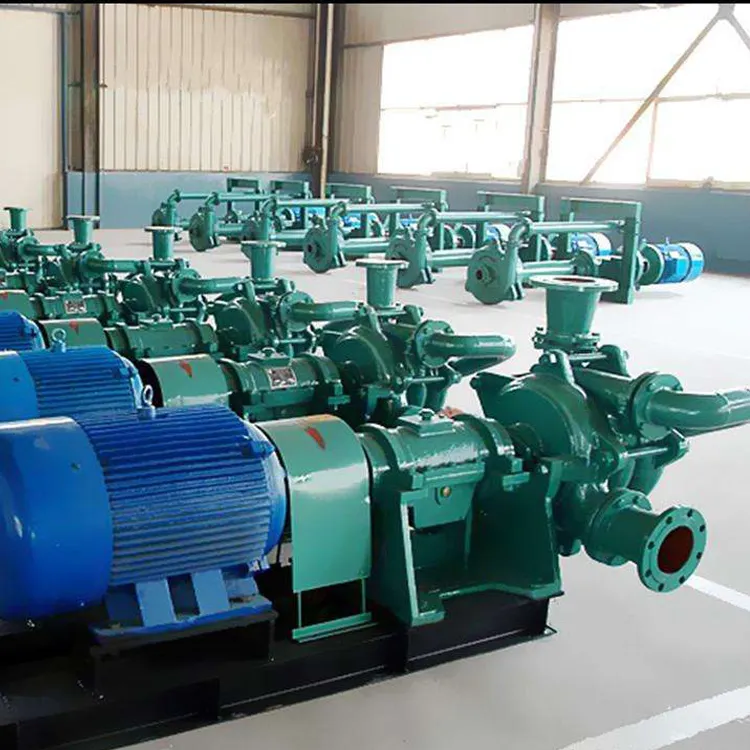
Small sewage pumps are centrifugal pumps specifically designed for the efficient removal of wastewater containing solids. Positioned within the wastewater treatment chain as a critical component of initial solids handling, they bridge the gap between source collection (residential, commercial, industrial) and primary treatment facilities. These pumps differ significantly from clear liquid pumps due to their specialized impeller designs and robust construction, enabling them to handle fibrous materials, grit, and other debris commonly found in sewage. Core performance characteristics include flow rate (measured in gallons per minute or liters per second), total dynamic head (TDH – the height the pump can lift the fluid, measured in feet or meters), solids handling capability (size and concentration), and power requirements. The industry currently faces challenges related to pump efficiency, energy consumption, and preventing clogging within increasingly complex wastewater streams, driving innovation towards more sophisticated impeller geometries and automated control systems.
Material Science & Manufacturing
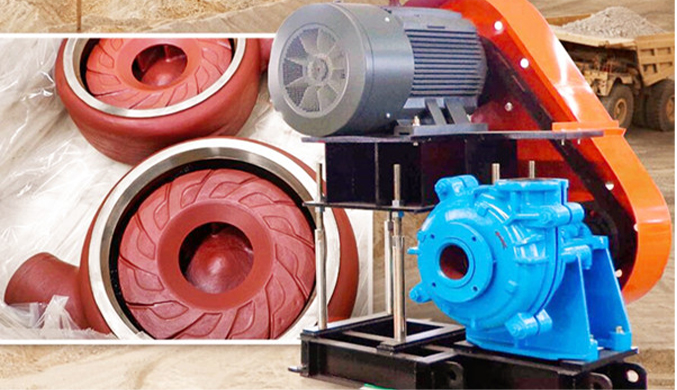
The construction of small sewage pumps relies heavily on materials resistant to corrosion and abrasion. Impellers and pump housings are typically manufactured from grey iron (ASTM A48 Class 30) due to its cost-effectiveness and ability to withstand abrasive wear. However, for more aggressive environments, such as those containing high concentrations of hydrogen sulfide, ductile iron (ASTM A536 65-45-12) is preferred for its increased strength and ductility. Shafts are generally composed of 4140 alloy steel, heat-treated to achieve a Rockwell C hardness of 35-40, providing resistance to torsional stress and fatigue. Seals commonly employ silicon carbide (SiC) faces against hardened steel, offering superior resistance to abrasion and chemical attack compared to traditional elastomer seals. Manufacturing processes include sand casting for the housing and impeller, followed by machining to precise tolerances. Shaft preparation involves forging, turning, and precision grinding. Critical parameter control during impeller casting includes maintaining consistent sand mixture ratios, pouring temperatures, and cooling rates to prevent porosity and ensure structural integrity. Welding processes, when used for housing assembly, must adhere to AWS D1.1 standards for structural welding of steel. Proper heat treatment is crucial for both the impeller and shaft to achieve desired hardness and tensile strength, validated through hardness testing and metallographic analysis.
Performance & Engineering
The performance of small sewage pumps is intrinsically linked to hydraulic design and motor characteristics. Force analysis centers on impeller blade loading, radial forces on the shaft, and thrust forces generated by fluid pressure. Impeller design, incorporating non-clogging geometries such as recessed or vortex impellers, is crucial for minimizing blockage and maximizing hydraulic efficiency. Environmental resistance is paramount, necessitating consideration of operating temperature, pH levels, and the presence of corrosive elements. Pumps operating in coastal areas must also be resistant to saltwater ingress. Compliance requirements are driven by regulations such as EPA standards for wastewater discharge and NEMA standards for motor efficiency. Functional implementation relies on accurately matching pump performance curves to system requirements (flow rate vs. TDH). Variable Frequency Drives (VFDs) are increasingly integrated to optimize pump speed based on fluctuating demand, reducing energy consumption and extending pump life. Cavitation, a common failure mode, is prevented through proper Net Positive Suction Head Available (NPSHA) calculations and pump placement within the system. Pump selection considers fluid viscosity, specific gravity, and the potential for abrasive wear. Motor selection must account for the required horsepower and voltage, adhering to IE3 or IE4 efficiency standards.
Technical Specifications
| Flow Rate (GPM) | Total Dynamic Head (ft) | Motor Horsepower (HP) | Solids Handling Capability (in) |
|---|---|---|---|
| 30-60 | 20-40 | 0.5-1 | 2 |
| 60-90 | 40-60 | 1-1.5 | 3 |
| 90-120 | 60-80 | 1.5-2 | 3 |
| 120-150 | 80-100 | 2-3 | 4 |
| 150-180 | 100-120 | 3-5 | 4 |
| 180-200 | 120-140 | 5-7.5 | 4 |
Failure Mode & Maintenance
Small sewage pumps are susceptible to several failure modes. Fatigue cracking in the impeller, particularly around the blade root, is common due to cyclical loading. Delamination of pump housing coatings, especially epoxy-based systems, can occur due to chemical attack and abrasion. Degradation of seals leads to leakage and loss of efficiency. Oxidation of ferrous components, particularly in untreated wastewater, results in corrosion and reduced structural integrity. Clogging, caused by the accumulation of solids, is a frequent issue leading to pump seizure and motor overload. Failure analysis typically involves visual inspection for cracks and corrosion, dimensional measurements to assess wear, and metallographic examination to determine material properties. Preventive maintenance includes regular inspection of seals, bearings, and impeller for wear or damage. Periodic flushing of the pump housing to remove accumulated solids is essential. Lubrication of bearings according to manufacturer specifications minimizes friction and extends bearing life. For corrosion prevention, sacrificial anodes (e.g., zinc or aluminum) can be installed, particularly in marine environments. Monitoring motor current and vibration levels provides early warning signs of potential failures. Regular performance testing (flow rate vs. TDH) identifies efficiency losses indicative of impeller wear or internal leakage.
Industry FAQ
Q: What is the primary difference between a submersible and a non-submersible sewage pump, and what are the advantages of each?
A: Submersible pumps are designed to operate while fully submerged in the wastewater, eliminating the need for priming and reducing noise levels. They typically have a more compact footprint and are less susceptible to cavitation. Non-submersible pumps, positioned outside the wastewater, are easier to access for maintenance but require priming and are prone to suction lift issues. The choice depends on the specific application; submersible pumps are preferred for permanent installations and confined spaces, while non-submersible pumps may be suitable for temporary applications or situations where easy maintenance access is prioritized.
Q: How does impeller design impact the pump's ability to handle solids, and what types of impellers are commonly used in small sewage pumps?
A: Impeller design is critical for solids handling. Vortex impellers create a swirling action that draws solids into the center of the pump, minimizing contact with the impeller blades and reducing the risk of clogging. Recessed impellers feature a recessed area around the impeller blades, allowing solids to pass through without significant obstruction. Open impellers, while offering higher efficiency for clear liquids, are less suited for sewage applications due to their vulnerability to clogging. The selection depends on the expected solids content and size.
Q: What are the common causes of pump cavitation, and how can it be prevented?
A: Cavitation occurs when the absolute pressure within the pump falls below the vapor pressure of the liquid, forming vapor bubbles that collapse violently, causing erosion of the impeller and pump housing. Common causes include insufficient Net Positive Suction Head Available (NPSHA), high fluid temperature, and restrictions in the suction line. Prevention involves ensuring adequate NPSHA, maintaining proper suction line diameter, minimizing suction lift, and controlling fluid temperature.
Q: What role does motor efficiency play in the total cost of ownership for a small sewage pump?
A: Motor efficiency significantly impacts the total cost of ownership. While a higher-efficiency motor may have a higher initial cost, it consumes less energy over its lifespan, leading to substantial savings in electricity bills. Furthermore, efficient motors generate less heat, extending bearing life and reducing maintenance requirements. Considering lifecycle costs, including energy consumption and maintenance, is crucial when selecting a pump.
Q: What are the key considerations when selecting a pump material for highly corrosive wastewater environments (e.g., high H2S content)?
A: In corrosive environments, material selection is paramount. Ductile iron with an epoxy coating provides good corrosion resistance, but for highly aggressive environments, stainless steel (e.g., 316 stainless steel) or specialized alloys (e.g., duplex stainless steel) are preferred. Silicon carbide seals are essential for resisting chemical attack. Regular inspection and coating maintenance are crucial to prevent corrosion-related failures.
Conclusion
Small sewage pumps represent a vital component in modern wastewater management systems, demanding careful consideration of material science, hydraulic engineering, and operational factors. Their performance hinges on the appropriate selection of materials to withstand corrosive environments and abrasive solids, combined with impeller designs optimized for non-clogging operation. Achieving long-term reliability requires diligent maintenance practices, including regular inspections, seal replacements, and performance monitoring.
Future advancements in this field will likely focus on the integration of smart technologies, such as predictive maintenance algorithms and remote monitoring systems, to optimize pump performance and minimize downtime. Furthermore, ongoing research into novel materials and impeller geometries will continue to improve efficiency and reduce energy consumption, contributing to more sustainable and cost-effective wastewater treatment solutions.
-
sewage submersible pump 1hp Performance Analysis
News2026-05-30
-
1 hp sewage submersible pump Performance Analysis
News2026-05-30
-
waste pump for basement bathroom Performance and Engineering
News2026-05-30
-
Sump Pump Drain Field Performance Analysis
News2026-05-30
-
small sewage pump Performance Analysis
News2026-05-30
-
sewer pump for basement Material Science Manufacturing
News2026-05-29
-
sewage sump pumps Performance and Engineering
News2026-05-29
-
sewage pumps for septic tanks Material Science and Manufacturing
News2026-05-29
-
Sewage Pumping Companies Performance Analysis
News2026-05-29
-
Sewage Pump Manufacturers Performance Engineering
News2026-05-29
-
sewage pump for basement Performance and Engineering
News2026-05-28
-
Sewage Pump Companies Performance Analysis
News2026-05-28
-
Sewage Pit and Pump Performance Analysis
News2026-05-28
-
Sewage Lift Pumps Material Science
News2026-05-28
-
Sewage Ejector Tank Material Science and Manufacturing
News2026-05-28




