English
- Afrikaans
- Albanian
- Amharic
- Arabic
- Armenian
- Azerbaijani
- Basque
- Belarusian
- Bengali
- Bosnian
- Bulgarian
- Catalan
- Cebuano
- Corsican
- Croatian
- Czech
- Danish
- Dutch
- English
- Esperanto
- Estonian
- Finnish
- French
- Frisian
- Galician
- Georgian
- German
- Greek
- Gujarati
- Haitian Creole
- hausa
- hawaiian
- Hebrew
- Hindi
- Miao
- Hungarian
- Icelandic
- igbo
- Indonesian
- irish
- Italian
- Japanese
- Javanese
- Kannada
- kazakh
- Khmer
- Rwandese
- Korean
- Kurdish
- Kyrgyz
- Lao
- Latin
- Latvian
- Lithuanian
- Luxembourgish
- Macedonian
- Malgashi
- Malay
- Malayalam
- Maltese
- Maori
- Marathi
- Mongolian
- Myanmar
- Nepali
- Norwegian
- Norwegian
- Occitan
- Pashto
- Persian
- Polish
- Portuguese
- Punjabi
- Romanian
- Russian
- Samoan
- Scottish Gaelic
- Serbian
- Sesotho
- Shona
- Sindhi
- Sinhala
- Slovak
- Slovenian
- Somali
- Spanish
- Sundanese
- Swahili
- Swedish
- Tagalog
- Tajik
- Tamil
- Tatar
- Telugu
- Thai
- Turkish
- Turkmen
- Ukrainian
- Urdu
- Uighur
- Uzbek
- Vietnamese
- Welsh
- Bantu
- Yiddish
- Yoruba
- Zulu

Telephone: +86 13120555503
Email: frank@cypump.com


Apr . 01, 2024 17:55 Back to list
slurry transfer pump efficient and reliable fluid handling Performance Analysis
Introduction
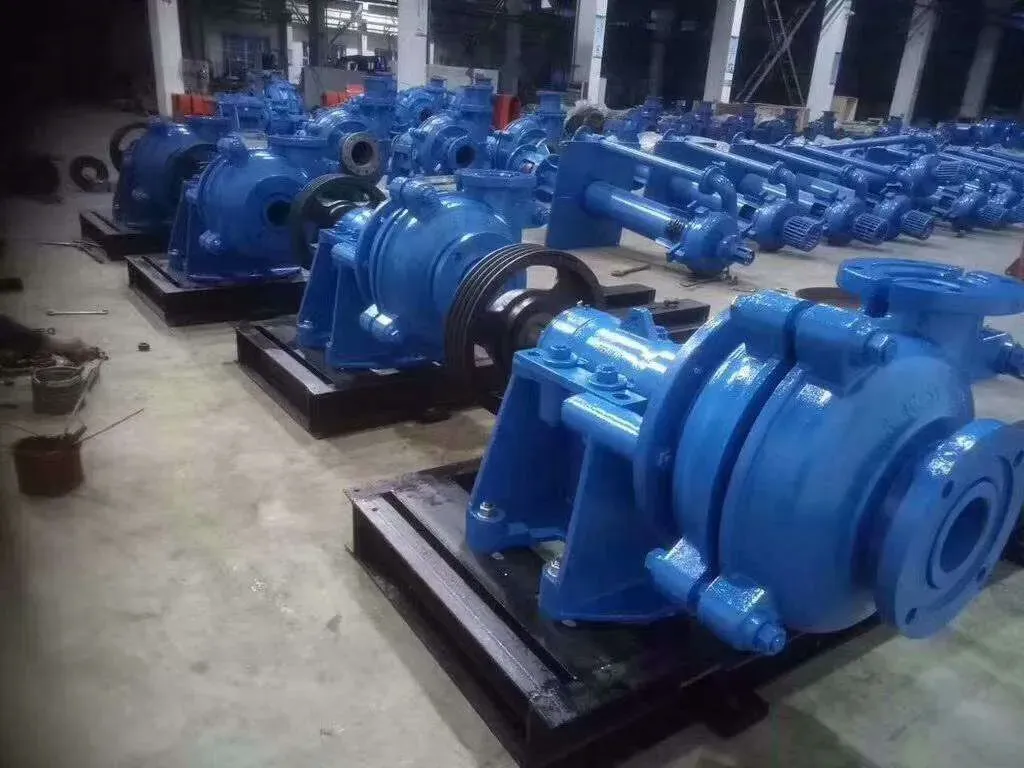
Slurry transfer pumps are critical components in numerous industrial processes, designed for the reliable and efficient transport of abrasive, corrosive, and high-solids-content fluids – collectively known as slurries. These pumps differ significantly from conventional centrifugal pumps due to the need to withstand severe operating conditions and minimize premature wear. Their application spans industries including mining, mineral processing, wastewater treatment, chemical processing, and power generation. The core performance characteristics of a slurry transfer pump are defined by its ability to maintain flow rate against increasing slurry density and particle size, while simultaneously minimizing wear on internal components. Selecting the correct pump for a given slurry composition and application is paramount to operational efficiency, reducing downtime, and controlling maintenance costs. This guide provides a comprehensive technical overview of slurry transfer pumps, covering material science, manufacturing processes, performance engineering, failure modes, and relevant industry standards, specifically focusing on maximizing efficiency and reliability.
Material Science & Manufacturing
The performance and longevity of a slurry transfer pump are heavily influenced by the materials used in its construction. Common materials include high-chrome cast iron, stainless steel (304, 316, duplex), rubber linings (natural rubber, synthetic elastomers), and ceramic materials. High-chrome cast iron offers exceptional abrasion resistance, making it suitable for handling highly abrasive slurries, although it is susceptible to corrosion. Stainless steels provide excellent corrosion resistance but generally have lower abrasion resistance than high-chrome iron. Rubber linings are utilized to protect pump casings and impellers from both abrasion and corrosion, particularly in applications involving highly corrosive fluids. Ceramic materials, such as alumina and silicon carbide, offer superior hardness and chemical inertness but are more expensive and brittle.
Manufacturing processes vary depending on the pump component. Pump casings are typically manufactured using sand casting, investment casting, or centrifugal casting. Centrifugal casting is often favored for larger casings requiring high density and minimal porosity. Impellers are commonly produced via investment casting or resin-bonded sand casting, allowing for intricate geometries and precise dimensional control. Shafts are typically forged from alloy steel and subjected to heat treatment to enhance strength and fatigue resistance. Linings, if applicable, are applied using vulcanization processes to ensure a robust bond between the rubber and the metallic substrate. A critical parameter in manufacturing is surface hardness, measured via Rockwell or Vickers hardness testing, which directly correlates to abrasion resistance. Welding processes, used for joining various components, must adhere to strict quality control standards (AWS D1.1 for steel welding) to prevent defects like porosity and incomplete fusion, which can compromise structural integrity.
Performance & Engineering
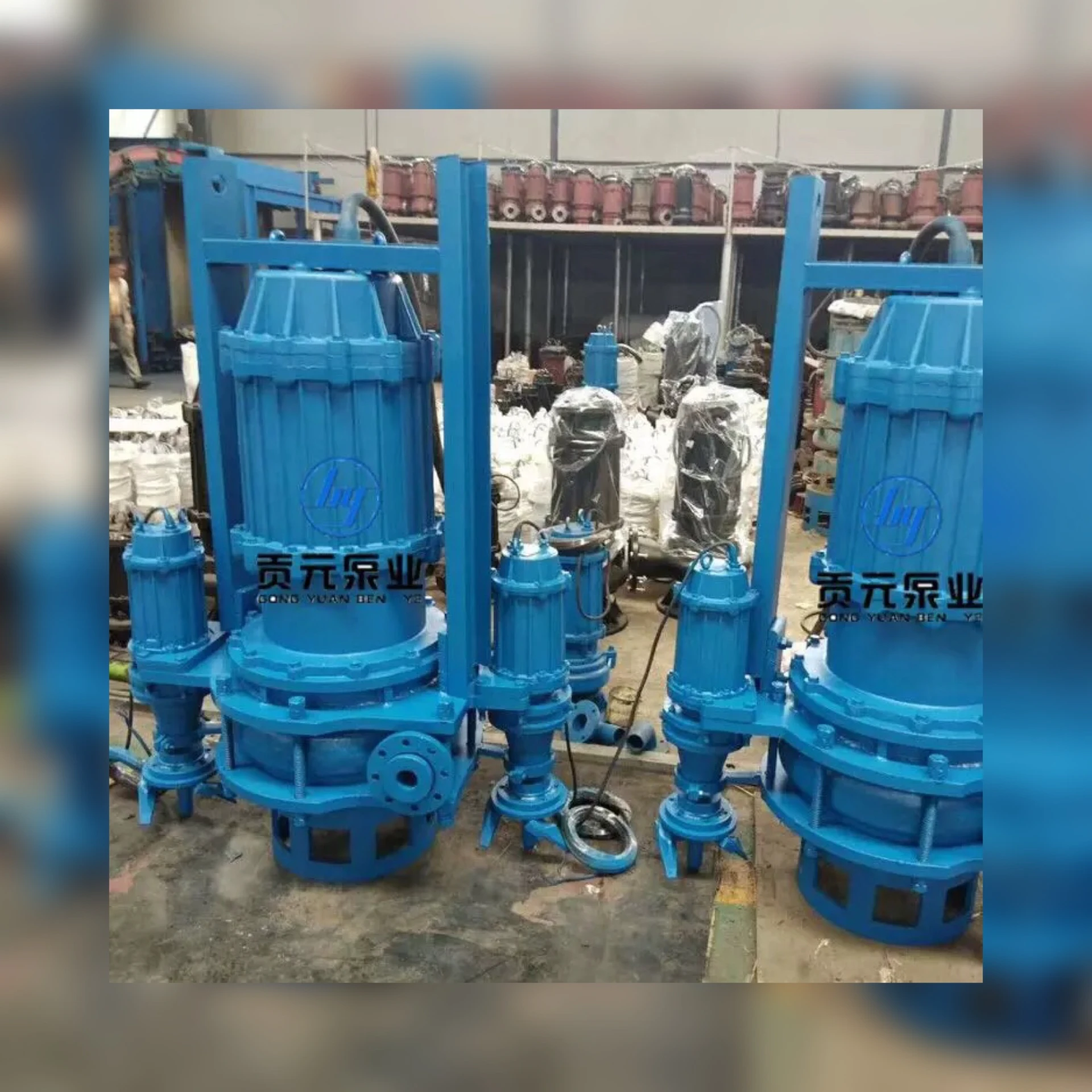
The performance of a slurry transfer pump is dictated by several key engineering parameters. These include flow rate (Q), head (H), power consumption (P), and solids handling capability. Flow rate is influenced by impeller diameter, rotational speed, and slurry viscosity. Head is determined by impeller geometry, pump speed, and the specific gravity of the slurry. Power consumption increases with both flow rate and head, and is also affected by pump efficiency. Solids handling capability is governed by impeller design (open vs. closed impeller) and the size and concentration of solid particles in the slurry. Open impellers are generally preferred for handling slurries with large solids content, as they are less prone to clogging. Force analysis is critical in pump design to ensure structural integrity under varying operating conditions. Computational Fluid Dynamics (CFD) modeling is frequently employed to optimize impeller geometry and minimize turbulence, thereby improving pump efficiency and reducing wear. Environmental resistance is also a major consideration, particularly in corrosive environments. Proper material selection and protective coatings are essential to prevent corrosion and extend pump life. Compliance requirements, such as those stipulated by API 610 (Centrifugal Pumps) and ISO 13709 (Positive Displacement Pumps), dictate design, material, and testing standards.
Technical Specifications
| Parameter | Unit | Typical Range (Small Pump) | Typical Range (Large Pump) |
|---|---|---|---|
| Flow Rate | m³/hr | 5 - 50 | 200 - 1000 |
| Head | m | 10 - 30 | 50 - 150 |
| Power | kW | 1.5 - 7.5 | 30 - 200 |
| Maximum Solids Size | mm | 6 - 12 | 50 - 150 |
| Slurry Concentration (by weight) | % | Up to 30 | Up to 70 |
| Operating Temperature | °C | -20 to 80 | -40 to 120 |
Failure Mode & Maintenance
Slurry transfer pumps are susceptible to various failure modes. Abrasion is the most common cause of failure, leading to impeller wear, casing erosion, and reduced pump efficiency. Corrosion can attack pump components, particularly in acidic or alkaline slurries, resulting in pitting, cracking, and eventual failure. Erosion-corrosion, a synergistic effect, accelerates material degradation. Mechanical failures, such as shaft breakage and bearing failure, can occur due to fatigue, overloading, or improper lubrication. Clogging, caused by large solids or buildup of deposits, can lead to reduced flow and increased power consumption. Cavitation, resulting from low suction pressure, can cause impeller damage and noise.
Preventive maintenance is crucial for extending pump life. Regular inspections should be conducted to check for wear, corrosion, and leaks. Impeller and casing wear can be monitored using ultrasonic thickness testing. Bearing lubrication should be maintained according to manufacturer’s recommendations. Filtration systems should be implemented to remove large solids and prevent clogging. Periodic flushing of the pump casing can prevent buildup of deposits. Vibration analysis can detect early signs of mechanical failures. When replacing components, it is essential to use materials compatible with the slurry being pumped. Proper alignment of the pump and motor is also critical to minimize vibration and bearing wear. Implementing a robust maintenance schedule, based on operating hours and slurry characteristics, will significantly reduce downtime and improve overall reliability.
Industry FAQ
Q: What is the primary difference between a centrifugal pump and a positive displacement pump for slurry applications?
A: Centrifugal pumps are generally more suitable for high-volume, low-head slurry applications, while positive displacement pumps (e.g., progressing cavity pumps, peristaltic pumps) excel in low-volume, high-head applications and are better at handling highly viscous or abrasive slurries with consistent particle size distribution. Centrifugal pumps are simpler and less expensive but more susceptible to wear from large solids. Positive displacement pumps offer more precise flow control and higher efficiency when dealing with challenging slurries.
Q: How does slurry composition affect pump selection?
A: Slurry composition, specifically its particle size, concentration, and chemical properties, is the most critical factor in pump selection. Highly abrasive slurries require pumps with abrasion-resistant materials like high-chrome iron or ceramic components. Corrosive slurries necessitate the use of corrosion-resistant materials such as stainless steel or rubber linings. The particle size and concentration influence the impeller type (open vs. closed) and the pump’s solids handling capability.
Q: What is the impact of suction lift on pump performance and longevity?
A: Excessive suction lift can lead to cavitation, which damages the impeller and reduces pump efficiency. It's critical to maintain a sufficient Net Positive Suction Head Available (NPSHa) greater than the Net Positive Suction Head Required (NPSHr) by the pump. Minimizing suction lift by positioning the pump close to the slurry source and ensuring proper piping design is essential.
Q: What are the advantages of using a rubber lining in a slurry pump?
A: Rubber linings provide excellent resistance to both abrasion and corrosion, making them ideal for handling highly abrasive and corrosive slurries. They also dampen noise and vibration, extending pump life. However, rubber linings have limitations in terms of temperature and chemical compatibility; careful selection of the rubber compound is necessary.
Q: How can I minimize wear in a slurry pump handling highly abrasive particles?
A: Minimize wear by using abrasion-resistant materials (high-chrome iron, ceramic), maintaining low slurry velocity, avoiding sharp bends in the piping, implementing a robust filtration system to remove oversized particles, and regularly inspecting and replacing worn components.
Conclusion
Slurry transfer pumps are complex systems requiring careful consideration of material science, engineering principles, and operational factors. Optimizing pump performance and reliability necessitates a holistic approach, encompassing proper pump selection based on slurry characteristics, diligent maintenance practices, and adherence to industry standards. The correct choice of materials is pivotal in resisting abrasion and corrosion, the primary drivers of failure in slurry applications.
Future advancements in slurry pump technology will likely focus on developing more wear-resistant materials, optimizing impeller designs using advanced CFD modeling, and incorporating intelligent monitoring systems for predictive maintenance. Implementing these innovations will contribute to increased operational efficiency, reduced downtime, and lower life-cycle costs for slurry handling processes across diverse industries.
-
Precision at the Pump: How Better Machining Protects Flow and Uptime
News2026-11-20
-
Why Pump Reliability Begins Before the First Drop of Fluid
News2026-11-20
-
Beyond the Pump: Designing Safer Access Around Critical Water Infrastructure
News2026-11-20
-
Why Pumping Stations Depend on the Infrastructure Beneath the Pumps
News2026-11-20
-
Beyond the Pump Room: How Smarter Loading Protects Industrial Equipment
News2026-11-19
-
When Pumps Stop: Designing More Resilient Power for Critical Pumping Systems
News2026-11-19
-
The Hidden Role of Dust and Gas Monitoring in Reliable Pump Operations
News2026-11-19
-
The Hidden Role of Mineral Compounds in Extending Industrial Pump Lifespan
News2026-10-12
-
Why Pump System Reliability Depends on Precision Hose Assembly Methods
News2026-09-15
-
How Advanced Imaging Films Are Transforming Pump Component Quality Control
News2026-08-25
-
How Advanced Filtration Protects Pump Systems from Premature Wear and Costly Downtime
News2026-08-25
-
How Steel Material Selection Drives Pump Reliability in Heavy-Duty Systems
News2026-08-25
-
Ensuring Pump System Efficiency: The Role of High-Quality Pipe Fittings and Tubing
News2026-08-24
-
Optimizing Fluid Dynamics and Material Consistency in Industrial Processing
News2026-08-18
-
Innovations and Challenges in Hydraulic Systems for Heavy Machinery
News2026-08-13




