English
- Afrikaans
- Albanian
- Amharic
- Arabic
- Armenian
- Azerbaijani
- Basque
- Belarusian
- Bengali
- Bosnian
- Bulgarian
- Catalan
- Cebuano
- Corsican
- Croatian
- Czech
- Danish
- Dutch
- English
- Esperanto
- Estonian
- Finnish
- French
- Frisian
- Galician
- Georgian
- German
- Greek
- Gujarati
- Haitian Creole
- hausa
- hawaiian
- Hebrew
- Hindi
- Miao
- Hungarian
- Icelandic
- igbo
- Indonesian
- irish
- Italian
- Japanese
- Javanese
- Kannada
- kazakh
- Khmer
- Rwandese
- Korean
- Kurdish
- Kyrgyz
- Lao
- Latin
- Latvian
- Lithuanian
- Luxembourgish
- Macedonian
- Malgashi
- Malay
- Malayalam
- Maltese
- Maori
- Marathi
- Mongolian
- Myanmar
- Nepali
- Norwegian
- Norwegian
- Occitan
- Pashto
- Persian
- Polish
- Portuguese
- Punjabi
- Romanian
- Russian
- Samoan
- Scottish Gaelic
- Serbian
- Sesotho
- Shona
- Sindhi
- Sinhala
- Slovak
- Slovenian
- Somali
- Spanish
- Sundanese
- Swahili
- Swedish
- Tagalog
- Tajik
- Tamil
- Tatar
- Telugu
- Thai
- Turkish
- Turkmen
- Ukrainian
- Urdu
- Uighur
- Uzbek
- Vietnamese
- Welsh
- Bantu
- Yiddish
- Yoruba
- Zulu

Telephone: +86 13120555503
Email: frank@cypump.com


Apr . 01, 2024 17:55 Back to list
Slurry Pumps top manufacturers of oem highperformance slurry pumps Technology and Performance Analys
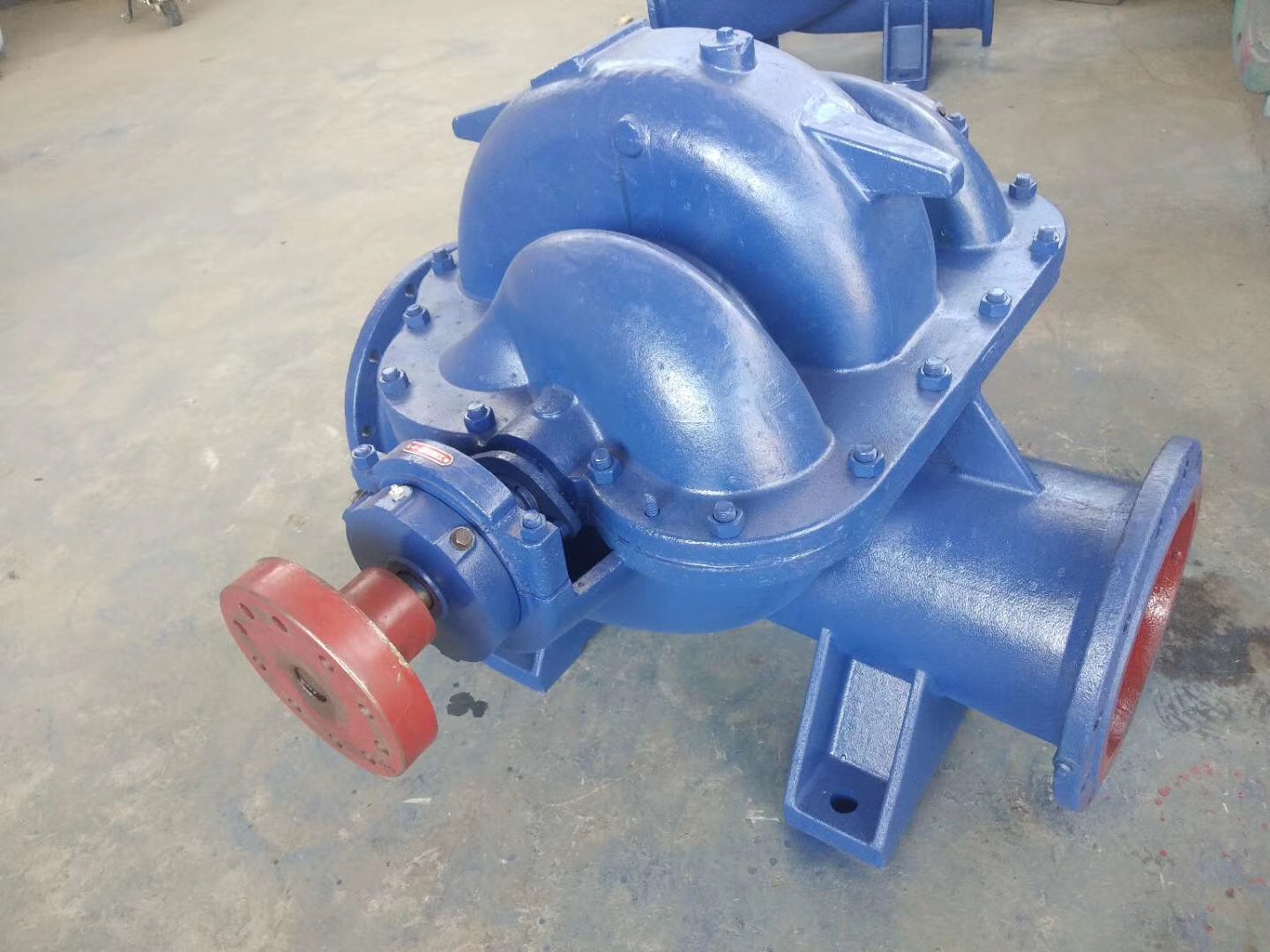
Introduction
High-performance slurry pumps, specifically OEM (Original Equipment Manufacturer) designs, are critical components in numerous industrial processes. These pumps are engineered to handle abrasive, corrosive, and high-solids-content fluids, found extensively in mining, mineral processing, wastewater treatment, dredging, and chemical industries. Their technical position within the industrial chain is paramount, directly impacting the efficiency and reliability of entire processing plants. The core performance characteristics revolve around flow rate, head (pressure), solids handling capability, and abrasion resistance. Top manufacturers focus on optimizing these parameters, employing advanced materials and hydraulic designs. This guide provides an in-depth technical overview of slurry pump technology, focusing on material science, manufacturing processes, performance considerations, failure modes, and relevant industry standards. The increasing demand for pumps capable of handling more challenging slurries – increasing solids concentration, larger particle sizes, and more aggressive chemical compositions – drives ongoing innovation in this field. Key pain points for end-users include premature wear, frequent maintenance, energy consumption, and the total cost of ownership. Selecting the appropriate pump for a specific application requires a thorough understanding of these technical aspects.
Material Science & Manufacturing
The construction of high-performance slurry pumps relies heavily on specific material selections dictated by the slurry composition. Common materials include high-chromium cast irons (typically 13-28% Cr) known for their excellent abrasion resistance, stainless steels (304, 316, duplex) offering corrosion resistance, and specialized alloys such as Hastelloy and nickel-based alloys for extremely corrosive environments. Elastomers, particularly natural rubber and polyurethane, are frequently used for liners and impellers to protect the metal components from wear and impact. Manufacturing processes vary depending on the component. Pump casings are commonly produced through sand casting, investment casting, or centrifugal casting. Impellers can be manufactured via sand casting, investment casting, or, for smaller pumps, machining from solid bar stock. Welding is a critical process used to assemble pump casings and repair worn components, necessitating qualified welders and adherence to welding procedures (AWS D1.1). Parameter control during manufacturing is crucial: chemical composition verification through spectrographic analysis, hardness testing (Brinell, Vickers), and non-destructive testing (NDT) such as radiographic inspection and ultrasonic testing are essential to ensure material integrity and structural soundness. The microstructure of the cast irons directly impacts abrasion resistance; controlled cooling rates during casting are vital to achieve a martensitic structure. Liners, often rubber-based, are applied using vulcanization processes, ensuring a robust bond to the metallic substrate. Surface treatments such as hardfacing (using tungsten carbide or chromium carbides) are frequently employed to extend the service life of wear-prone components.
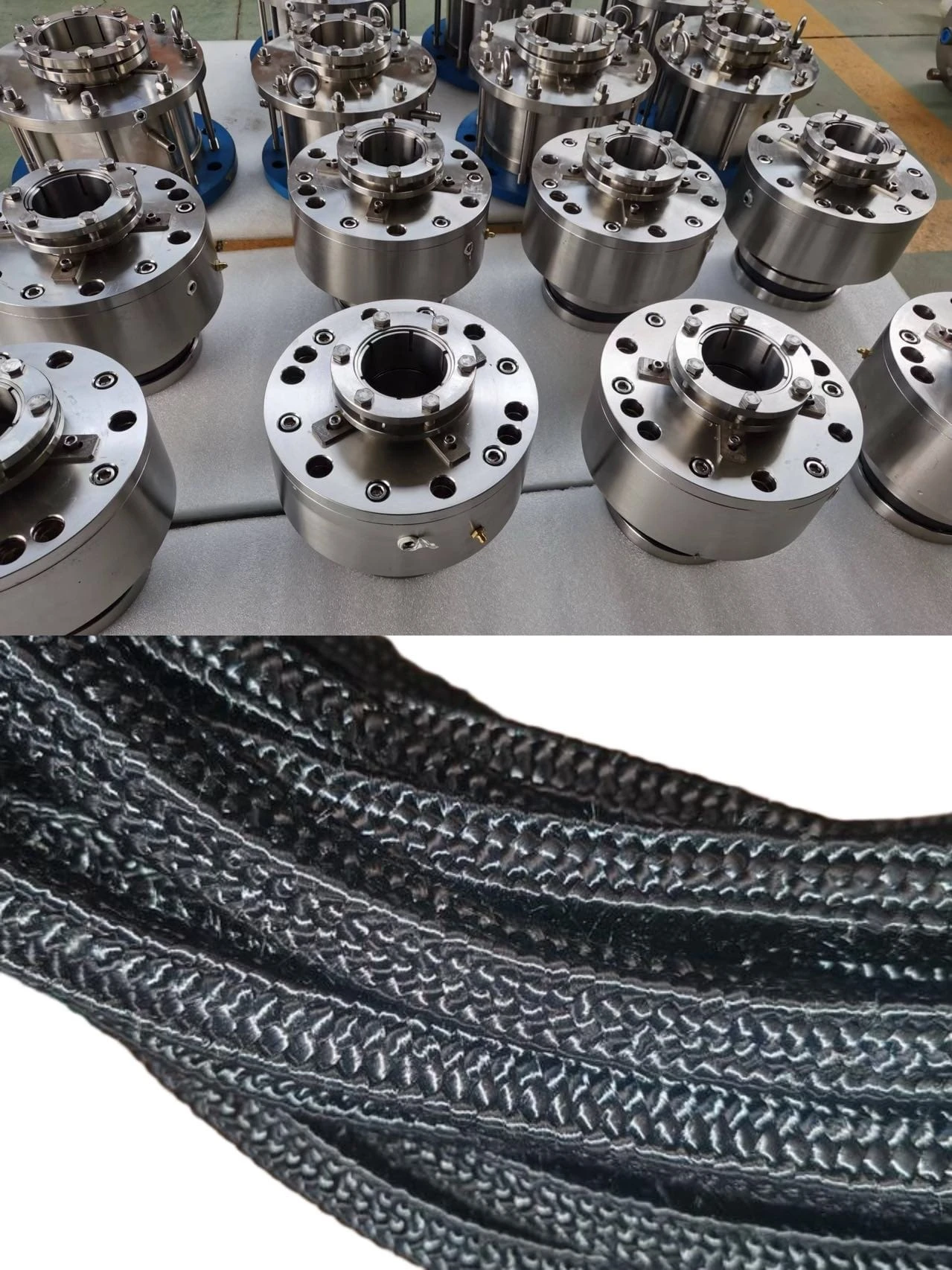
Performance & Engineering
Slurry pump performance is governed by several key engineering principles. Hydraulic design focuses on maximizing pump efficiency while minimizing wear. Impeller design, specifically the blade angle and width, dictates the pump’s head and flow characteristics. Force analysis, including centrifugal forces and fluid dynamic forces, is crucial for ensuring impeller structural integrity. Cavitation, a destructive phenomenon caused by vapor bubble formation and collapse, is a significant concern, particularly with abrasive slurries. Net Positive Suction Head Required (NPSHr) calculations are critical to prevent cavitation. Environmental resistance is another crucial factor. Pumps operating in corrosive environments require careful material selection and coating application. Compliance requirements vary based on the application and geographic location. For example, pumps used in the food and beverage industry must meet 3-A Sanitary Standards. Pumps used in hazardous locations require ATEX or IECEx certification. Functional implementation details include the selection of appropriate sealing systems (mechanical seals, packing glands) to prevent leakage and contamination. Pump curves, generated through hydraulic testing, provide essential performance data for system design and optimization. Considerations for pump selection also include the slurry’s rheological properties (viscosity, yield stress) and particle size distribution. System head curves must be accurately determined to ensure the pump operates within its optimal efficiency range. Pump performance is also affected by the operating temperature, slurry density, and solids concentration.
Technical Specifications
| Parameter | Unit | Typical Range (OEM High-Performance) | Testing Standard |
|---|---|---|---|
| Flow Rate | m³/h | 5 – 1500 | ISO 9906 |
| Head (Pressure) | m | 10 – 120 | ISO 9906 |
| Solids Handling Size | mm | Up to 150 | Internal OEM Testing |
| Slurry Concentration (by weight) | % | Up to 70 | Internal OEM Testing |
| Pump Speed | RPM | 500 – 3600 | Dependent on Motor/Drive |
| Material (Casing) | - | High-Chromium Cast Iron, Stainless Steel (316) | ASTM A532 / ASTM A743 |
| Material (Impeller) | - | High-Chromium Cast Iron, Rubber Lined | ASTM A532 / OEM Specification |
Failure Mode & Maintenance
Slurry pump failures are often attributed to abrasive wear, corrosion, erosion, and cavitation. Abrasive wear, caused by the impact of solid particles, is the most common failure mode, particularly affecting impellers and liners. Corrosion occurs when the pump materials react with corrosive components in the slurry, leading to material loss and weakening. Erosion combines the effects of abrasion and corrosion, accelerated by high fluid velocities. Fatigue cracking can occur in pump casings and impellers due to cyclic loading. Delamination of rubber liners can occur due to inadequate bonding or exposure to aggressive chemicals. Oxidation of metallic components can occur at elevated temperatures. Failure analysis techniques, including visual inspection, metallographic analysis, and chemical analysis, are essential for determining the root cause of failures. Preventative maintenance is crucial for maximizing pump life. This includes regular inspections for wear, lubrication of bearings, monitoring of seal performance, and vibration analysis. Scheduled replacement of wear parts (liners, impellers) based on operational hours or wear measurements is essential. Proper pump alignment and avoidance of dry running are critical preventative measures. For rubber-lined pumps, ensuring the correct operating temperature is vital to prevent liner degradation. Regular monitoring of pump performance (flow rate, pressure, power consumption) can provide early warning signs of impending failures.
Industry FAQ
Q: What is the impact of solids particle size distribution on pump selection?
A: The particle size distribution directly affects the selection of pump type and impeller design. Larger particle sizes necessitate pumps with larger free passages and robust impeller designs to prevent blockage and minimize wear. Pumps designed for fine particles typically have tighter clearances and higher impeller speeds. Incorrect particle size handling can lead to increased wear rates, reduced efficiency, and pump failure.
Q: How does slurry viscosity affect pump performance?
A: Increased slurry viscosity leads to reduced pump flow rate and increased power consumption. Highly viscous slurries require pumps with lower speeds and larger impeller diameters to maintain adequate flow. Non-Newtonian slurries (those with viscosity that changes with shear rate) present additional challenges and require specialized pump designs.
Q: What are the key considerations for selecting a pump material for a highly corrosive slurry?
A: Material selection is paramount. Stainless steels (especially duplex stainless steels), nickel-based alloys (Hastelloy, Inconel), and specialized polymers are common choices. The specific material must be resistant to the specific corrosive agents present in the slurry. Electrochemical compatibility between different pump components must also be considered to prevent galvanic corrosion.
Q: What are the advantages of using a mechanical seal versus packing in a slurry pump?
A: Mechanical seals offer better sealing performance, reduced leakage, and lower maintenance requirements compared to packing. However, they are more susceptible to damage from abrasive particles. Packing is more tolerant of abrasives but requires more frequent adjustment and replacement. Seal flush plans are critical to remove abrasives and provide lubrication.
Q: How can cavitation be prevented in slurry pump applications?
A: Cavitation can be prevented by ensuring adequate NPSHa (Net Positive Suction Head Available) exceeds the NPSHr (Net Positive Suction Head Required). This involves optimizing suction piping layout, minimizing suction lift, and controlling slurry temperature. Impeller trim can also be used to reduce NPSHr, but should be done cautiously as it affects pump performance.
Conclusion
The selection and operation of high-performance slurry pumps are complex engineering challenges demanding a thorough understanding of material science, hydraulic principles, and failure mechanisms. Top manufacturers prioritize robust design, stringent quality control, and continuous innovation to meet the evolving needs of industries handling abrasive and corrosive fluids. Optimized material selection, proper manufacturing processes, and diligent maintenance are essential for maximizing pump life and minimizing total cost of ownership.
Future advancements in slurry pump technology will likely focus on the development of more wear-resistant materials, improved impeller designs to enhance efficiency and reduce cavitation, and the integration of smart sensors and predictive maintenance algorithms to optimize pump performance and prevent unplanned downtime. Continued research into slurry rheology and the development of more accurate modeling techniques will also play a critical role in advancing this field.
-
Precision at the Pump: How Better Machining Protects Flow and Uptime
News2026-11-20
-
Why Pump Reliability Begins Before the First Drop of Fluid
News2026-11-20
-
Beyond the Pump: Designing Safer Access Around Critical Water Infrastructure
News2026-11-20
-
Why Pumping Stations Depend on the Infrastructure Beneath the Pumps
News2026-11-20
-
Beyond the Pump Room: How Smarter Loading Protects Industrial Equipment
News2026-11-19
-
When Pumps Stop: Designing More Resilient Power for Critical Pumping Systems
News2026-11-19
-
The Hidden Role of Dust and Gas Monitoring in Reliable Pump Operations
News2026-11-19
-
The Hidden Role of Mineral Compounds in Extending Industrial Pump Lifespan
News2026-10-12
-
Why Pump System Reliability Depends on Precision Hose Assembly Methods
News2026-09-15
-
How Advanced Imaging Films Are Transforming Pump Component Quality Control
News2026-08-25
-
How Advanced Filtration Protects Pump Systems from Premature Wear and Costly Downtime
News2026-08-25
-
How Steel Material Selection Drives Pump Reliability in Heavy-Duty Systems
News2026-08-25
-
Ensuring Pump System Efficiency: The Role of High-Quality Pipe Fittings and Tubing
News2026-08-24
-
Optimizing Fluid Dynamics and Material Consistency in Industrial Processing
News2026-08-18
-
Innovations and Challenges in Hydraulic Systems for Heavy Machinery
News2026-08-13




