English
- Afrikaans
- Albanian
- Amharic
- Arabic
- Armenian
- Azerbaijani
- Basque
- Belarusian
- Bengali
- Bosnian
- Bulgarian
- Catalan
- Cebuano
- Corsican
- Croatian
- Czech
- Danish
- Dutch
- English
- Esperanto
- Estonian
- Finnish
- French
- Frisian
- Galician
- Georgian
- German
- Greek
- Gujarati
- Haitian Creole
- hausa
- hawaiian
- Hebrew
- Hindi
- Miao
- Hungarian
- Icelandic
- igbo
- Indonesian
- irish
- Italian
- Japanese
- Javanese
- Kannada
- kazakh
- Khmer
- Rwandese
- Korean
- Kurdish
- Kyrgyz
- Lao
- Latin
- Latvian
- Lithuanian
- Luxembourgish
- Macedonian
- Malgashi
- Malay
- Malayalam
- Maltese
- Maori
- Marathi
- Mongolian
- Myanmar
- Nepali
- Norwegian
- Norwegian
- Occitan
- Pashto
- Persian
- Polish
- Portuguese
- Punjabi
- Romanian
- Russian
- Samoan
- Scottish Gaelic
- Serbian
- Sesotho
- Shona
- Sindhi
- Sinhala
- Slovak
- Slovenian
- Somali
- Spanish
- Sundanese
- Swahili
- Swedish
- Tagalog
- Tajik
- Tamil
- Tatar
- Telugu
- Thai
- Turkish
- Turkmen
- Ukrainian
- Urdu
- Uighur
- Uzbek
- Vietnamese
- Welsh
- Bantu
- Yiddish
- Yoruba
- Zulu

Telephone: +86 13120555503
Email: frank@cypump.com


Apr . 01, 2024 17:55 Back to list
Slurry Pumps Seals similar topic seals for slurry pumps all you need to know Performance Analysis
Introduction
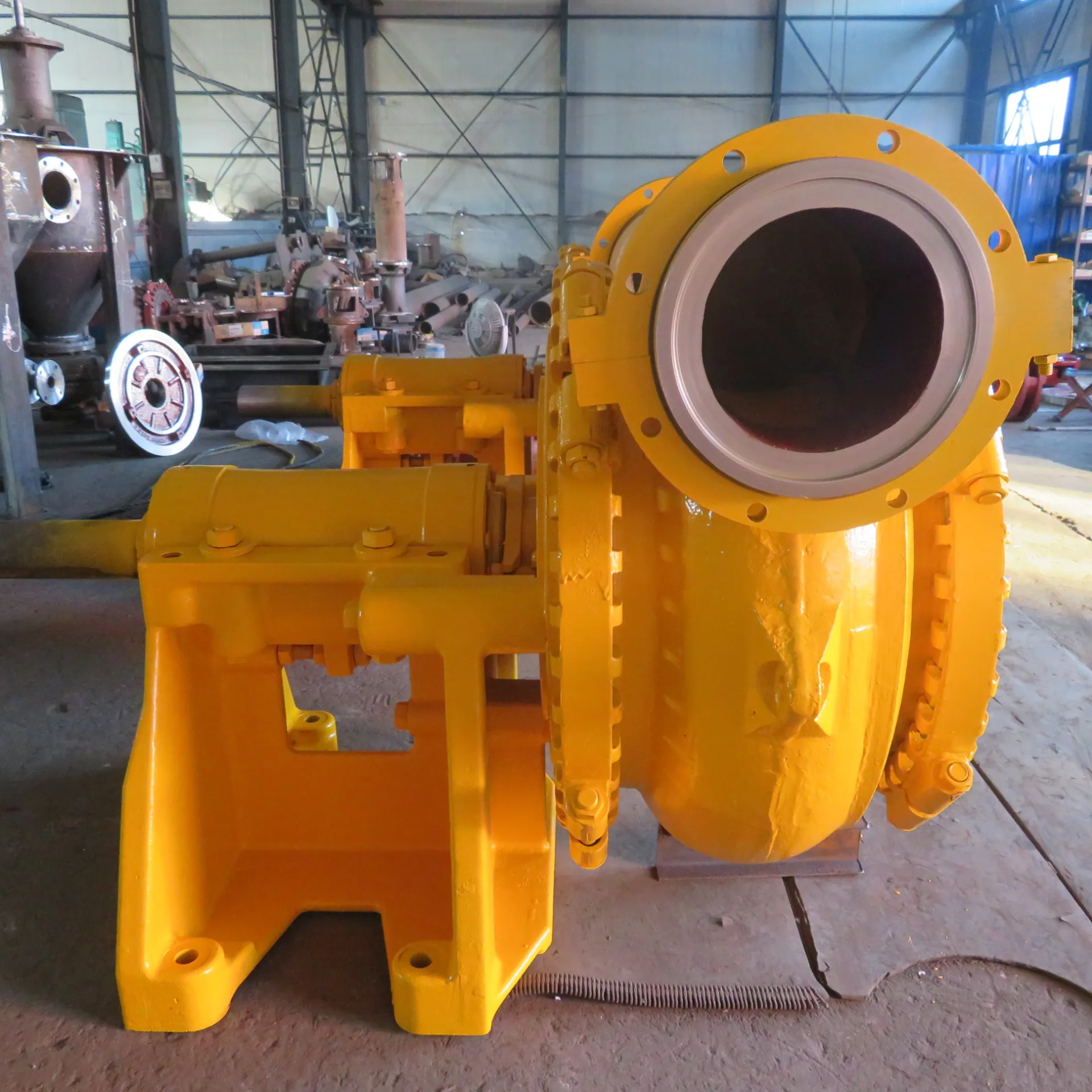
Mechanical seals for slurry pumps are critical components ensuring containment of abrasive and often corrosive fluids within the pump housing. Unlike conventional seals designed for clean fluids, slurry pump seals must address the unique challenges posed by particulate matter in suspension. This guide provides a comprehensive technical overview of these seals, encompassing material science, manufacturing processes, performance characteristics, failure modes, and relevant industry standards. The core performance metrics for slurry pump seals center around abrasion resistance, seal face conformity under varying loads, and long-term chemical compatibility with the pumped media. The selection and maintenance of these seals directly impacts operational efficiency, minimizes downtime, and reduces total cost of ownership in industries such as mining, wastewater treatment, and chemical processing. A key pain point for operators is premature seal failure due to incorrect material selection or inadequate understanding of slurry characteristics. This document aims to address these challenges by providing in-depth technical insight.
Material Science & Manufacturing
Slurry pump seals commonly utilize materials selected for their high wear resistance and chemical inertness. The rotating seal face is frequently composed of silicon carbide (SiC) due to its exceptional hardness (Mohs 9.5) and resistance to abrasive wear. Tungsten carbide (WC) is also employed, particularly in applications involving larger particle sizes, but generally exhibits lower corrosion resistance than SiC. The stationary seal face can be made of SiC, WC, or hardened stainless steel (e.g., 440C). Elastomeric components, such as O-rings and gaskets, are typically manufactured from materials like nitrile butadiene rubber (NBR), ethylene propylene diene monomer (EPDM), or fluorocarbon elastomers (FKM/Viton) depending on the chemical compatibility requirements. Manufacturing processes vary depending on the seal design and materials. Silicon carbide seal faces are typically produced via sintering, a process involving the consolidation of ceramic powder using high temperatures. Tungsten carbide faces are manufactured using powder metallurgy techniques followed by precise grinding and polishing to achieve optimal flatness. Elastomeric components are produced via injection molding or compression molding. Critical parameters in elastomer molding include temperature control, pressure regulation, and cure time to ensure proper crosslinking and material properties. Seal housings are often constructed from ductile iron or stainless steel, manufactured via casting or machining, requiring stringent dimensional accuracy to maintain seal face perpendicularity.
Performance & Engineering
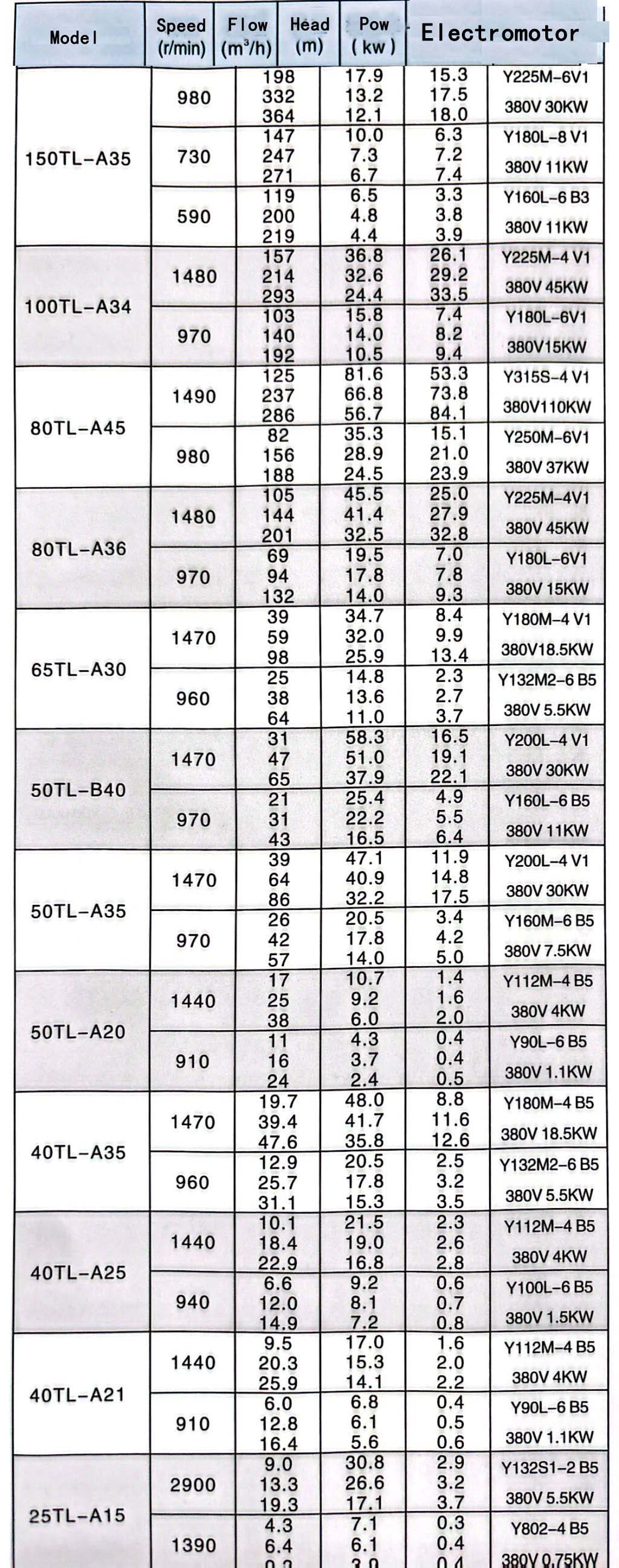
The performance of a slurry pump seal is heavily influenced by several engineering factors. Force analysis considers the spring force maintaining seal face contact, the hydraulic pressure from the pumped slurry, and the radial and axial loads imposed by the pump shaft. Maintaining adequate seal face contact pressure is crucial to prevent leakage and ingress of abrasive particles. Environmental resistance is paramount; seals must withstand varying temperatures, pressures, and exposure to corrosive chemicals present in the slurry. Finite Element Analysis (FEA) is often employed to optimize seal housing design and predict stress distribution under operational loads. Compliance requirements, such as API 682 for mechanical seals, dictate standards for seal design, testing, and documentation. Functional implementation relies on proper lubrication. While some slurry pump seals are designed for dry running, most require a barrier fluid system to provide lubrication, cooling, and flush out abrasive particles from the seal faces. The choice of barrier fluid (e.g., water, oil, or a specialized mixture) depends on the slurry composition and operating conditions. A critical design consideration is the gap between the rotating and stationary seal faces; this gap must be small enough to prevent leakage but large enough to allow abrasive particles to be flushed away. Seal face geometry, often employing spiral grooves, plays a vital role in generating a hydrodynamic film that enhances lubrication and particle transport.
Technical Specifications
| Parameter | Unit | Typical Value (Range) | Testing Standard |
|---|---|---|---|
| Maximum Pressure | bar | 10-100 | API 682 |
| Temperature Range | °C | -30 to 150 | ASTM E831 |
| Shaft Speed | RPM | Up to 3600 | ISO 10429 |
| Seal Face Material (Rotating) | - | SiC, WC | ASTM F1865 |
| Seal Face Material (Stationary) | - | SiC, WC, Stainless Steel | ASTM F1865 |
| Elastomer Material | - | NBR, EPDM, FKM | ASTM D2000 |
Failure Mode & Maintenance
Slurry pump seal failures typically stem from abrasive wear, corrosion, erosion, or a combination of these. Fatigue cracking can occur in seal components subjected to cyclic loading. Delamination of seal face coatings is another common failure mode, particularly when the coating is not properly bonded to the substrate or is exposed to excessive temperatures. Chemical degradation of elastomeric components can lead to loss of elasticity and sealing performance. Oxidation of metallic components can also contribute to failure. Failure analysis should involve visual inspection for wear patterns, microscopic examination of fracture surfaces, and chemical analysis to identify corrosion products. Preventive maintenance strategies include regular inspection of seals for leakage or unusual noise, periodic monitoring of barrier fluid pressure and flow rate, and timely replacement of worn components. Proper lubrication is crucial. Flushing the seal faces with clean fluid helps to remove abrasive particles and prevent overheating. Maintaining correct seal face alignment is also essential. Incorrect installation, such as over-tightening or misalignment, can lead to premature failure. Routine vibration analysis can detect early signs of seal degradation.
Industry FAQ
Q: What is the primary difference between a single seal and a double seal arrangement for slurry pumps?
A: A single seal provides a basic sealing barrier, while a double seal incorporates two seals with a barrier fluid between them. Double seals are preferred for handling highly abrasive or toxic slurries, offering increased safety and reliability. The barrier fluid lubricates the seals, provides cooling, and prevents the pumped slurry from escaping to the atmosphere. Double seals can also operate with a positive pressure barrier fluid, forcing any leakage back into the pump.
Q: How do you select the appropriate seal face material for a specific slurry application?
A: Material selection depends heavily on the slurry's composition and abrasive characteristics. Silicon carbide offers excellent abrasion resistance and corrosion resistance, making it suitable for a wide range of slurries. Tungsten carbide is preferred for highly abrasive slurries with larger particle sizes. Consider the slurry's pH and chemical components to ensure compatibility with the seal face material. Consulting material compatibility charts and performing laboratory tests are recommended.
Q: What are the key considerations for barrier fluid selection in a double seal system?
A: The barrier fluid should be chemically compatible with the slurry and the seal materials. It should have good lubricating properties and a low viscosity to facilitate heat transfer. The fluid’s boiling point should be higher than the operating temperature. Water, oil, and specialized synthetic fluids are commonly used. The choice depends on the slurry’s temperature, pressure, and chemical composition.
Q: What is the impact of particle size on seal performance and longevity?
A: Larger particle sizes lead to increased abrasive wear and can cause seal face damage. Maintaining a sufficient gap between the seal faces is crucial to allow larger particles to be flushed away. Using a seal with larger particle handling capabilities, or implementing pre-filtration, can mitigate this issue. Particle shape also matters; sharp, angular particles are more abrasive than rounded particles.
Q: What are the typical warning signs of impending seal failure?
A: Common warning signs include increased leakage around the seal, unusual noise (e.g., grinding or squealing), increased vibration, and a sudden drop in pump performance. Regular visual inspections and monitoring of pump parameters can help detect these early warning signs and prevent catastrophic failure.
Conclusion
Slurry pump seals represent a specialized engineering challenge requiring careful consideration of material science, manufacturing processes, and operating conditions. The selection of appropriate materials and seal configurations is critical for ensuring reliable operation and minimizing downtime. Understanding the potential failure modes and implementing effective preventive maintenance strategies are essential for maximizing seal lifespan and reducing total cost of ownership. A proactive approach to seal management, encompassing proper installation, regular inspection, and timely replacement of worn components, is paramount.
Future developments in slurry pump seal technology are likely to focus on advanced materials, improved seal face geometries, and enhanced monitoring systems. The integration of sensors and data analytics will enable predictive maintenance, allowing operators to anticipate seal failures and schedule repairs proactively. Research into self-lubricating seals and novel sealing materials promises to further enhance seal performance and reliability in challenging slurry applications.
-
Precision at the Pump: How Better Machining Protects Flow and Uptime
News2026-11-20
-
Why Pump Reliability Begins Before the First Drop of Fluid
News2026-11-20
-
Beyond the Pump: Designing Safer Access Around Critical Water Infrastructure
News2026-11-20
-
Why Pumping Stations Depend on the Infrastructure Beneath the Pumps
News2026-11-20
-
Beyond the Pump Room: How Smarter Loading Protects Industrial Equipment
News2026-11-19
-
When Pumps Stop: Designing More Resilient Power for Critical Pumping Systems
News2026-11-19
-
The Hidden Role of Dust and Gas Monitoring in Reliable Pump Operations
News2026-11-19
-
The Hidden Role of Mineral Compounds in Extending Industrial Pump Lifespan
News2026-10-12
-
Why Pump System Reliability Depends on Precision Hose Assembly Methods
News2026-09-15
-
How Advanced Imaging Films Are Transforming Pump Component Quality Control
News2026-08-25
-
How Advanced Filtration Protects Pump Systems from Premature Wear and Costly Downtime
News2026-08-25
-
How Steel Material Selection Drives Pump Reliability in Heavy-Duty Systems
News2026-08-25
-
Ensuring Pump System Efficiency: The Role of High-Quality Pipe Fittings and Tubing
News2026-08-24
-
Optimizing Fluid Dynamics and Material Consistency in Industrial Processing
News2026-08-18
-
Innovations and Challenges in Hydraulic Systems for Heavy Machinery
News2026-08-13




